


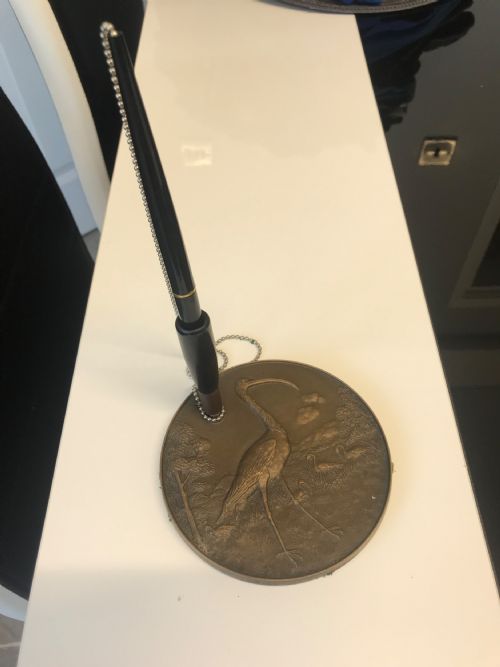


Vintage Writing Desk Accessory
A vintage writing desk accessory brings the tactile focus of traditional correspondence to a modern room through inkwells, pens and stands.
Vintage Writing Desk Accessory
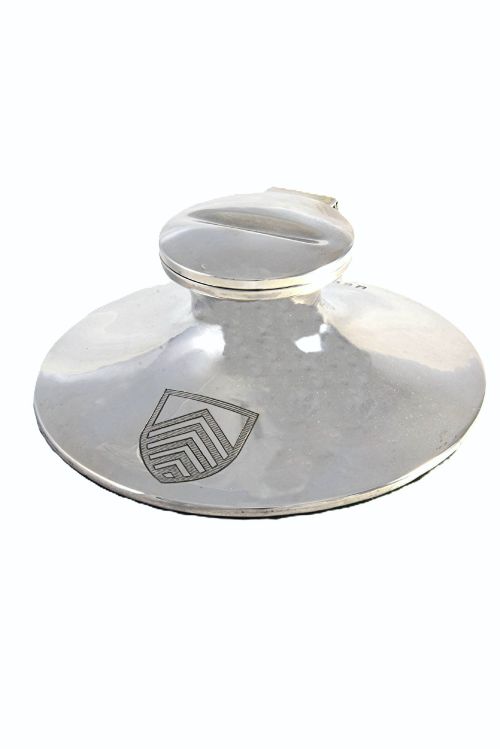
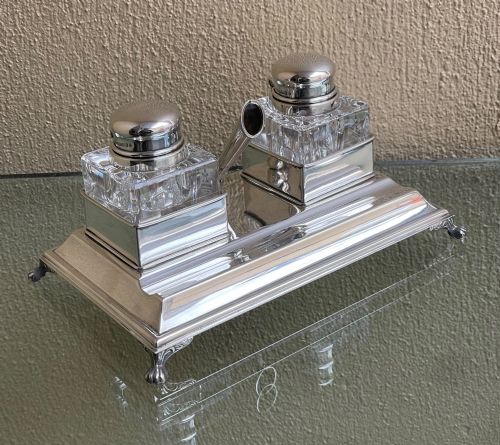
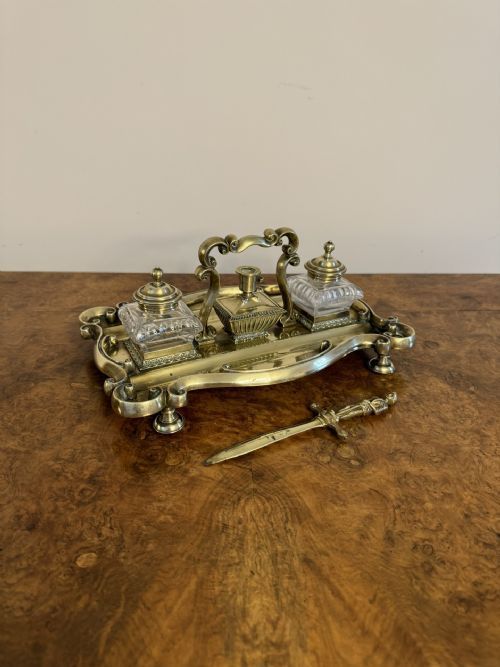
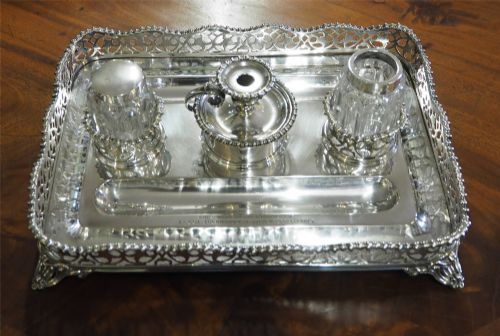
A vintage writing desk accessory encompasses items designed to organise the surface of a desk and facilitate handwritten correspondence. These pieces span the nineteenth and twentieth centuries, including the Victorian and Edwardian periods.
Materials and construction methods
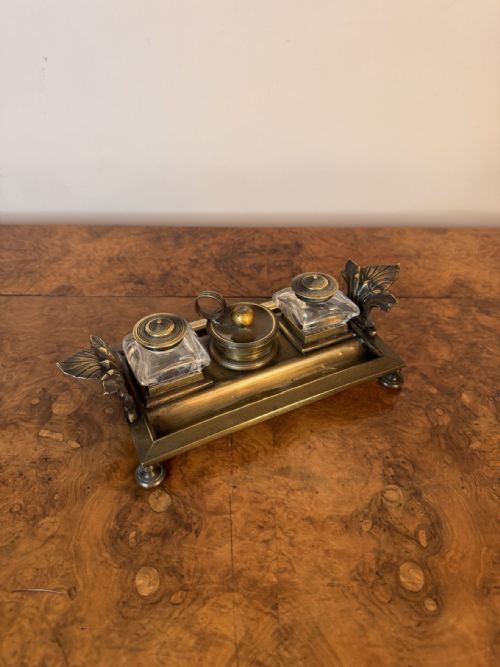
Makers utilised a combination of metals, glass and polished hardwoods to build durable desk equipment. Sterling silver, silver plate, brass and ormolu form the structural and decorative housing for glass inkwells and ceramic inserts.
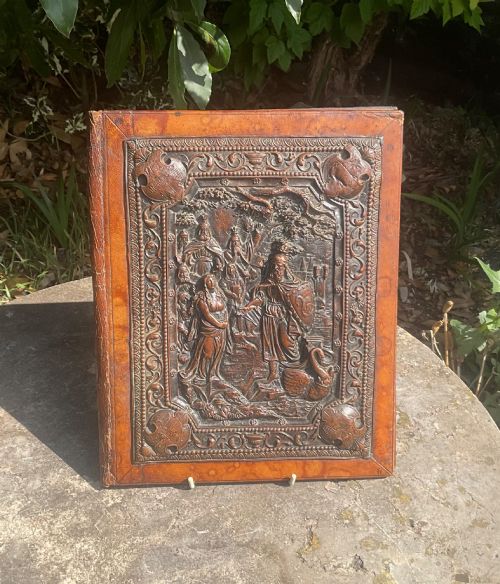
Decorative techniques recorded across the pieces include champleve enamel, hand painted papier-mache, Ashford marble inlay and intricate brass mounts. Wood surfaces employ burr walnut, coromandel and mahogany with fitted compartments.
Vintage Writing Desk Accessory Retail Price Guide 2026
Typical asking prices for vintage writing desk accessory among the pieces listed under this phrase on Sellingantiques today, from the lower quarter to the upper quarter. They describe what is for sale here now, not the wider market.
Assessing quality and execution
Quality reveals itself in the weight of the metal and the clarity of the cut glass. Substantial sterling silver or heavy cast bronze indicates a higher grade of production than thin silver plate over base metal.
Finishing details distinguish standard utilitarian pieces from exceptional examples. Hand painted ornamentation, tightly fitted wooden joins and complete sets retaining original components elevate the merit of a desk accessory.
Elkington·Wagner Lohengrin·A.Cohen & Co Ltd London·Mabie Todd & Co·Walker And Hall·Sampson Mordan·Harrods·Edward Todd & Co New York·Marson & Jones Birmingham·Garrards
The Vintage Writing Desk Accessory Glossary
- Inkwell
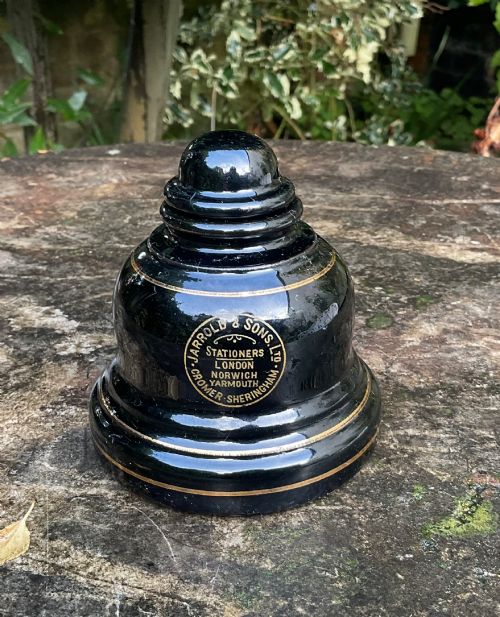
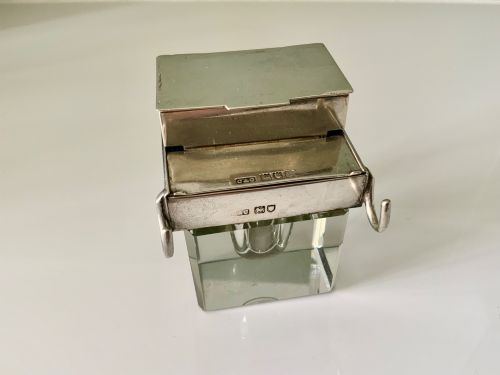
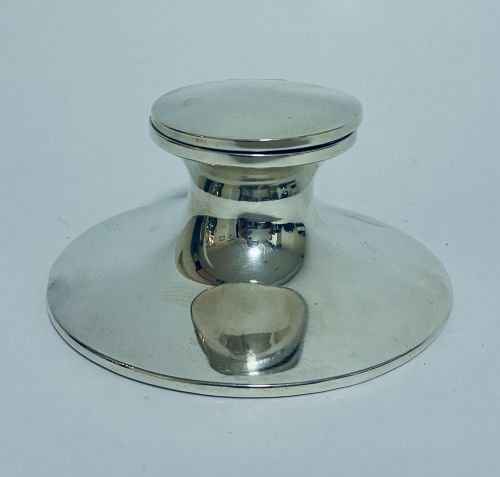
- A small container for holding liquid ink, typically fitted with a hinged lid to prevent evaporation. These are often made from cut glass or ceramic with metal mounts.
- Vesta case
- A small pocket or desk container designed to hold matches. They frequently feature hinged lids and integrated strikers.
- Pounce pot
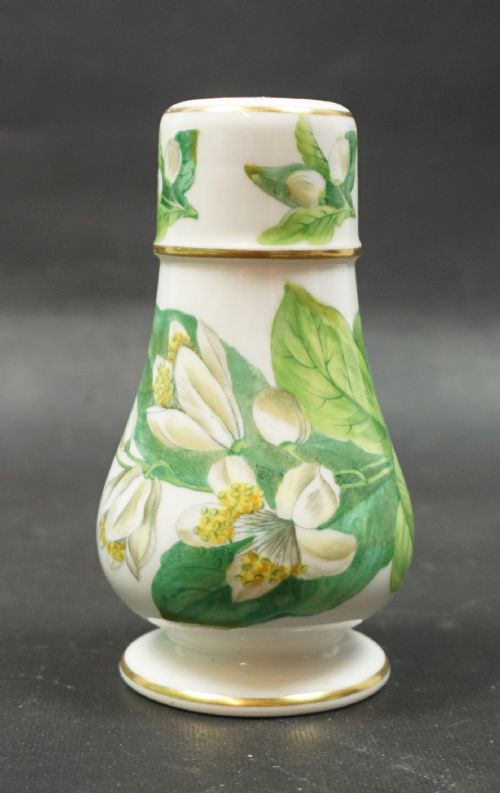
- A small shaker container used to sprinkle sand or gum resin over wet ink to speed up drying. These preceded blotting paper in general usage.
- Sealing wax holder
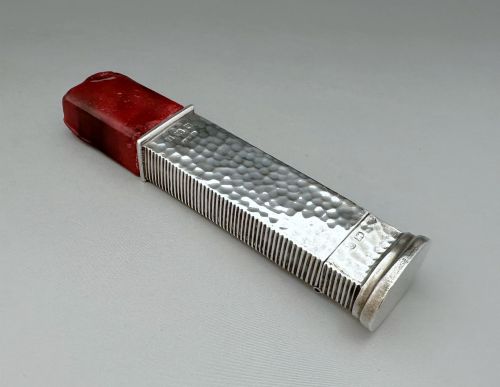
- A specialised desk implement for storing sticks of coloured wax used to seal letters. They often match matching desk seals.
- Dip pen
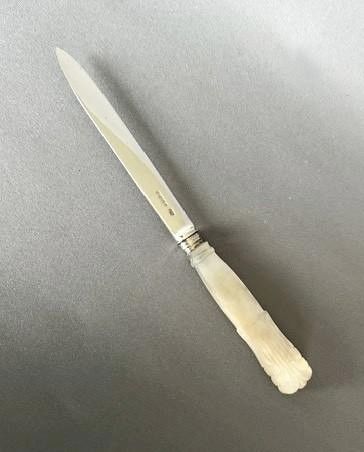
- A writing instrument consisting of a nib mounted on a wooden or metal handle that requires dipping into an inkwell. They predate self-filling fountain pens.
Vintage Writing Desk Accessory: Frequently Asked Questions
How do I clean tarnished silver desk accessories?
Use a non-abrasive silver cloth or gentle cream specifically formulated for precious metals. Avoid harsh chemical dips that damage fitted glass or velvet linings.
Take care around hinges and engraved details to preserve the original patina accumulated over the decades.
Can I still use antique inkwells for writing?
Many glass and ceramic inkwells remain fully functional for modern fountain pen use. Check the interior for cracks or chips that might leak liquid.
Rinse the reservoir thoroughly before adding fresh ink to prevent chemical reactions with dried residue.
What is the difference between an inkstand and an inkwell?
An inkwell is simply the single vessel that holds the ink. An inkstand is a broader tray or stand that holds one or more inkwells alongside pen rests and sanders.
Larger desk stands often integrate candlesticks or compartments for stamps and sealing wax.
How do I date an Edwardian desk set?
Look for British hallmarks stamped on silver components, which indicate the exact assay office and year of manufacture. Stylistic markers such as clean Edwardian silver or specific Art Nouveau curves also help narrow the timeframe.
Check for maker marks that correspond to active registry dates during the early twentieth century.