




Crystal Inkwell
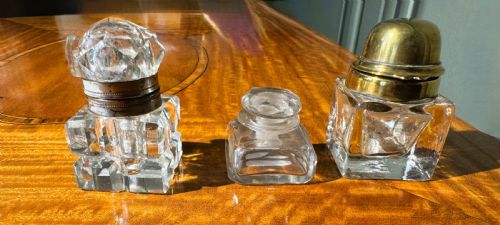
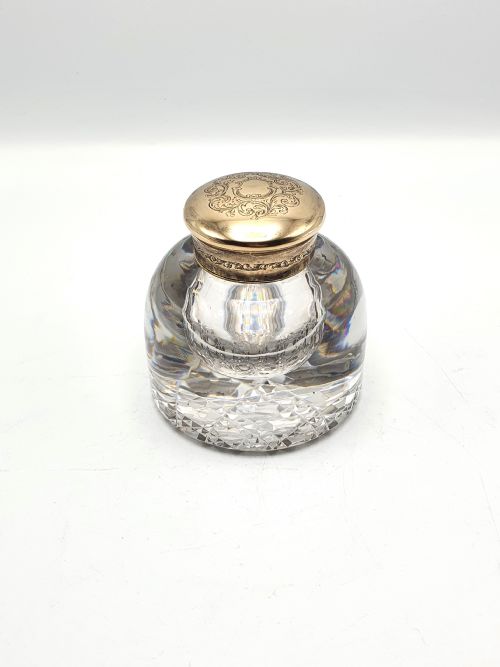
These crystal inkwell pieces combine heavy cut glass reservoirs with precious metal mounts, serving as functional desktop vessels from the Victorian, Edwardian and Art Deco periods.
Crystal Inkwell
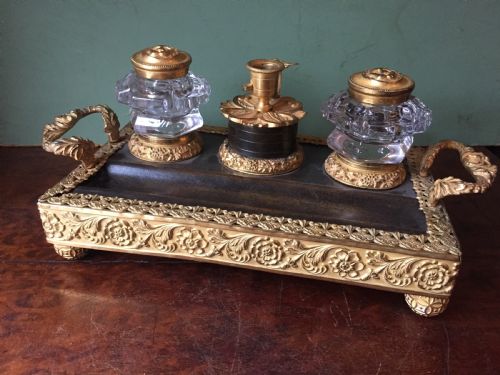
A crystal inkwell is a desk accessory designed to hold writing fluid safely near a pen. You will frequently encounter heavy cut glass reservoirs paired with sterling silver, brass or ormolu mounts spanning the nineteenth and early twentieth centuries.
The selections range from simple desktop pots to elaborate inkstands housing multiple wells, pen trays and dressing table accessories. Pieces often incorporate materials like solid oak, walnut and tortoiseshell alongside the core crystal and silver construction.
Many surviving examples date from the Victorian and Edwardian eras, reflecting a time when handwritten correspondence dominated daily communication. Specialised forms include novelty designs shaped as animals, sleighs or curling stones alongside classical French Empire and Art Deco geometries.
Materials and Construction
Makers shaped the glass bases using deep facet cutting, hobnail patterns or delicate engraving to catch the light on a desk. These heavy crystal reservoirs were then fitted with hinged lids cast from sterling silver, brass, ormolu or gilded bronze.
Metal components often received hallmarks to record the year and assay office, while decorative additions included guilloche enamel, tortoiseshell or figural castings with glass eyes. Wooden stands utilised solid oak or walnut fitted with brass mounts to anchor the glass pots securely.
Listings feature items spanning the Victorian, Edwardian, and Art Deco periods, utilising cut glass, sterling silver, brass, and ormolu.
Distinguishing Quality
The refinement of the glass cutting and the weight of the crystal set the standard for a superior piece. Sharp, crisp facets and heavy, clear metal indicate higher craftsmanship than pressed glass alternatives.
The complexity of the metal mount further separates standard desk accessories from exceptional objects. Detailed figural castings, heavy gauge sterling silver lids, and branded maker signatures elevate certain items significantly.
Tiffany and Co·Asprey·Harrods·Cartier·John Grinsell and Sons·Vickery London
The Crystal Inkwell Glossary
- Crystal
- A high-clarity form of glass containing lead oxide, which increases brilliance and weight. This material allows for deep, sharp facet cutting.
- Guilloche enamel
- A decorative technique where a precise geometric pattern is mechanically engraved beneath a translucent coloured enamel layer. It frequently appears on Edwardian and Art Deco lids.
- Ormolu
- Finely ground high-carat gold applied to a bronze base using mercury amalgamation. This decorative coating gives a rich golden finish to French Empire mounts.
- Hobnail cut
- A protruding, diamond-shaped decorative pattern cut into the surface of glassware. It creates a tactile, highly reflective texture across the crystal body.
- Hallmark
- A series of official marks stamped onto precious metal items to guarantee purity and origin. These symbols reveal the assay office, metal standard and year of production.
Crystal Inkwell: Frequently Asked Questions
How do I date a crystal inkwell?
Dating relies primarily on the metal hallmarks stamped onto the silver lids or mounts, which record the assay office and exact year of production. Stylistic clues such as Art Deco geometries or Victorian florid engraving also help narrow down the era.
Construction details, including the depth of the glass cutting and the presence of makers' signatures, provide additional context. Comparing the piece against documented examples from makers like Cartier or Asprey confirms the period.
How were crystal inkwells used?
These pieces sat upon writing desks, secretary desks and library tables to supply ink for daily correspondence and record-keeping. Writers dipped their quarks or nibs directly into the central reservoir before penning letters.
Desk stands often incorporated pen rests, stamp boxes, or glue pots alongside the inkwell itself. Novelty designs transformed this everyday desk accessory into a decorative conversation piece.
How do I care for a crystal inkwell?
Gentle cleaning is essential to preserve both the glass clarity and the delicate metal mounts. Warm water and mild soap remove dried ink residue from the interior without harming the crystal or silver.
Avoid submerging pieces that feature wooden bases or glued components to prevent warping or loosening. Polish silver mounts sparingly with a soft cloth to maintain their finish without wearing away hallmarks.