




Vintage Woven Rug
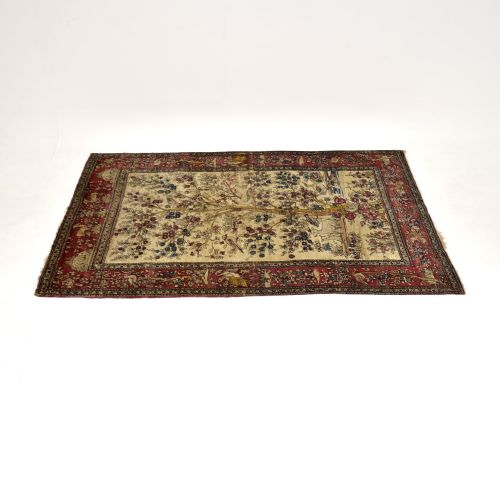
When you search for a vintage woven rug, you are looking at floor textiles spanning Persian tribal to Tibetan styles from the nineteenth and twentieth centuries.
Vintage Woven Rug
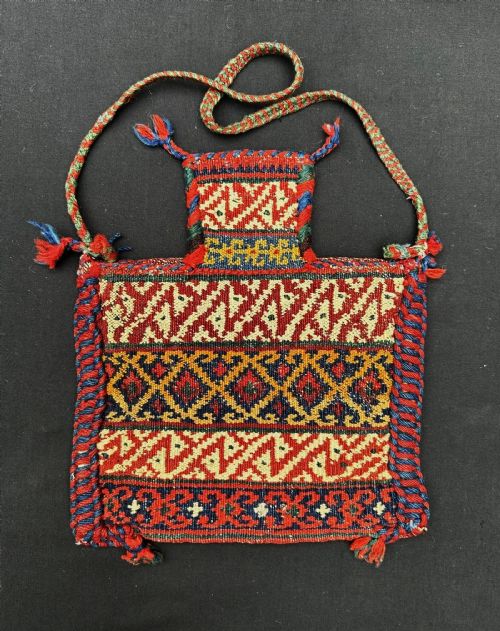
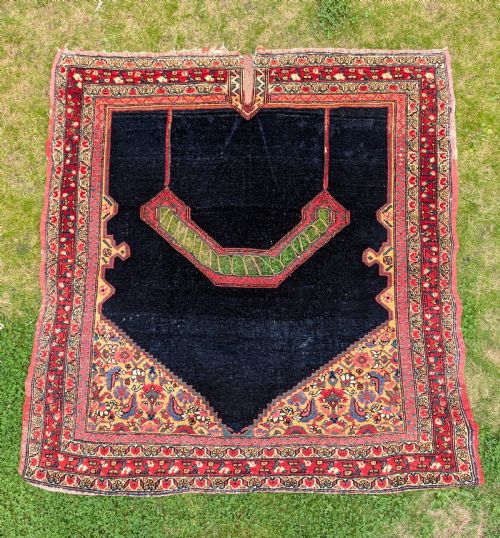
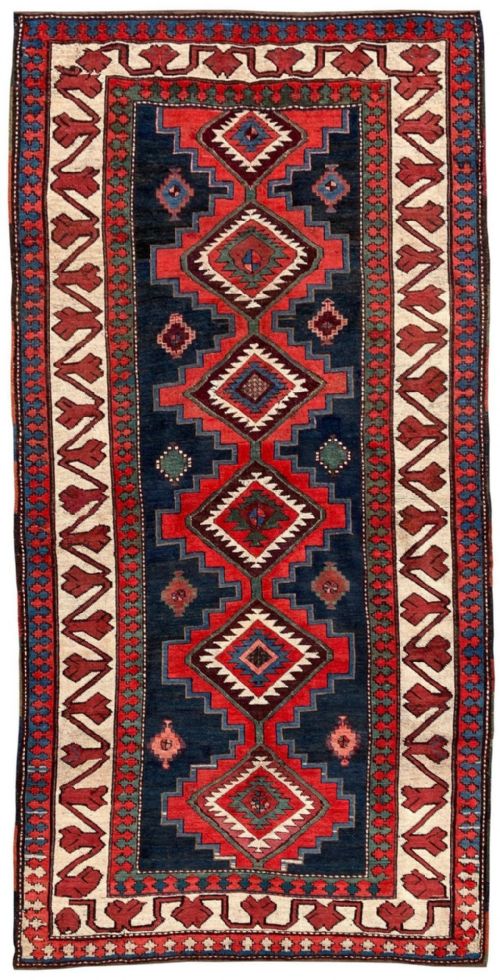
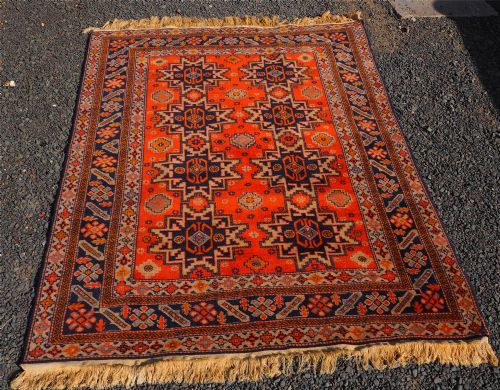
A vintage woven rug brings floor coverings and wall textiles into the home, including large carpets, runners, saddle covers and tribal bags. The selection ranges from nineteenth century pieces to examples from the 1930s.
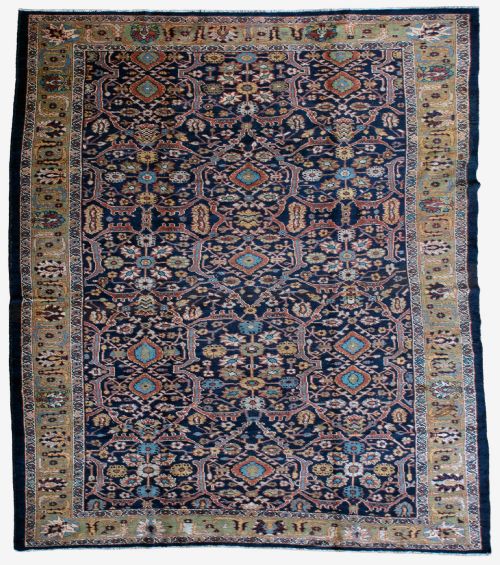
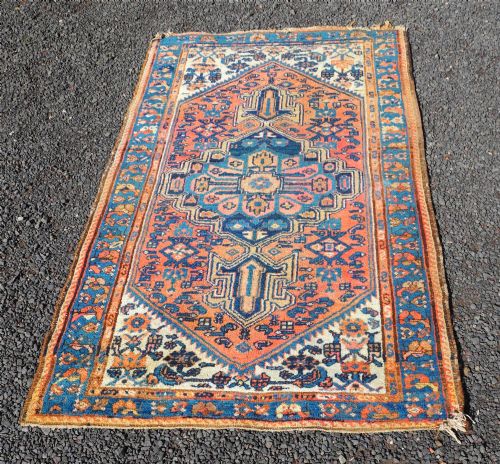
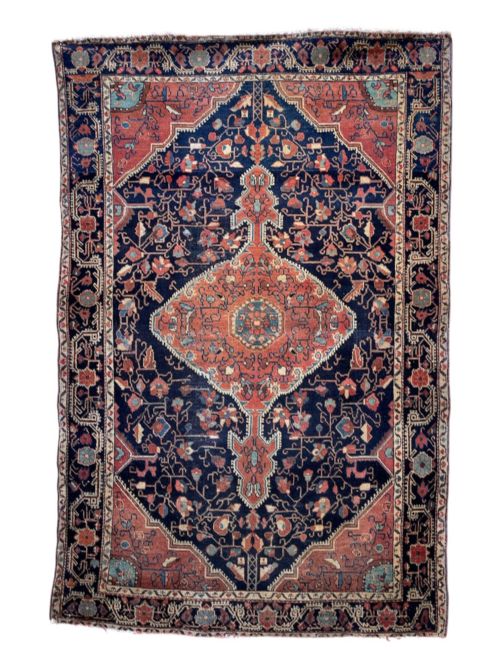
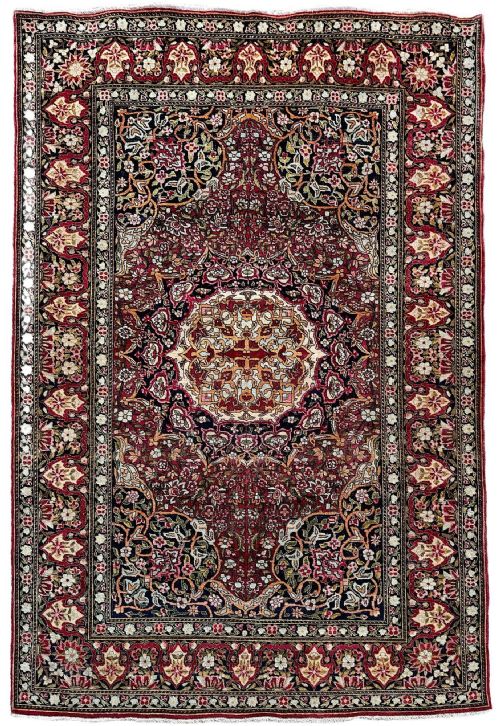
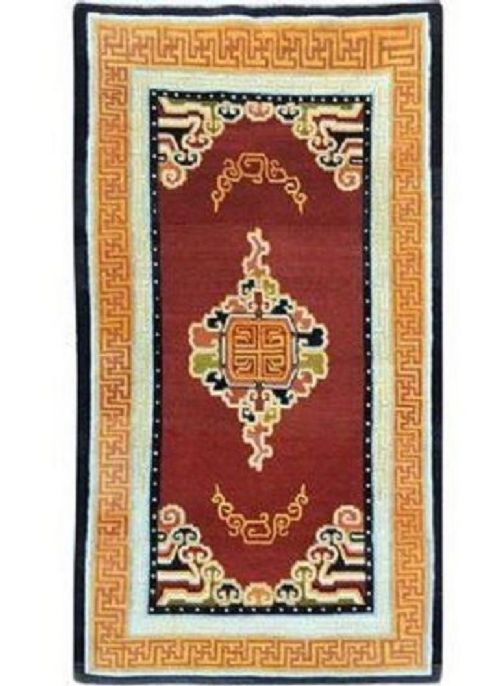
Most items on this page originate from Persian, Caucasian, Anatolian, and Tibetan weaving traditions. Common forms include village rugs, tribal carpets, and kilims.
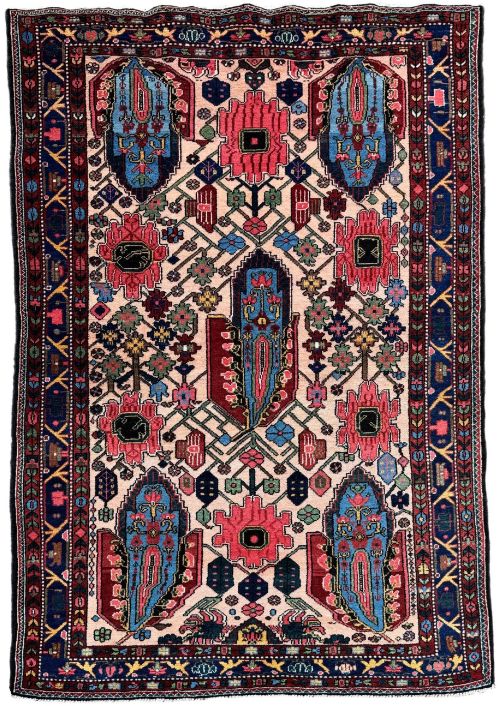
Buyers encounter regional names such as Heriz, Kazak, Afshar, and Hamadan. These pieces reflect the specific design vocabulary of their respective origins.
Materials and construction
Makers utilised wool, hand-spun wool, cotton, and occasionally silk highlights to build these textiles. Some pieces incorporate glass beads for ornamentation.
Construction relies on hand-weaving techniques, resulting in pile rugs and flatwoven kilims. Artisans knotted or wove these materials on traditional looms using dyed animal fibres.
Vintage Woven Rug Retail Price Guide 2026
Typical asking prices for vintage woven rug among the pieces listed under this phrase on Sellingantiques today, from the lower quarter to the upper quarter. They describe what is for sale here now, not the wider market.
Materials recorded across the inventory include wool, hand-spun wool, cotton, silk, and glass beads.
What separates the grades
Quality depends on the fineness of the weave, the handling of the materials, and the precision of the tribal design. Hand-spun wool and balanced proportions distinguish finer examples from standard production.
The integrity of the structural weave and the complexity of regional motifs determine the standing of each piece. Condition and material purity guide the assessment.
Afshar Nomads·Ersari Turkmen
The Vintage Woven Rug Glossary
- Kilim
- A flatwoven carpet or rug produced without a pile. These pieces rely on interlocking weft threads to create geometric patterns.
- Pile
- The upright yarn loops or tufts forming the soft surface of a rug. It stands above the foundation weave.
- Runner
- A long, narrow carpet format designed for hallways or corridors. These textiles stretch significantly in length compared to their width.
- Weft
- The horizontal threads passed through the vertical warp threads on a loom. They hold the foundation of the textile together.
Vintage Woven Rug: Frequently Asked Questions
How do I clean an old wool rug?
Maintenance requires gentle vacuuming without a rotating brush to protect the pile and foundation fibres. Professional textile washing is recommended for deeper cleaning.
Avoid harsh chemical detergents and excessive moisture. Proper drying prevents shrinkage and fibre degradation.
Where were these rugs made?
Origins span across Persia, the Caucasus, Anatolia, and Tibet. Specific regions include Kerman, Hamadan, and Shirvan.
Weaving traditions developed locally, yielding distinct motifs for each tribal group or village.
How do I identify a tribal design?
Tribal designs feature geometric medallions, repeating animal motifs, and stylized floral elements passed down through generations. These patterns reflect the cultural heritage of the makers.
Symmetric and asymmetric knots help attribute pieces to specific areas like the Caucasus or South Persia.
Can these rugs be used in high traffic areas?
Sturdy wool construction allows many of these textiles to handle regular foot traffic in hallways and living rooms. Runners and heavy carpets suit corridors and communal spaces.
Finer silk-highlighted or delicate antique pieces benefit from placement in lower traffic rooms to preserve their condition.