

Vintage Woven Cane Chairs
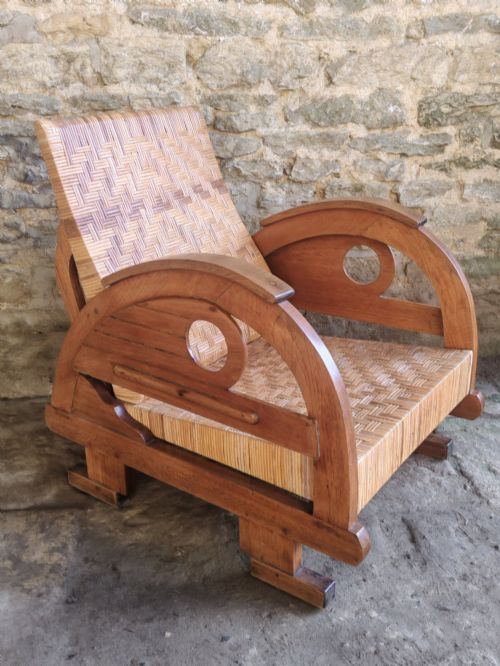
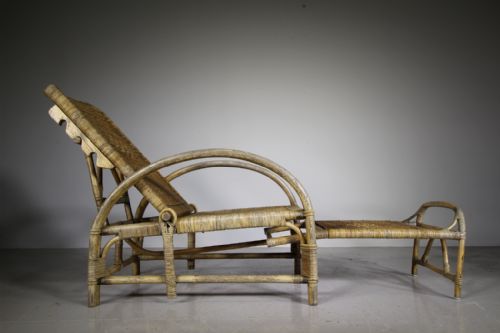
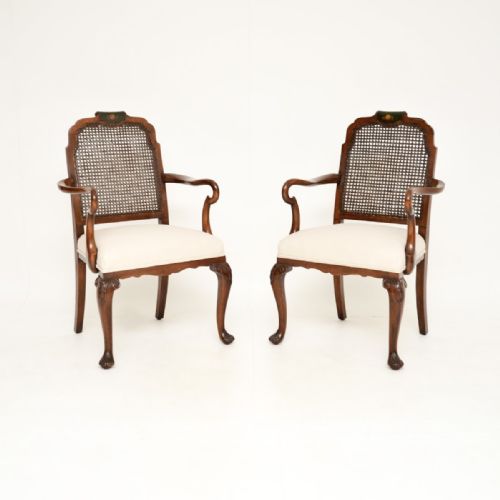
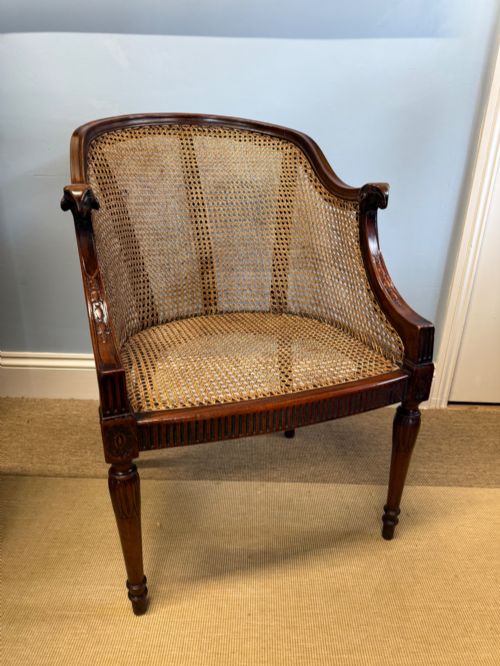
These vintage woven cane chairs bring natural texture and relaxed seating to a room, ranging from robust oak frames to elegant mahogany designs.
Vintage Woven Cane Chairs
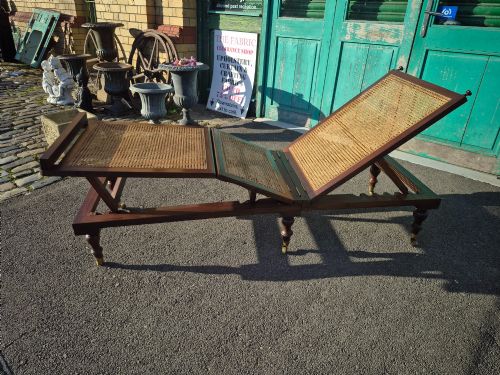
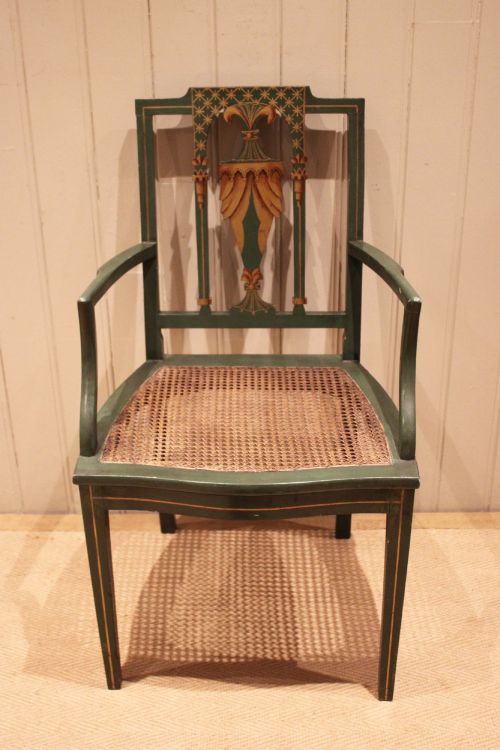
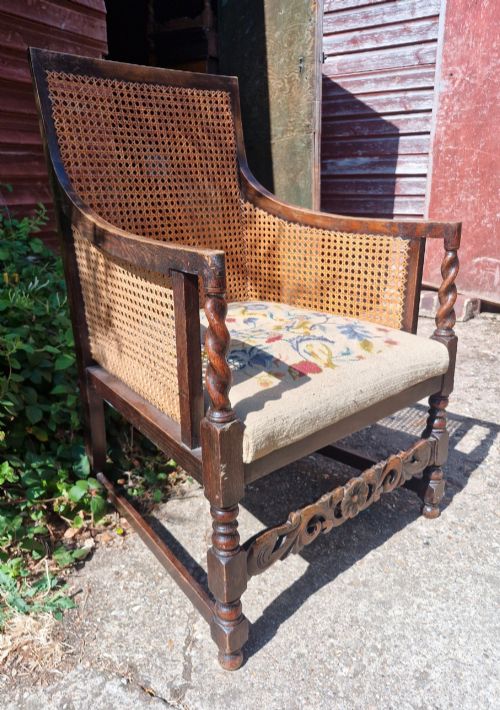
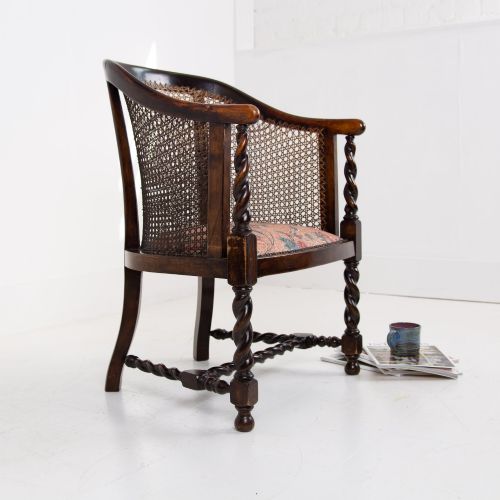
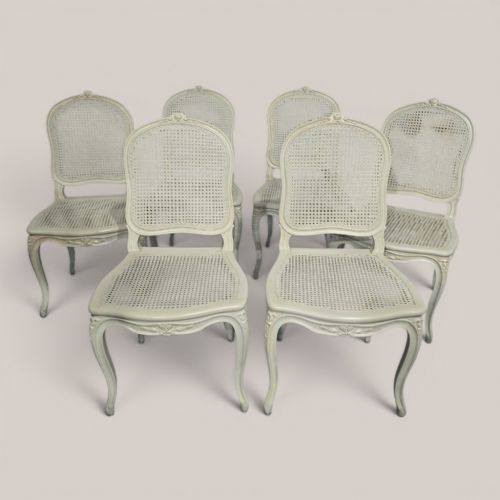
Vintage woven cane chairs span diverse seating forms, from comfortable armchairs and bergères to dining chairs, rocking chairs, and daybeds. Buyers searching this phrase encounter examples originating across the nineteenth and twentieth centuries, reflecting changing domestic habits.
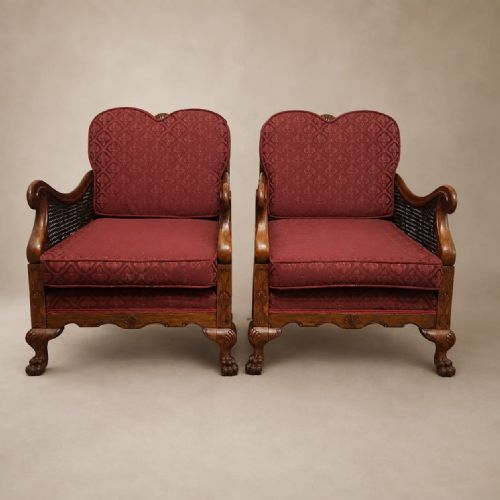
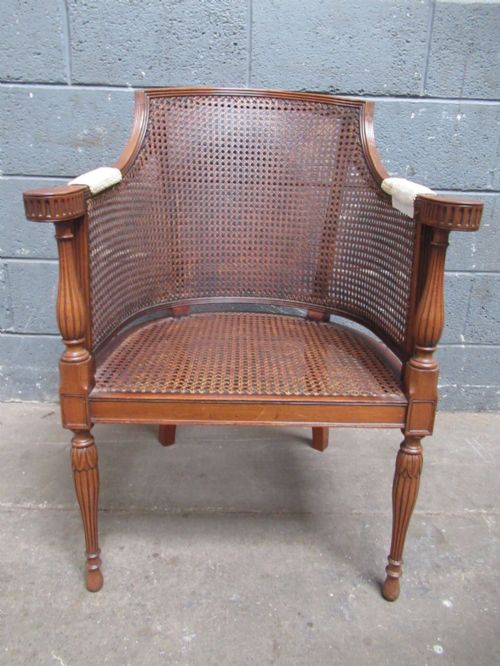
Most frequently, one meets early twentieth-century bergère armchairs alongside utilitarian rocking chairs and folding campaign seats. These versatile forms suit modern living spaces just as well as traditional interiors.
Materials and construction
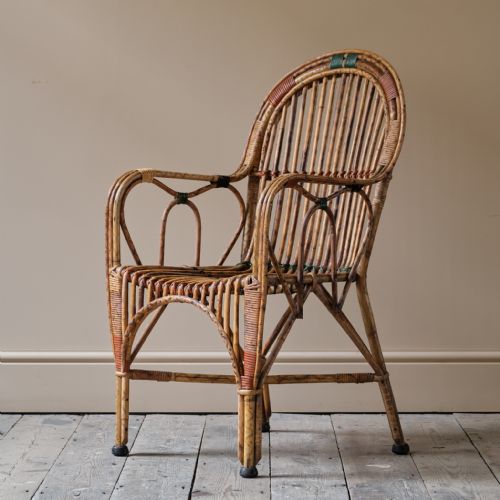
The construction relies heavily on durable natural materials, pairing flexible cane and rattan for seats and backs with solid hardwood frames. Mahogany, oak, walnut, and teak provide structural integrity while rattan and cane form the pliable woven surfaces.
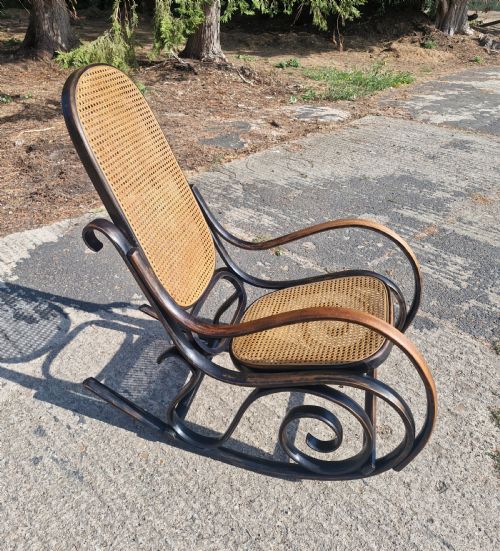
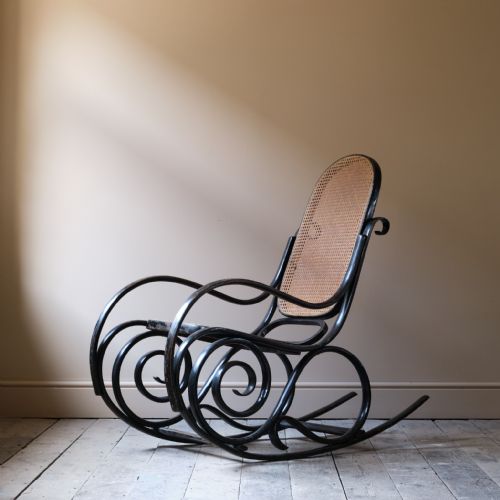
Craftsmen utilised traditional joinery methods alongside bentwood techniques to shape curved arms and frames. Brass hardware occasionally appears on campaign styles, while painted and lacquered finishes decorate specific revival models.
Several pieces double as rocking chairs, proving that nineteenth-century designers understood the soothing power of a gentle afternoon sway.
Assessing quality in construction and material
Quality rests on the tightness and regularity of the weaving, alongside the density and seasoning of the framing timber. Denser hardwoods like mahogany and ebony offer superior durability compared to lighter secondary woods.
Execution of carved details and the retention of original painted or polished surfaces distinguish finer workshop output from simpler utilitarian seating. The integrity of the cane work dictates the overall structural resilience.
Angraves of Leicester·Dryad of Leicester·Dryad & Co
The Vintage Woven Cane Chairs Glossary
- Bergere
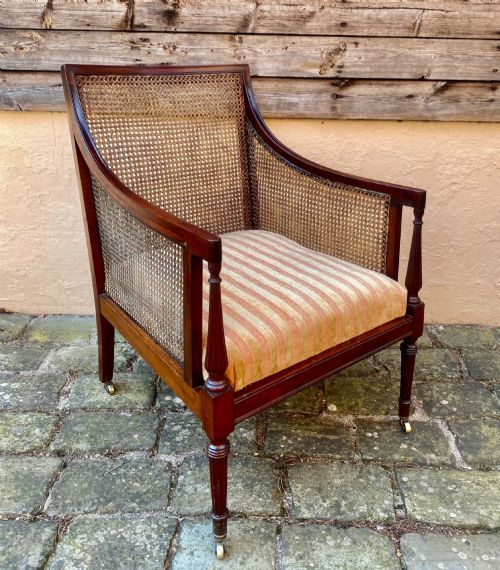
- An enclosed upholstered armchair featuring woven cane sides and back panels. This classic French form dates back to the eighteenth century but appears frequently in later revivals.
- Cane
- Strips of peeled rattan palm woven into intricate patterns to form seats and chair backs. It provides flexible, breathable support.
- Rattan
- A climbing palm species utilised whole for sturdy structural framing or split into fine ribbons for weaving. It combines lightness with remarkable tensile strength.
- Campaign style
- Portable folding furniture designed for military officers on the move during the nineteenth century. These pieces feature clever hinges and collapsible frames.
- Bentwood
- Wood softened through steaming and then bent into curved structural forms without traditional joinery. This technique defines many twentieth-century rocking and armchairs.
Vintage Woven Cane Chairs: Frequently Asked Questions
How do I care for cane seats?
Keep woven cane seats moist by wiping them occasionally with a damp sponge to prevent the natural fibres from becoming brittle and snapping.
Avoid placing these chairs near direct heat sources or dry radiators, which rapidly dry out the rattan and weaken the weave.
Are these chairs sturdy enough for daily use?
Solid hardwood frames built with traditional joinery offer robust support for regular seating.
However, delicate woven panels require sensible care and benefit from occasional weight distribution rather than heavy concentrated pressure.
How do I identify an Edwardian bergere?
Edwardian bergere chairs typically feature substantial mahogany or walnut frames combined with closely woven split cane panels around the back and arms.
Stylistic cues often draw on French eighteenth-century revivals, balancing comfortable upholstered cushions with exposed polished timber.
What is a plantation chair?
Plantation chairs are designed for tropical climates, featuring deep seats and remarkably long, extending arms meant for resting tired legs.
Constructed from hardwoods like teak or mahogany, they often incorporate cane panels to maximise air circulation in warm weather.