
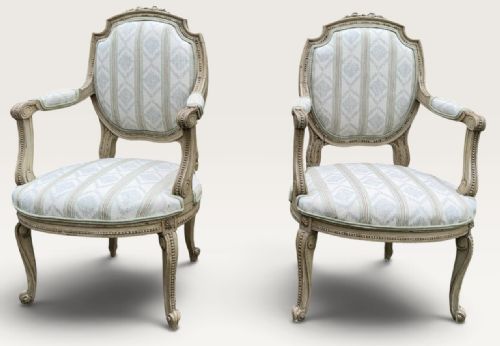
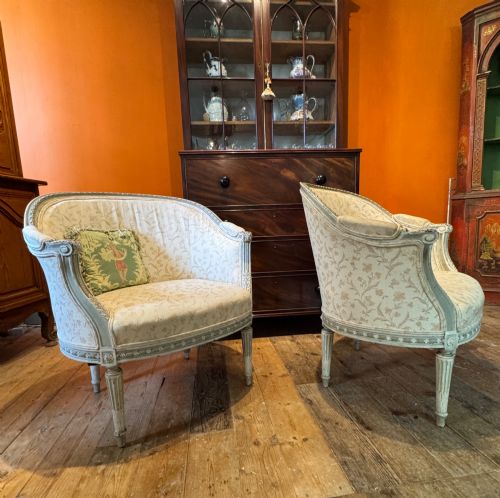
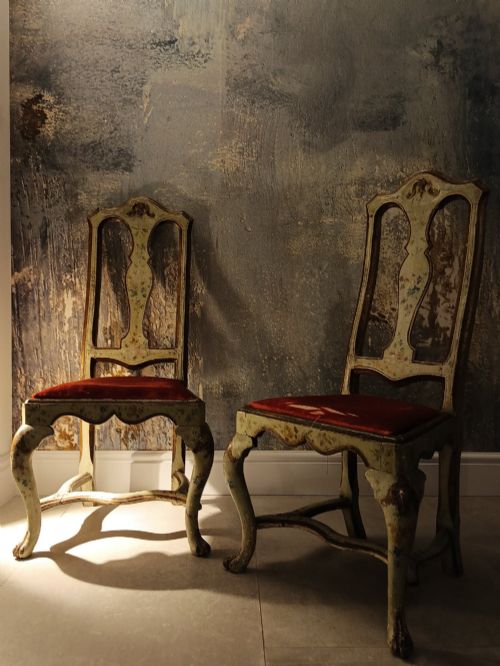
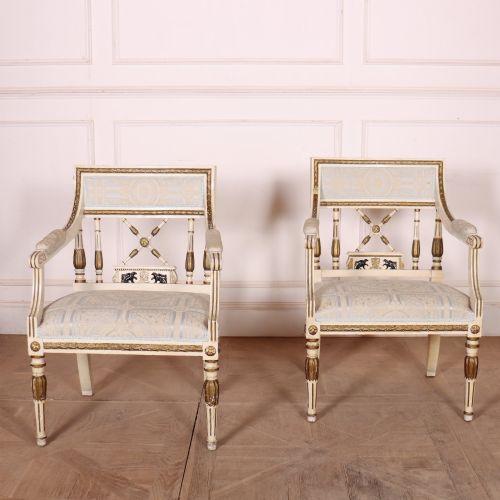
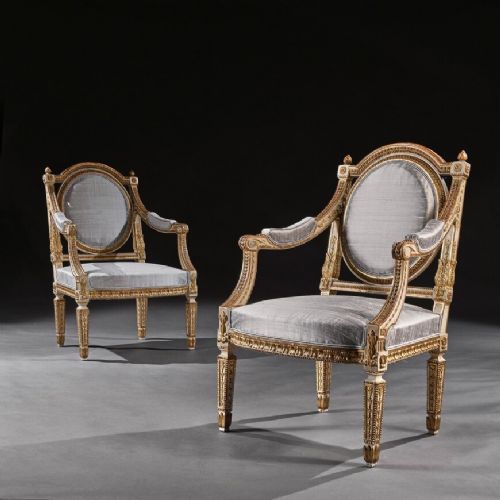
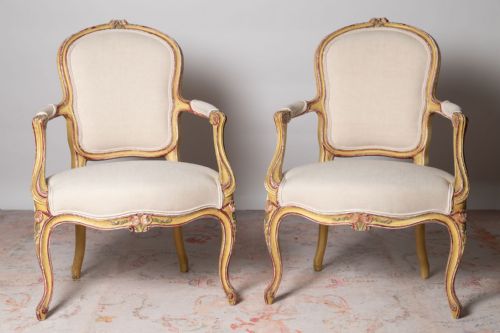
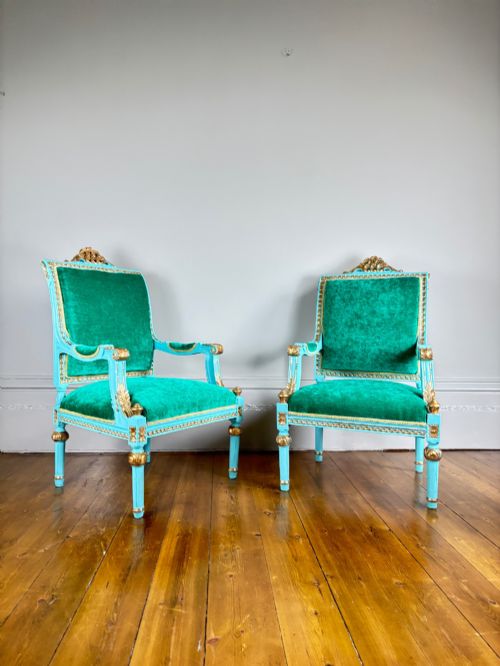
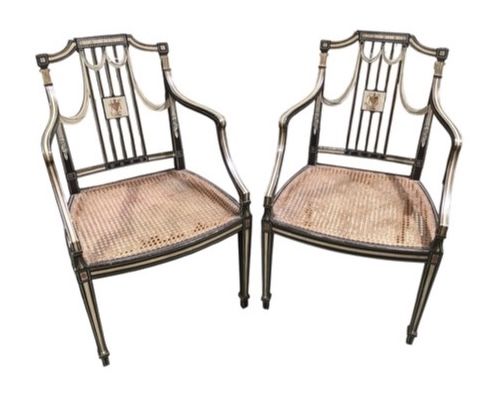

Pair Painted Accent Chairs
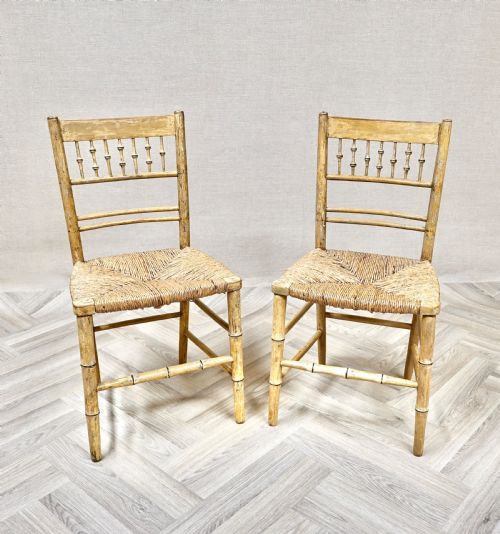
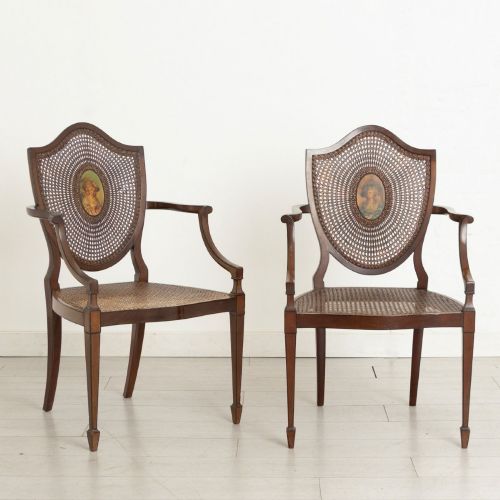
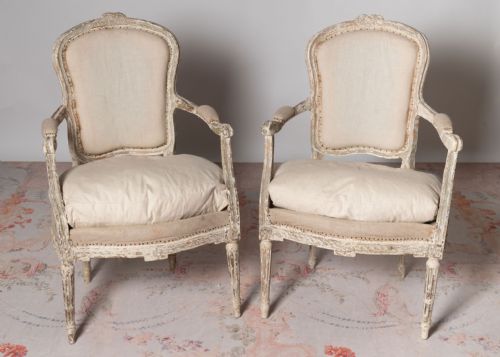
Pair painted accent chairs bring character and a decorative edge to a room, offering matching seating with aged surfaces.
Pair Painted Accent Chairs
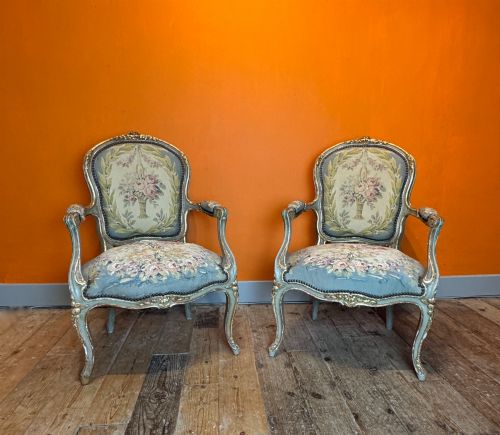
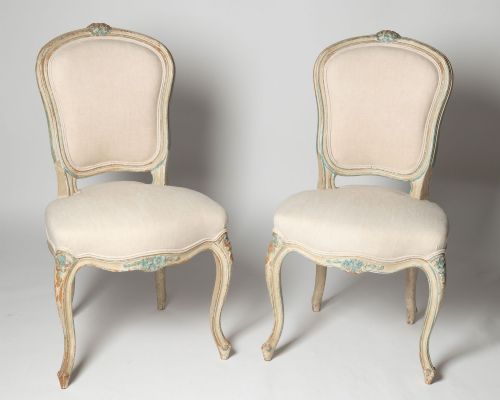
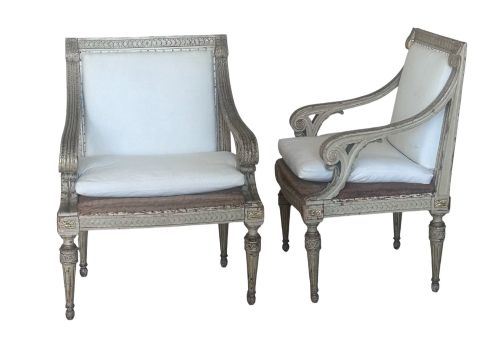
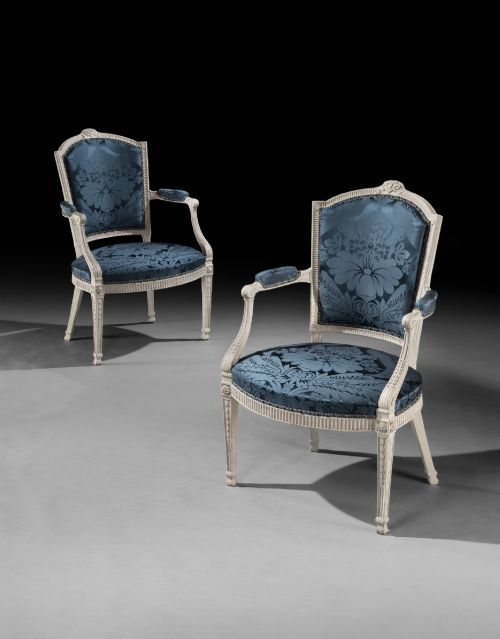
Pair painted accent chairs bring matching seating and decorative colour to a room through forms that span armchairs, side chairs and hall chairs. Buyers seeking pair painted accent chairs will frequently encounter French designs alongside Italian, Swedish and English examples.
The selection ranges from eighteenth century North Italian side chairs and George III pieces through nineteenth century French fauteuils to early twentieth century Regency style chairs. These items function as focal points in a drawing room, bedroom or hallway.
Makers and workshops across Europe produced these matched seating arrangements in various regional interpretations of classic furniture styles. Each set displays the distinct decorative painting traditions of its origin period.
How they were made
Makers utilised woods such as beech, oak, satinwood and cane as foundations for layered paint, gesso and parcel gilt finishes. Many pieces retain original paint surfaces that show decades of gentle ageing and wear.
Structural joinery combined carved wood elements with woven cane panels or upholstered pads covered in fabric, tapestry or velvet. Iron work also appears in specific regional French outdoor or garden style seating variants.
Heraldic shield backs on nineteenth century hall chairs let guests sit straight while contemplating their noble lineage.
What varies in quality
The sophistication of the carved detail and the integrity of the original paint surface determine the standing of each piece. Finer examples display crisp carving, balanced proportions and harmonious gilding that complement the painted base.
The harmony of the matching pair and the authenticity of the upholstery materials further distinguish higher grade items. Consistency in wear between both chairs maintains the visual balance expected in matched decorative seating.
White, Allom & Co.
The Pair Painted Accent Chairs Glossary
- Fauteuil
- An open-framed upholstered armchair with wooden arms, originating in France during the seventeenth century. These chairs typically feature exposed painted or gilt wood frames.
- Bergere
- An enclosed upholstered armchair with a solid back and sides, often incorporating cane work or fitted cushions. This comfortable seat style became popular in eighteenth century France.
- Parcel Gilt
- A surface decoration technique where specific carved details or highlights are partially gilded with gold leaf over a painted or gesso ground. This method accentuates architectural mouldings.
- Gesso
- A plaster mixture applied to wood surfaces to create a smooth base for painting or gilding. Skilled artisans modelled intricate reliefs onto this compound.
- Chinoiserie
- European decorative style imitating Chinese artistic motifs and painting techniques, popular on eighteenth and early twentieth century furniture. These designs often feature scenic landscapes and figures on painted wood.
Pair Painted Accent Chairs: Frequently Asked Questions
Where should I place pair painted accent chairs?
These chairs suit positions where matched seating creates symmetry, such as flanking a fireplace, console table or window. Bedrooms and reception rooms benefit from the decorative impact of dual painted seating.
Their varied heights and open arm designs allow them to sit comfortably in smaller spaces without blocking light or sightlines.
How do I care for original painted surfaces?
Protect the finish by keeping the chairs away from direct sunlight and fluctuating heat sources that can dry out old wood and paint. Dust gently with a dry, soft cloth rather than using liquid polishes.
Original painted surfaces require minimal intervention to preserve their historic character and patina over time.
What is the difference between fauteuils and bergere chairs?
Fauteuils feature open wooden arms with upholstered arm pads, offering a lighter visual presence. Bergere chairs have enclosed sides, traditionally filled with cane work or tight upholstery, providing a more enclosed seat.
Both forms appear frequently within nineteenth and early twentieth century decorative French seating.
How do I identify Louis style influences?
Louis XVI style pieces generally exhibit straight tapered legs, neoclassical carving and geometric medallion backs. Louis XV style items tend to display curved cabriole legs and more fluid rococo shaping.
Revival pieces from later centuries adopted these distinct French design vocabularies with varying degrees of ornamentation.