

Vintage Wooden Server Cabinet
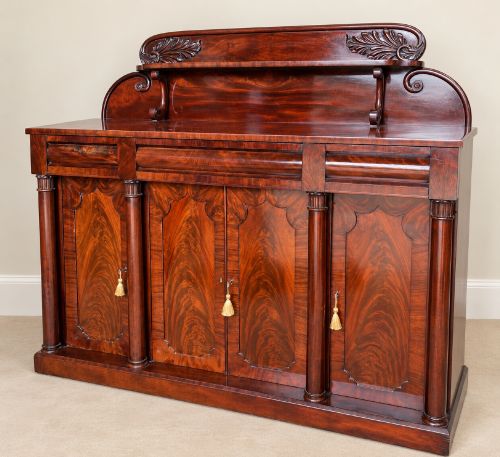
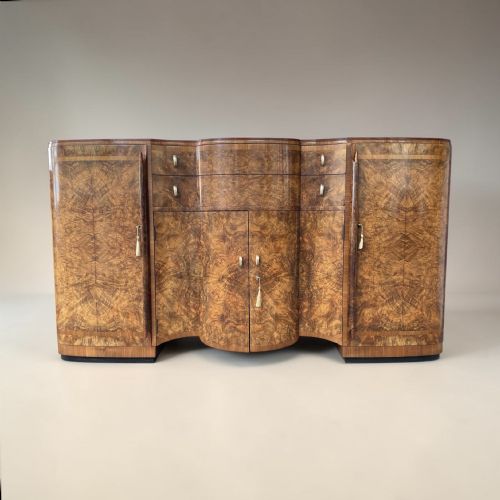
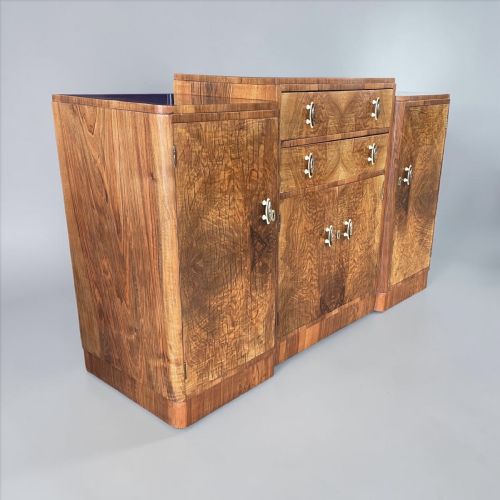
These vintage wooden server cabinet pieces span Victorian, Edwardian, and Art Deco periods, offering functional storage with distinct period character.
Vintage Wooden Server Cabinet
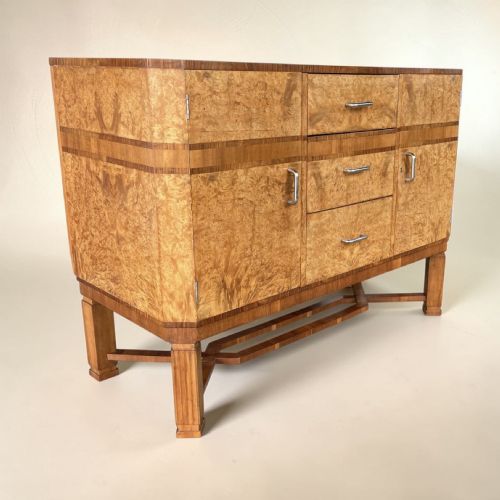
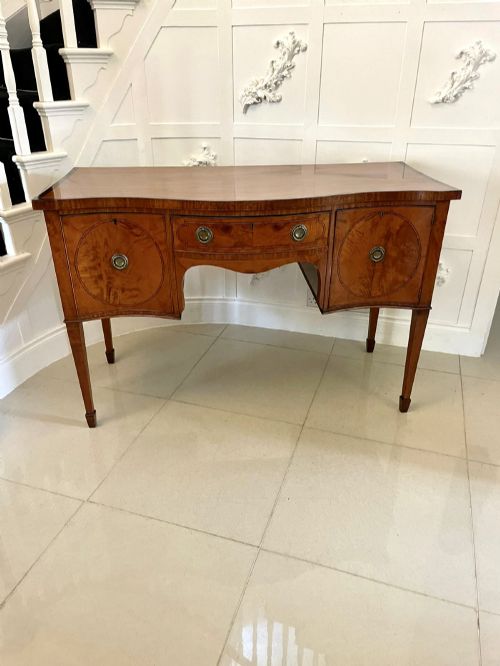
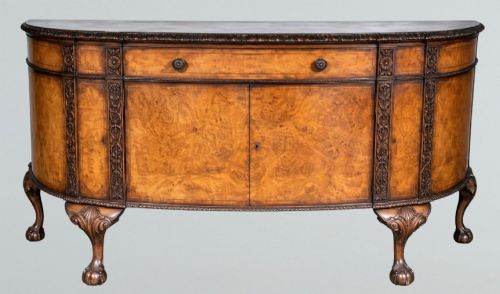
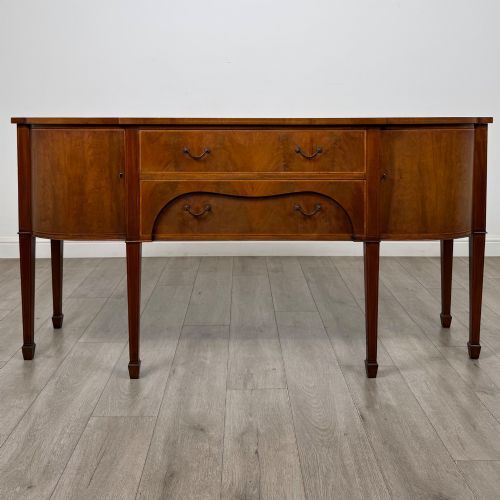
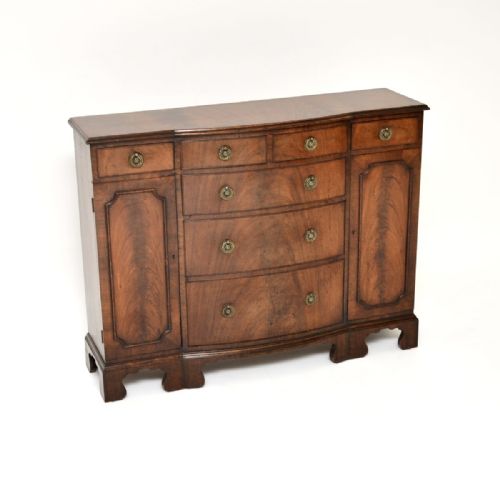
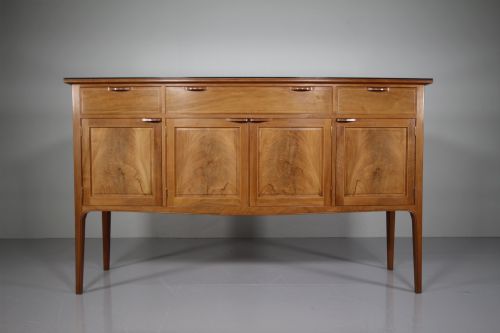
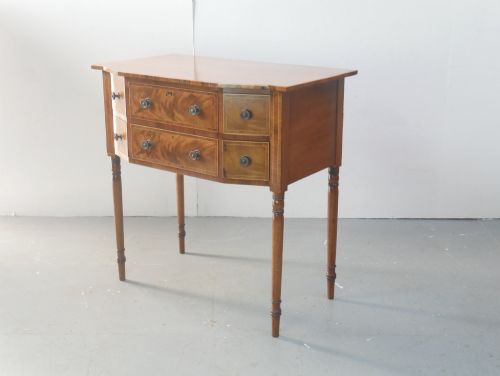
When you search for a vintage wooden server cabinet, you encounter diverse forms including sideboards, chiffoniers, cupboards, and dresser bases. The selection on this page ranges from 19th Century and Georgian pieces up to 1930s Art Deco designs.
Mahogany and oak dominate the offerings, alongside walnut, burr walnut, and satinwood. These items served dining rooms and kitchens historically for storing tableware, linen, and food.
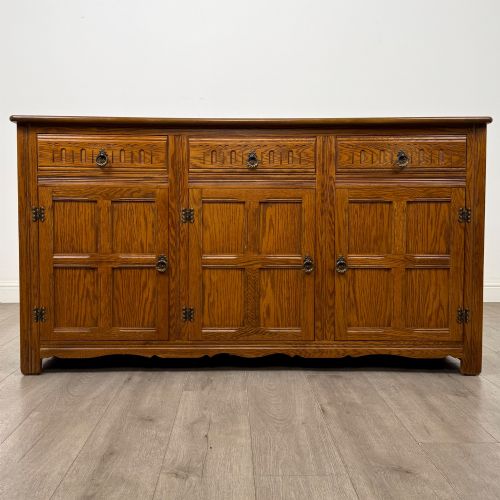
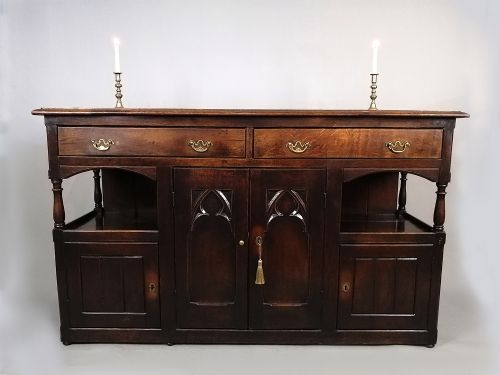
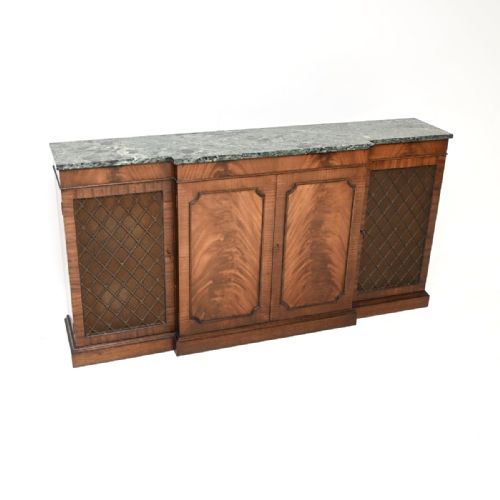
The most common formats on this page are Edwardian golden oak sideboards and mahogany pieces influenced by Regency or Sheraton revival styles. You also find specialised pieces like marble top grill front cabinets and linenfold cupboards.
Materials and construction
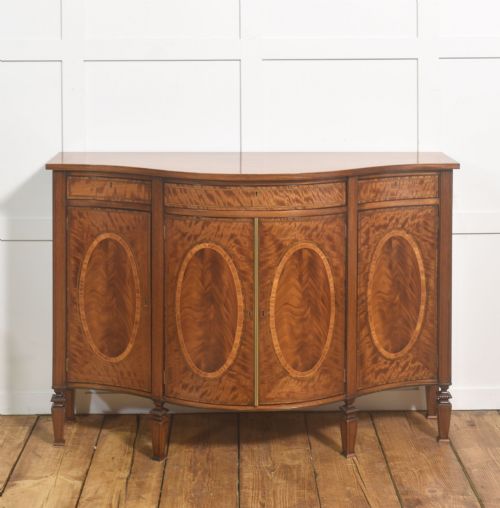
Cabinet makers utilised solid timbers and veneers such as flame mahogany, curl mahogany, and burr walnut over secondary woods. Surfaces often feature polished finishes, wax, or painted details.
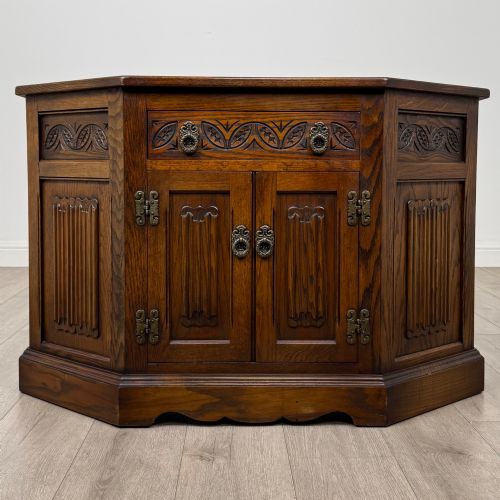
Construction techniques include dovetail joints for drawers, panelled doors utilising linenfold carving, and applied brass or iron hardware. Elements like serpentine shaping and bow-front designs require advanced woodworking skill.
Listings feature oak, mahogany, walnut, and elm pieces spanning from the Georgian era through Victorian, Edwardian, and 1930s Art Deco periods.
Assessing quality and craftsmanship
Quality rests in the selection of timber grain, such as figured mahogany or matched burr walnut veneers, paired with crispness in carved details like oak foliage or geometric panels. Finer examples display harmonious proportions and integrated inlay work.
The integrity of original brass handles, smooth drawer operation, and sound structural joinery separate standard utility pieces from superior workshop productions.
Maurice Adams·Edward Barnsley·Gomme·Whytock and Reid·M. D. Miller and Sons
The Vintage Wooden Server Cabinet Glossary
- Serpentine
- A curved shape featuring a convex centre flanked by concave ends, popular on finer sideboard fronts. This undulating contour demands precise carpentry.
- Bow-front
- A convex, outward-curving front facade common on mahogany and satinwood cabinets. It softens the linear appearance of dining room furniture.
- Linenfold
- A style of wood carving that mimics folded fabric or linen, frequently seen on Edwardian oak cupboards. It creates texture across flat panel doors.
- Chiffonier
- A compact sideboard or cabinet equipped with drawers and shelves, developed during the Victorian period. It functions well in smaller reception rooms.
- Breakfront
- A cabinet design where the central section projects forward from the flanking wings. This architectural arrangement creates depth and visual interest.
Vintage Wooden Server Cabinet: Frequently Asked Questions
What is a vintage wooden server cabinet used for today?
These cabinets serve as sideboards in dining rooms to store tableware, glassware, and serving platters. They also function in living spaces as media consoles or general storage units.
Their substantial timber surfaces provide useful display space for lamps, books, and decorative objects.
How do I distinguish between Victorian and Edwardian cabinets?
Victorian pieces often feature darker mahogany, heavy proportions, and elaborate mirrors or carved backboards. Edwardian examples tend to utilise lighter golden oak or satinwood with simpler, cleaner lines.
Revival styles appear in both eras, so examining the interior construction and secondary woods helps confirm the date.
Where should I place a bow-front cabinet in my home?
A bow-front cabinet suits dining rooms, hallways, or spacious living rooms where its curved facade can be appreciated without obstruction. Because the front projects outward, ensure adequate clearance from doorways and pathways.
Pairing the cabinet with a simple wall mirror or artwork completes the arrangement.
Are Art Deco server cabinets different from earlier styles?
Art Deco pieces from the 1930s embrace streamlined geometry and striking veneers like burr walnut, moving away from historic revival ornamentation. They offer a distinct modernist aesthetic while retaining traditional cabinet-making utility.
Maker attribution stamps occasionally appear on these twentieth-century designs.