


Antique French Dresser Base
An antique french dresser base grounds a room with regional utility, offering substantial storage and heavy timber presence earned through decades of domestic service.
Antique French Dresser Base
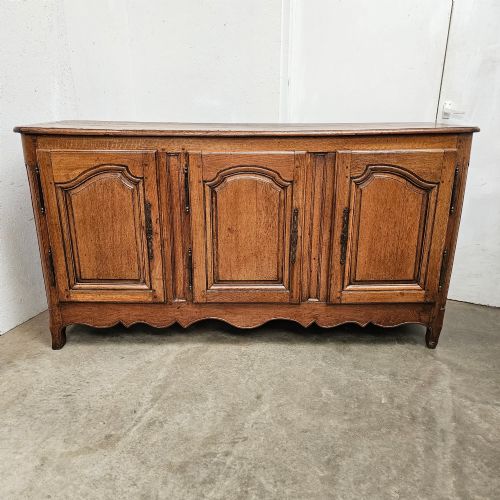
An antique french dresser base provides low-profile storage originally built for provincial kitchens and dining rooms across rural France. Buyers find substantial timber carcasses equipped with generous surface tops and functional drawer or door combinations below.
The most common iterations on this page draw from the eighteenth and nineteenth centuries, spanning regional styles like French Provincial and French Country. These pieces function today as versatile servers, sideboards, or media consoles in contemporary spaces.
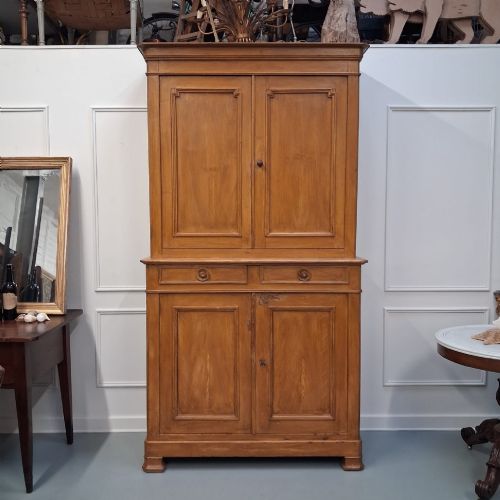
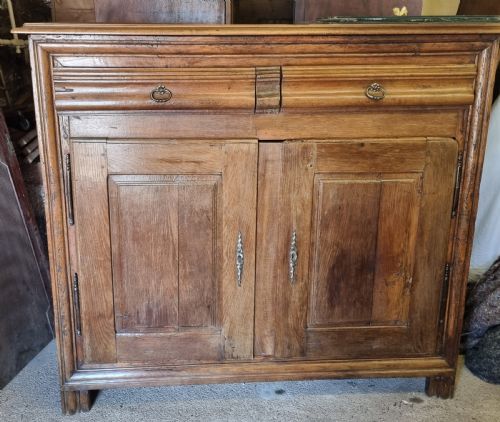
Formations vary from simple two-door cabinets to three-drawer formats and long enfilades. Each piece reflects the straightforward joinery and unpretentious utility demanded by provincial households of the period.
What varies in quality
The distinction between ordinary utility items and exceptional examples rests upon timber selection and regional joinery finesse. Dense burr elm, figured cherrywood, and pale seventeenth or eighteenth-century oak command greater attention than utilitarian pine or later softwood adaptations.
Proportion and structural integrity define the higher tiers of surviving stock. Pieces retaining original hardware, untouched timber patination, and uncompromised internal shelving represent the pinnacle of regional craftsmanship.
Many a provincial housemaid stored daily baking tools inside these very drawers before they crossed the Channel.
The Antique French Dresser Base Glossary
- Dresser base
- A low cabinetry unit featuring drawers or cupboards beneath a wide surface top, designed for serving and storage without an upper plate rack.
- Enfilade
- A long cabinet or sideboard featuring multiple doors in a continuous line, built to hold dining linen and service items.
- Fruitwood
- A dense, fine-grained timber harvested from fruit-bearing trees such as cherry or pear, prized by provincial makers for its warm tone.
- Vaisselier
- A traditional French storage piece associated with displaying and housing tableware and kitchen provisions.
- Provincial
- A design style originating from regions outside the capital, prioritising sturdy utility and regional aesthetic traditions.
Antique French Dresser Base: Frequently Asked Questions
What is an antique french dresser base used for?
These low wooden carcasses served provincial households as primary storage for kitchen provisions, linens, and dining utensils. Today, buyers repurpose them as dining room sideboards, kitchen servers, or media consoles.
The deep surface tops and spacious internal cupboards accommodate modern storage needs while introducing authentic rustic character to a room.
How do I date an antique french dresser base?
Dating relies on examining construction methods, timber choice, and wear patterns across the carcass. Eighteenth-century examples often feature hand-cut peg joinery, pegged panel doors, and wider oak or chestnut boards.
Nineteenth-century pieces frequently introduce machine-sawn elements, cherrywood or fruitwood veneers, and alternative hardware styles while maintaining traditional provincial forms.
What timbers were used to build them?
Provincial makers utilised the hardwoods available in their immediate geographic regions. Oak, elm, chestnut, cherrywood, and fruitwood appear most frequently across these listings, selected for structural durability.
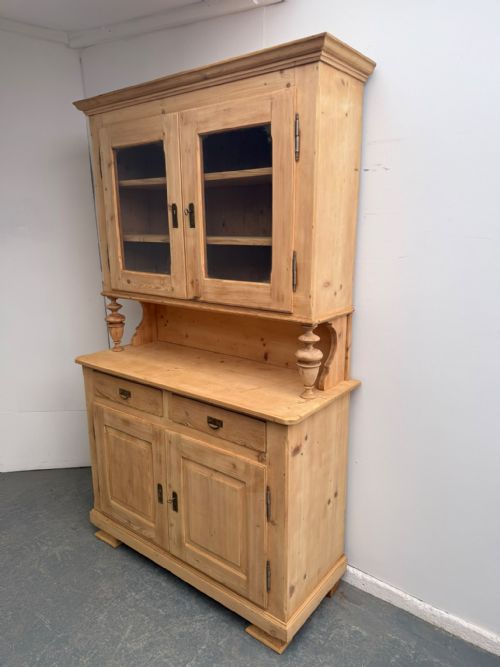
Permanent utility items were also constructed from pine and painted wood, particularly in nineteenth-century country workshops.
How do I care for a painted wooden surface?
Maintain painted or waxed timber surfaces by dusting regularly with a soft, dry cloth. Avoid chemical sprays and excessive moisture that might degrade historic finishes.
Apply a microcrystalline wax sparingly when the wood appears dry to protect the original patina against daily wear.