



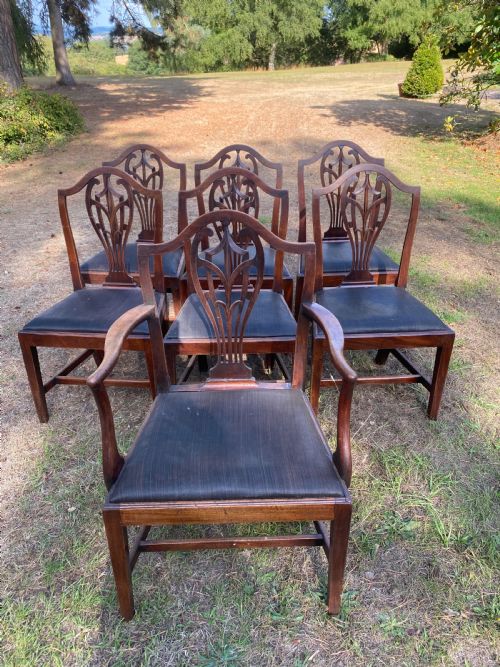
Vintage Wooden Carver Chair
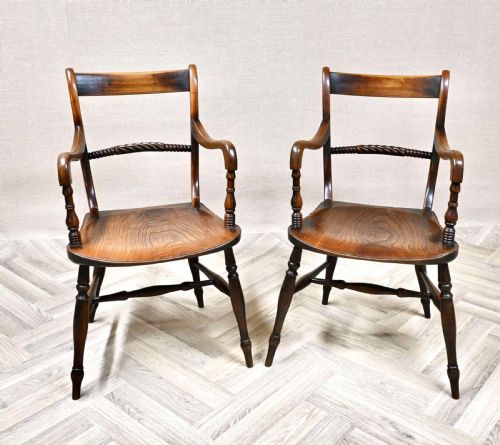
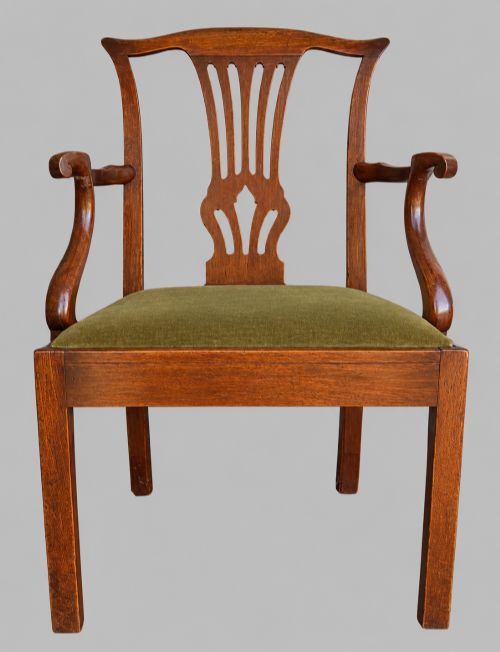
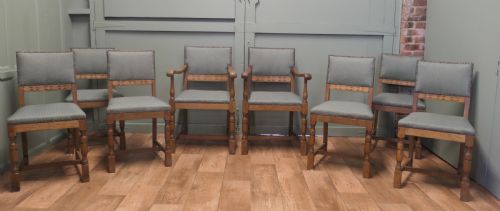
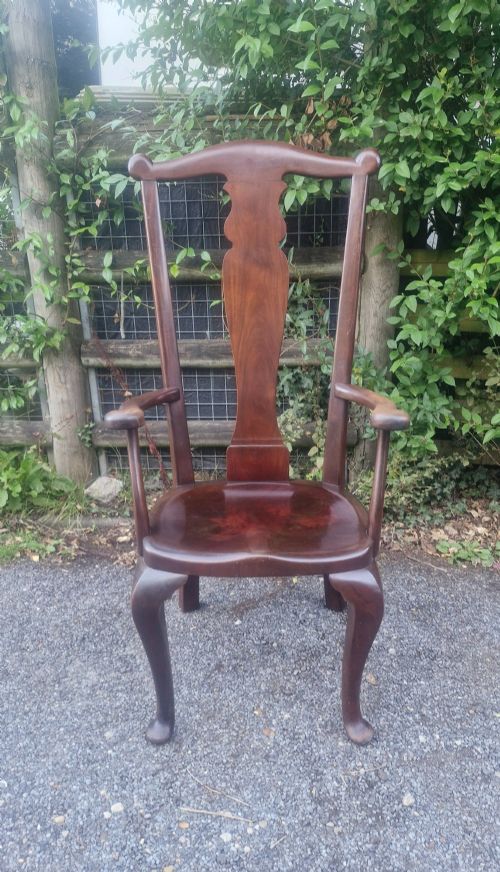
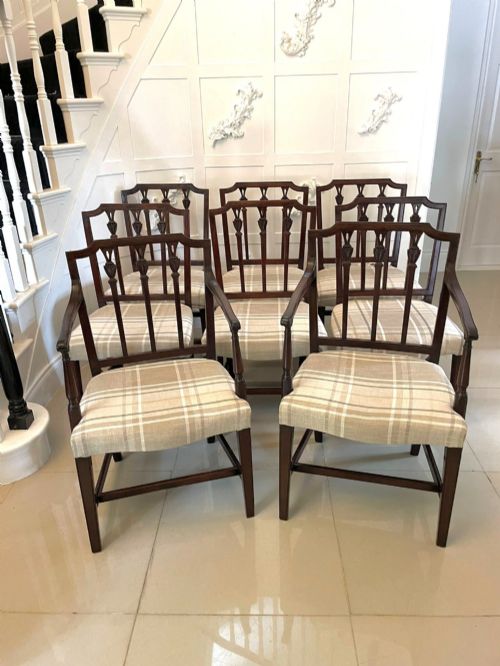
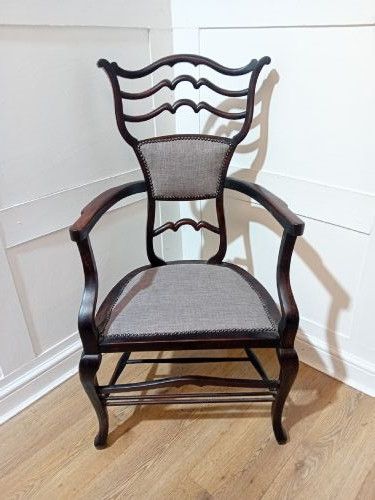
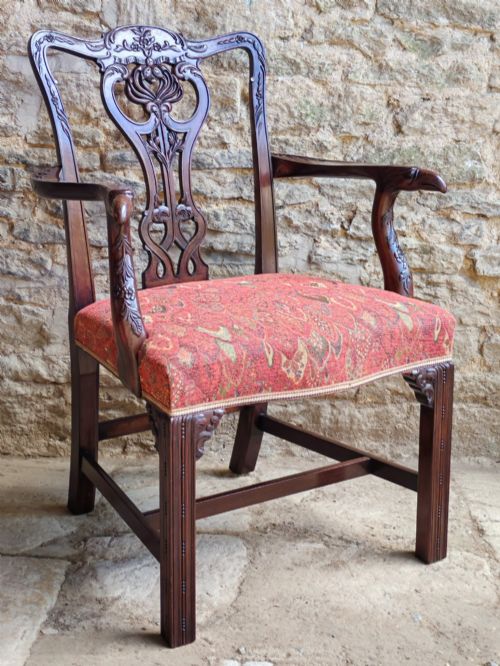
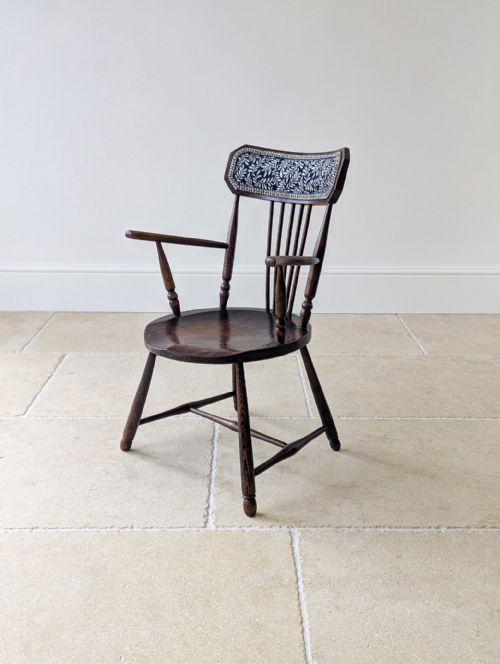
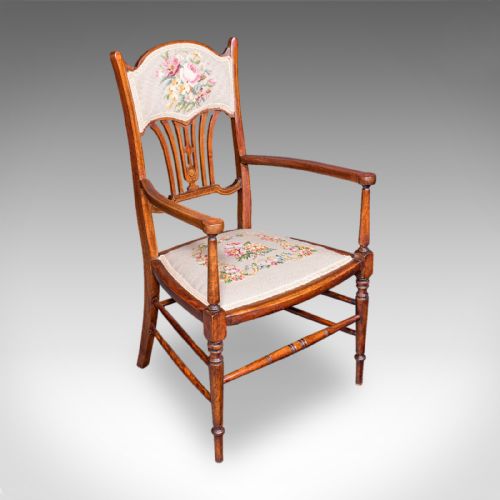
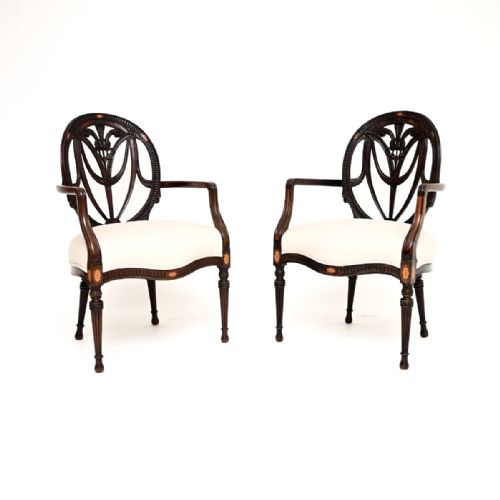
These vintage wooden carver chairs bring sturdy form and traditional craftsmanship to any room, offering the structured support of integrated armrests.
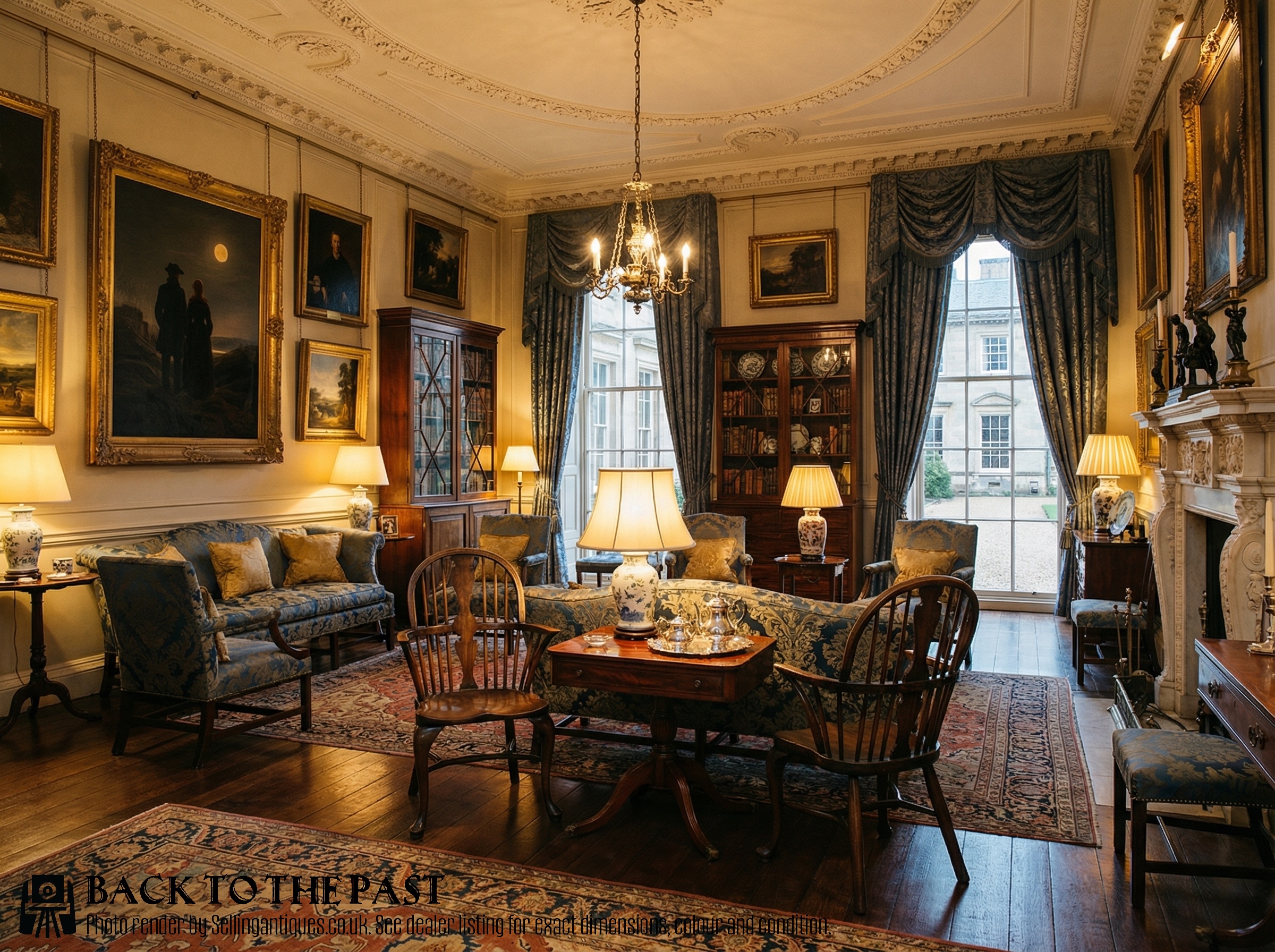
Vintage Wooden Carver Chair
A vintage wooden carver chair combines the main seat of a dining or desk set with supportive armrests on either side. These chairs serve functional seating roles in dining rooms, studies, and country houses.
The selections span multiple periods from the eighteenth century through to the nineteen-thirties. Victorian, Edwardian, and Regency examples sit alongside earlier vernacular designs.
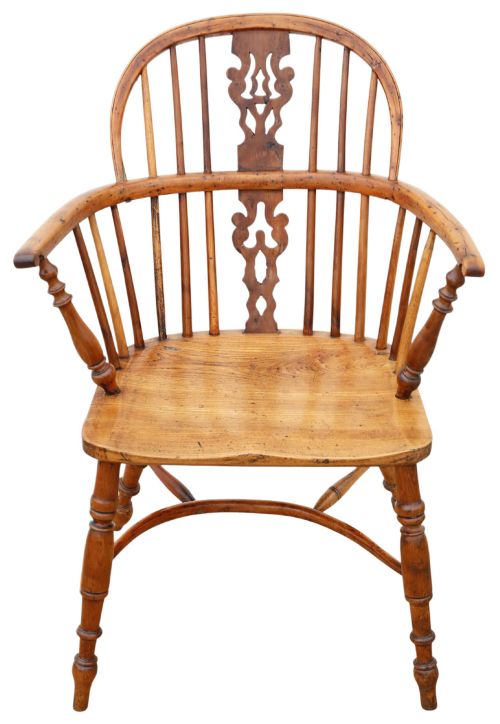
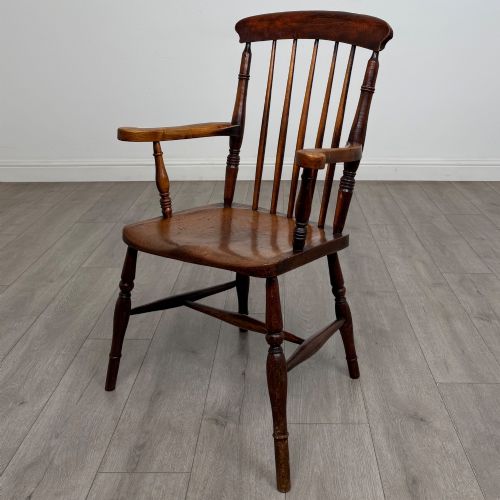
Common forms include Windsor styles, shield back dining chairs, stick backs, and highback kitchen armchairs. English country and Arts and Crafts traditions heavily influence the surviving stock.

How they were made
Cabinet makers utilised dense hardwoods such as mahogany, oak, walnut, elm, ash, beech, and yew. These timbers provided the structural integrity required for legs, stretchers, and curved arm supports.
Traditional joinery methods secured the frames, while rush seating or padded upholstery fabric completed the seat bases. Many pieces relied on steam bending to shape the wooden hoops and spindles characteristic of Windsor designs.
Vintage Wooden Carver Chair Retail Price Guide 2026
Typical asking prices for vintage wooden carver chair among the pieces listed under this phrase on Sellingantiques today, from the lower quarter to the upper quarter. They describe what is for sale here now, not the wider market.
At least one highback kitchen armchair survives from eighteen-eighty, ready for another century of sitting.
What varies in quality
The distinction between standard examples and top tier pieces rests on timber selection and joinery precision. Richly figured mahogany or carefully matched yew and elm elevate the visual presence of a chair.
Original elements dictate value, including untouched surface patination, genuine rush seating, and period upholstery fabrics. Elaborate carved details or well executed revival styles show greater workshop skill than plain utility builds.
Howard and Sons·Liberty Morris and Co·Maple and Co·Edward Barnsley
The Vintage Wooden Carver Chair Glossary
- Carver chair
- An armchair designed to match a set of dining chairs, traditionally used at the head of the table. These pieces feature integrated armrests for added comfort.
- Windsor
- A traditional wooden chair built with a solid saddle shaped seat into which the legs and back spindles are bored directly. Hoop backs and comb backs are common variations.
- Vernacular
- Everyday furniture made by local regional craftsmen using native timbers rather than following strict urban high fashion. English country examples often display this honest functional approach.
- Shield back
- A dining chair back shaped like a heraldic shield, popularised during the eighteenth century by designers such as Hepplewhite. This form often appears in revival dining sets.
- Rush seat
- A woven seat base constructed from dried marsh rushes twisted into cords. This technique appears frequently on Arts and Crafts and country vernacular chairs.
Vintage Wooden Carver Chair: Frequently Asked Questions
What is a carver chair?
A carver chair is an armchair designed to match a set of standard dining chairs. It provides supportive armrests for the person sitting at the head of the table.
These pieces also function independently as desk chairs or accent seating in living spaces and morning rooms.
How do I identify a Windsor chair?
Windsor chairs feature a solid wooden seat into which the legs and back spindles are tenoned directly. They often incorporate bentwood hoops or comb pieces to form the upper back.
Country versions utilise mixed timbers like elm, ash, and yew to provide contrasting grain and flexible strength.
What periods do these chairs cover?
The listings span from the eighteenth century through the Victorian and Edwardian eras into the nineteen-thirties. Georgian and Regency pieces represent the earlier end of the range.
Revival styles from later periods frequently emulate eighteenth century Chippendale and Hepplewhite designs.
How do I care for wooden armchairs?
Keep wooden furniture away from direct heat sources and dramatic humidity changes to prevent timber splitting. Regular dusting with a soft dry cloth maintains the natural surface finish.
Check joinery periodically to ensure leg and arm connections remain tight and stable during daily use.