
Vintage Wing Armchair
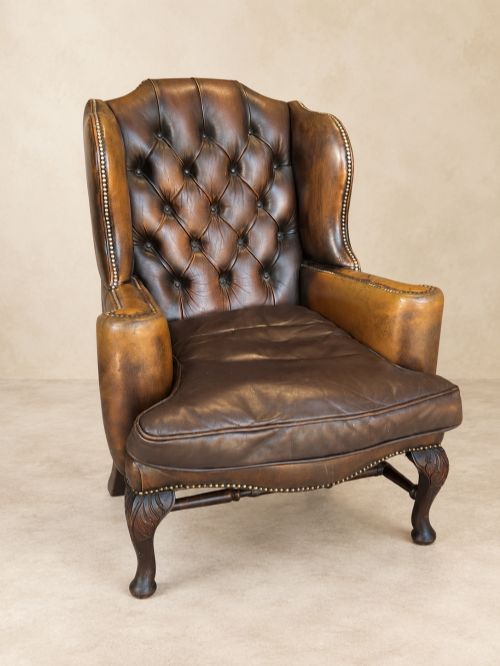
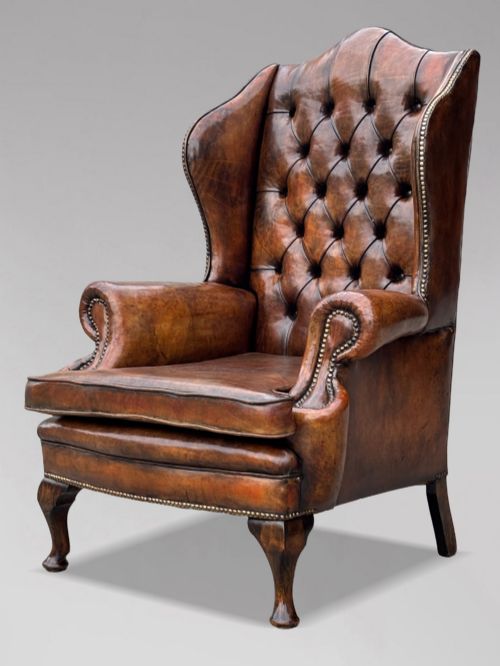
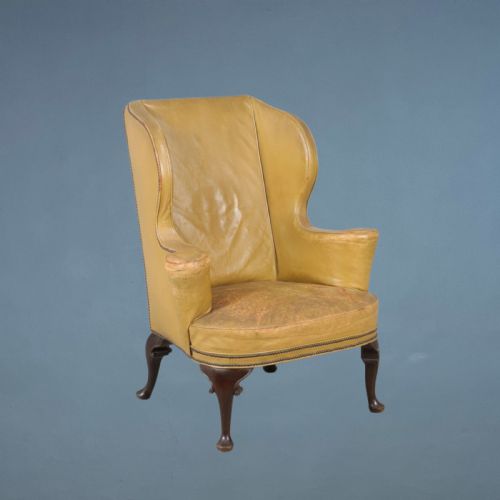
A vintage wing armchair brings deep side panels and upright comfort to a room, drawing on decades of traditional seating design.
Materials and construction
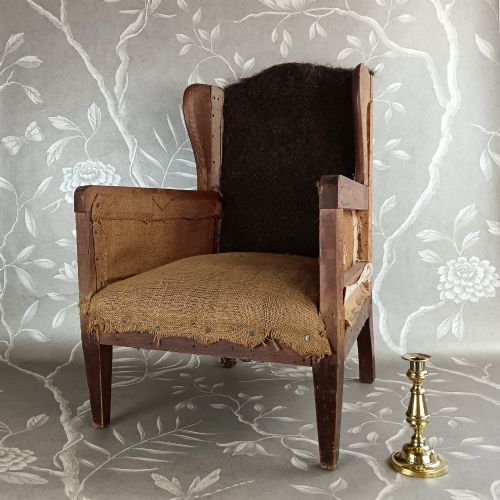
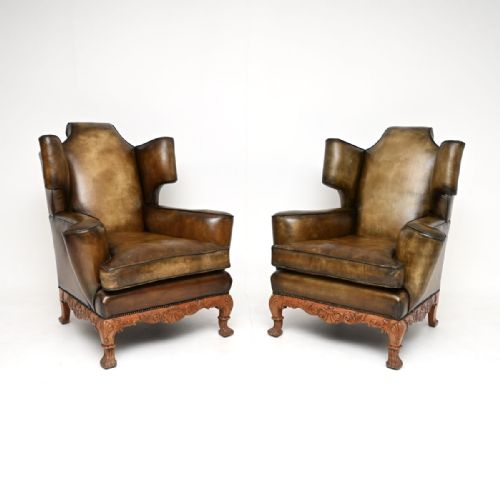
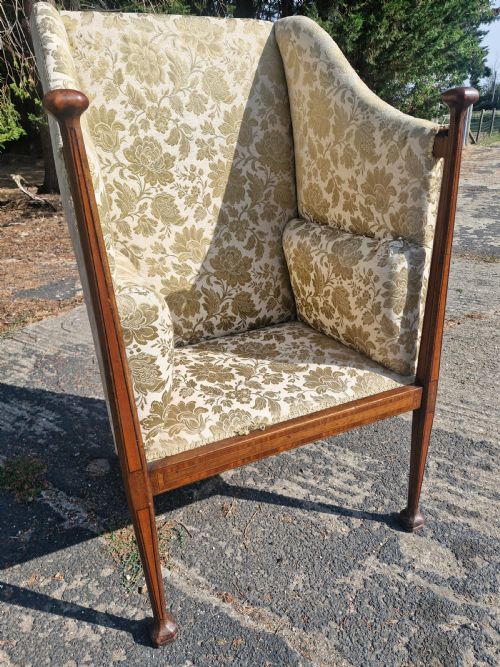
Makers built the structural frames of these armchairs using solid timbers like mahogany, walnut, oak, and beech. These sturdy woods provided the necessary skeleton to support heavy upholstery and deep padding.
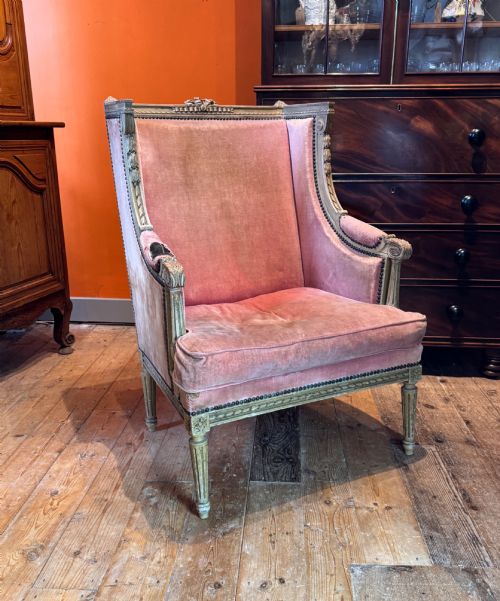
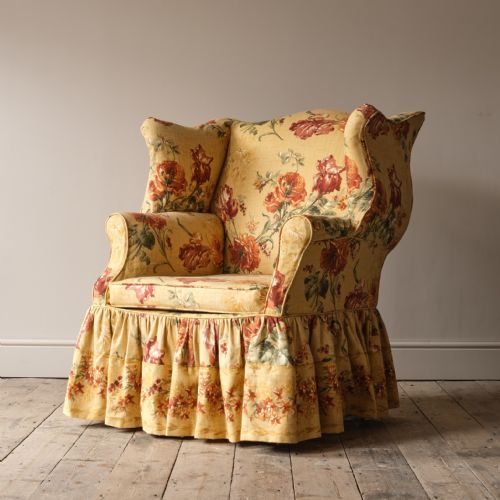
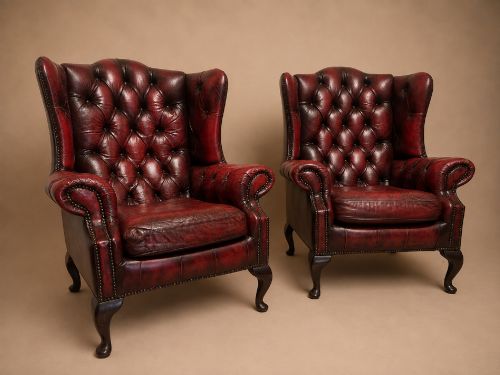
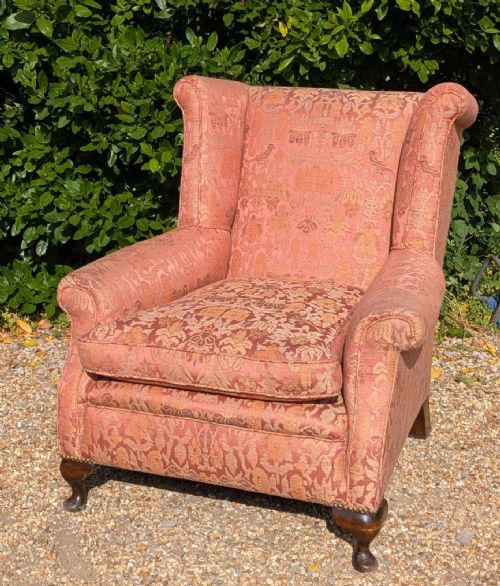
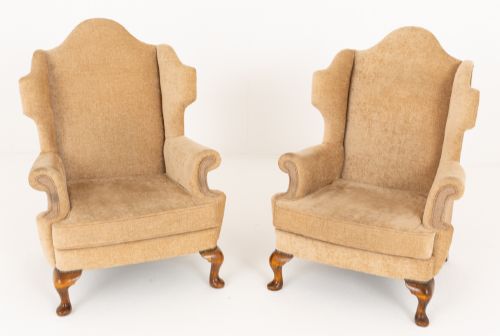
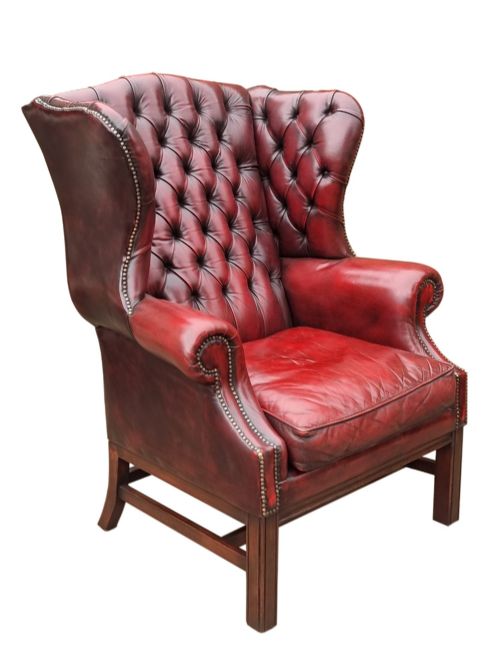
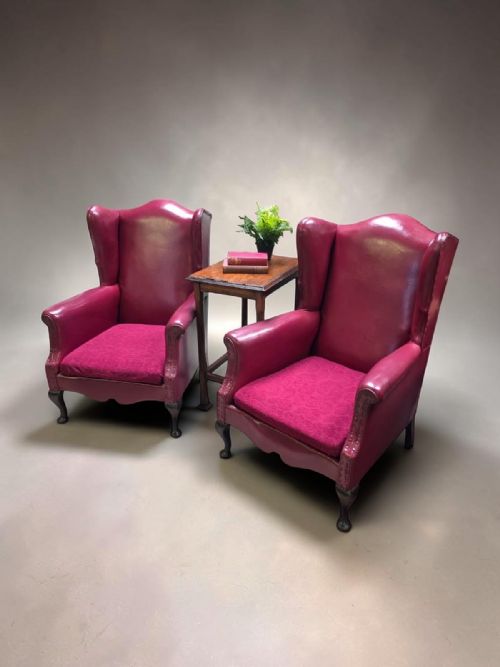
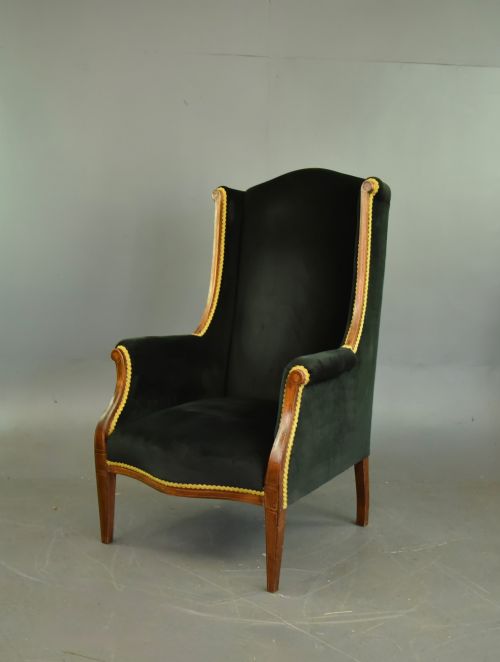
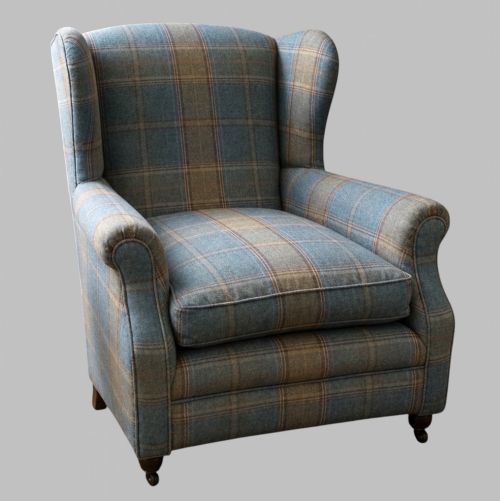
Outer coverings relied heavily on durable cowhide leather or woven textiles such as wool plaid, chenille, and velvet. Internal stuffing often incorporated traditional fillings like feathers to ensure lasting comfort and resilience.
Judging quality in older seating
The distinction between standard examples and superior pieces rests in the integrity of the timber frame and the precision of the upholstery work. Hand-stitched leather patination and well-sprung interiors indicate superior craftsmanship from experienced workshops.
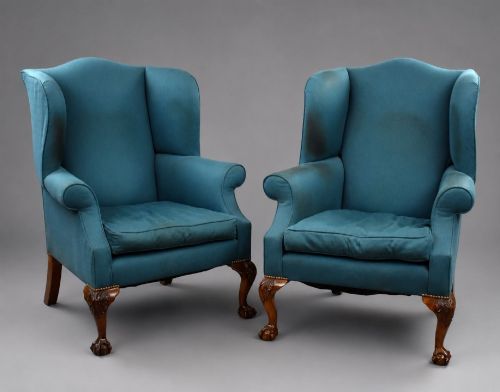
Proportion and stylistic balance also dictate distinction, where revival forms successfully capture the elegance of Georgian or Queen Anne originals without appearing clumsy. Original surface finishes and authentic period upholstery enhance the standing of a piece.
The selection includes miniature child size armchairs alongside large barrel back library seating.
Howard And Sons·Whytock And Reid
The Vintage Wing Armchair Glossary
- Wingback
- A seating design featuring lateral panels attached to the backrest. These extensions originally protected sitters from hearth drafts.
- Barrel back
- A semicircular chair design where the curved backrest flows continuously into the armrests. This enclosed shape offers a snug seating experience.
- Carolean style
- A revival design aesthetic referencing the ornamentation and carved woodwork popular during the reign of Charles II. It often includes rich timber frames and detailed stretchers.
- Queen Anne style
- A graceful design movement characterised by curved lines, pad feet, and smooth cabriole legs. Chairs from this tradition favour comfort and restrained ornamentation.
- Chenille
- A fuzzy woven fabric utilised for soft upholstery. Its piled texture provides a tactile finish to period chairs.
Vintage Wing Armchair: Frequently Asked Questions
How do I identify a true period wing chair?
Examine the construction methods visible beneath the upholstery and inspect the timber framing for signs of age. Joinery techniques and wood species often provide clear clues to the manufacturing era.
Compare the proportions and stylistic details against known historical examples from the Georgian or Victorian eras to confirm authenticity.
What is the difference between Georgian and revival styles?
Original Georgian chairs date from the eighteenth century and possess genuine period craftsmanship. Revival pieces imitate these historic silhouettes while being manufactured decades later.
Look closely at the wear patterns and timber ageing to distinguish between an authentic antique and an early twentieth century homage.
Are these chairs suitable for daily seating?
Many vintage armchairs remain robust enough for regular use, provided the internal webbing and padding have been properly maintained. Leather and sturdy woolen textiles handle daily wear quite effectively.
Consider having a professional restorer check the internal springs and filling if you plan to use the chair heavily in a living space.
How should I care for leather upholstery?
Keep leather chairs away from direct sunlight and heat sources to prevent the hide from drying out and cracking over time. Regular gentle dusting preserves the natural finish.
Apply a suitable leather conditioner periodically to maintain suppleness and enhance the natural patina developed over the decades.