
Vintage Velvet Dining Chairs
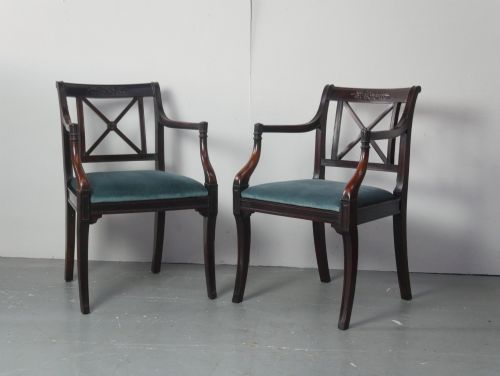
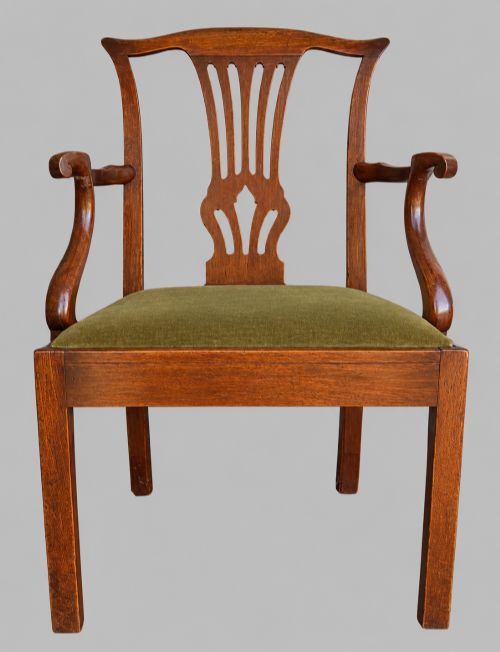
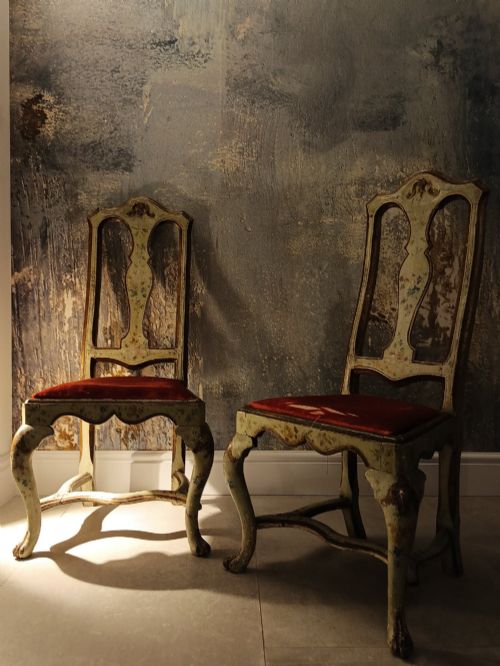
These vintage velvet dining chairs bring texture and period character to a room, offering robust wooden frames paired with soft textile seats.

Vintage Velvet Dining Chairs
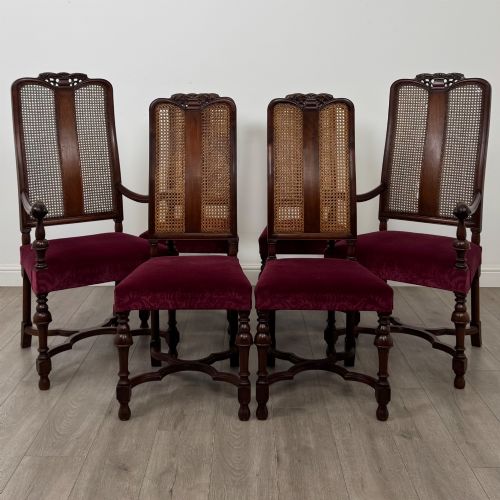
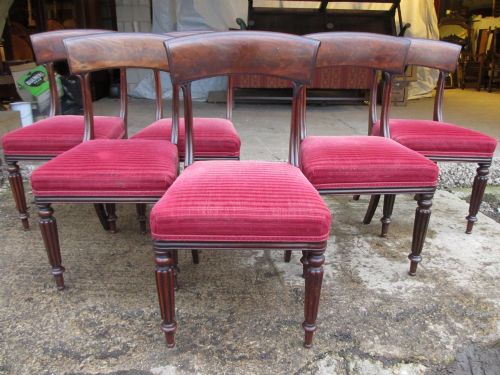
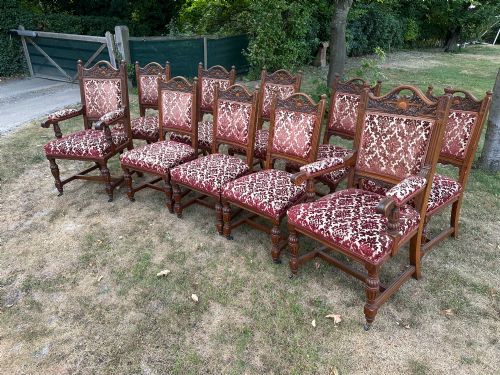
When you search for vintage velvet dining chairs, you encounter seating constructed across multiple historical eras, including the Victorian, Edwardian, and Art Deco periods. These forms range from single side chairs to large matching sets intended for formal dining rooms.
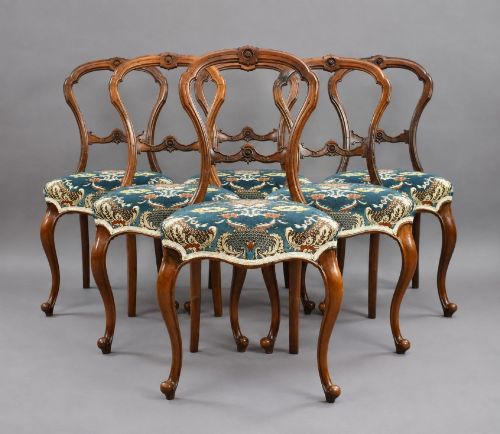
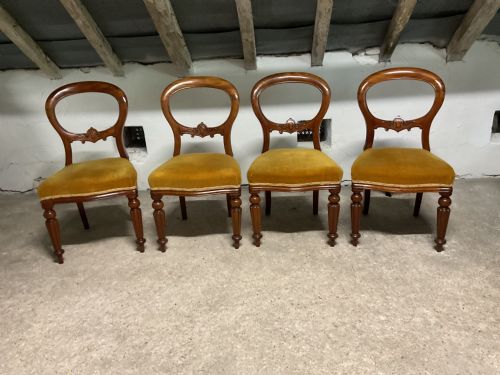
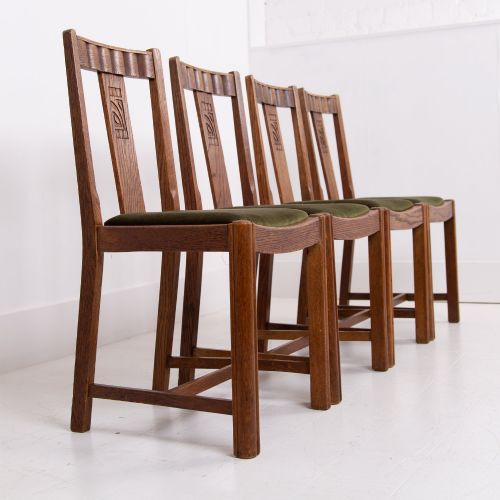
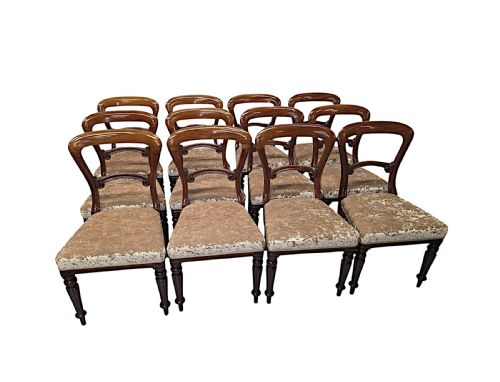
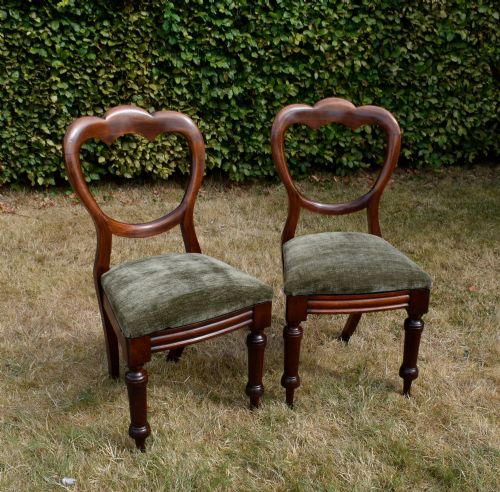
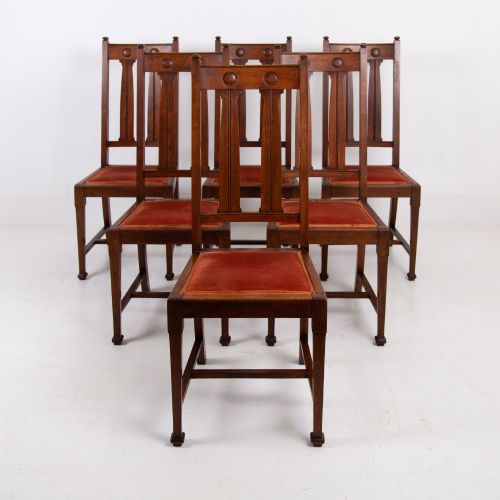
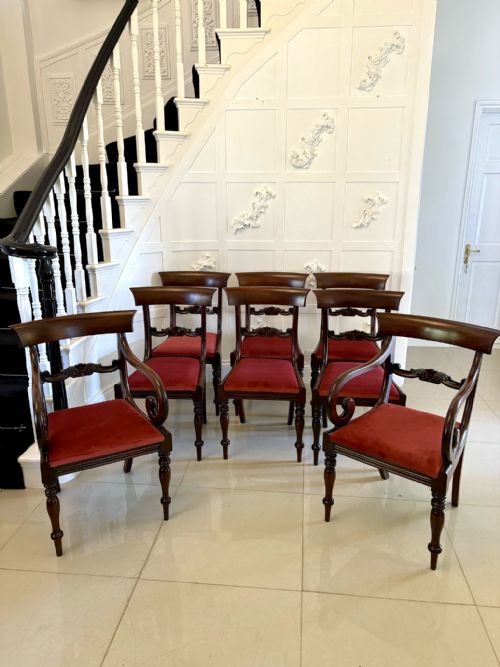
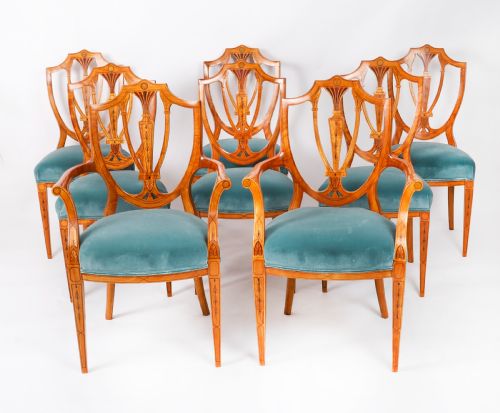
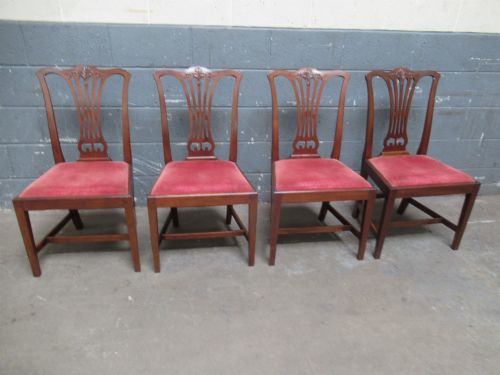
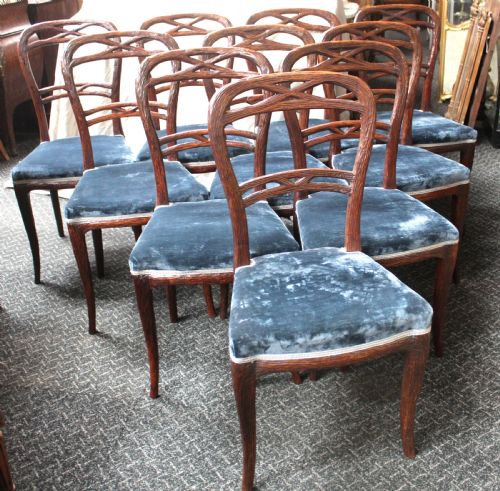
The primary forms on this page include mahogany balloon back chairs, oak frames from the Arts and Crafts era, and inlaid walnut styles. Many examples utilise traditional hardwoods like mahogany, oak, and rosewood to support the upholstered textile elements.
Materials and construction
The underlying framework of these seats relies on dense timbers such as mahogany, oak, walnut, and rosewood, shaped through traditional joinery techniques like mortise and tenon. Carved details, decorative inlays, and brass accents frequently complement the wooden structures.
Upholstery involves applying textile and velvet over padding materials secured to wooden seats, sometimes finished with decorative trim or wooden surrounds that expose the grain of the timber.
The listings span from the 19th century through to the 1930s, incorporating Victorian, Edwardian, and Art Deco styles.
Assessing quality
Quality rests upon the integrity of the timber frame, the crispness of any hand-carved ornamentation, and the consistency of the wood grain across a matched set. Pieces that retain their original structural firmness and distinct period characteristics command greater attention.
The execution of upholstery work and the depth of the velvet pile also differentiate standard utility seating from finer examples produced by established workshops and cabinet makers.
Gillows·Cowtan and Sons·Hille
The Vintage Velvet Dining Chairs Glossary
- Balloon back
- A rounded, oval-shaped wooden chair back popular during the Victorian period. This design curves to fit the spine.
- Carver
- An armchair, traditionally placed at the head of a dining table, featuring supportive side arms. These often match a set of single side chairs.
- Shield back
- A chair back shaped like a heraldic shield, commonly found in Hepplewhite and later revival dining chairs. It often incorporates pierced wooden splats.
- Arts and Crafts
- A design movement focusing on traditional craftsmanship and simple forms, frequently utilising solid oak with minimal ornamentation. It prioritises honest construction over mass production.
Vintage Velvet Dining Chairs: Frequently Asked Questions
How do I clean velvet dining chairs?
Maintenance depends on the specific pile and fibre content of the textile used on the seat.
Gentle brushing helps to lift crushed fibres and remove surface dust without damaging the material.
Are these chairs sturdy enough for daily use?
Most of these pieces utilise durable hardwoods like mahogany or oak to ensure structural stability.
Checking the joints and frame integrity helps confirm suitability for regular seating.
How do I match chairs to an existing table?
Comparing the primary wood species, such as mahogany or walnut, helps establish a visual connection.
Matching the historical period or stylistic revival also creates a cohesive dining room arrangement.
What is the difference between side chairs and carvers?
Side chairs lack arms and are designed to slide neatly beneath a dining table when not in use.
Carvers include armrests and traditionally sit at the ends of the table for added comfort.