
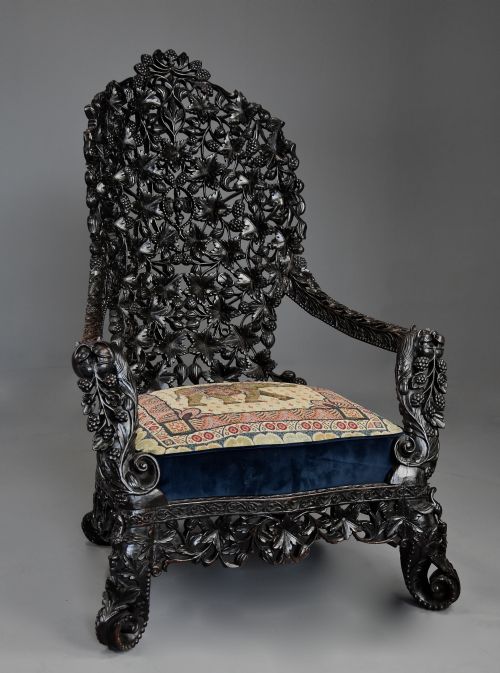
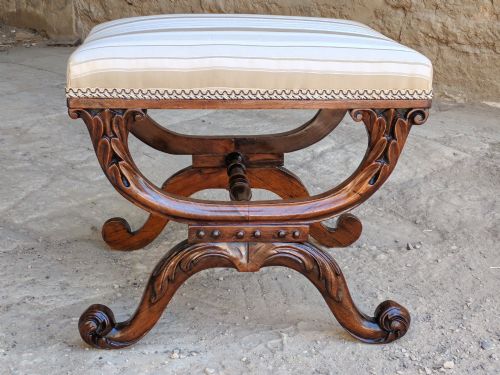
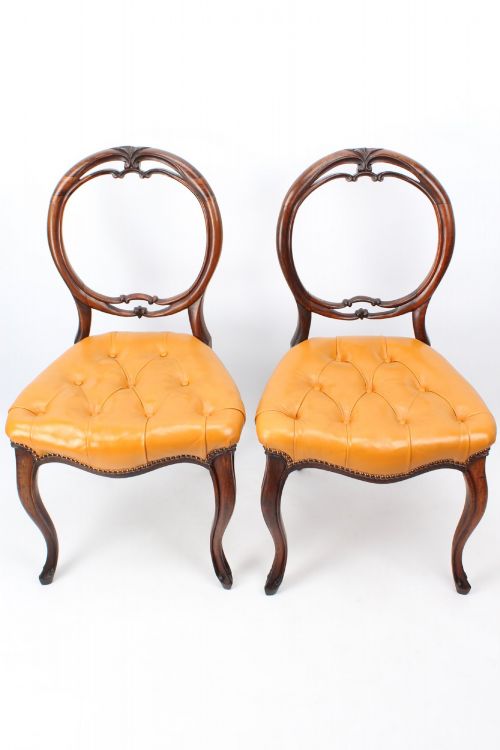
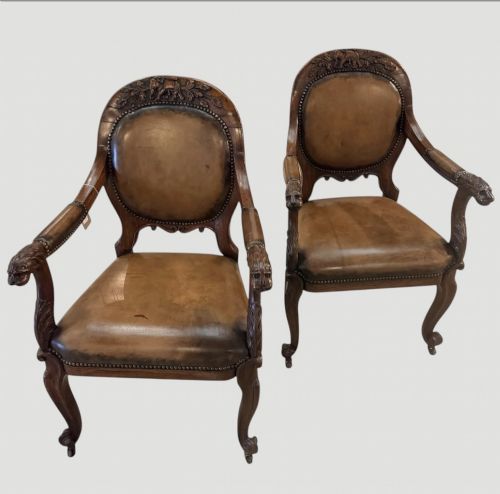
19th Century Rosewood Seating
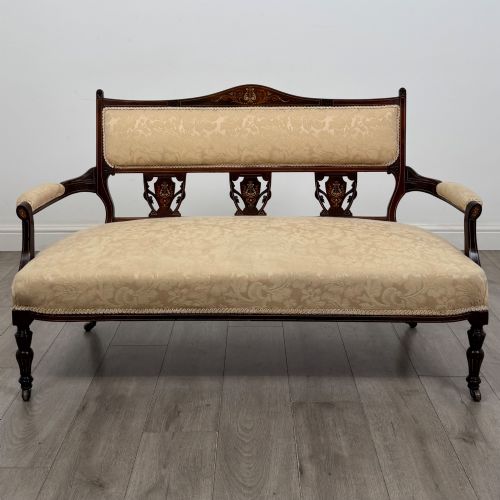
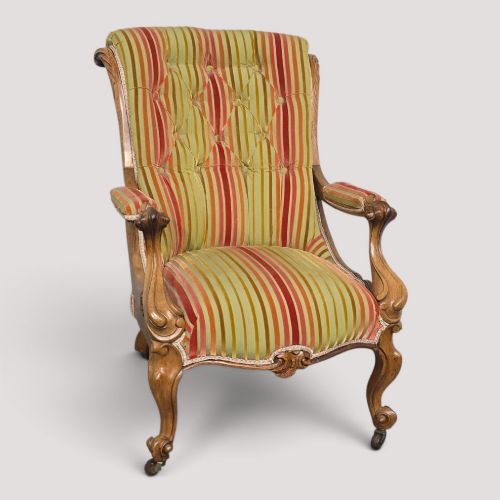
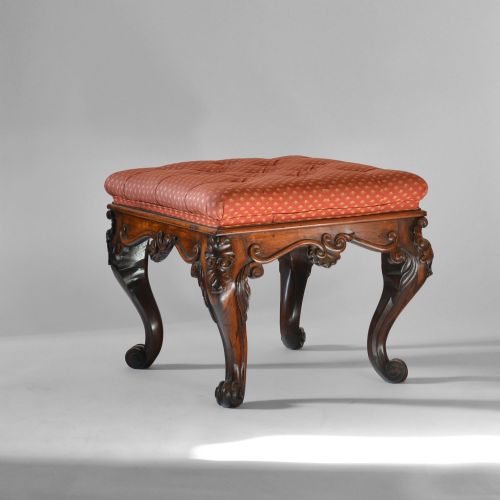
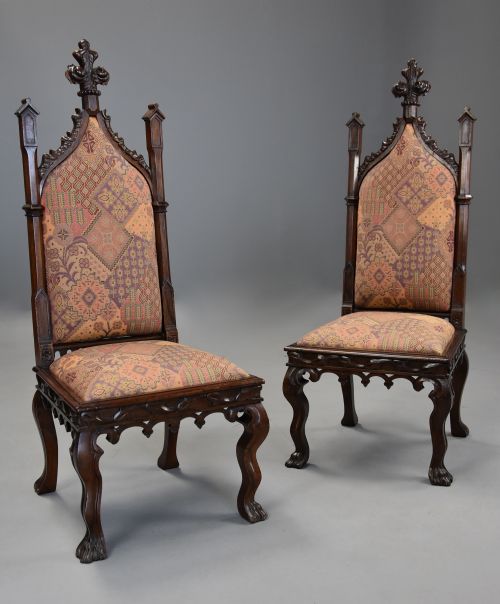
When you seek 19th century rosewood seating, you enter a domain of dense tropical timber shaped into chairs, settees, and stools during the Regency, William IV, and Victorian eras.

19th Century Rosewood Seating
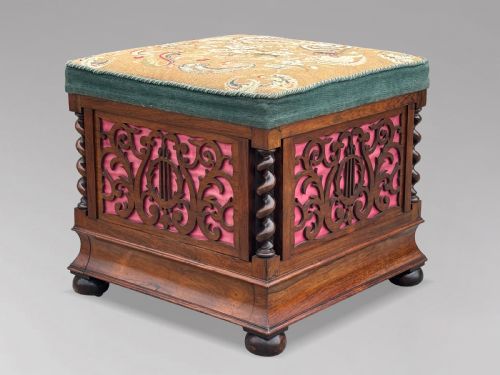
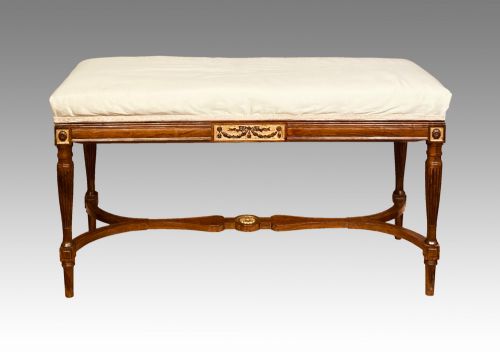
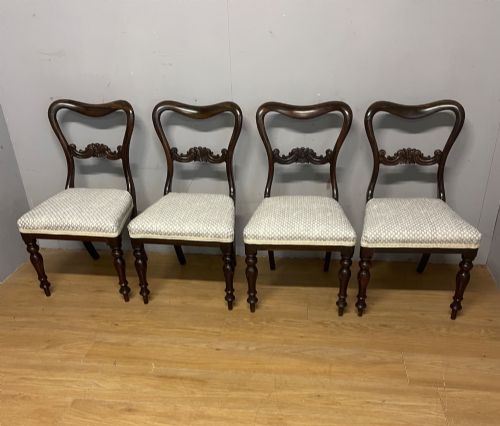
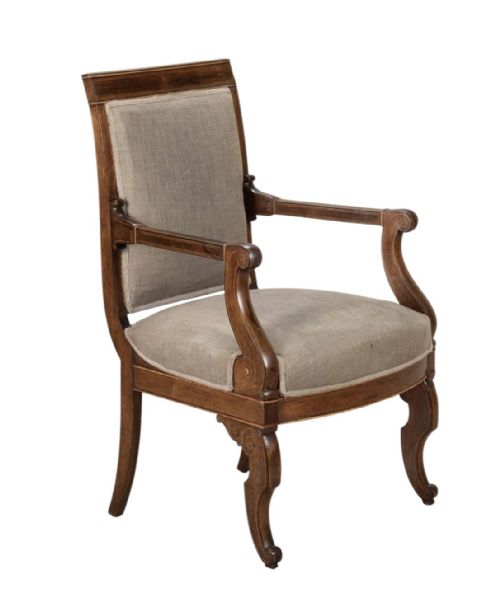
Pieces grouped under 19th century rosewood seating encompass a wide variety of furniture forms designed for domestic comfort and display. Buyers encounter formal dining chairs, library armchairs, music and piano stools, settees, and chaise longues spanning the Regency, William IV, and Victorian periods.
The material character defines these items, often utilising solid timber alongside simulated finishes and brass inlay. Anglo-Indian and colonial examples sit alongside English workshops, reflecting global trade routes of the period.
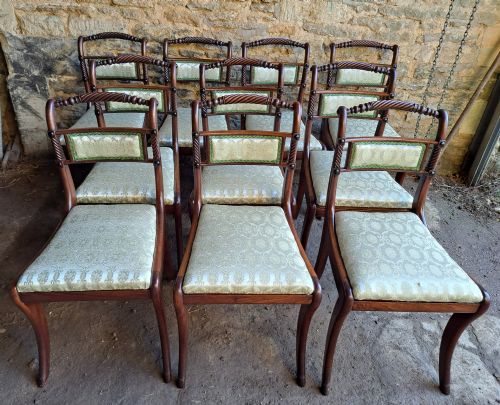
Dining chairs typically appear in sets of four, six, or ten, while seating for private chambers includes low nursing chairs, library chairs, and adjustable piano stools. Each form serves the domestic rituals of the nineteenth-century interior.
How they were made
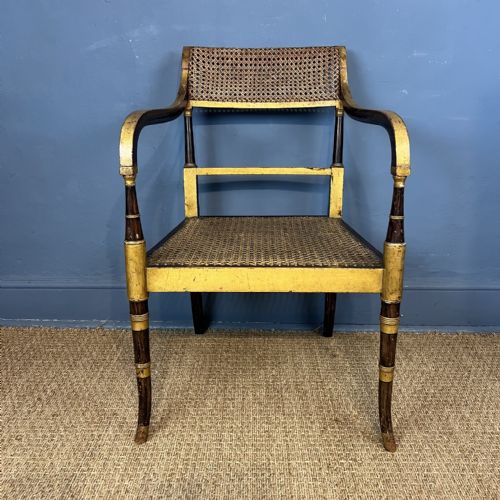
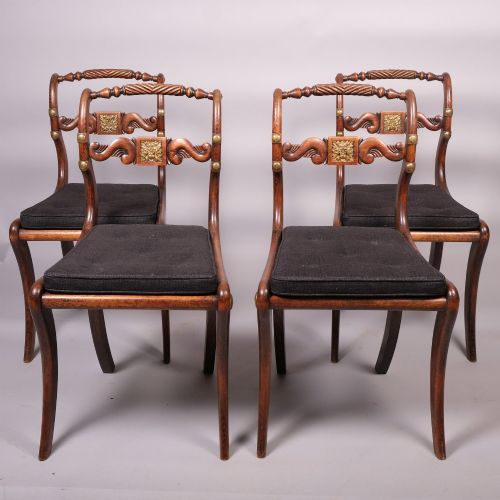
Cabinet makers utilised dense, richly figured rosewood, sometimes applying parcel gilding or creating simulated rosewood surfaces on alternative timbers. Brass inlay and carved details frequently ornament the frames, particularly in Regency and William IV pieces.
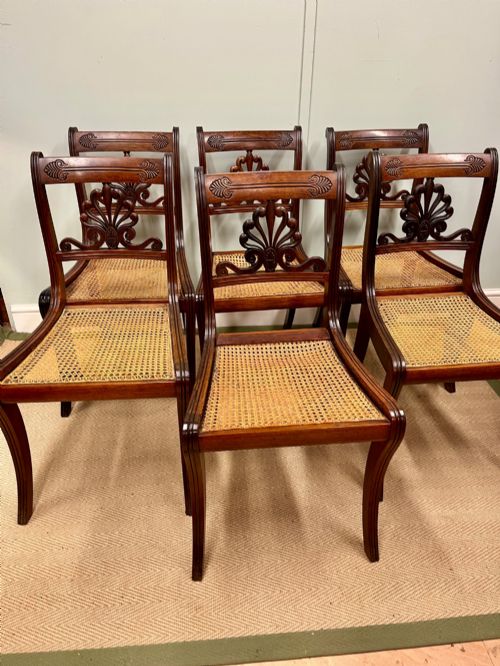
Upholstery techniques varied widely according to function, employing horsehair stuffing, buttoned leather, velvet, fabric, cane, and tapestry. Frames were joined using traditional cabinet-making methods, while specialised seating like piano stools incorporated mechanical height adjustment.
Materials recorded in current inventory include solid rosewood, brass, cane, leather, velvet, tapestry, and fabric upholstery.
What varies in quality
The standard of carving and the crispness of applied brass inlay distinguish finer examples from simpler commercial production. Timber selection also dictates grade, with heavily figured solid rosewood commanding greater attention than simulated grain finishes.
Structural integrity and the retention of original upholstery materials influence the standing of any piece. Sets of dining chairs maintain higher interest when the timber grain matches consistently across all items.
W.A. Willcocks·Charles Nosotti·J. Herbert McNair
The 19th Century Rosewood Seating Glossary
- Rosewood
- A dense, heavily figured dark timber valued for its rich grain and durability in fine cabinet making. It forms the primary material foundation for the seating found in this category.
- Simulated rosewood
- A painted or stained finish applied to a lighter wood to imitate the grain and colour of genuine rosewood. This technique appeared frequently during the Regency period.
- Balloon back
- A rounded, oval chair back resembling a balloon, characteristic of Victorian seating design. This profile offers ergonomic support through a continuous curved wooden rim.
- Parcel gilt
- A decorative technique involving the partial application of gold leaf to specific carved areas of the wooden frame. It highlights architectural details against the dark rosewood background.
19th Century Rosewood Seating: Frequently Asked Questions
How do I identify Regency rosewood chairs?
Regency pieces often display classical lines, brass inlay, and simulated rosewood finishes. They reflect the influence of ancient Greek and Roman design.
Look for sabre legs, carved rope twists, and restrained proportions that distinguish them from later Victorian heavy ornamentation.
Were rosewood dining chairs sold in sets?
Makers produced dining chairs in matched sets ranging from four to ten pieces or more. Surviving complete sets remain central to formal dining room arrangements.
Dispersed sets sometimes reunite over time, though matching grain and timber colour requires careful examination.
What is an Anglo-Indian rosewood chair?
Anglo-Indian seating combines British furniture forms with intricate carved decoration executed by craftsmen in India. These items reflect colonial trade and the exchange of design ideas.
They frequently feature dense floral carving and exotic padauk or rosewood construction.
How were piano stools designed?
Piano and music stools incorporated mechanical screw mechanisms allowing the seat height to adjust for the musician. This ensured proper posture during extended practice.
They often feature revolving upholstered tops supported on tripod or pillar bases.