
Victorian Gothic Side Chair
A victorian gothic side chair brings architectural precision and timber character into a room.
Victorian Gothic Side Chair
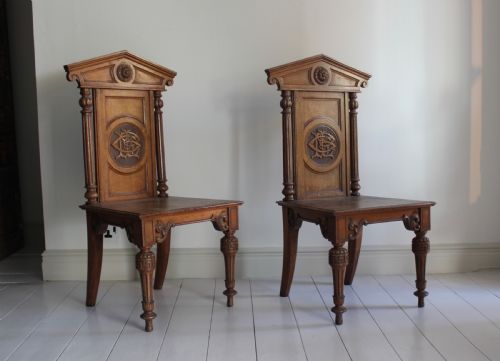
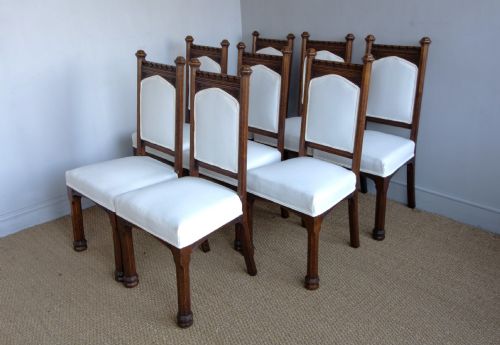
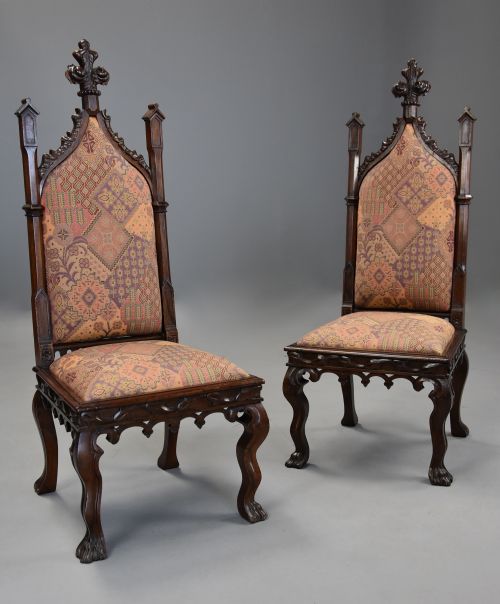
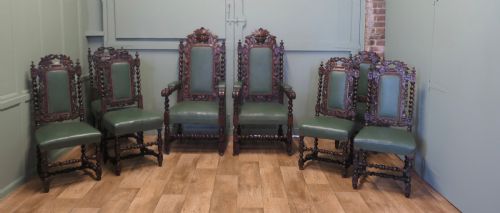
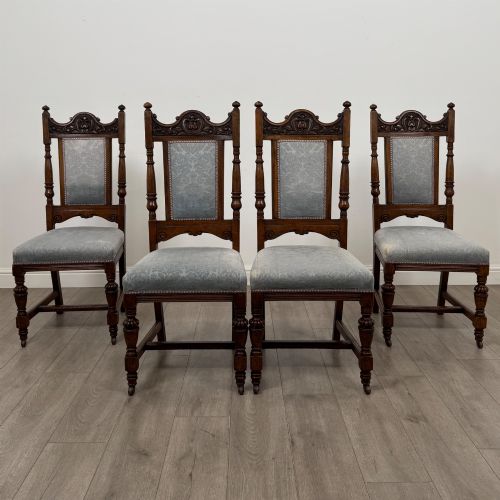
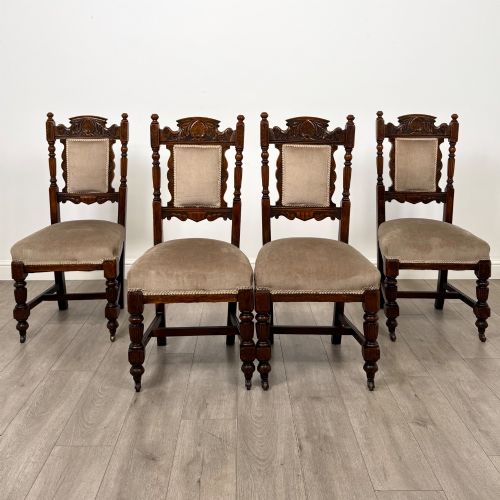
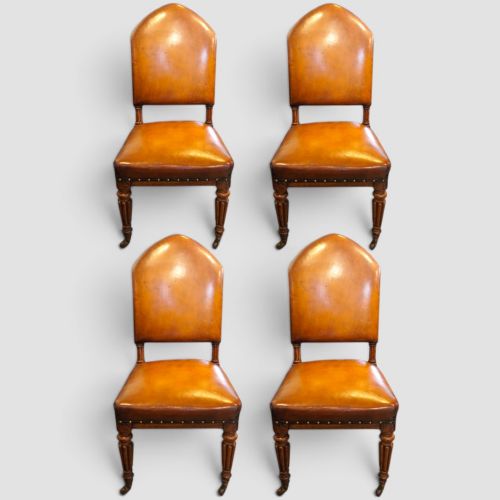
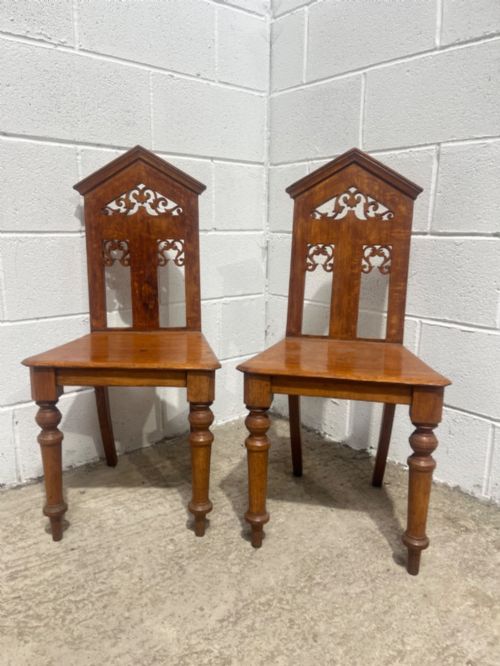
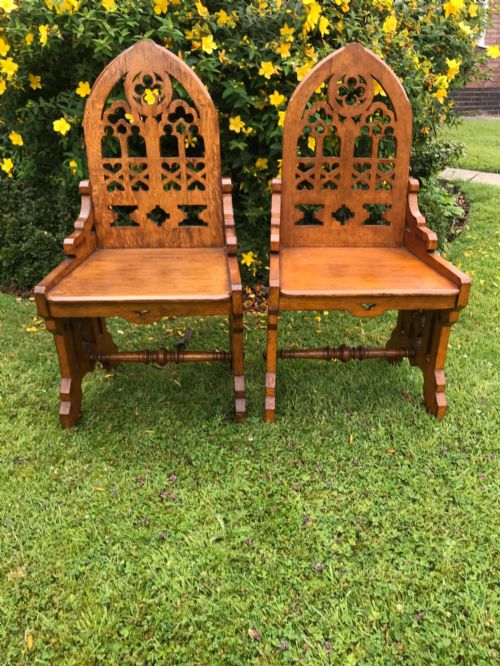
A victorian gothic side chair combines nineteenth-century seating forms with medieval architectural motifs such as pointed arches, trefoils, and heavy carved tracery. These pieces appear primarily as single seats, pairs, or larger dining sets originating from the broader Victorian era, spanning the decades between eighteen fifty and nineteen hundred.
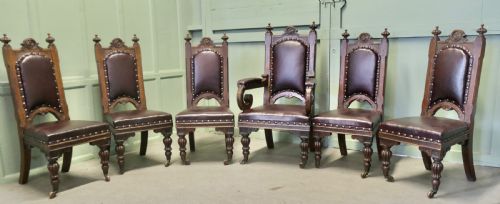
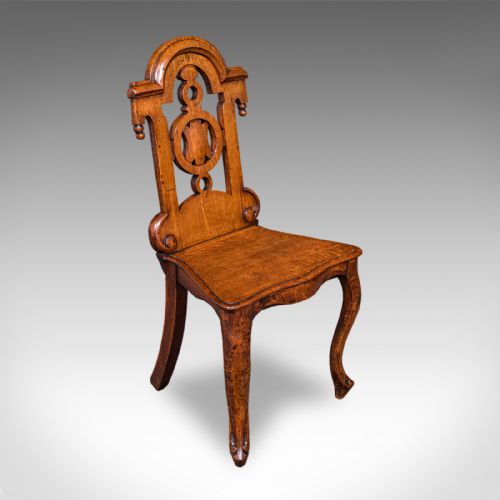
Buyers encounter walnut, rosewood, and particularly oak examples, sometimes retaining original leather, textile, or tapestry upholstery. The silhouette relies on upright proportions and sturdy joinery, serving as both functional furniture and a distinct stylistic statement.
Materials and Construction Methods
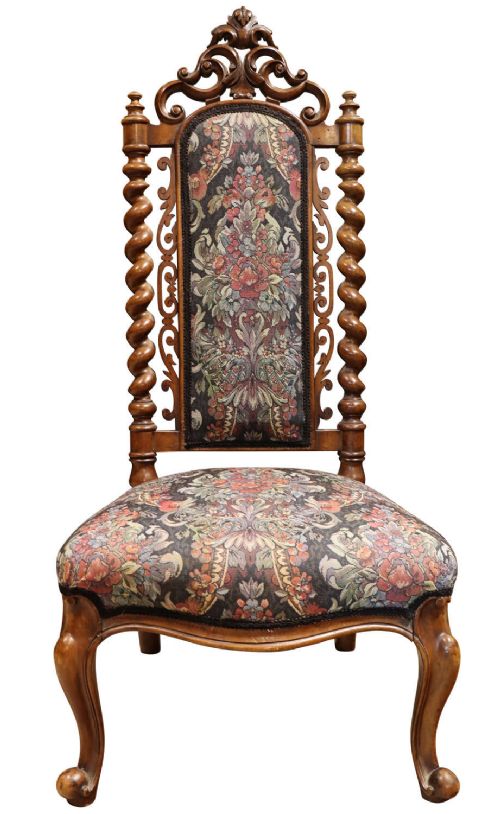
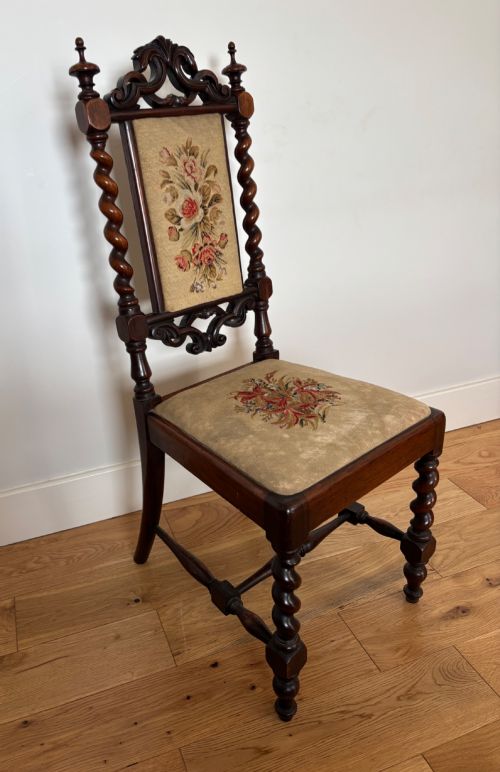
Cabinetmakers relied heavily on solid oak, walnut, mahogany, and rosewood to achieve the dark, substantial appearance demanded by the Gothic revival style. Timbers were selected for grain density and strength, supporting deep relief carving and structural elements like barley twist legs.
Joinery methods involved traditional mortise and tenon frames, reinforced to withstand the rigid posture required of hall and dining seating. Decorative details including applied brass accents, turned wooden elements, and hand-tooled Spanish leather or fabric inserts were secured directly to the wooden foundations.
Period origins span the nineteenth century, encompassing Gothic revival, Jacobean revival, and Aesthetic movement styles.
Factors Differentiating Quality
Quality rests upon the crispness of the hand-carved architectural detailing and the choice of primary timber. Pieces featuring deeply undercut tracery, heraldic shield backs, or documented attribution to known workshops demonstrate superior craftsmanship compared to mass-produced equivalents.
The integrity of the structural frame and the survival of original elements such as stamped maker labels, engraved plaques, or period leather upholstery elevate a piece. Finer examples exhibit balanced proportions, tight joints, and thoughtful integration of stylistic influences like Jacobean revival or Aesthetic design.
W.A. Willcocks·Bruce Talbert·Gillows
The Victorian Gothic Side Chair Glossary
- Gothic Revival
- An architectural and decorative movement drawing inspiration from medieval forms, characterised by pointed arches and heavy ornamentation. This aesthetic defined much of nineteenth-century design.
- Hall Chair
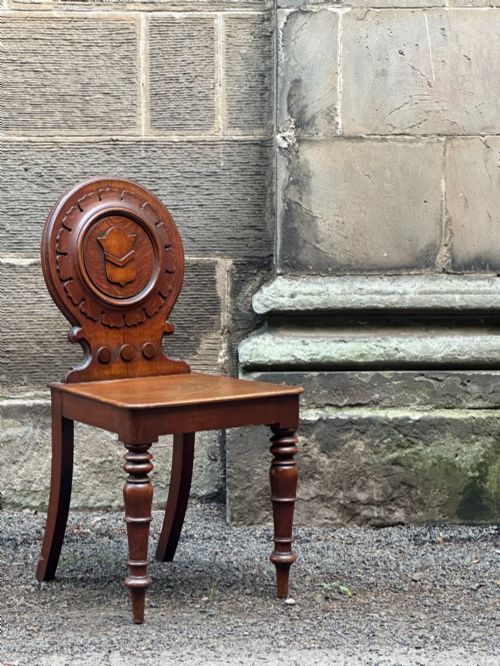
- A rigid, upright timber seat traditionally placed in entrance halls, frequently featuring a solid carved back and little padding. These items often displayed family crests or heraldic shields.
- Tracery
- Architectural stonework ornamentation adapted into wooden furniture panels, forming openwork patterns of intersecting ribs. It remains a defining feature of medieval and revival design.
- Barley Twist
- A type of furniture leg or stretcher carved in a spiral shape resembling twisted barley sugar. This technique gained popularity during revival periods.
- Tapestry
- A heavy woven fabric depicting pictorial designs, often utilised for seat upholstery during the Victorian period. It adds texture and colour to dark timber frames.
Victorian Gothic Side Chair: Frequently Asked Questions
Where were these chairs placed originally?
These pieces were designed for entrance halls, formal dining rooms, libraries, and ecclesiastical buildings such as churches and cathedrals.
In domestic settings, rigid hall variants stood against walls for brief seating, while dining and library versions offered greater comfort.
How do I identify the wood used?
Oak and walnut dominate the surviving examples, displaying distinct grain patterns and deep natural colouration.
Closer inspection reveals the open pores of oak or the rich, darker tones of walnut and rosewood under polished surfaces.
Are these chairs comfortable for daily use?
Most examples feature upright, rigid wooden backs designed to encourage proper posture rather than lounging.
Versions with leather or tapestry upholstered seats provide softer seating suitable for dining tables or occasional use.
How do I distinguish between periods?
Mid-nineteenth-century pieces often showcase high Gothic revival detailing, while later examples incorporate Aesthetic movement or Jacobean revival influences.
Makers' marks, labels, and architectural proportions help narrow down the decade of production.