
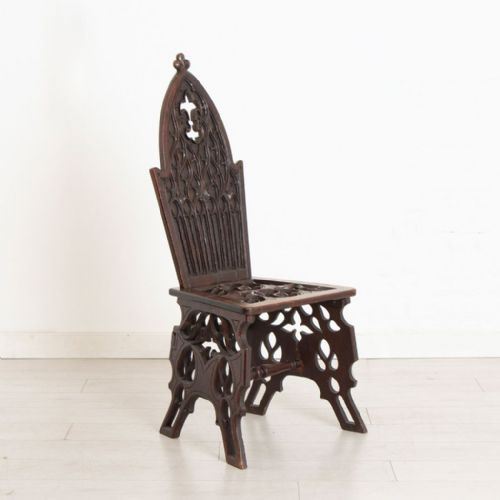


Gothic Tracery Side Chair
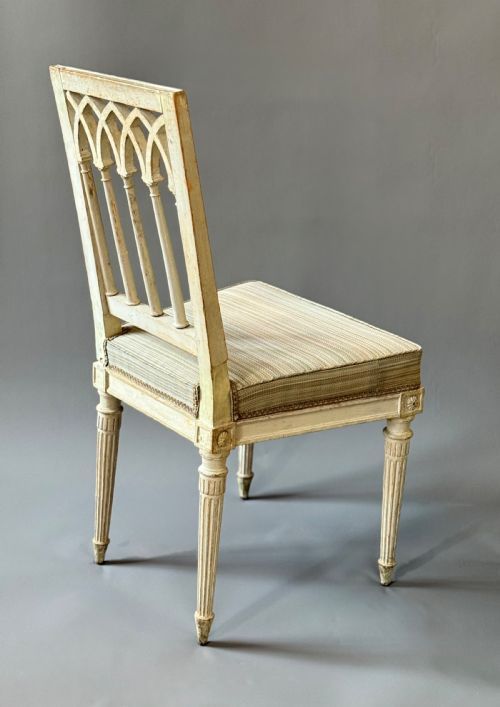
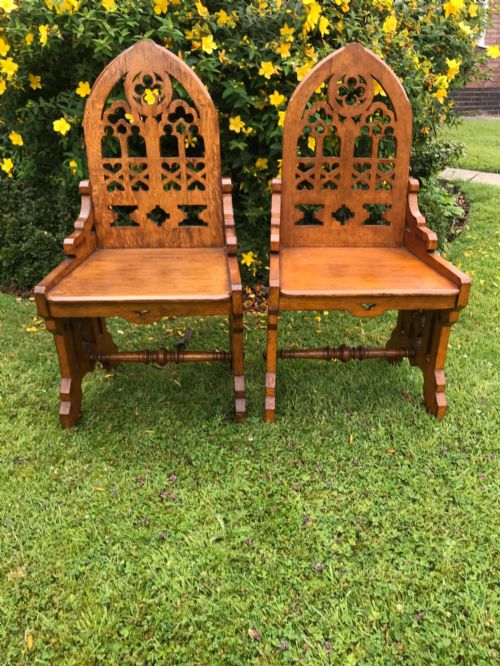
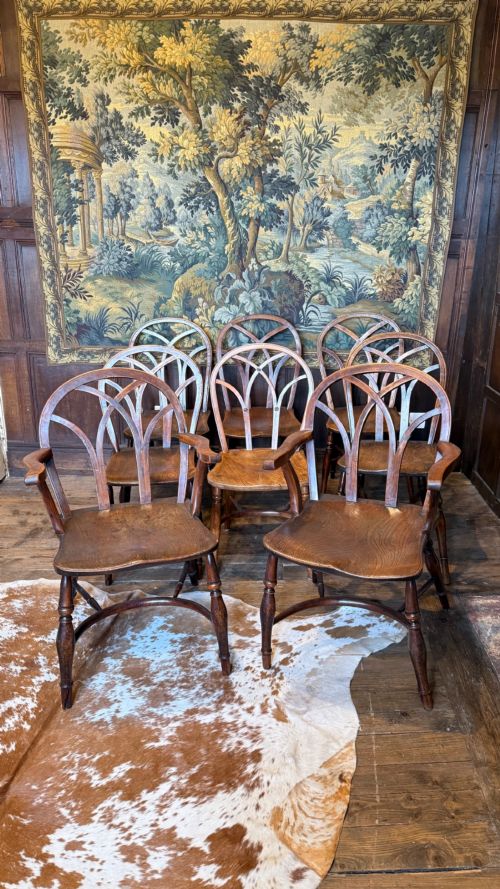
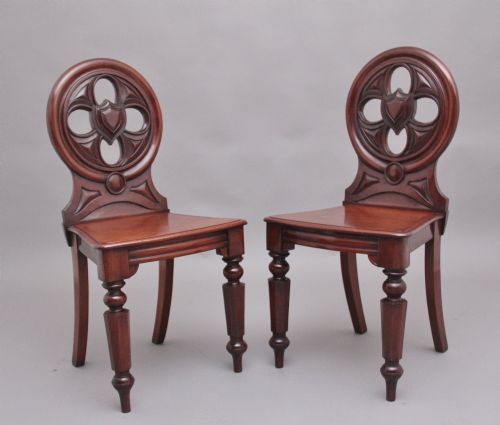
These gothic tracery side chair examples combine architectural pointed arches with seating, offering enduring decorative presence for your room.
Gothic Tracery Side Chair
A gothic tracery side chair is a seat featuring architectural window patterns carved into the backrest, drawing from medieval design traditions. These forms appear across the 18th century, 19th century, and periods like the Regency and Georgian eras.
You will encounter mahogany, oak, yew, elm, and painted wood structures, often upholstered in fabric or velvet. The listed items span side chairs, dining chairs, and hall chairs designed in Gothic Revival, Chippendale style, Sheraton Revival, and French Gothic taste.
How they were made
Maker workshops utilised solid timbers such as mahogany and oak, shaping the dense grain by hand to form structural frames and intricate openwork backs. Craftsmen carved pointed arches and vertical mullions directly into the wood.
Surface treatments range from clear polish revealing natural grain to painted wood finishes. Upholstered versions integrate textile coverings like velvet and fabric pinned securely to drop-in or fixed seats.
Current listings demonstrate timber varieties including mahogany, oak, yew, and elm, spanning periods from the eighteenth century through to nineteen hundred.
What varies in quality
The sophistication of the carved tracery defines the upper tier, where openwork arches show crisp depth and careful symmetry rather than shallow detailing. Timber selection also dictates grade, with finely figured mahogany and dense carved oak sitting above standard painted surfaces.
Structural integrity separates functional seating from fragile examples, depending on how cleanly the joinery holds the tall back frames and slender vertical elements together.
The Gothic Tracery Side Chair Glossary
- Tracery
- Openwork stonework patterns adapted for woodwork in furniture backs, creating intersecting ribs and pointed arches. This architectural motif defines the visual identity of the style.
- Gothic Revival
- A design movement that revived medieval architectural forms during the eighteenth and nineteenth centuries. It draws heavily on cathedral windows and pointed arches.
- Chippendale Style
- Mid-eighteenth-century English furniture design incorporating ornate carving and lighter proportions. Pieces in this idiom often blend Gothic fretwork with classical frames.
- Side Chair
- An upright chair without arms designed for dining or occasional use around a room. These seats are built to stand against a wall when not pulled up to a table.
Gothic Tracery Side Chair: Frequently Asked Questions
How were gothic tracery side chairs used historically?
These chairs served primarily as dining seats, hall furnishings, or decorative accents in reception rooms where their architectural backs made a strong visual statement.
Their upright proportions and lack of arms allowed them to fit neatly around tables or line the perimeter of a grand hallway.
What materials make up these chairs?
Makers relied heavily on hardwoods such as mahogany, oak, yew, and elm to withstand the structural demands of openwork carved backs.
Secondary materials include painted wood surfaces, alongside upholstered seats covered in velvet and woven fabric.
How do I date a gothic revival chair?
Dating relies on identifying the underlying furniture style, such as Georgian proportions, Regency turnings, or late nineteenth-century revival markers.
Timber characteristics and construction methods inside the seat frame also point to the specific manufacturing era.
Are these chairs suitable for daily seating?
Most examples function well for regular use provided the timber frame and joinery remain stable and secure over time.
Care should be taken with delicate openwork backrests to avoid placing undue stress on the carved wooden tracery.