


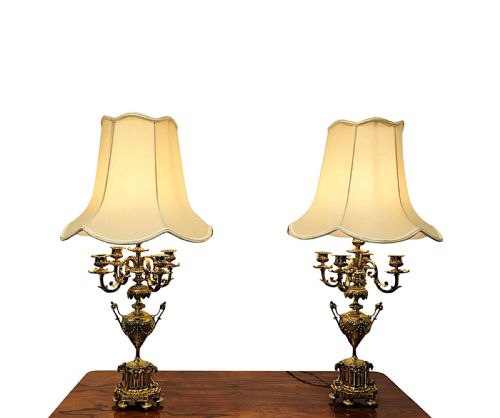

Vintage Urn Table Lamp
A vintage urn table lamp brings classical form and warm illumination into a room, blending sculptural presence with functional light.
Vintage Urn Table Lamp
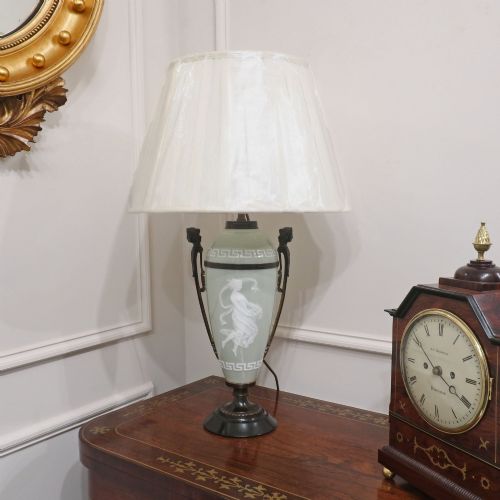
When you search for a vintage urn table lamp, you encounter pieces that originated as decorative vessels, ewers, or classical urns before being converted into lighting. These objects draw on designs from the nineteenth and early twentieth centuries, spanning Edwardian, Art Deco, and French Neoclassical styles.
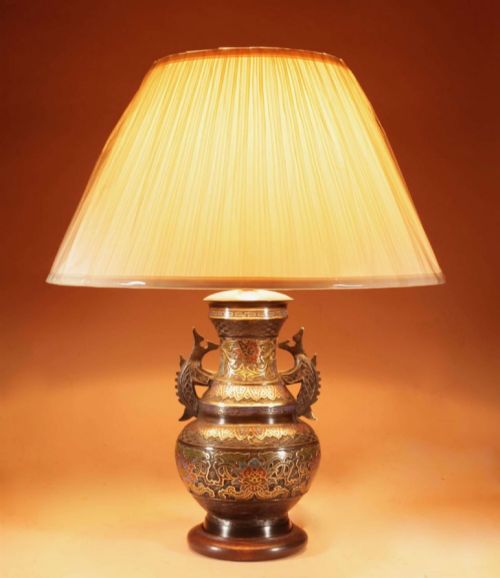
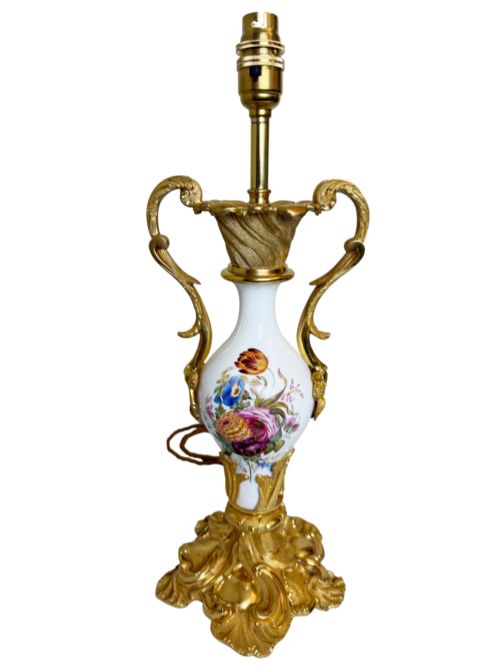
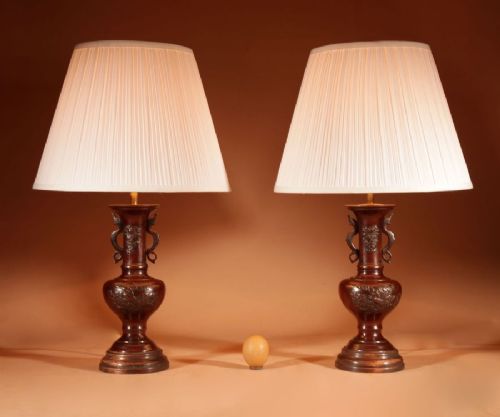
The selections on this page frequently pair metal mounts with ceramic bodies, utilising porcelain, marble, or bronze formed into traditional silhouettes. Many examples emerge from French workshops or Japanese Meiji period studios, reflecting a global trade in decorative arts during the late nineteenth and early twentieth centuries.
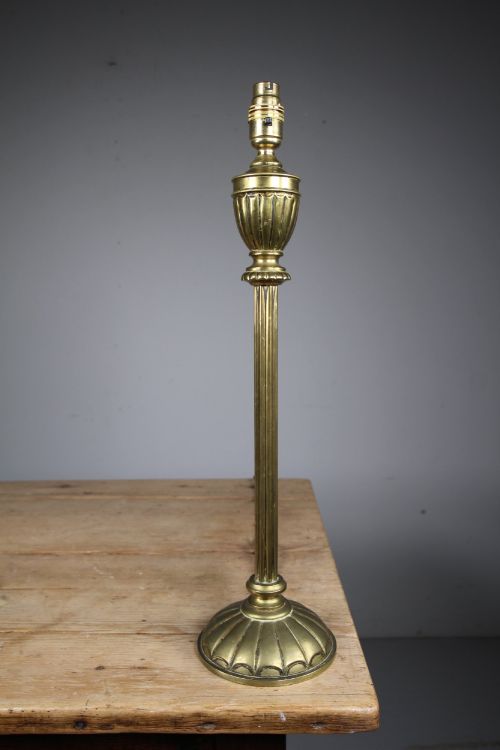
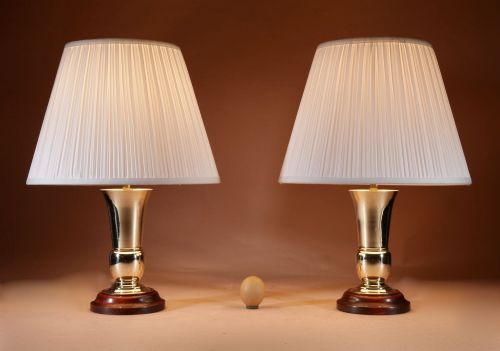
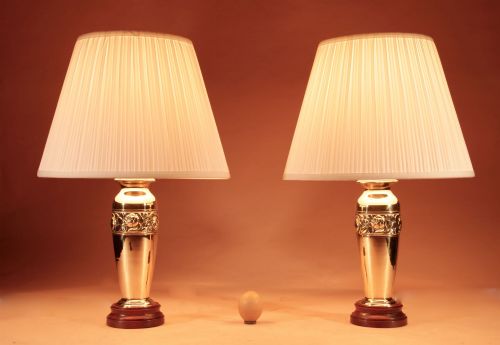
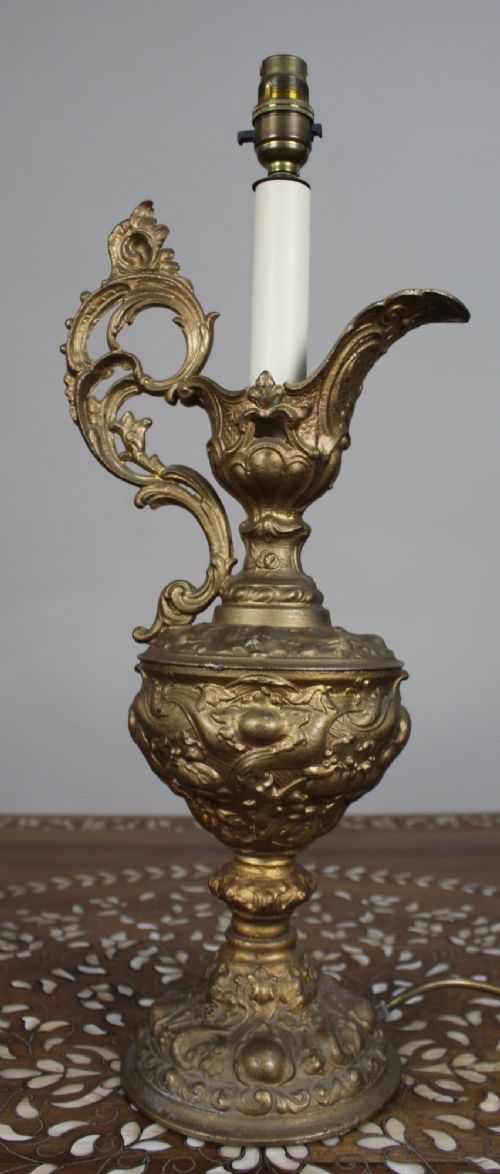
Conversions dominate the selection, where earlier vases, candelabra, or gilt bronze urns receive electrical fittings while retaining their original handles, pedestals, and structural integrity. Buyers often find matching pairs alongside single sculptural examples suited to side tables or mantelpieces.
How they were made
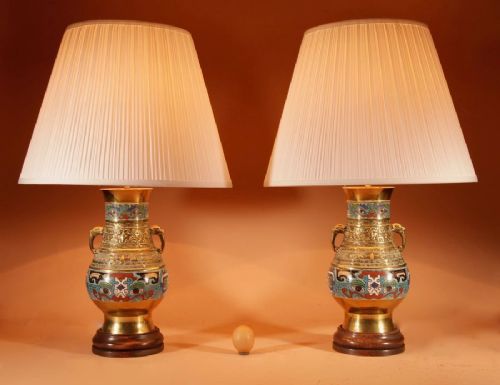
Makers constructed these lamps using durable materials such as brass, gilt bronze, and carved marble, frequently combining stone bodies with cast metal mounts. Artisans applied patination, gilding, or champlevé enamel to metal surfaces to create decorative contrast.
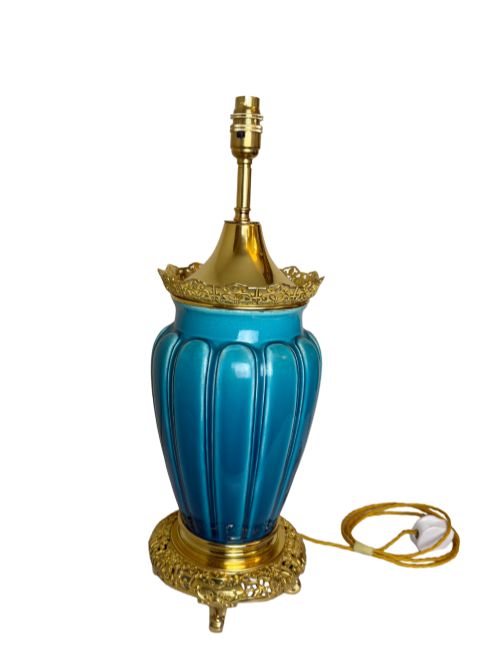
Ceramic components involve porcelain, Satsuma earthenware, and crackle ware bodies, sometimes painted with pate sur pate details or floral motifs. Workshops then mounted these vessels onto weighted bases to provide stability for electrical components.
Listings feature materials spanning bronze, marble, porcelain, and fabric across periods from the seventeenth century through to the Art Deco era.
What varies in quality
Quality rests upon the crispness of the metal casting and the depth of the original gilding or patination on bronzes and brass mounts. Finer pieces display sharply defined rams' heads, foliate scrolls, and securely fitted bases that integrate harmoniously with the central vessel.
The distinction also lies in the provenance and artistic execution of the ceramic or stone body, whether hand-painted porcelain or finely turned alabaster and marble. Superior examples maintain the structural integrity of the original antique vessel without compromising the proportions required for a stable lamp.
Druce & Co London·Royal Worcester·Hicks and Meigh
The Vintage Urn Table Lamp Glossary
- Ormolu
- Gilded bronze, often utilised for mounts and decorative trim on nineteenth-century pieces. The technique involves applying a mercury and gold amalgam to cast bronze before heating.
- Champlevé
- An enamelling technique where troughs are dug into a metal surface and filled with vitreous enamel before firing. This method produces intricate coloured patterns across bronze and brass bodies.
- Pate sur pate
- A ceramic decorating method where raised white relief designs are painted onto a contrasting coloured clay body. This technique creates a cameo-like effect on porcelain surfaces.
- Ewer
- A large jug with a wide spout and handle, frequently adapted into lamp bases during the nineteenth and twentieth centuries. These vessels draw on classical forms intended originally for pouring water.
Vintage Urn Table Lamp: Frequently Asked Questions
How are these lamps wired?
Many older pieces have been rewired to meet modern electrical standards while preserving their original exterior fittings and switches. Dealers often update internal cords and lamp holders for safety during conversion.
Buyers should check the plug type and bulb wattage compatibility to ensure the lamp suits their local electrical system.
Where should I place an urn lamp?
These substantial pieces anchor side tables, sideboards, and large desks where their height and sculptural silhouette provide balanced illumination. Their classical proportions work well in traditional and eclectic living spaces alike.
Ensure the surface is sturdy enough to support heavier marble or bronze bases safely.
How do I identify the period?
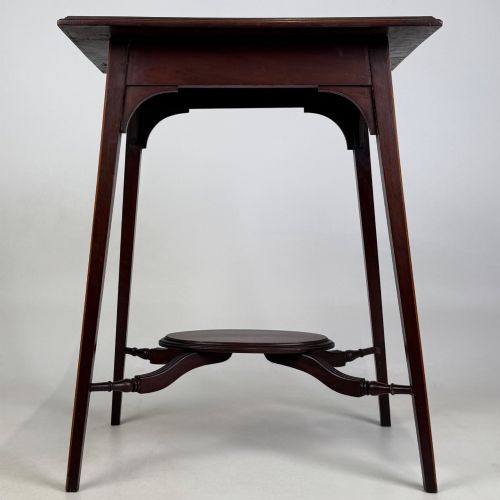
Dating relies on stylistic clues such as Neoclassical mounts, Art Deco geometric lines, or Victorian brass casting techniques. Materials like Meiji period Japanese bronze or Edwardian mahogany-associated placement offer further context.
Inspect the construction methods of the base and any maker marks on the ceramic or metal components.
Can I find matching pairs?
Matching pairs appear frequently among nineteenth-century French and Japanese listings, often originating from garniture sets or candelabra conversions. These twin lamps provide symmetrical lighting for mantelpieces or dual bedside tables.
Single lamps also feature prominently for accent lighting in smaller corners.