



Cream Pleated Table Lamp
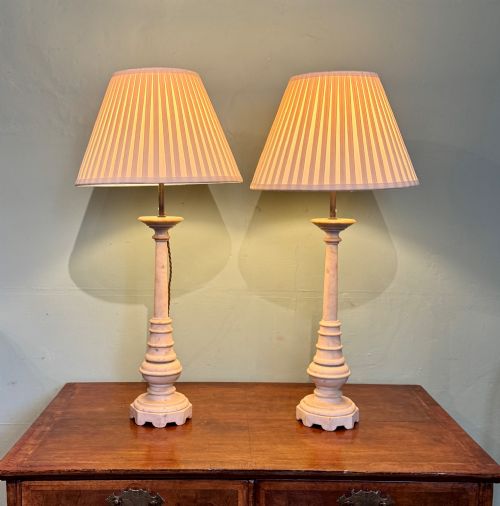
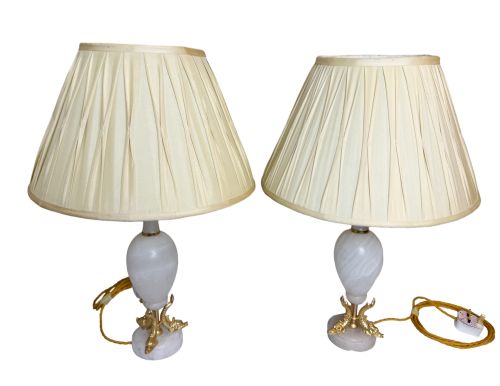
These cream pleated table lamps transform converted vases, urns and statues into practical lighting across centuries of craftsmanship.
Cream Pleated Table Lamp
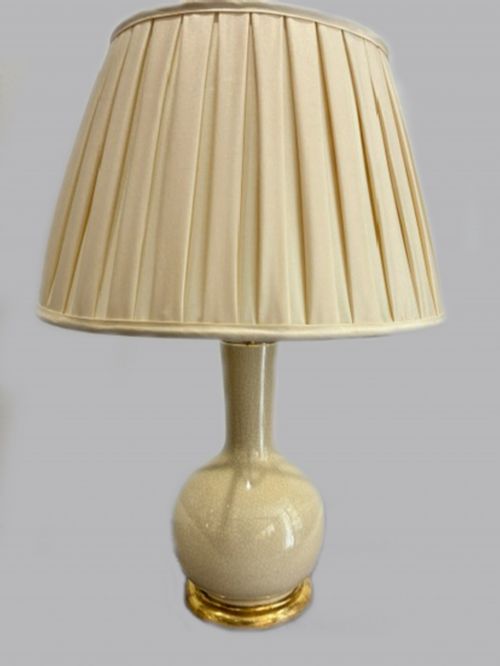
A cream pleated table lamp brings together fabric shades and bodies formed from porcelain, ceramic, bronze, marble, alabaster and wood. These pieces span centuries of production, stretching from the seventeenth century through the nineteenth century and into the twentieth century.
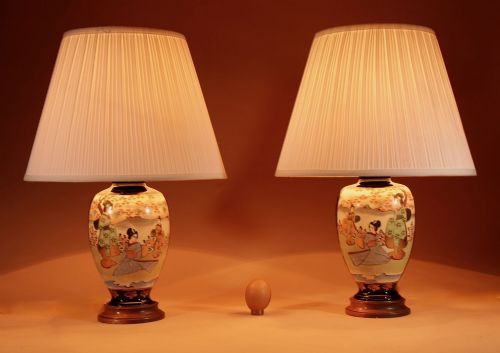
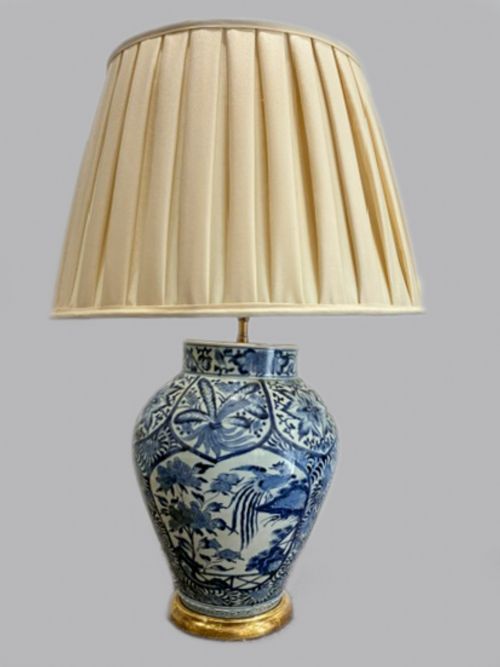
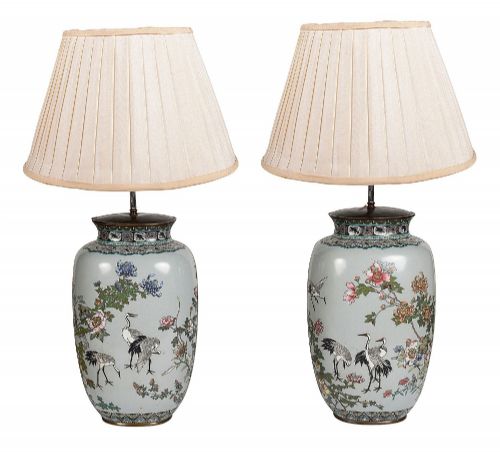
The bodies of these lamps frequently originate as Japanese, Chinese or European vessels and figures. Japanese Satsuma, Chinese blue and white porcelain, and French ormolu-mounted vases appear converted into lamp bases.
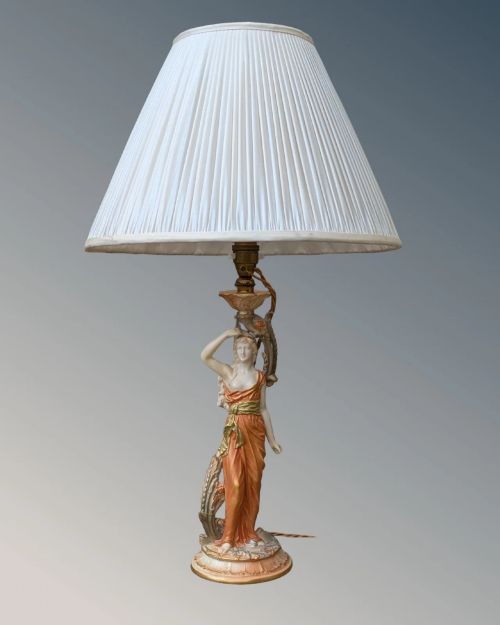
Moulded plaster, onyx, crystal and spelter also form the bases in this selection. Buyers encounter both single examples and matched pairs suited for symmetrical placement on side tables or consoles.
Materials and Construction
Construction combines fabric shades with rigid bodies of ceramic, stone or metal. Stoneware and porcelain vases undergo drilling or mounting to accept electrical fittings, while bronze and gilt brass elements receive cast and chased ornamentation.
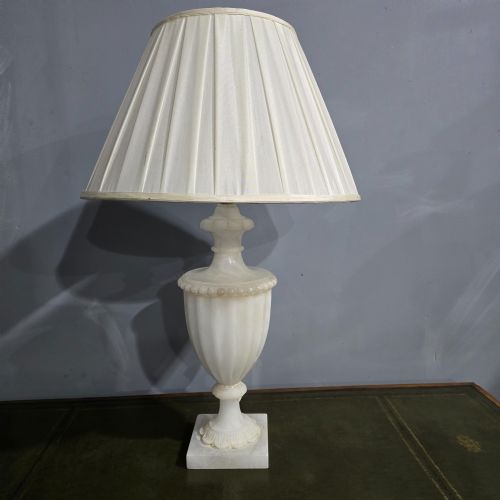
Natural stones including marble and alabaster are carved and turned to shape. Silk and woven fabrics form the pleated shades that sit atop these varied bases.
The inventory spans the seventeenth century, the eighteenth century, the nineteenth century and the twentieth century.
Judging Quality
Quality rests upon the execution of the original base vessel and the precision of its metal mounts. Hand-painted ceramic details, crisp casting in bronze and the selection of fine marble distinguish superior examples.
The integration of the lamp fittings into the antique body demonstrates care in conversion. Balanced proportions between the base and the shade determine the visual success of each piece.
Ernst Bohne and Sohn·H. Moreau
The Cream Pleated Table Lamp Glossary
- Ormolu
- Gilded bronze applied to furniture, clocks and lamp bases. This technique gained prominence in French decorative arts.
- Cloisonne
- Enamel work created by soldering wire partitions to a metal base before filling the compartments with paste. This method produces intricate colourful patterns on vases later converted to lamps.
- Satsuma
- Japanese earthenware featuring a crackled ivory glaze and detailed polychrome enamel decoration. These decorative vessels frequently serve as lamp bases.
- Alabaster
- A fine-grained stone used for carving decorative objects and lamp bodies. Its translucent quality allows light to pass through the material.
Cream Pleated Table Lamp: Frequently Asked Questions
Are these lamps converted from older vases?
Many examples utilise earlier ceramic vases, porcelain vessels or bronze figures adapted for modern lighting use.
This practice preserves historic artistry while providing functional illumination for contemporary interiors.
How do I identify the period of a lamp base?
Dating relies on the stylistic markers of the ceramic body, metal mounts and manufacturing techniques.
Japanese Meiji pieces, Chinese export porcelain and nineteenth-century European bronzes each display distinct decorative idioms.
Where should I place a pair of lamps?
Matched pairs function effectively on sideboards, mantelpieces or bedside tables where symmetry matters.
Single lamps suit narrower desks, reading corners and occasional tables.
What maintenance do these lamps require?
Gentle dusting preserves fabric shades, while stone and ceramic bases respond well to dry microfiber cloths.
Electrical components should receive regular inspection by a qualified professional.