


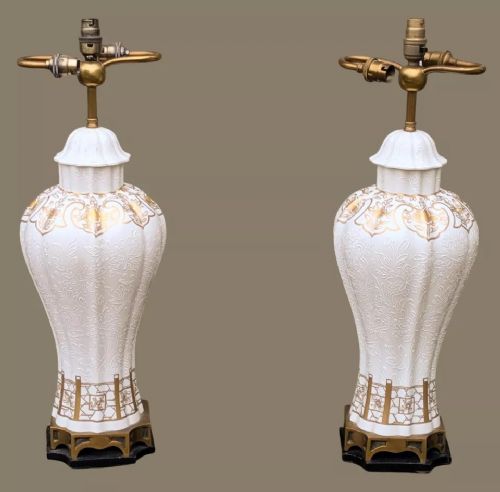


French Ceramic Lamps
French ceramic lamps bring tactile warmth and decorative depth to a room, uniting glazed porcelain, faience, and bronze mounts.
French Ceramic Lamps
These pieces combine glazed pottery bodies with wired fittings or conversion burners, bringing historical decorative arts into domestic lighting. When searching for french ceramic lamps, buyers encounter both converted antique vases and purpose-built lighting from the nineteenth and twentieth centuries.
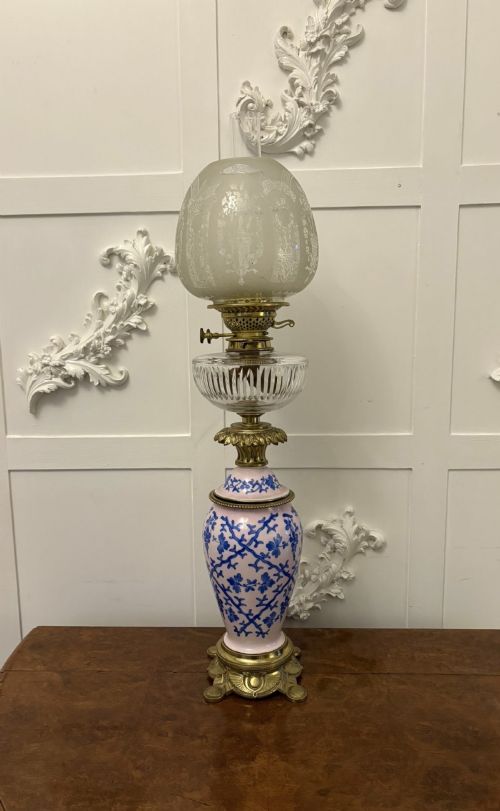
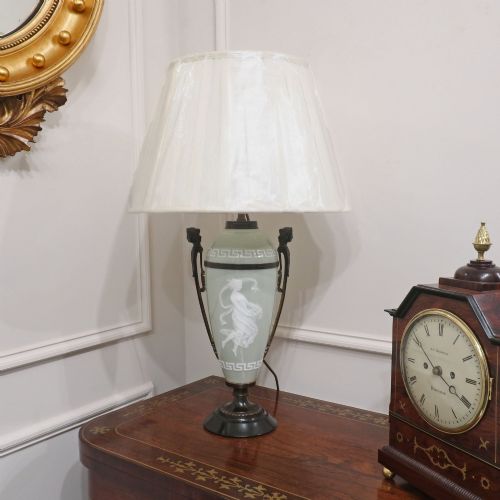
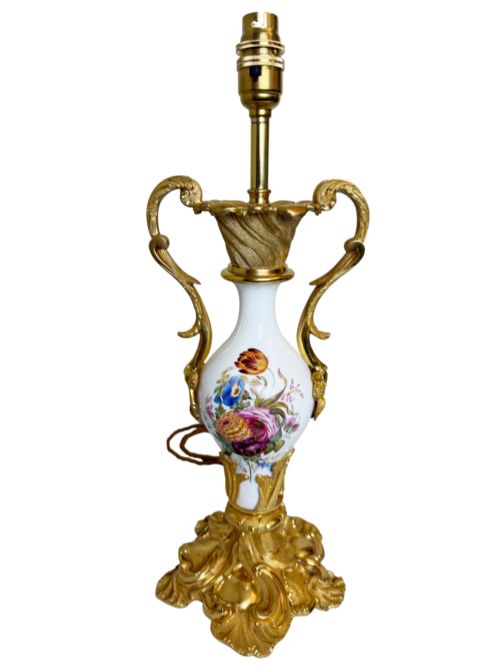
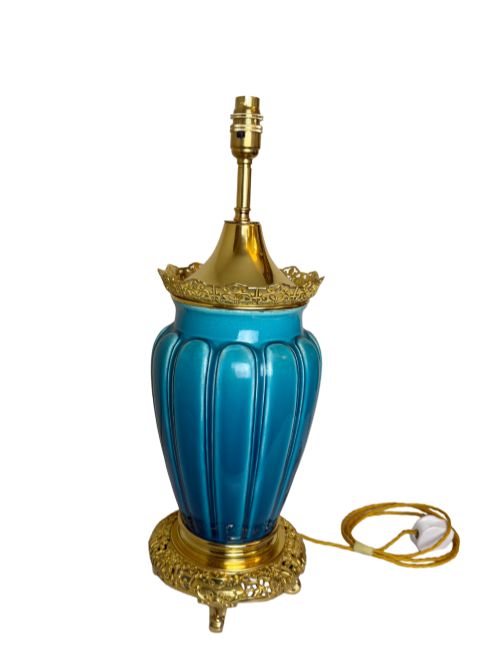
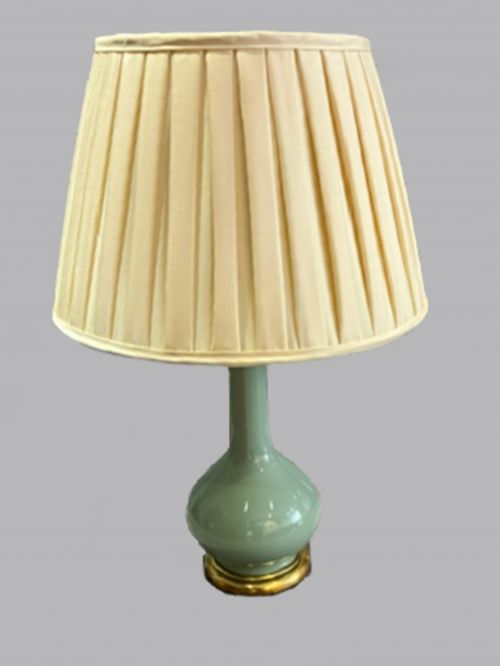
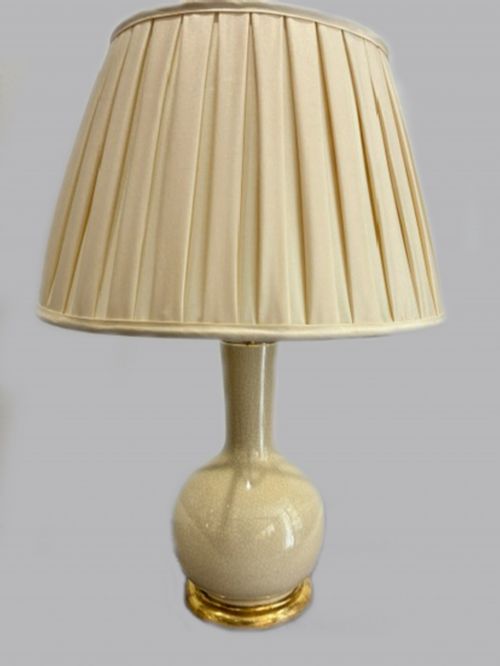
The selection spans delicate table lamps alongside larger floor or sideboard lighting. Forms range from monochrome celadon and crackle ware to elaborate Chinoiserie and Sevres style pieces.
Origins stretch from nineteenth century Parisian workshops to provincial faience potteries. Many items showcase Asian ceramic influences integrated into European domestic interiors.
Materials and construction methods
Bodies utilise hard-paste porcelain, earthenware, or faience, shaped either on the wheel or in moulds. Artisans applied hand-painted glazes, slip decorations such as pate sur pate, and intricate crackle effects before high-temperature firing.
Metal components rely on cast bronze, brass, or ormolu mounts that secure the ceramic body and house the electrical or oil mechanism. Gilt toleware and fabric elements complete the assembly, often secured with pins or threaded rods.
The site listings feature nineteenth century porcelain, faience, and bronze, with styles spanning Chinoiserie, Art Deco, and French Neoclassical.
Assessing quality and execution
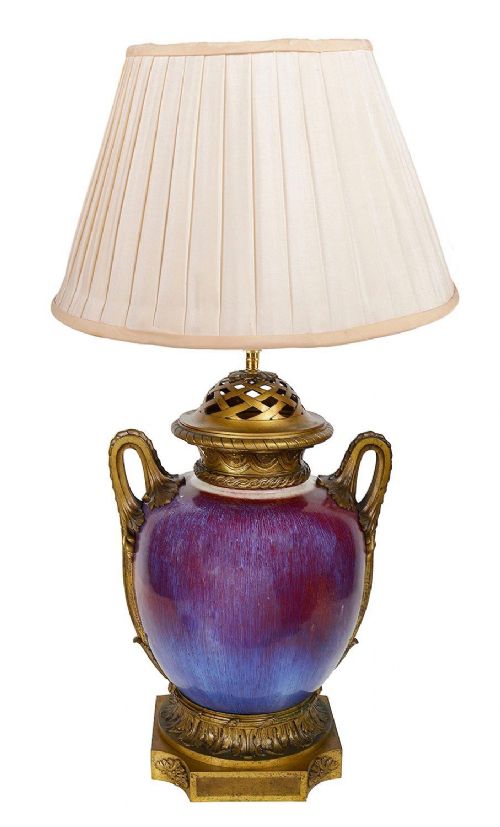
Quality rests on the crispness of the ceramic moulding and the refinement of the hand-painted details. Finer examples display subtle tonal gradations in the glaze and precise registration of enamelled motifs.
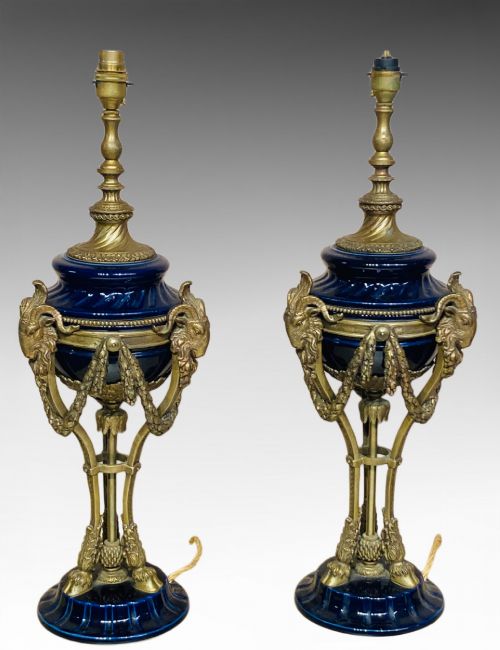
The standard of the metal mounts dictates the overall calibre of the piece. Heavy, finely chased ormolu or cast bronze mounts that integrate seamlessly with the ceramic body distinguish superior items from simpler conversions.
Argilor Paris·Gien France
The French Ceramic Lamps Glossary
- Ormolu
- Gilded bronze mounts applied to furniture, clocks, and ceramic bases. This technique creates a rich decorative contrast against glazed porcelain.
- Pate sur pate
- A porcelain manufacturing technique where liquid clay is applied layer upon layer to create a low relief cameo effect. It requires immense skill to achieve delicate translucency.
- Faience
- Tin-glazed earthenware produced across continental Europe. It provides an opaque white surface suitable for painted decoration.
- Toleware
- Painted or lacquered sheet metal used for decorative objects and lighting components. It often mimics the appearance of heavier metalwork.
- Celadon
- A pale green jade-like glaze originating in East Asia and later emulated by European potteries. The colour results from iron oxide in the glaze fired in a reduction atmosphere.
French Ceramic Lamps: Frequently Asked Questions
How do I wire an antique lamp safely?
Rewiring requires threading modern flexible cable through the existing central channel without damaging the antique ceramic body. Many collectors employ a professional electrician to fit modern lamp holders while preserving original bronze or brass components.
Older burners or switches can be bypassed or retained purely for display, ensuring the piece meets current safety standards for daily domestic use.
Are these lamps converted from old vases?
Many examples began life as decorative vases, oil lamps, or garniture pieces before receiving electrical conversions later in their lifespan. Vases were often drilled carefully through the base to accommodate internal wiring.
Other items were manufactured specifically as lighting fixtures from the outset, combining ceramic bodies with matched metal mounts during their initial production.
How do I clean ceramic and ormolu mounts?
Ceramic surfaces tolerate gentle dusting with a soft brush and occasional wiping with a damp cloth if the glaze is fully stable. Avoid submerging antique bases that contain plaster or weighted interior filling.
Ormolu mounts need minimal intervention; simple dry dusting prevents dust accumulation without stripping the historic gilt finish.
How can I tell a Sevres style piece from an original?
Sevres style pieces emulate the famous French royal porcelain manufactory aesthetic through hand-painted florals, bleu celeste grounds, and gilt highlights. True factory marks require careful comparison with archival documentation.
Many high quality nineteenth century ateliers produced pieces in this manner without intending to deceive, focusing instead on decorative excellence.