


Victorian Ceramic Table Lamp
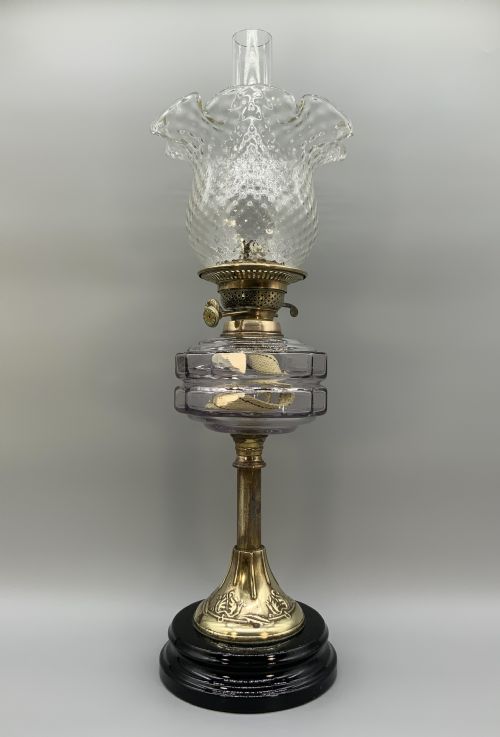
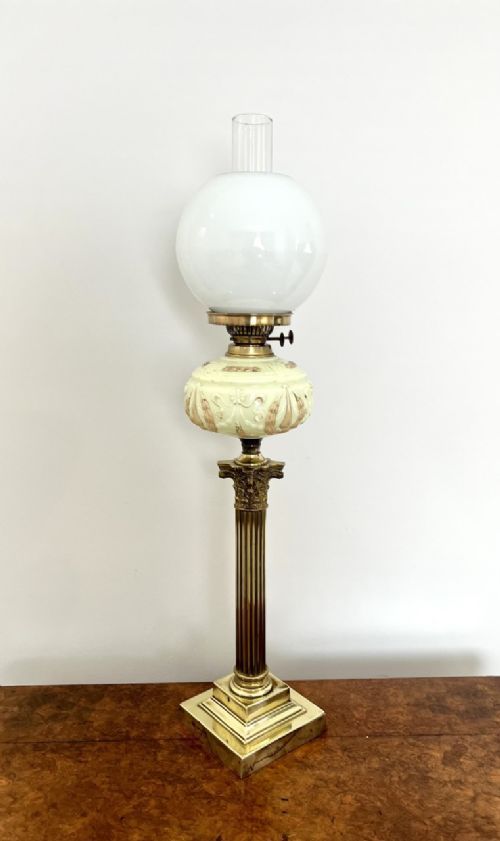
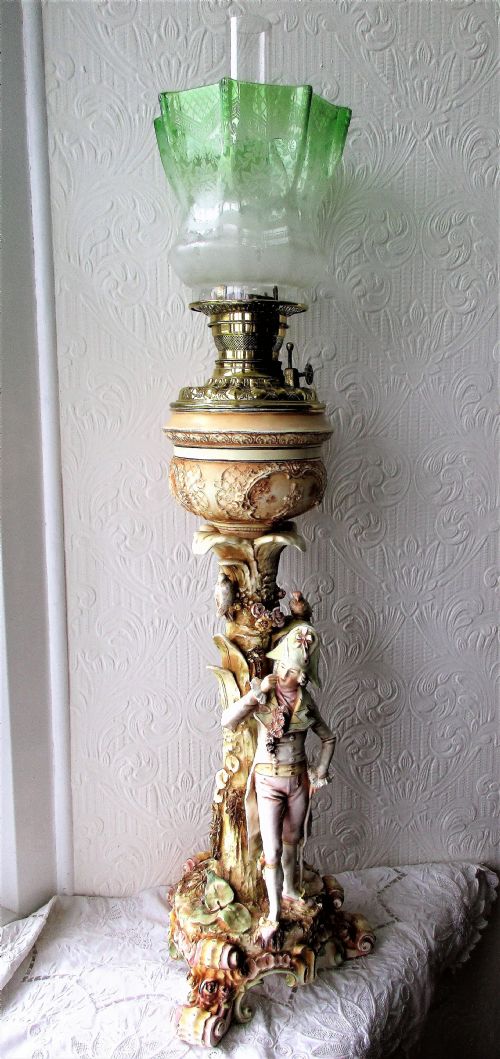
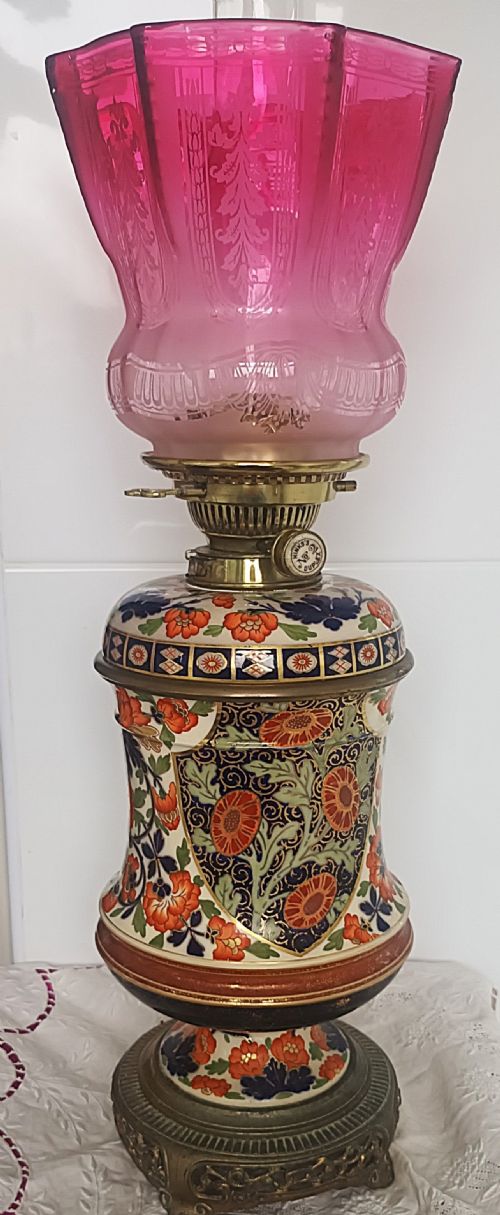
A victorian ceramic table lamp brings heavy nineteenth-century presence to a room, combining painted clay bodies with heavy metal mounts.
Victorian Ceramic Table Lamp
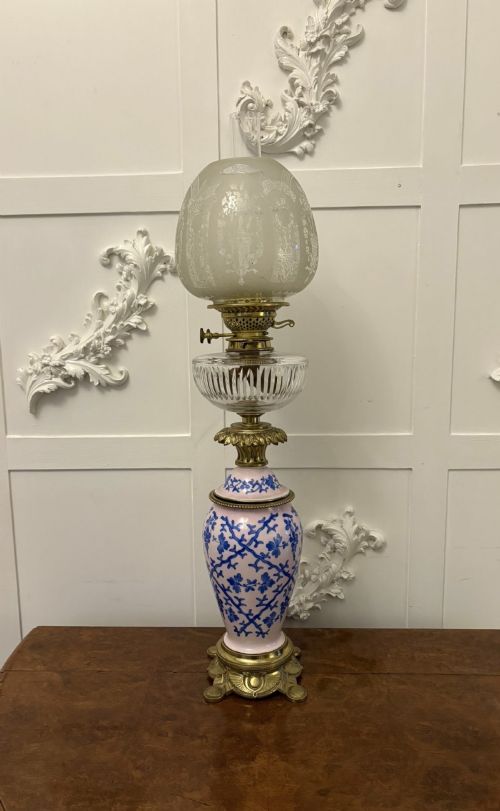
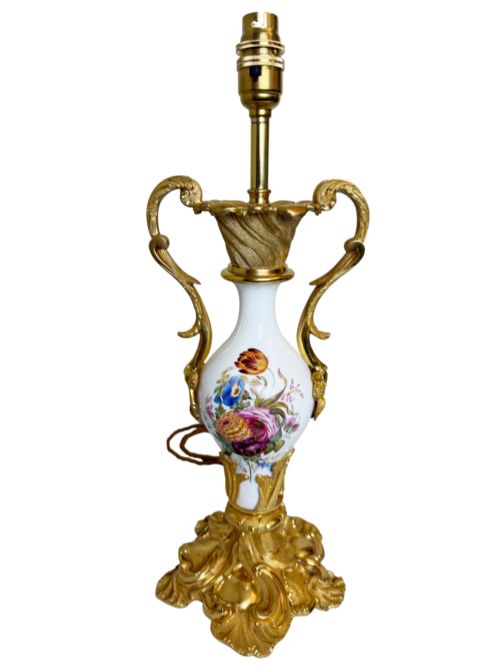
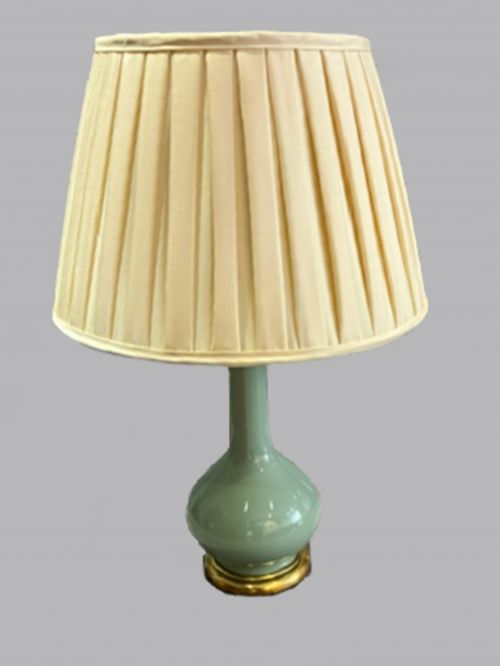
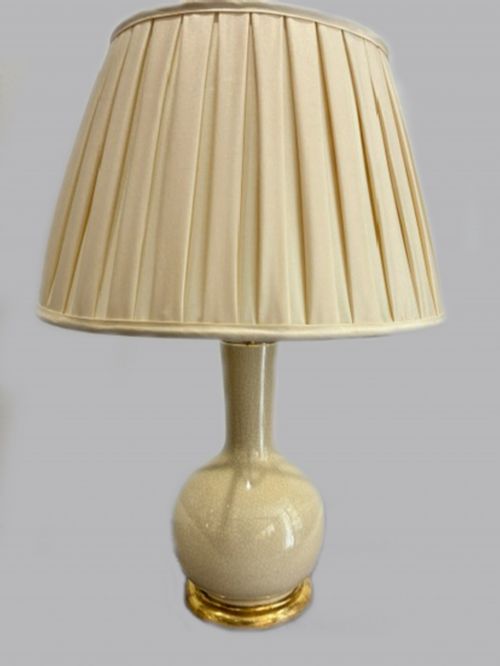
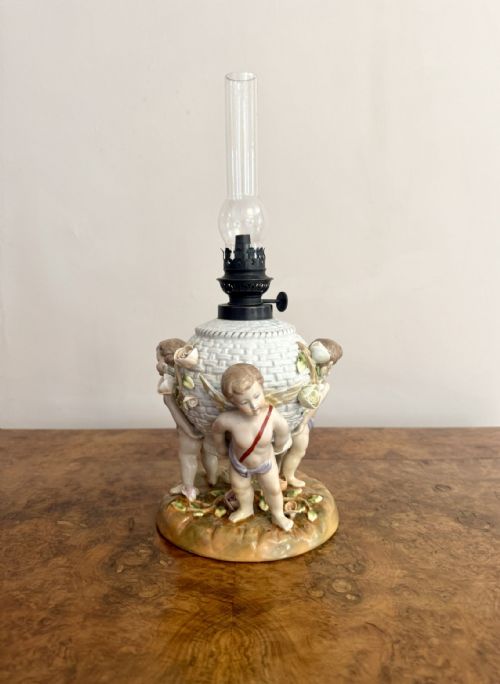
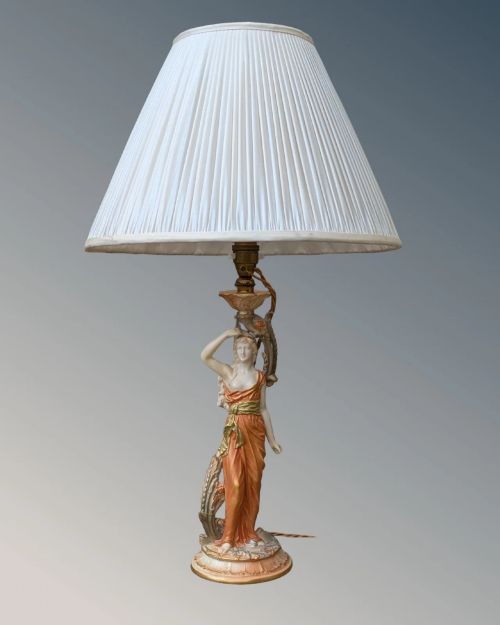
A victorian ceramic table lamp is typically formed from converted oil lamps or decorative vases mounted with brass, ormolu, or gilt bronze. These pieces frequently display influences from Rococo Revival, Chinoiserie, Art Nouveau, and Neoclassical styles.
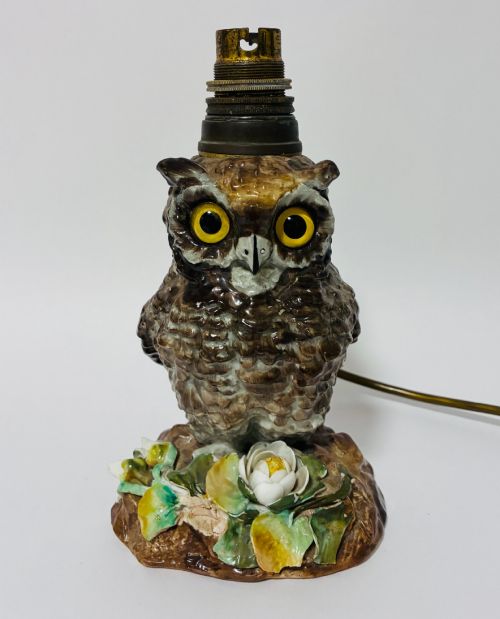
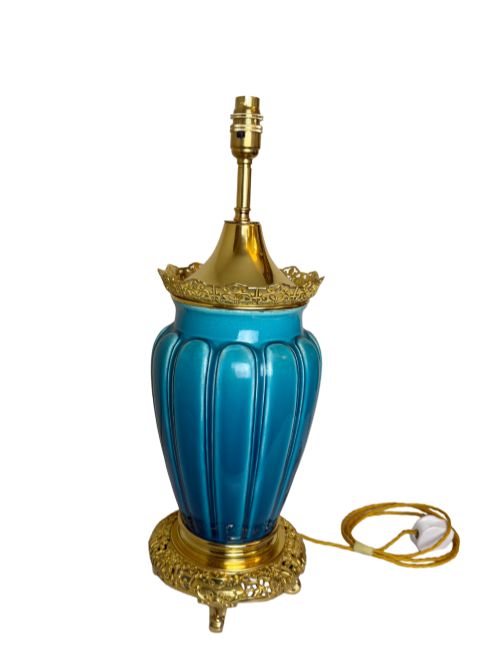
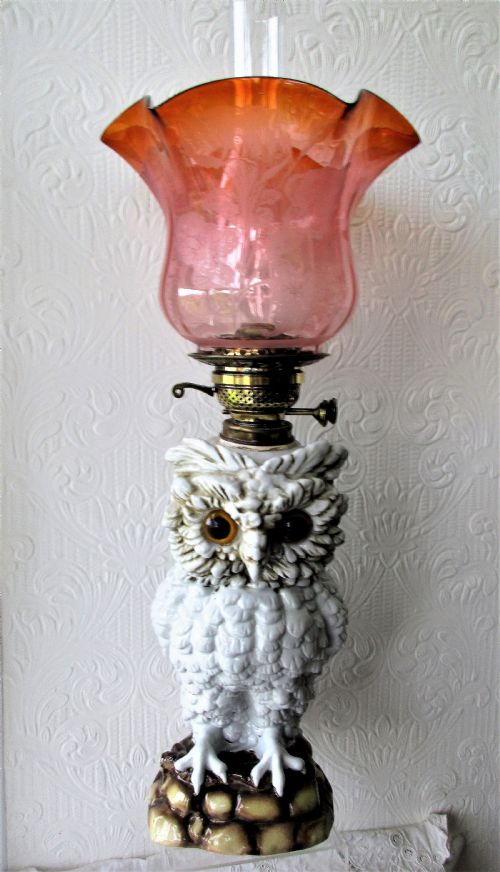
The ceramic bodies range from plain white and cream glazes to turquoise, celadon, crackle ware, and intricate figural subjects such as owls or dogs. Many examples hail from English, French, and German factories, spanning the nineteenth century into the Edwardian period.
Materials and construction
Makers combined ceramic or porcelain bodies with cast brass, ormolu, and bronze bases, often pairing them with hand-blown glass shades and fabric elements. Glazed pottery and porcelain formed the central pillars, whilst metal mounts provided structural stability and decorative handles or collars.
Many items started life as oil lamps or decorative vases before conversion into electric lighting, retaining their original burner assemblies or ceramic wells.
Listings feature ceramics combined with brass, gilt bronze, and glass across Victorian, Edwardian, and Art Nouveau periods.
Judging the range
Quality rests upon the crispness of the porcelain moulding and the artistic merit of the hand-painted decoration, alongside the weight and detail of the brass or gilt bronze mounts. Pieces bearing factory marks from established potteries generally command greater attention than unmarked domestic wares.
The structural integrity of the ceramic body and the integration of the metal fittings determine the overall success of the piece.
Sitzendorf·Royal Worcester·Hinks·Taylor Tunnicliff·Royal Doulton·Burmantofts·Samuel Alcock·WF Needham
The Victorian Ceramic Table Lamp Glossary
- Ormolu
- Gilded bronze used for mounts and decorative trim. It provides a bright metallic finish alongside ceramic bodies.
- Famille Verte
- A Chinese porcelain palette dominated by green enamels. This style appears on imported vases converted into lamps.
- Majolica
- A type of earthenware coated with an opaque tin glaze. It is known for vibrant coloured lead glazes.
- Spelter
- A zinc alloy frequently used as a cheaper substitute for bronze. It appears in gilded bases and decorative mounts.
- Imari
- Japanese export porcelain decorated in underglaze blue and iron red with gold additions. These decorative patterns feature on nineteenth-century lamp bases.
Victorian Ceramic Table Lamp: Frequently Asked Questions
Were these originally electric lamps?
Most victorian ceramic table lamps began as oil-burning lamps or decorative vases before later conversion to electricity.
This adaptation often involves retaining the original burner mechanisms or drilling the ceramic base for modern wiring.
How do I identify a Victorian ceramic lamp?
Look for heavy brass or ormolu mounts combined with nineteenth-century porcelain bodies and period glazing styles like celadon or crackle ware.
Factory marks, figural subjects such as owls, and classical revival motifs also point towards the period.
Can I use standard lampshades with them?
Many lamps accommodate standard fittings, though the proportion requires careful consideration given the substantial weight and ornate mounts of the ceramic bodies.
Original configurations often utilised hand-blown glass shades or fabric alternatives.
Where should I place a ceramic lamp?
These pieces suit side tables, desks, or living room surfaces where their detailed glazes and metal mounts serve as focal points.
Ensure the surface supports the combined weight of the ceramic body and metal hardware.