


Vintage Tin Glazed Pottery
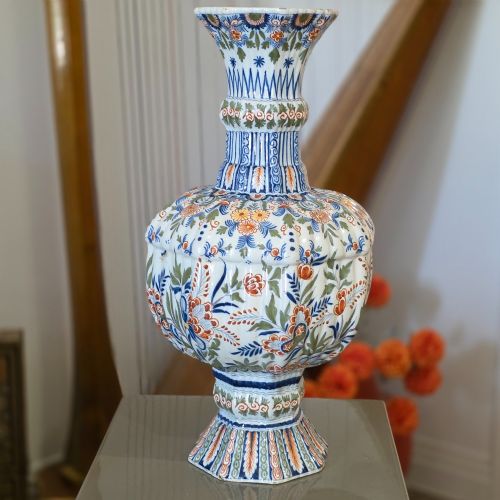
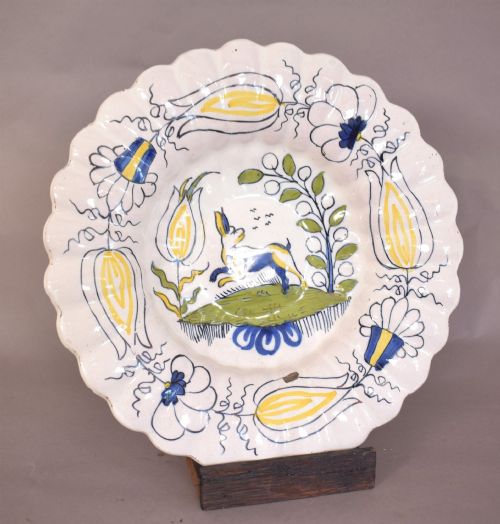
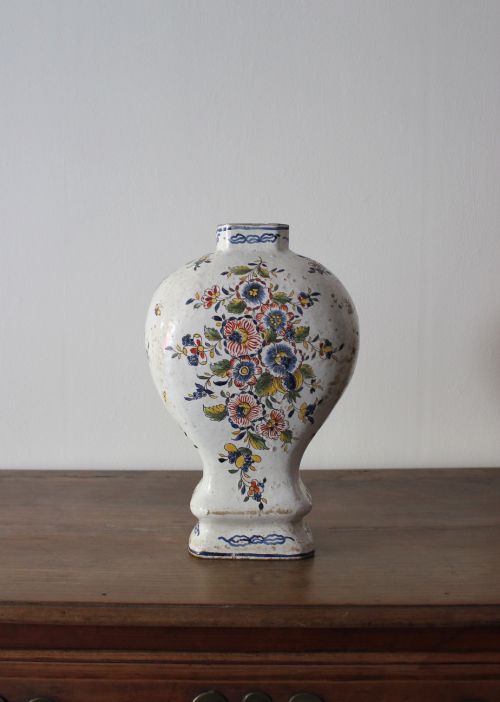
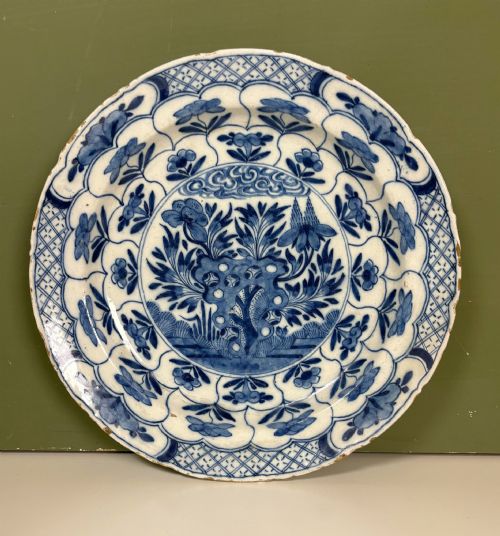
Vintage tin glazed pottery brings together centuries of earthenware, faience and majolica painted in blue and white, manganese and polychrome pigments.
Vintage Tin Glazed Pottery
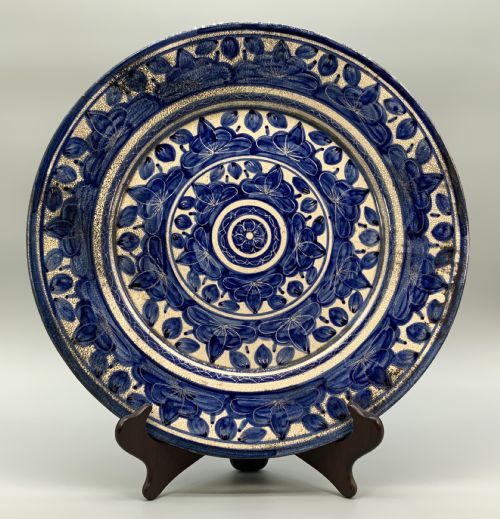
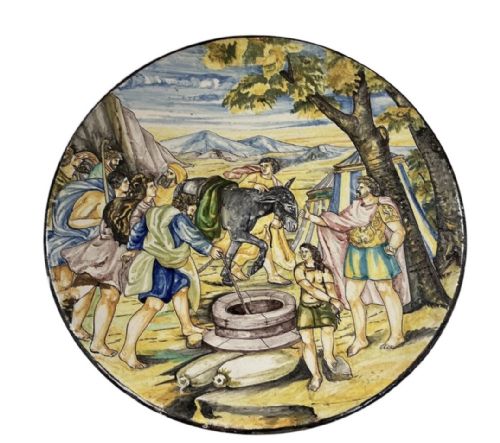
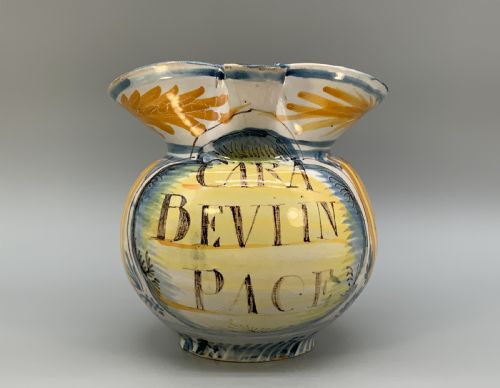
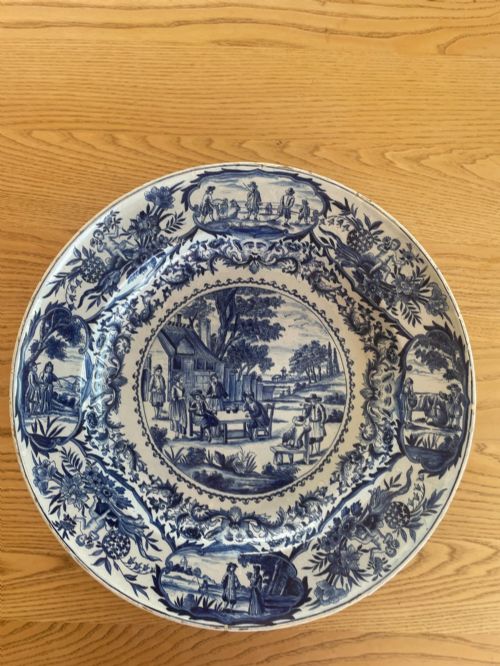
Vintage tin glazed pottery encompasses earthenware vessels coated in an opaque white glaze that takes cobalt pigment and other colours directly on the raw surface. Collectors searching this phrase encounter chargers, vases, pharmacy jars, sauceboats and decorative plates originating from Dutch, French and Italian workshops.
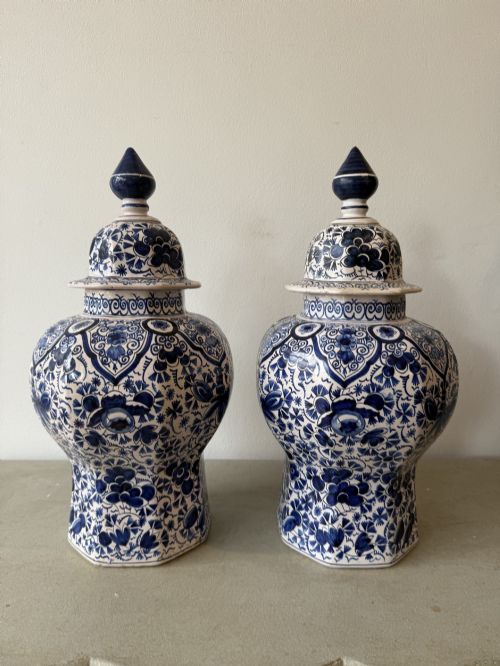
The selections span centuries, running from seventeenth-century chargers and eighteenth-century apothecary vessels down to nineteenth-century decorative plates, umbrella stands and table lamps. Dutch delftware and French faience dominate the offerings, alongside Italian majolica and regional wares decorated in blue and white or polychrome palettes.
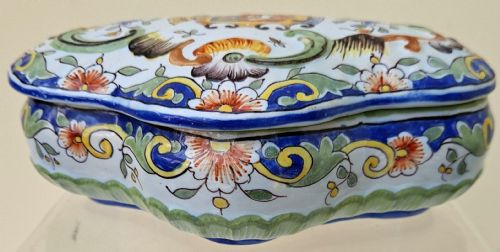
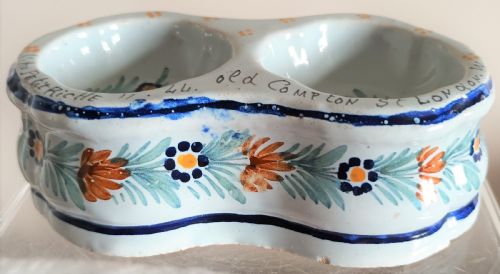
Functional items such as inkstands, salt cellars and lidded boxes sit alongside large display chargers and urns. Buyers find both domestic tableware and robust decorative objects intended purely for interior display.
How they were made
Potters shaped local clays into earthenware bodies before dipping them into a liquid glaze containing tin oxide, which dried to a chalky white surface ready for painting. Artisans applied cobalt pigment, manganese, yellow and other mineral colours by hand before firing the piece to fuse the pigments with the glaze.
Grand feu techniques required a high-temperature firing that fixed the pigments firmly into the opaque white coating, while other pieces received an additional lead glaze overcoat to deepen the gloss. Workshops utilised lead, tin and silicate minerals to achieve the characteristic glossy finish associated with faience and delftware.
Potters painted lifelike cows, whimsical Toby jugs and bustling chinoiserie landscapes onto smooth white tin glaze.
What varies in quality
Quality rests upon the crispness of the hand-painted brushwork and the control demonstrated during the high-temperature firing process. Pieces with finely detailed chinoiserie scenes, rich manganese highlights or balanced polychrome palettes represent the upper tier of production.
The depth of the white tin glaze and the absence of heavy clouding in the background glaze distinguish superior examples from standard utilitarian wares. Earlier seventeenth and eighteenth-century specimens often exhibit greater artistic ambition in their pictorial subjects than later nineteenth-century revival pieces.
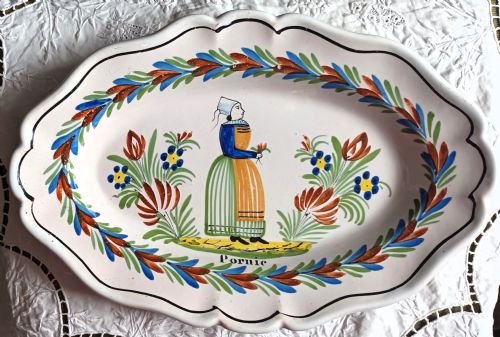
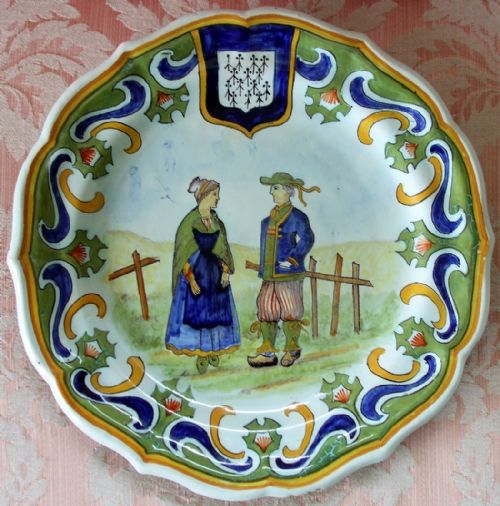
Quimper·Desvres·Gien·Cantagalli·Rouen
The Vintage Tin Glazed Pottery Glossary
- Tin-Glaze
- Earthenware coated with a glaze containing tin oxide to produce an opaque white surface. This technique forms the foundation of delftware, faience and majolica.
- Faience
- European tin-glazed earthenware originating in France, Italy and other regions. The term covers a wide range of decorative plates, jars and tableware.
- Albarello
- A cylindrical earthenware jar used by apothecaries to store drugs and ointments. These vessels frequently feature polychrome or blue and white painted decoration.
- Grand Feu
- A high-temperature ceramic firing technique that bonds painted metal oxides directly into the raw tin glaze. This method produces durable surfaces with integrated colours.
- Chinoiserie
- European artistic styles reflecting Chinese decorative motifs. Potters painted these imaginary oriental landscapes in cobalt blue upon chargers and vases.
Vintage Tin Glazed Pottery: Frequently Asked Questions
How do I clean vintage tin glazed pottery?
Dust these ceramic pieces gently with a soft, dry cloth to protect the historic glaze surfaces. Avoid immersing porous earthenware in water, particularly pieces with old hairline fractures or historic repairs.
Harsh detergents and scrubbing brushes damage the tin glaze and soften painted cobalt or polychrome pigments. Professional conservation cleaning is recommended for delicate or heavily damaged items.
Are these pieces safe for food use?
Historic tin glazed earthenware often contains lead within the glaze matrix and should be treated as decorative display items. Modern food safety standards do not apply to antique ceramics from earlier centuries.
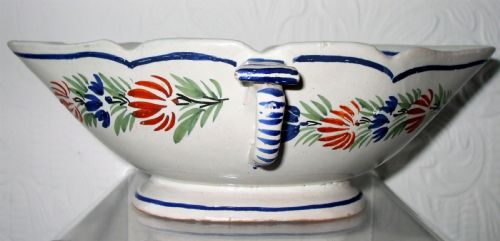
Display chargers, plates and sauceboats serve best as visual focal points on walls, sideboards or tables rather than active tableware.
Can I display vase lamps safely?
Vase lamps converted from antique vessels allow collectors to incorporate historic ceramics into modern interior lighting schemes. Ensure that any electrical wiring meets current safety standards and has been installed without drilling destructive holes through the ceramic body.
Position these lamps away from high-traffic areas where cords might pull against the antique base.