


White Faience Plate
These white faience plate examples bring centuries of tin-glazed earthenware and hand-painted artistry straight to your wall or table.
White Faience Plate
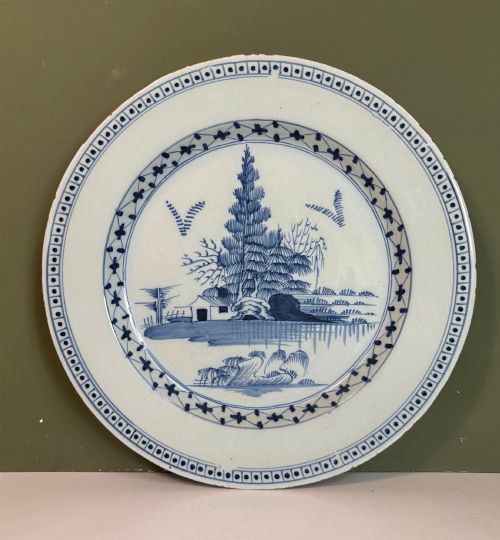
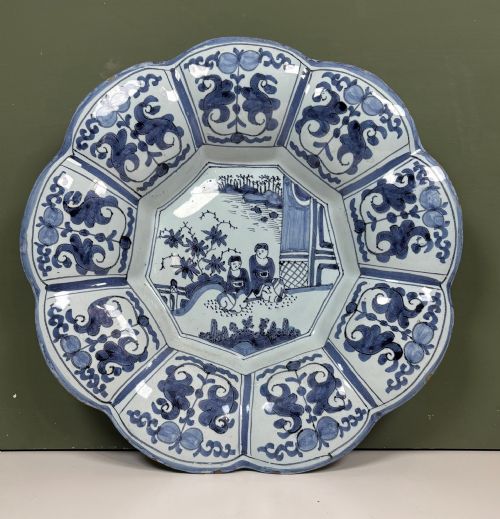
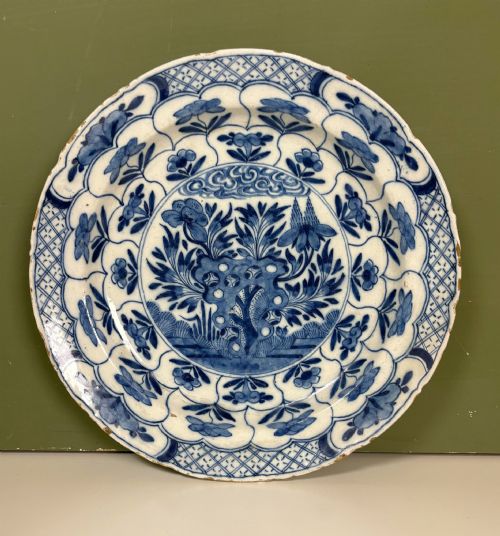
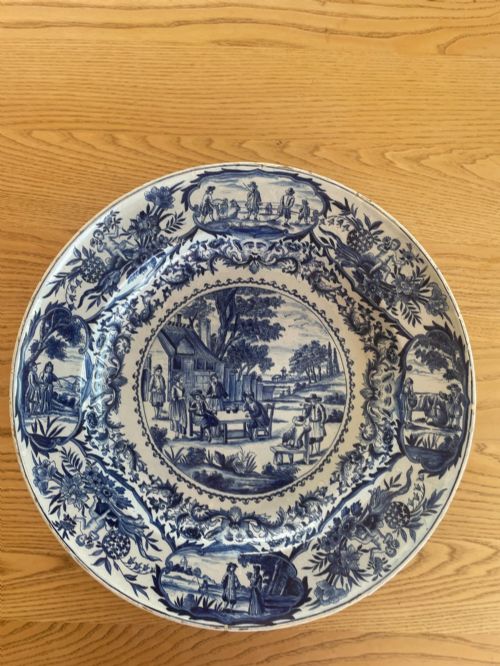
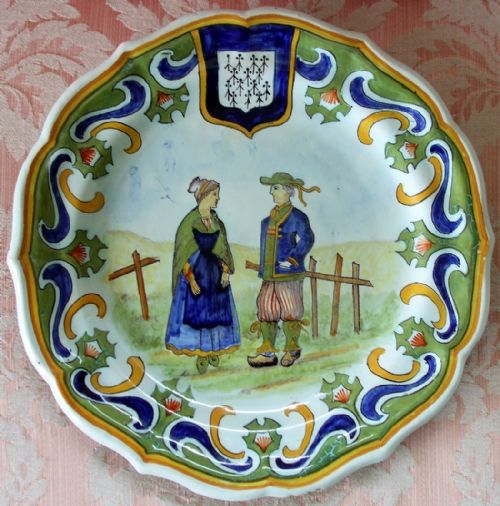
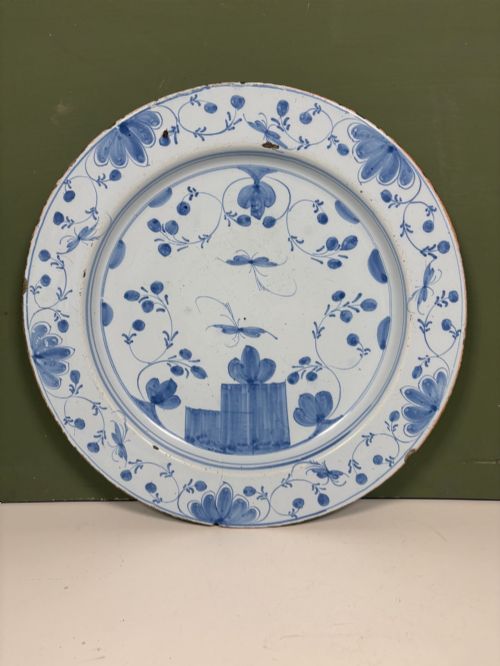
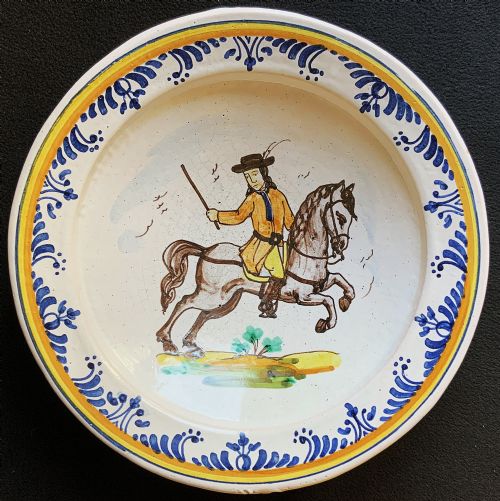
A white faience plate is a tin-glazed earthenware vessel found in forms such as chargers, decorative plates, and large wall dishes. When you search for a white faience plate, you encounter items spanning from the seventeenth century through to the twentieth century, with a strong showing of eighteenth-century Dutch delftware.
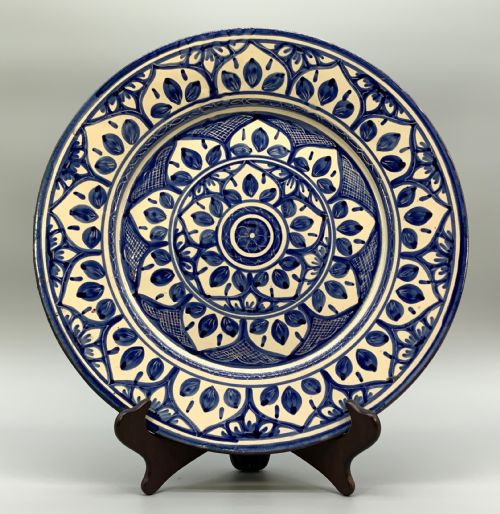
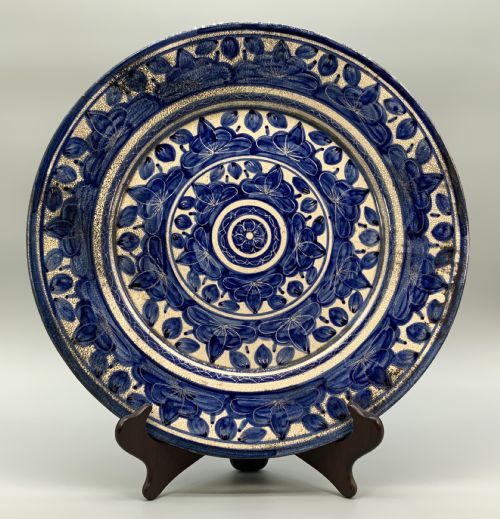
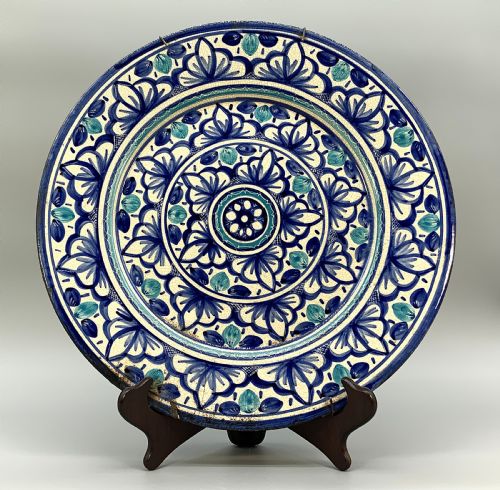
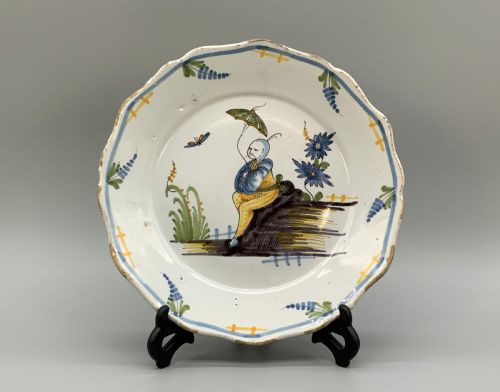
The selection ranges from small plates to huge decorative chargers, incorporating regional European traditions including French, Spanish, English, and Italian works. The seventeenth and eighteenth-century pieces often display classic blue and white painting or manganese and yellow highlights, while later twentieth-century items introduce Moorish revival styles.
Most entries on this page centre on utilitarian and decorative chargers and plates shaped from ceramic and earthenware bodies, finished with opaque tin glazes. Buyers meet everything from humble provincial tableware to grand display chargers meant for formal rooms.
How they were made
Potters formed these items using ceramic and earthenware bodies, coating the fired clay in a thick tin glaze that produced an opaque white surface. This white tin-glazed earthenware provided a smooth ground for subsequent hand-painting with cobalt pigment and other mineral colours.
Painters applied cobalt pigment and manganese directly to the unfired or biscuit-fired tin glaze, which absorbed the liquid colour before a final high-temperature kiln firing fused the decoration into the white surface.
Peacock plates, known as waaierbord, let eighteenth-century diners admire strutting birds frozen forever in cobalt blue.
What varies in quality
Quality rests primarily in the crispness of the hand-painting and the purity of the white tin glaze ground. Early eighteenth-century and seventeenth-century items often show finer brushwork and more sophisticated botanical or figurative layouts than later provincial output.
The depth and brilliance of the cobalt pigment against the white tin glaze distinguish exceptional pieces. Well-balanced proportions on large chargers and minimal distortion from the kiln firing also mark out the finer examples in this range.
Veuve Perrin·Bassano pottery works
The White Faience Plate Glossary
- Faience
- Tin-glazed earthenware produced in Europe, particularly France, Italy, and Spain. The technique involves applying an opaque white glaze over a buff or earthenware body.
- Delftware
- Tin-glazed earthenware made in the Netherlands, most notably in Delft, usually decorated in blue and white. English tin-glazed pottery is also frequently called English delft.
- Charger
- A large decorative plate or platter intended for display on a wall or sideboard rather than daily dining use. These often measure significantly wider than standard dinner plates.
- Tin Glaze
- A ceramic glaze made opaque by the addition of tin oxide, creating a white surface suitable for painting. It provides the characteristic smooth finish found on faience and delftware.
- Cobalt Pigment
- A blue metallic colorant used under the glaze to paint detailed motifs on ceramics. It withstands high kiln temperatures without losing its intense blue colour.
White Faience Plate: Frequently Asked Questions
What is a white faience plate?
A white faience plate is a piece of tin-glazed earthenware featuring an opaque white ceramic surface often decorated with cobalt pigment or polychrome designs. These items range from domestic plates to large decorative wall chargers.
Potters across Europe produced them over several centuries, adapting styles from Dutch delftware to French provincial designs and Moorish revival patterns.
How do I clean antique tin-glazed plates?
Clean these plates gently using a soft, dry cloth or a slightly damp sponge with mild soap if necessary. Avoid harsh scrubbing, modern dishwashers, and soaking, as moisture can penetrate old earthenware bodies and harm the tin glaze.
Caring for antique ceramics properly preserves the fragile hand-painted cobalt pigment on the surface.
How can I tell an older plate from a newer one?
Earlier pieces from the seventeenth and eighteenth centuries typically exhibit characteristic foot rims, heavier earthenware bodies, and hand-applied tin glazes with minor surface imperfections. Examining the style of the cobalt pigment painting and the wear on the base helps indicate the age.
Twentieth-century revivals often feature cleaner, more uniform glazes and distinct regional factory marks on the reverse.