
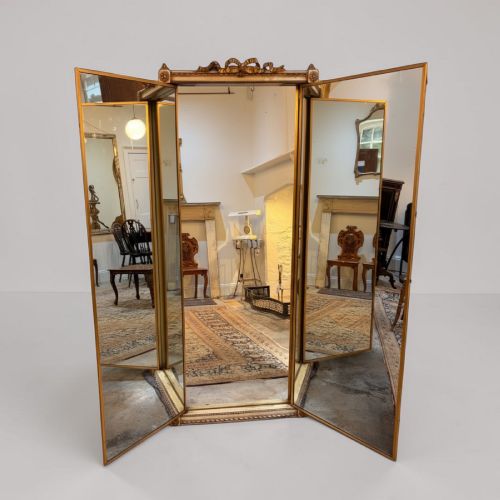
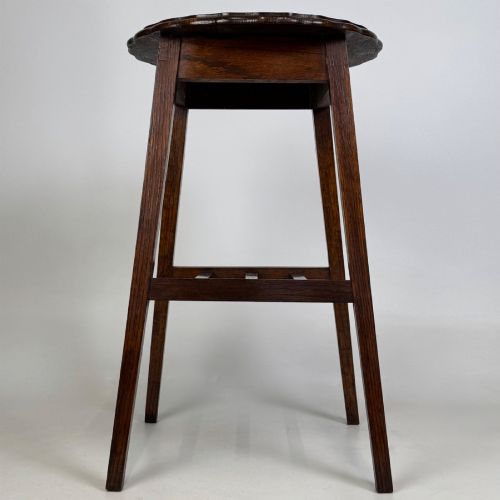
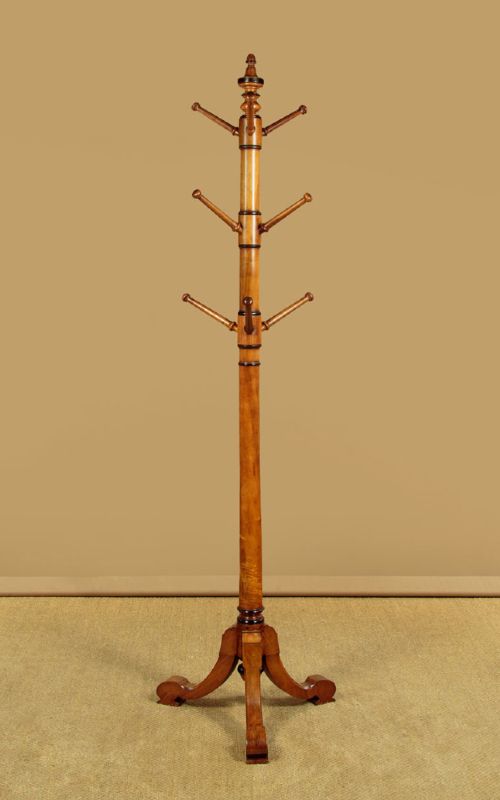
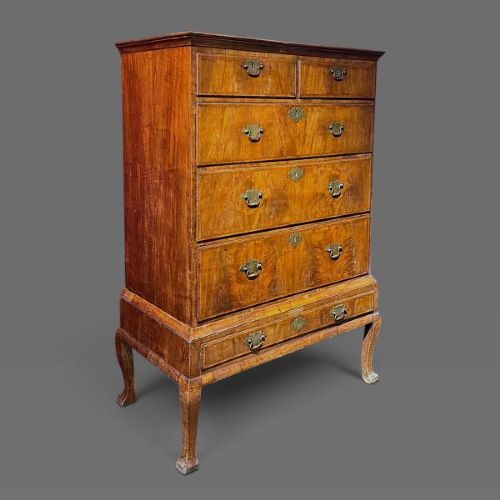
Vintage Tall Stand
A vintage tall stand draws the eye upward, bringing vertical form to corners and alcoves through slender proportions and elevation.
Vintage Tall Stand
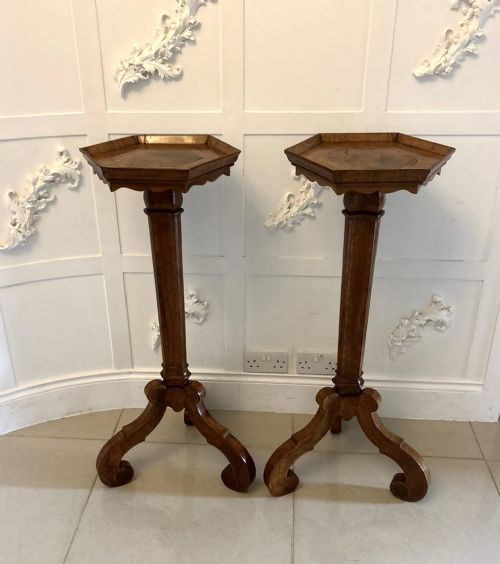
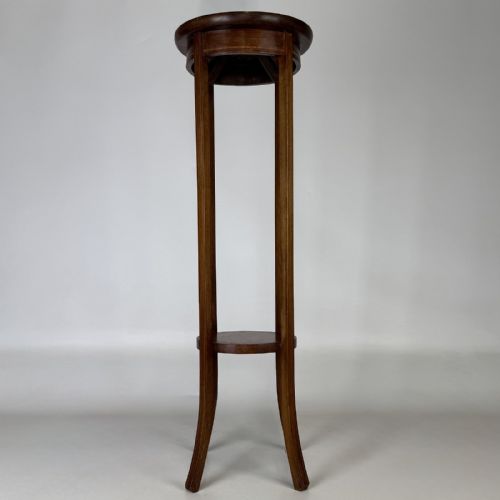
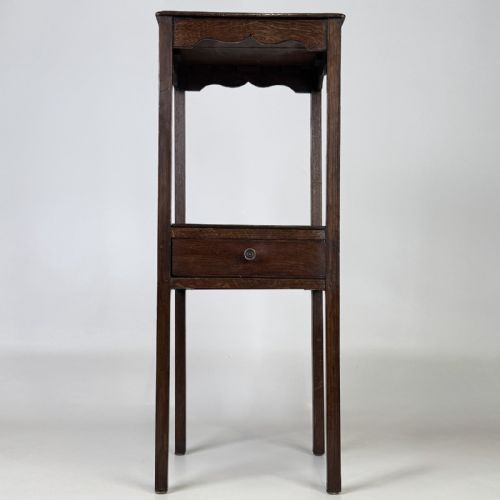
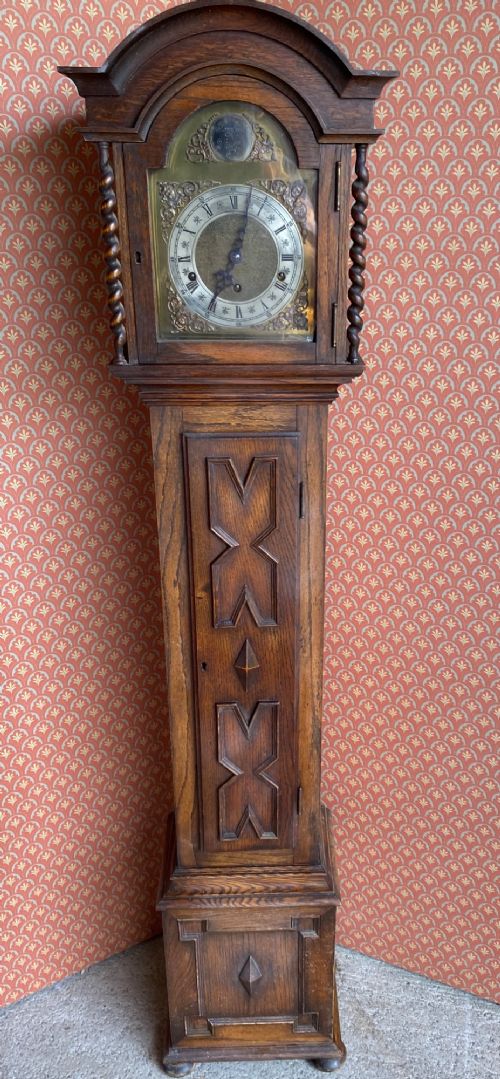
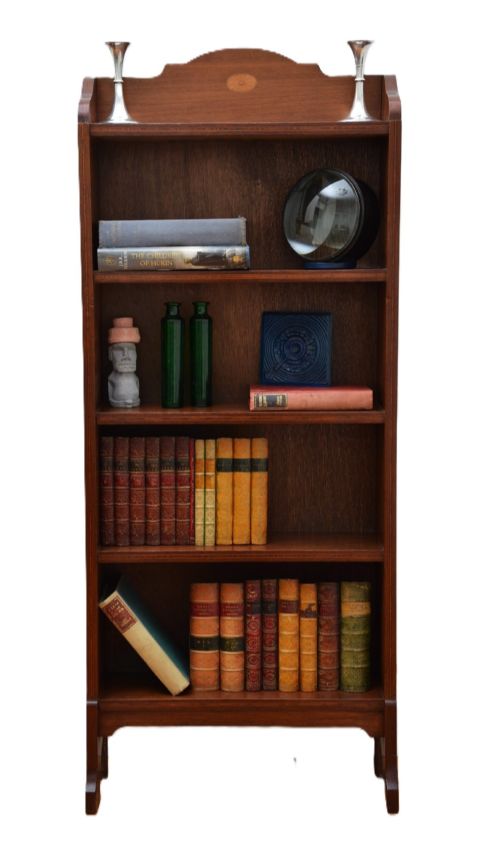
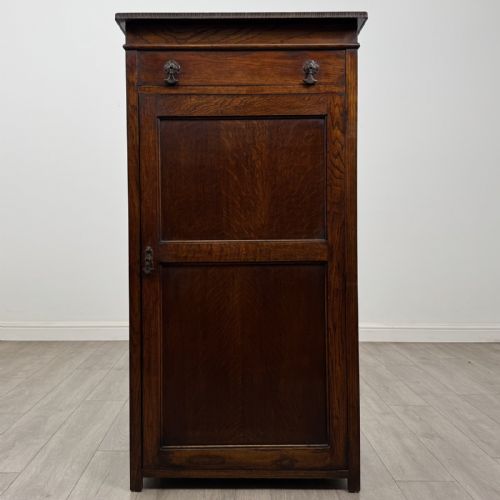
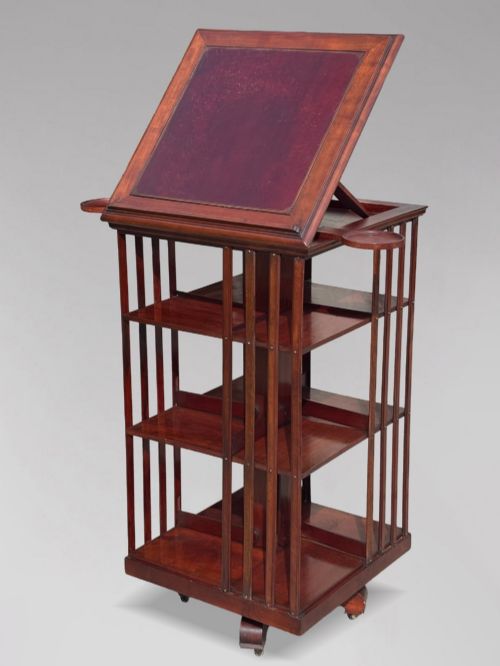
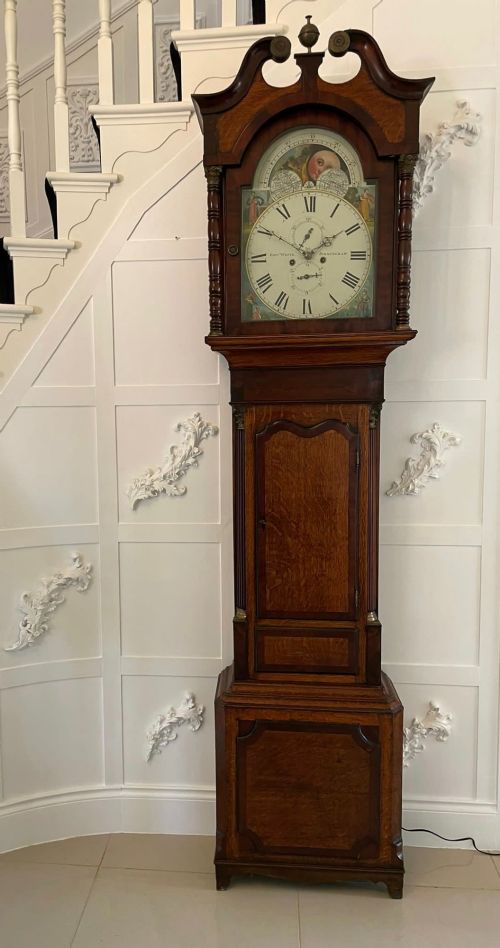
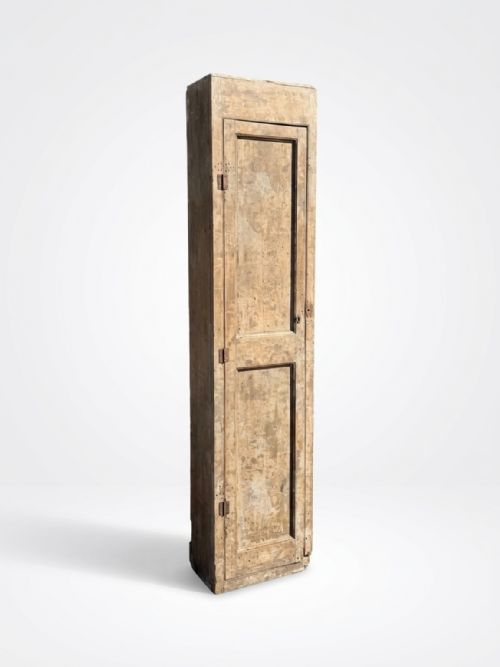
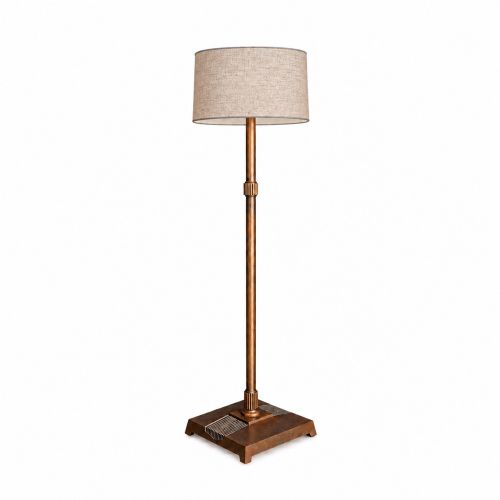
A vintage tall stand encompasses vertical furniture pieces designed to elevate objects or illuminate spaces, drawing the eye upward in a room. Buyers searching for a vintage tall stand will encounter various forms ranging from plant stands and torcheres to floor lamps and display pedestals.
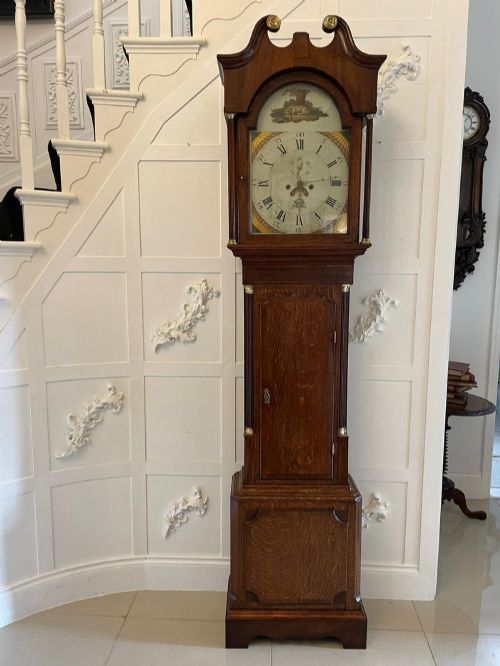
The pieces appearing on this page span several centuries, with Edwardian examples and pieces from the nineteenth century appearing frequently alongside Georgian and Art Deco designs. These vertical furnishings utilise materials such as mahogany, oak, walnut, and brass to achieve their elevated stature.
How they were made
Cabinet makers utilised timbers such as mahogany, oak, walnut, and satinwood, often employing turning and carving techniques to shape slender columns and plinths. Joinery methods varied from traditional mortise and tenon joints to secure upright sections and support elevated tops.
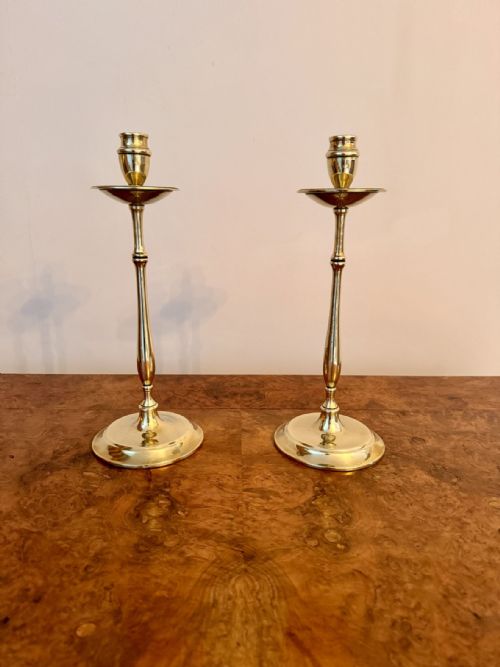
Metalworkers shaped brass, steel, and iron through casting and forging, particularly for floor lamps, candlesticks, and adjustable standard lamps. Marble inserts were frequently integrated into wooden or metal frames to provide a durable and decorative surface on top stands.
Materials recorded across these vertical pieces include mahogany, oak, walnut, brass, marble, and glass.
What varies in quality
The standard of timber selection and joinery determines the structural integrity of a tall wooden stand, ensuring that slender columns and pedestals remain rigid over time. Superior examples display careful matching of grain patterns in mahogany, walnut, or oak across the shaft and base.
Finishing details such as hand-carved ornamentation, patination on brass components, and the integration of marble tops separate standard production pieces from finer items. Proportion and balance are critical in tall forms, where a weighted base ensures stability for the elevated weight above.
Charles Shuckburgh·Gordon of Aberdeen·Lee of Great Marlow·GM Elwood for JS Henry·Maison Bagues·Richard Corless of Stockport
The Vintage Tall Stand Glossary
- Torchere
- A tall ornamental stand designed to support a lamp, candle, or decorative object. These slender pieces often feature carved wooden columns or pedestals.
- Pedestal
- A vertical support or column used to elevate a bust, vase, or plant. They appear in carved oak and stone or marble-topped variants.
- Patina
- The surface sheen and colour developed on wood, metal, or leather through age and handling. This gradual change indicates authentic period wear.
- Inlay
- A decorative technique where contrasting woods or materials are set into the surface of a piece. Satinwood and other timbers are frequently utilised for this purpose.
Vintage Tall Stand: Frequently Asked Questions
What is a vintage tall stand used for?
These vertical pieces serve to elevate plants, lamps, or decorative objects, utilising vertical space in rooms without occupying a large floor footprint.
They function equally well as display pedestals for sculpture or as reading lights when configured as standard floor lamps.
How do I identify the period of a stand?
Dating relies upon observing timber choices, construction techniques, and decorative styles characteristic of specific eras such as Georgian, Edwardian, or Art Deco.
Details like hand-carved mahogany, Arts and Crafts oak frames, or polished brass indicate the prevailing design ethos of their manufacturing era.
Are these stands stable enough for heavy items?
Most tall stands are engineered with weighted bases or broad footings to counteract their height and support items safely.
Solid wood construction and substantial metal bases provide the necessary gravity and balance to keep the upright structure secure.
How do I care for wooden tall stands?
Maintenance involves dusting regularly with a soft cloth and occasionally applying appropriate furniture wax to nourish the timber surface.
Keeping wooden stands away from direct heat sources and fluctuating humidity prevents the wood from drying out or splitting along the joints.