
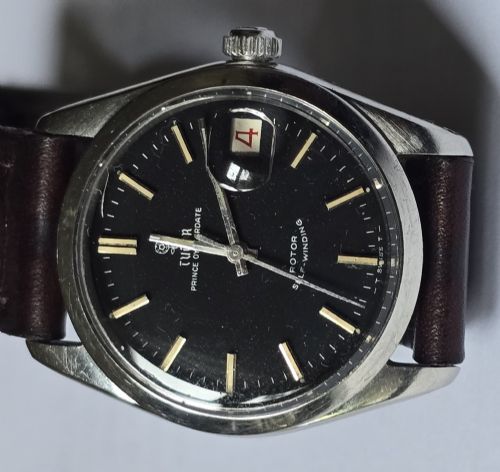
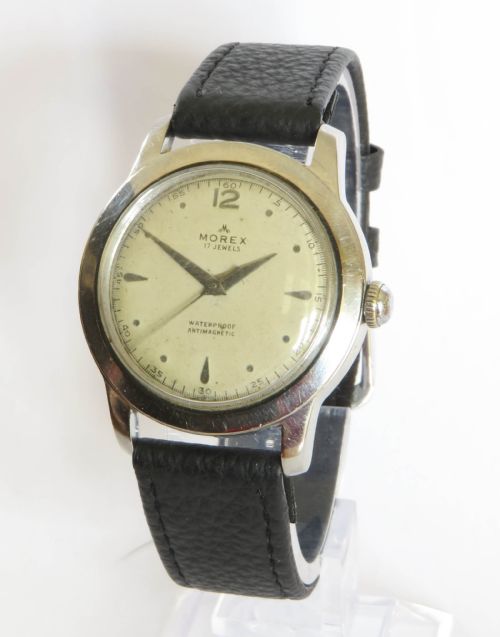
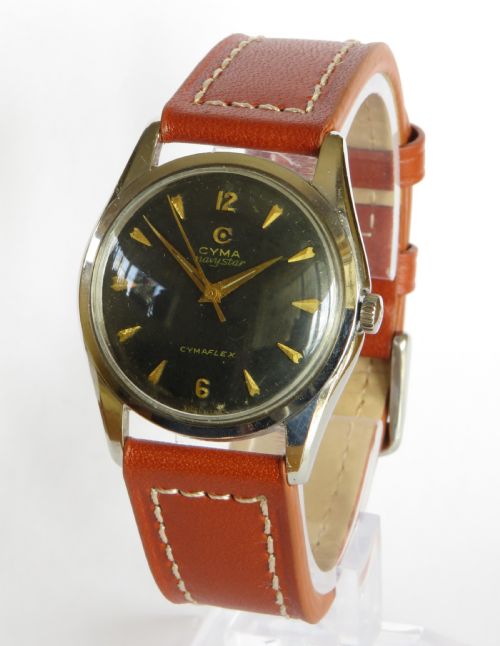
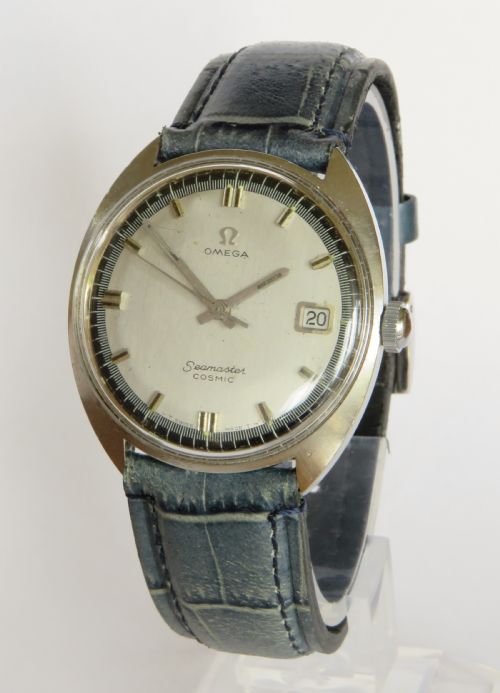
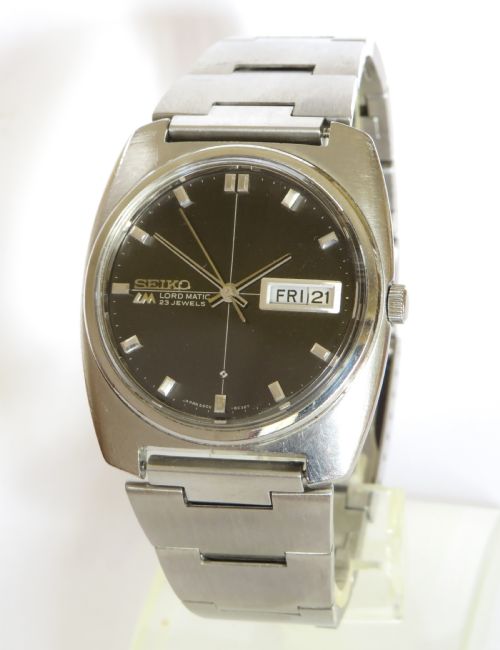
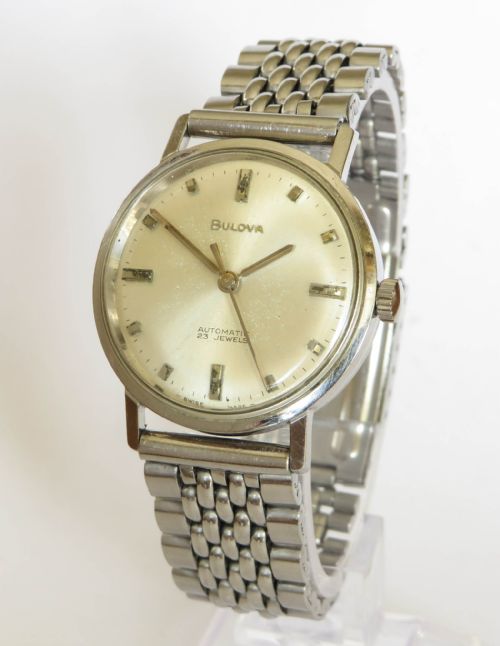
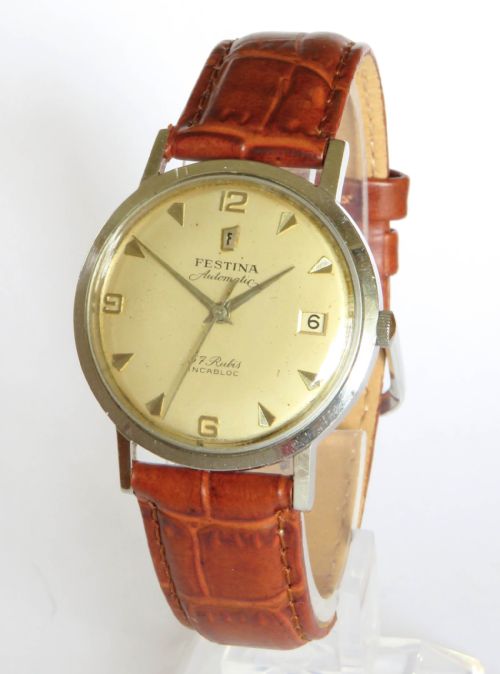
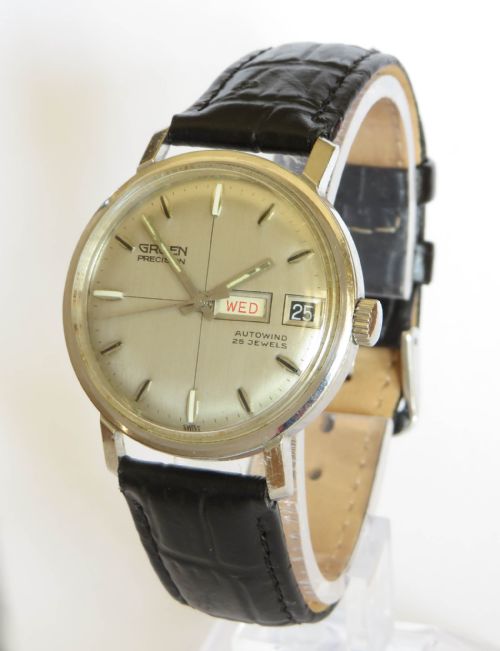
Vintage Steel Wrist Watch
When you search for a vintage steel wrist watch, you seek a dependable timepiece carrying decades of history on your wrist.
Vintage Steel Wrist Watch
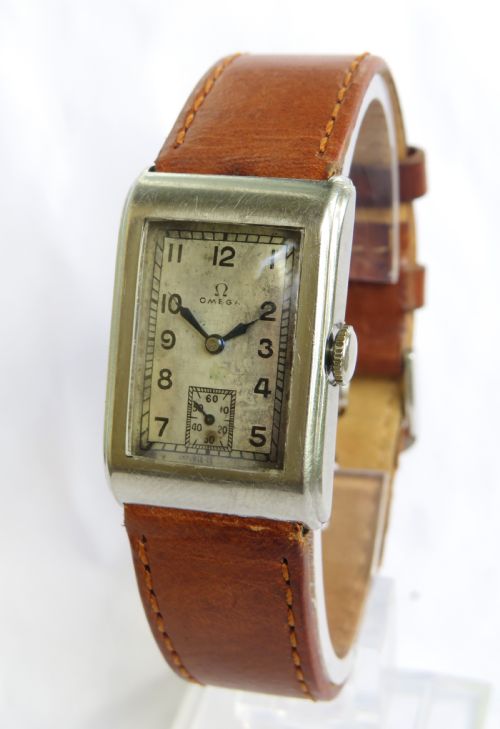
A vintage steel wrist watch represents a durable piece of horological history spanning from the 1930s through to the 1970s and beyond. These accessories combine robust metal housings with mechanical or automatic movements designed for daily utility and understated elegance.
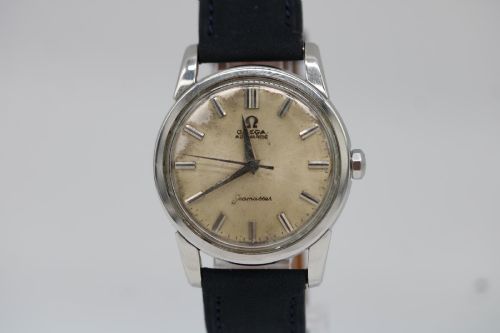
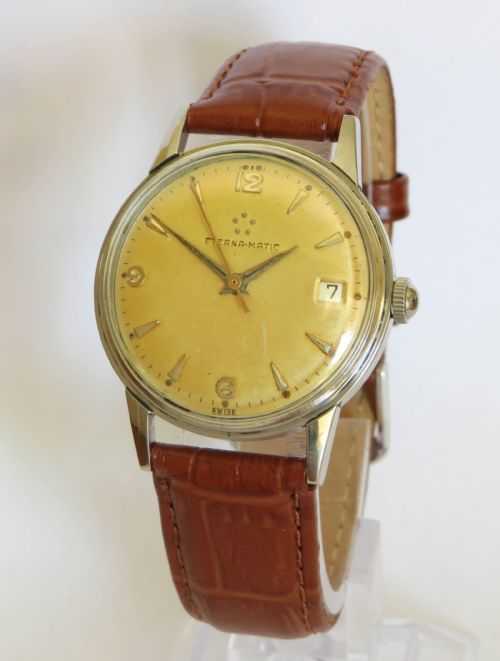
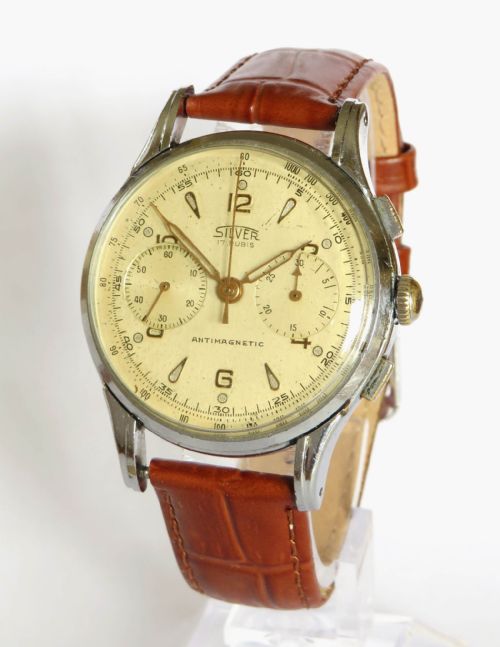
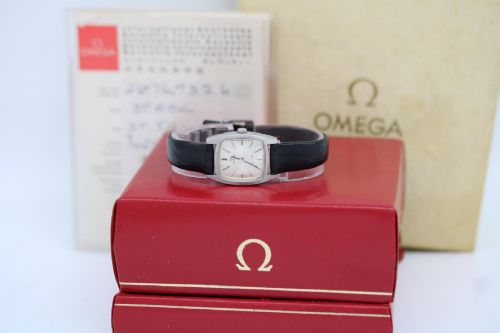
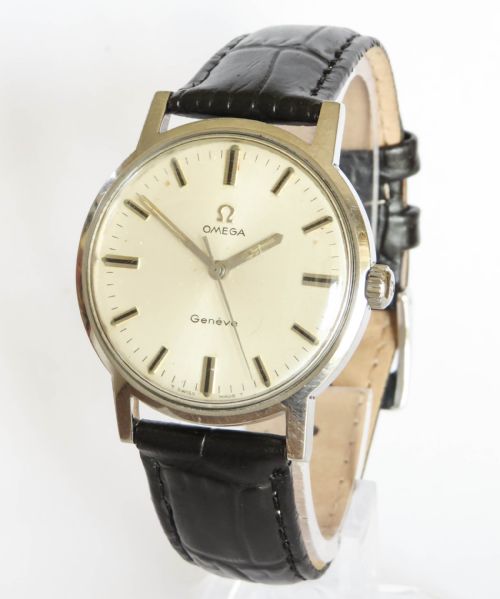
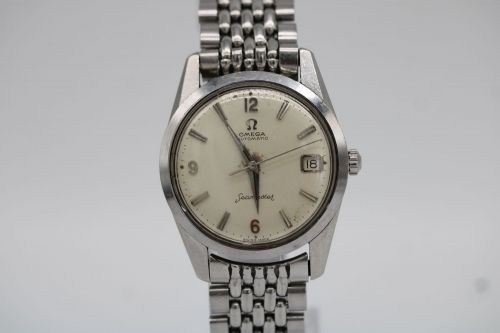
You will most frequently encounter mid-century models from the 1950s and 1960s, featuring rounded metallic cases, clear dials, and either leather straps or matching metal bracelets. The selections range from military-issued instruments to refined dress pieces and complex chronographs.
Materials and construction methods
Watchmakers utilised stainless steel, chrome plate, and occasionally chrome housings to protect delicate inner movements from daily wear and moisture. These metallic cases were paired with acrylic glass or acrylic crystal covers to shield the dial while maintaining a clear view of the hands.
Strap fixings typically incorporated leather or fabric bands, securing the watch firmly to the wrist with simple metal buckles. Inside, intricate mechanical gear trains powered by manual wind or automatic self-winding rotors kept accurate time through physical motion rather than batteries.
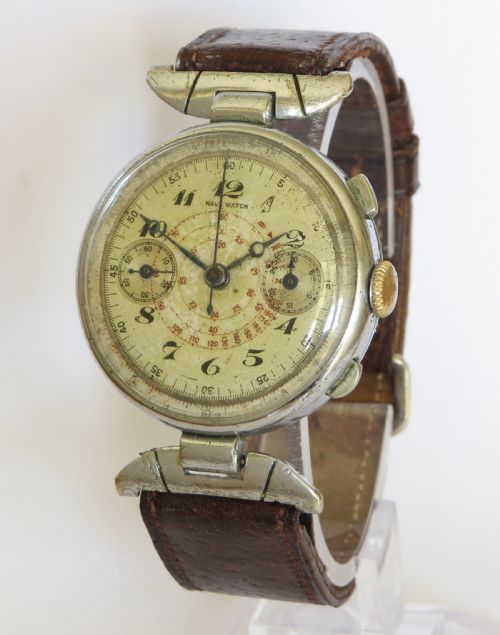
Some aviator chronographs were built to endure the cockpit vibrations of 1930s propeller planes while still fitting neatly under a stiff shirt cuff.
Factors distinguishing individual pieces
The sophistication of the internal movement dictates much of the distinction between standard timepieces and high-grade horology. Chronograph complications, automatic rotor mechanisms, and well-adjusted calibres reflect superior manufacturing standards from established Swiss and international houses.
The preservation of original dial components, hands, and case edges also determines the desirability of a watch. Unpolished steel surfaces and untouched dials retain their authentic factory character far better than heavily restored examples.
Tudor·Montilier·Cyma·Omega·Seiko·Bulova·Festina·Gruen·Antoremi·Hahn Landeron·Longines·Venus·Eterna·Prisma·Girard Perregaux·Rolex·Enicar·Dogma Prima·Marvin·Tissot·Invicta·Verity·Jaeger LeCoultre·Kered
The Vintage Steel Wrist Watch Glossary
- Calibre
- The specific internal mechanism or movement model designed by a watch manufacturer. This designation helps identify the exact technical layout inside the metal case.
- Chronograph
- A watch equipped with a stopwatch function alongside standard timekeeping displays. Independent secondary hands measure elapsed intervals of time.
- Automatic
- A self-winding mechanical movement that relies on the natural motion of the wearer's arm to tension the mainspring. This removes the need for daily manual winding.
- Acrylic crystal
- A lightweight, transparent synthetic plastic material utilised for watch faces before the widespread adoption of modern synthetic sapphire. It can be polished to remove surface scuffs.
- Dial
- The visible face of the watch displaying hours, minutes, and often secondary indicators. Dials feature varied layouts including honeycomb textures, patinated finishes, and distinct numeral styles.
Vintage Steel Wrist Watch: Frequently Asked Questions
How do I wind a vintage manual watch?
Gently rotate the crown clockwise between your thumb and forefinger until you feel firm resistance. Stop immediately to avoid damaging the internal mainspring.
Wind the watch at approximately the same time each day to maintain consistent tension and accurate timekeeping throughout your wearing routine.
Can I wear my vintage watch while swimming?
Most vintage watches lack modern waterproof gaskets and reliable sealing properties. Submerging them in water often leads to moisture entering the movement and causing severe rust.
Keep your steel wrist watch away from swimming pools, showers, and heavy rain unless a professional horologist has recently tested and confirmed its water resistance.
How accurate are watches from the 1950s?
Mechanical timepieces from this era typically gain or lose a small number of seconds each day. They rely on physical springs and balance wheels rather than quartz crystals or atomic synchronisation.
Regular servicing by a qualified watchmaker helps keep these vintage movements operating within acceptable historical tolerances for daily use.
What is a patinated dial?
Patina refers to the natural ageing, subtle colour shifts, and gentle spotting that occurs on a watch face over decades of exposure to light and air. Many collectors prize this organic evidence of history.
Unlike damage caused by moisture ingress, attractive patina enhances the authenticity and character of a mid-century timepiece without obscuring the markers.