
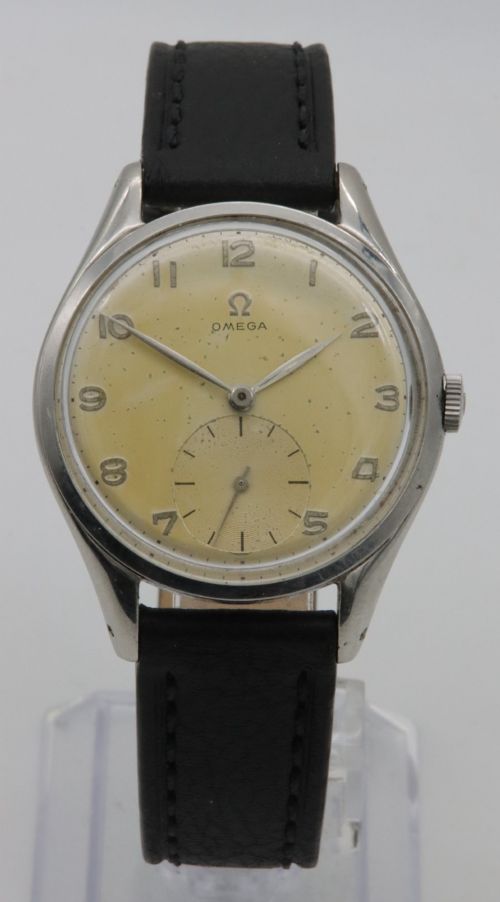
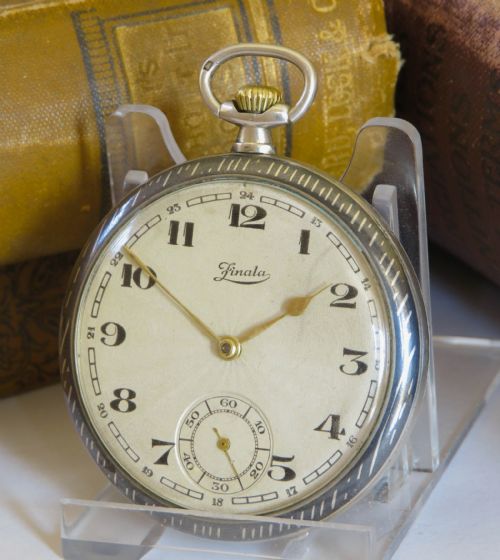
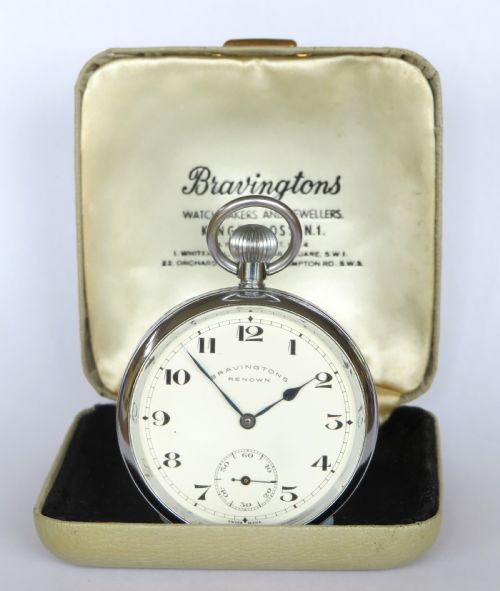
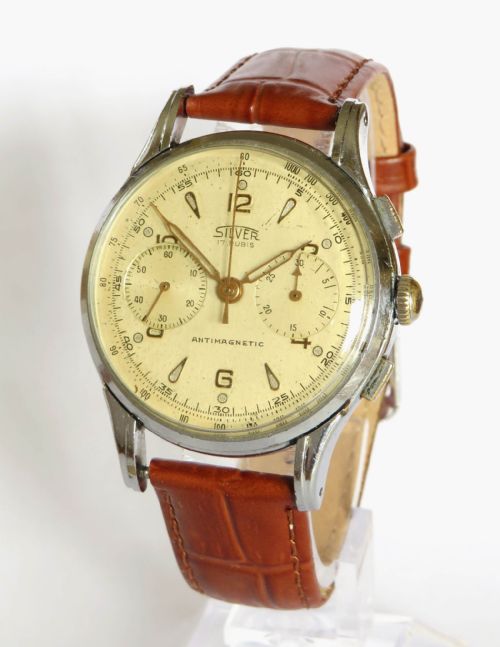
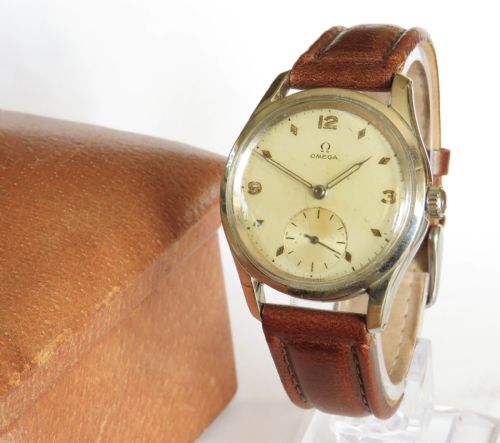
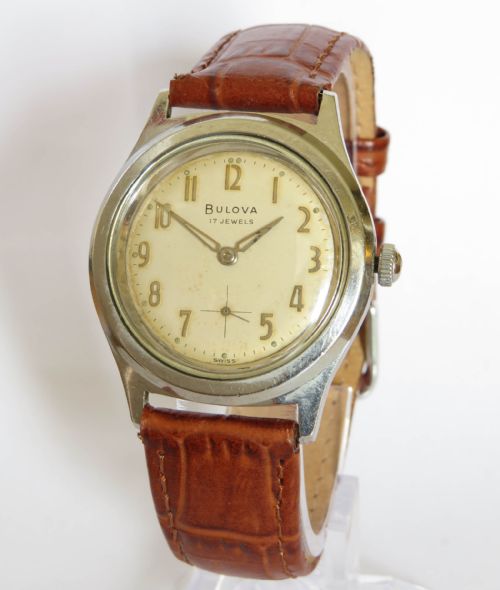
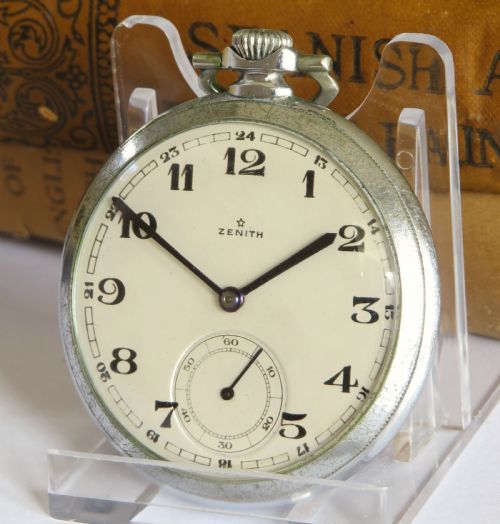


Cream Dial Vintage Watch
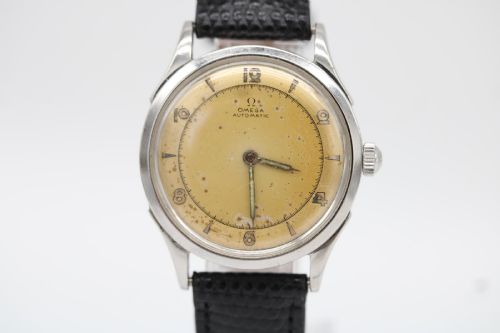
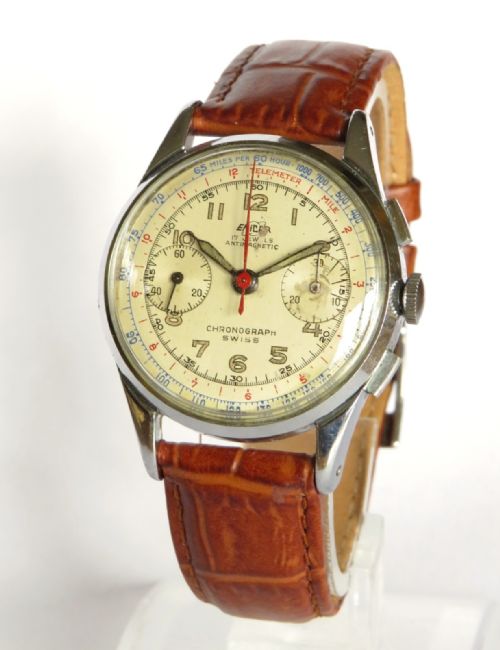
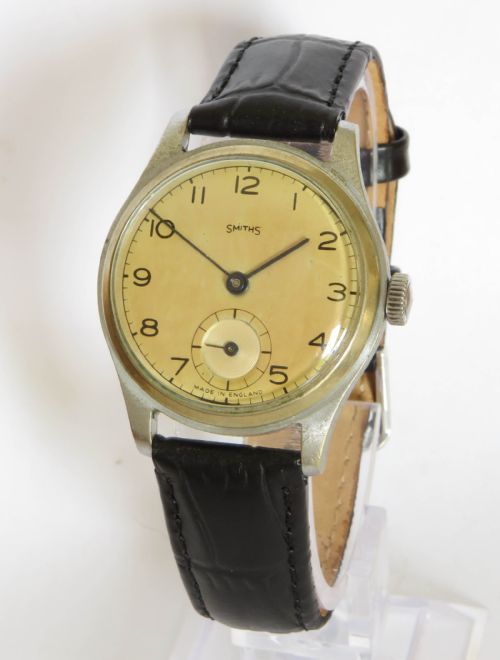
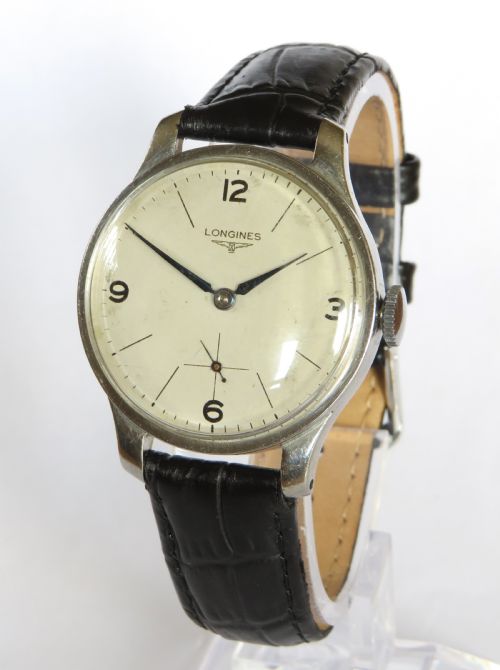
A cream dial vintage watch offers mid-century horology with classic character, featuring stainless steel cases and mechanical movements from the 1930s to the 1960s.
Cream Dial Vintage Watch
A cream dial vintage watch is a timepiece originating from periods spanning the 1930s through to the 1960s, encompassing wristwatches and pocket watches. These items present distinct mid-century styles alongside earlier Art Deco influences, reflecting Swiss, British, and international manufacturing origins.
Collectors searching for a cream dial vintage watch frequently encounter gents wristwatches equipped with leather straps or metal bracelets. Pocket watches also appear within this category, demonstrating the diverse utilitarian and dress forms produced across these decades.
Assessing quality in vintage timepieces
Quality diverges based on the original maker's reputation and the precision of the mechanical movement housed inside the case. Pieces bearing recognised names from Swiss and British workshops typically demonstrate finer finishing on internal calibres and dial details.
The degree of original preservation significantly influences the standing of an item, distinguishing examples that retain factory components from those with replacement parts. Casing materials, such as solid stainless steel versus plated metal, also define the upper tiers of production.
Listings span the 1930s, 1940s, 1950s, and 1960s periods, incorporating stainless steel, silver, chrome, leather, and glass materials.
Omega·Silvana·Bravingtons·Antoremi·Enicar·Smiths·Longines·Bulova·Zenith·Rotary·Lanco·Marvin·Prisma·Dogma Prima·Tissot·Felca·Rolex·Tudor·Timor·Larex·Breitling
The Cream Dial Vintage Watch Glossary
- Manual Wind
- A mechanical watch movement that requires the wearer to manually turn the crown to tension the mainspring. This traditional winding method powers the watch without the need for batteries.
- Automatic
- A self-winding mechanical movement that uses a weighted rotor to wind the mainspring using the natural motion of the wearer's wrist. This system became prominent during the mid-century period.
- Chronograph
- A watch equipped with a stopwatch function alongside the standard time-displaying hands. These complications often feature independent sub-dials on the watch face.
- Calibre
- The specific internal movement designation used by a manufacturer to identify a particular watch mechanism design. Collectors reference these numbers to determine the exact generation of the movement.
- Niello
- A black metallic alloy used as a decorative inlay technique on metal surfaces, frequently found on older pocket watch cases. It creates high-contrast geometric or floral patterns.
- Acrylic
- A lightweight transparent plastic material utilised for watch crystals prior to the widespread adoption of synthetic sapphire. It offers flexibility and can be polished to remove surface scratches.
Cream Dial Vintage Watch: Frequently Asked Questions
How do I wind a manual watch?
Turn the crown clockwise gently between your thumb and forefinger until you feel resistance. Stop immediately to avoid damaging the mainspring.
Perform this action at a consistent time each day if you wear the watch regularly to maintain accurate timekeeping.
Are these watches waterproof?
Vintage timepieces generally lack modern waterproof seals due to their age and original manufacturing limitations. Exposure to moisture can damage the dial and internal movement.
Keep these watches away from water, rain, and humidity unless a professional watchmaker has tested and certified the gaskets.
What size were mid-century watches?
Mid-century wristwatches typically feature smaller case diameters compared to modern standards, often measuring between thirty and thirty-five millimetres. Larger utility models or jumbo versions do exist within this span.
These compact dimensions reflect the prevailing fashion and mechanical constraints of the 1930s to 1960s eras.
How often should a vintage watch be serviced?
Mechanical watches require periodic cleaning and lubrication of their internal gears every few years to ensure reliable operation. Oils dry out over time, causing friction that affects timekeeping accuracy.
Entrust the servicing to a qualified horologist experienced in working with vintage movements.