

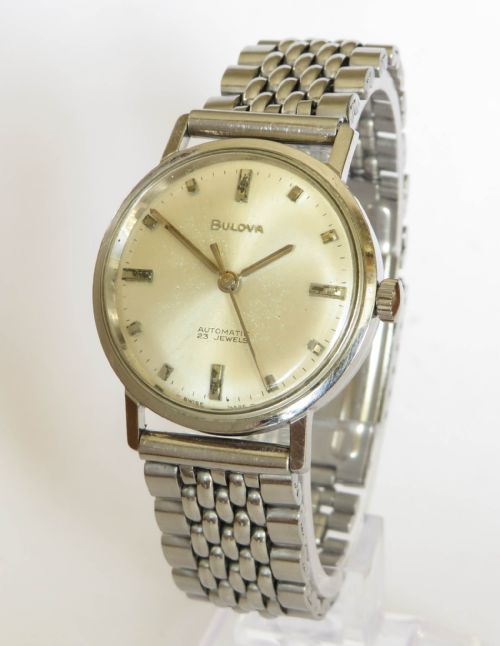
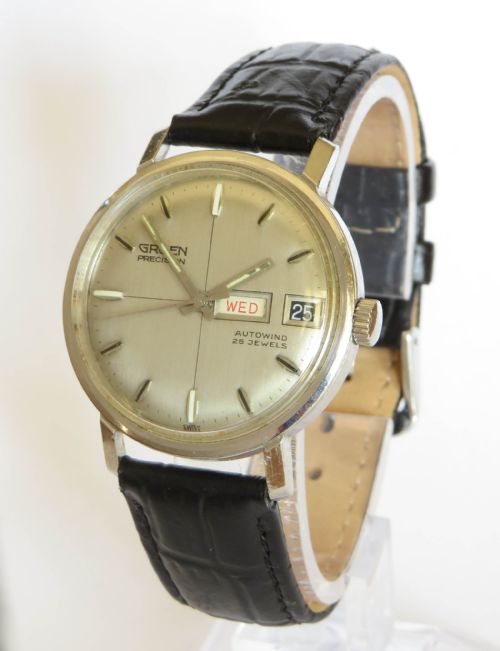
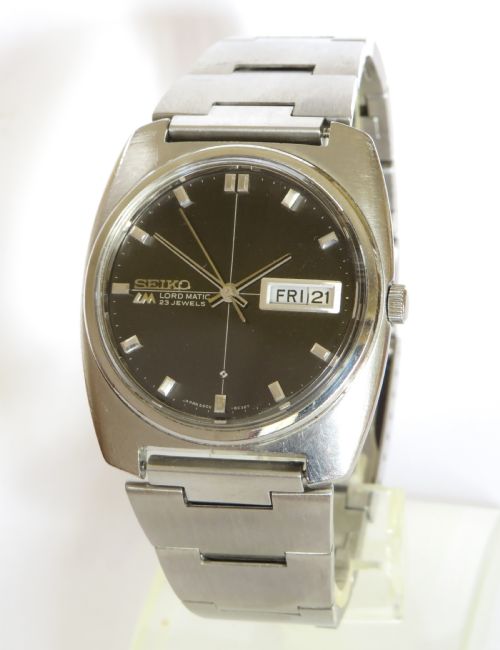
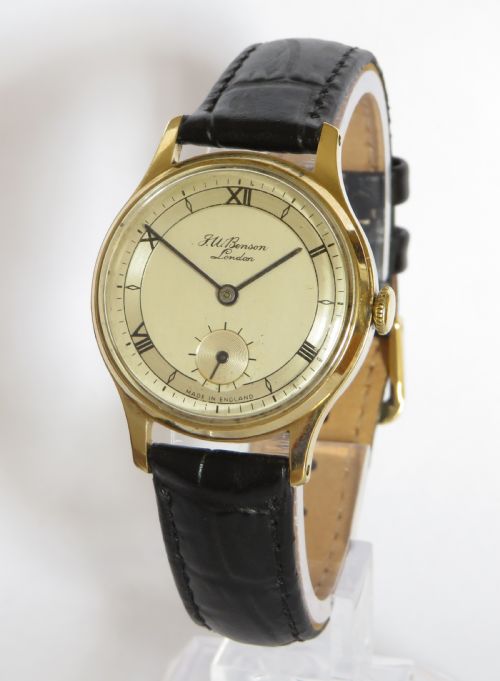
Gents Vintage Timepiece
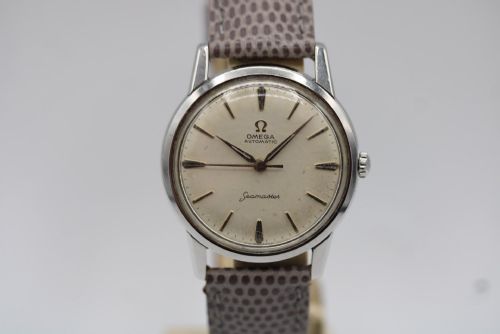
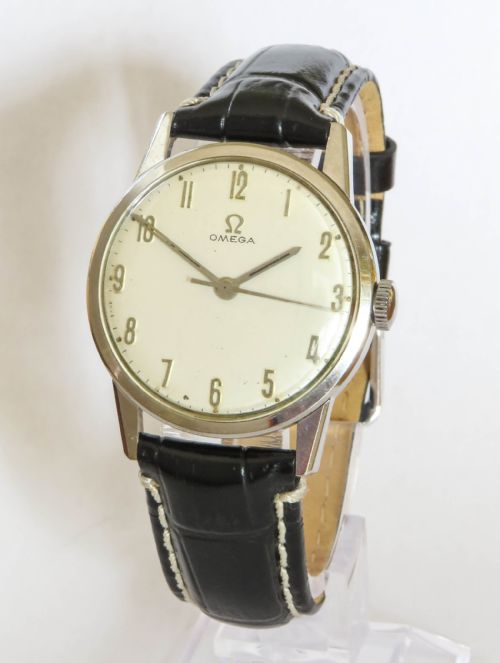
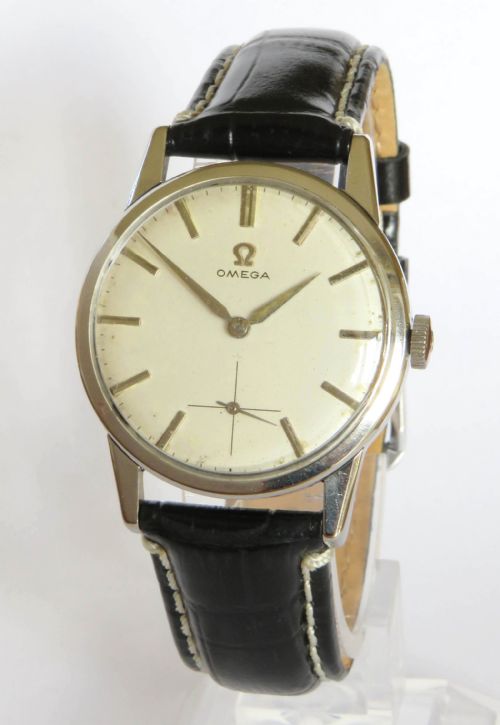
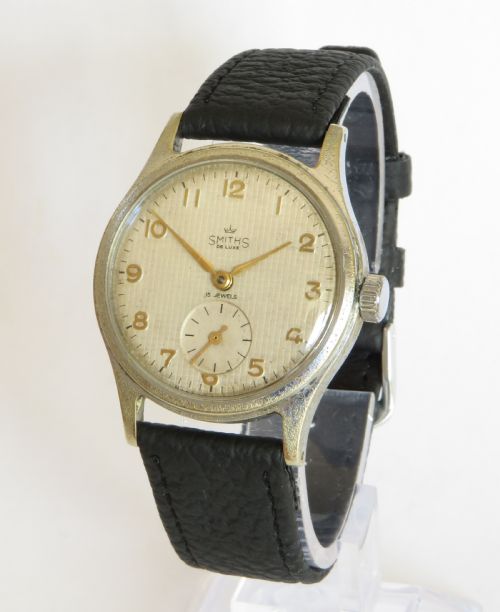
A gents vintage timepiece carries the weight of past decades on the wrist, offering mechanical precision wrapped in classic mid-century or earlier design.
Gents Vintage Timepiece
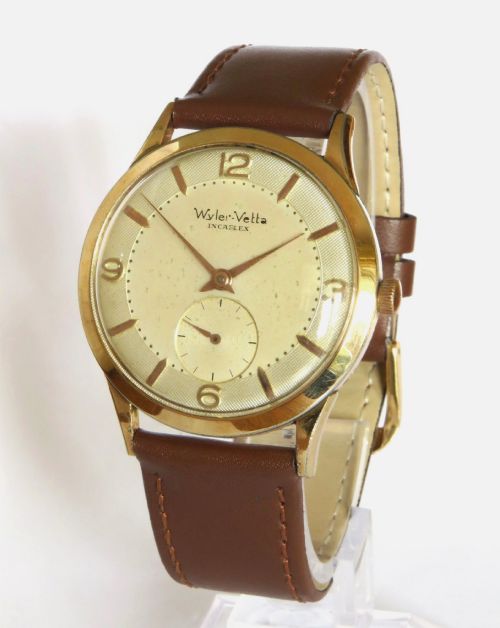
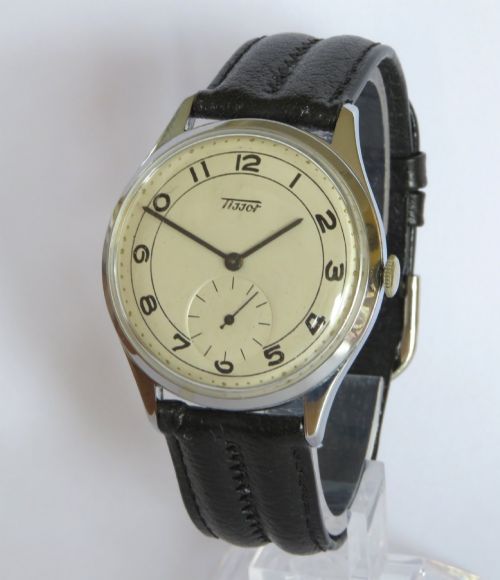
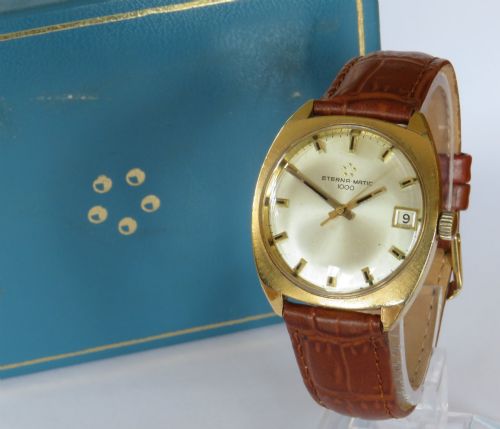
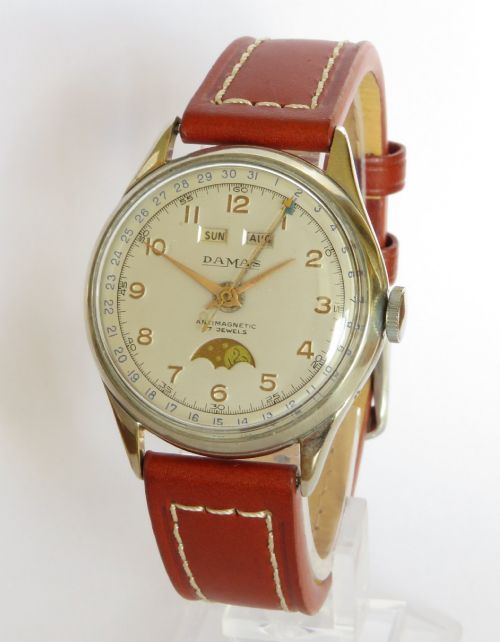
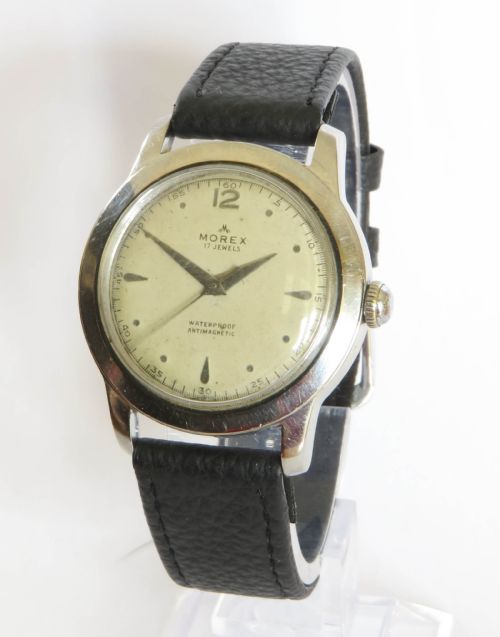
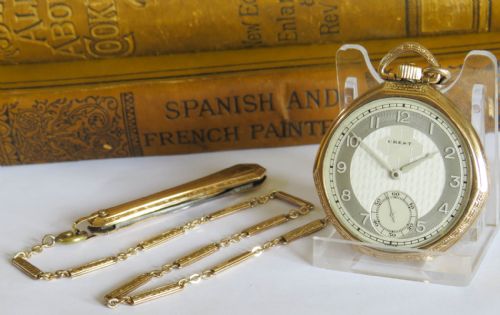
When a buyer searches for a gents vintage timepiece, they encounter portable horological instruments spanning the Victorian era through the 1970s. These pieces range from robust pocket watches to wristwatches designed for military, railway, or everyday civilian use.
The most common examples on this page are mid-century wristwatches and earlier mechanical pocket watches. Styles shift from Edwardian and Art Deco aesthetics to Mid-Century Modern and 1970s retro designs.
Origins include Swiss houses, British makers such as Smiths, and military contractors from various European nations. Each object represents the portable timekeeping technology of its specific decade.
How they were made
Cases utilise metals such as stainless steel, gold plate, silver, and chrome, paired with glass or acrylic crystals to protect the dial. Leather straps frequently secure wristwatches to the arm, while silver chains accompany pocket watches.
Gents Vintage Timepiece Retail Price Guide 2026
Typical asking prices for gents vintage timepiece among the pieces listed under this phrase on Sellingantiques today, from the lower quarter to the upper quarter. They describe what is for sale here now, not the wider market.
Some watches arrived wearing metal cages over their glass faces, ready to dodge flying shrapnel in muddy trenches.
What varies in quality
The distinction between standard commercial timepieces and finer examples lies in the refinement of the internal movement and the choice of casing materials. Solid silver or gold-plated housings indicate higher initial manufacturing standards than basic chrome plating.
Makers known for specialised production, such as chronographs or military-issue pieces, often incorporated superior mechanical complications. The legibility and preservation of the dial alongside the complexity of the calibre determine the standing of an individual watch.
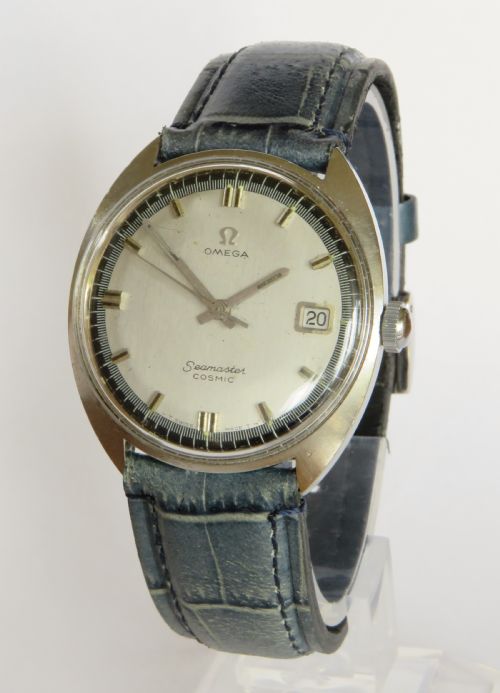
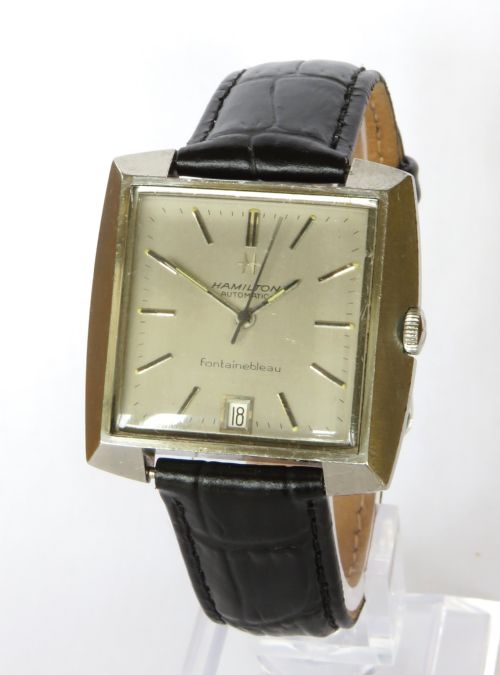
Montilier·Cyma Navystar·Hamilton Fontainebleau·Omega Seamaster Cosmic·Seiko Lord Matic·Bulova·J W Benson·Tavannes Crest·Festina·Gruen Precision·Antoremi·DeRe·Antoremi·Eterna Matic·Omega Geneve·Avia DayTyme·Venus·Primula·Marvin Hermetic·Gloriosa·Enicar·Smiths·Wittnauer·Dogma Prima·Longines
The Gents Vintage Timepiece Glossary
- Calibre
- The specific internal movement design or model created by a watchmaker. This number identifies the mechanical engine housed within the case.
- Chronograph
- A timepiece equipped with a stopwatch function alongside standard timekeeping displays. These mechanisms require additional sub-dials on the face.
- Automatic
- A self-winding mechanical movement that uses the natural motion of the wearer's arm to power the mainspring. It removes the need for daily manual winding.
- Hermetic
- A water and dust-resistant case design common in earlier decades. These housings protect the movement from environmental moisture.
- Trench watch
- An early wristwatch style developed during the First World War for military officers. They often include protective shrapnel guards over the glass.
Gents Vintage Timepiece: Frequently Asked Questions
How do I wind a vintage watch?
Most manual wind models require turning the crown clockwise between your thumb and forefinger until resistance is felt. Care should be taken not to force the crown once tension builds.
Automatic models wind themselves through wrist movement, though gentle manual priming may be needed if the watch has sat still for days.
Can I wear a vintage watch daily?
Many vintage timepieces handle daily wear well if treated with proper care. Avoiding exposure to water and strong magnetic fields preserves the internal mechanics.
Leather straps can be easily replaced, allowing the historic watch head to remain the focal point during everyday use.
What is a trench watch?
A trench watch is an early form of wristwatch adapted from pocket watch designs for military officers during the First World War. They feature wire lugs soldered to the case and often include metal shrapnel guards.
These pieces represent the transition period when men shifted from carrying pocket watches to wearing time on the wrist.