
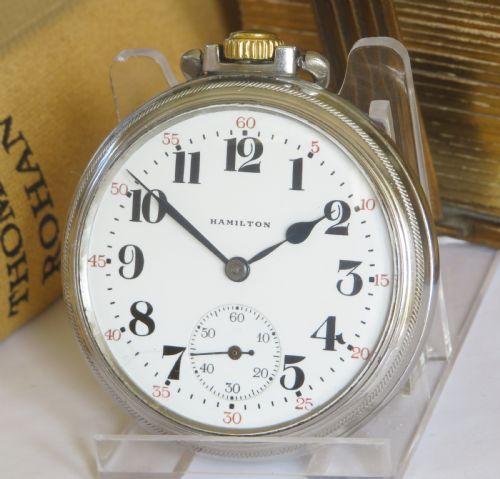
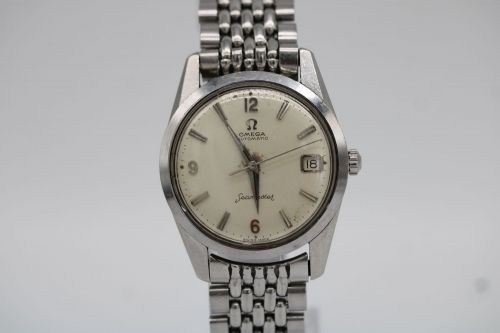
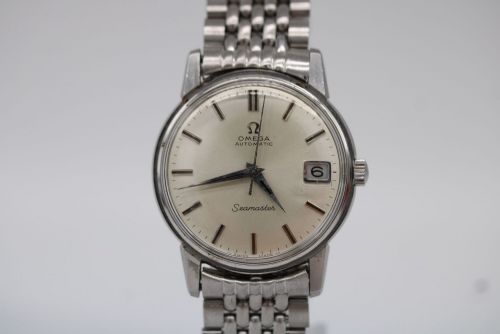
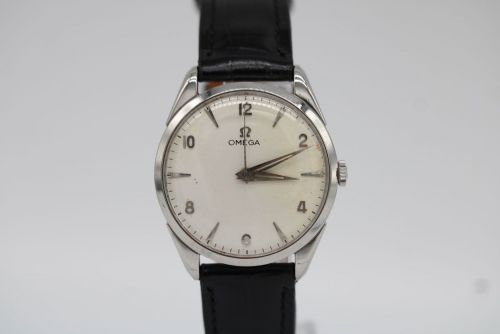
Silver Stainless Steel Watch
A silver stainless steel watch is a durable mid-century timepiece built for daily wear.
What these watches are
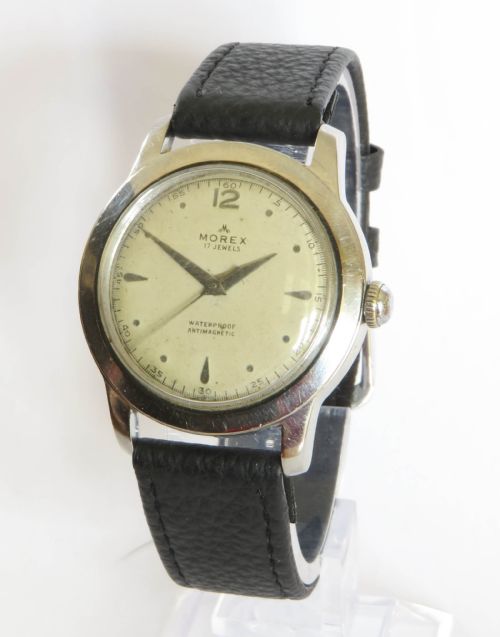
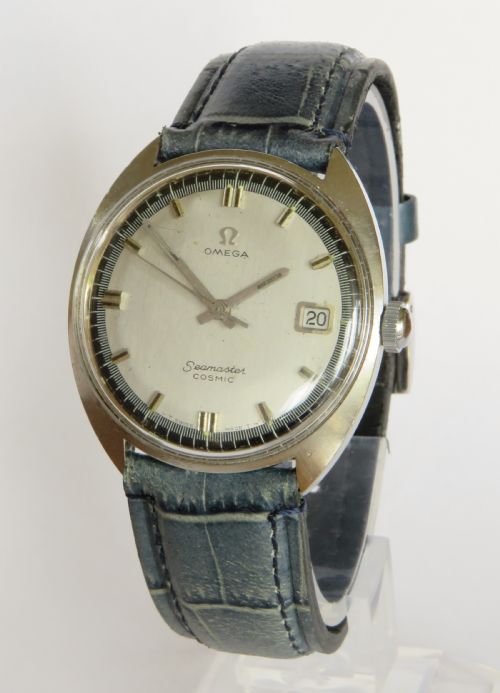
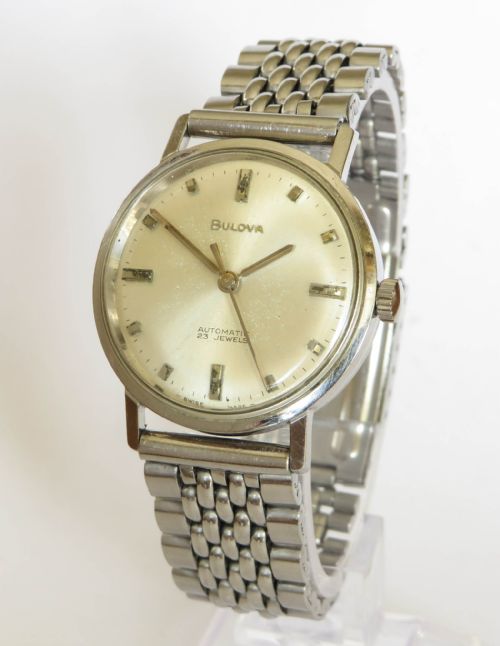
A silver stainless steel watch brings together mid-century utilitarian design and robust twentieth-century engineering. When exploring these listings, collectors encounter wristwatches originating from the 1940s, 1950s, and 1960s. These pieces reflect the enduring mid-century modern aesthetic that prioritises clear dial layouts and functional steel cases.
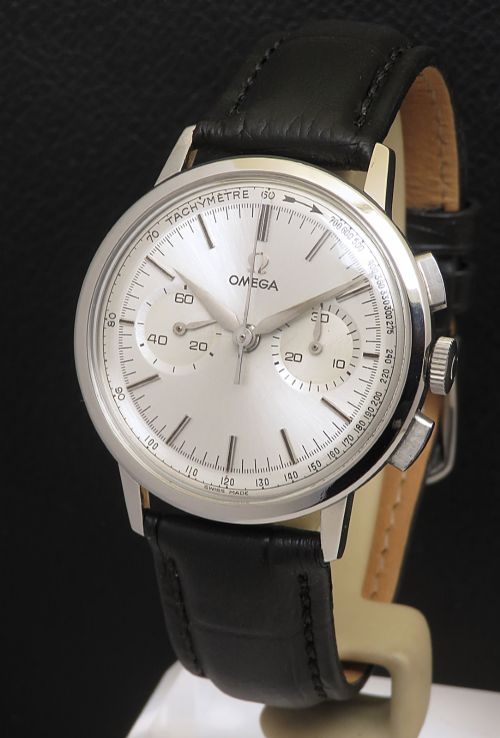
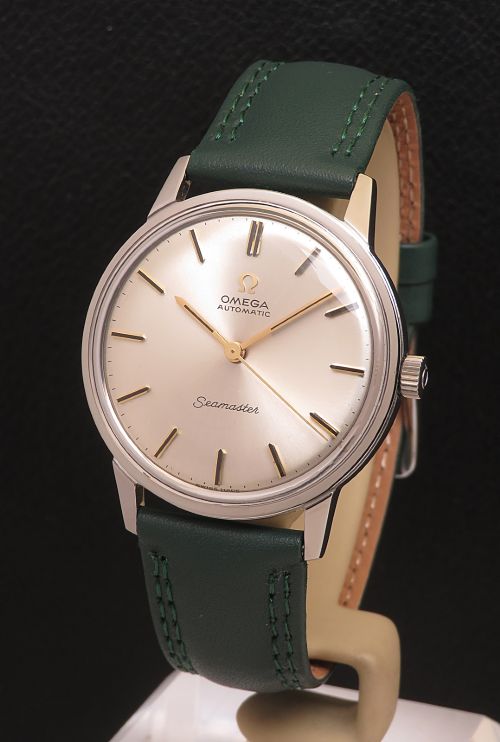
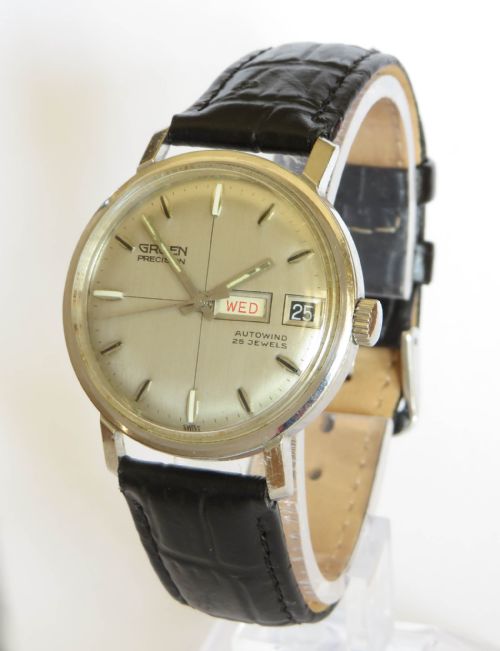
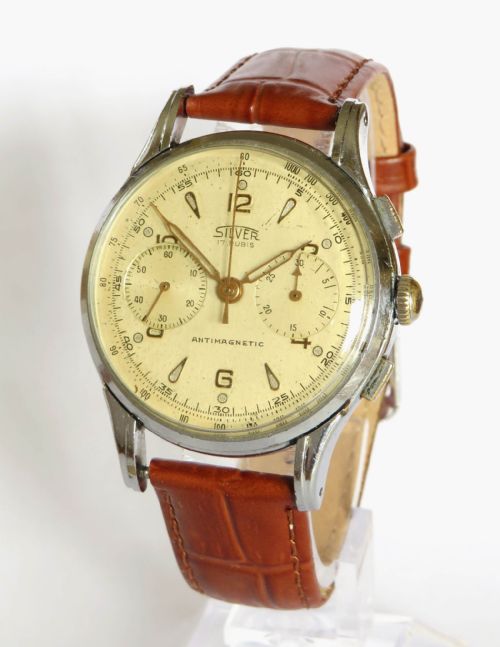
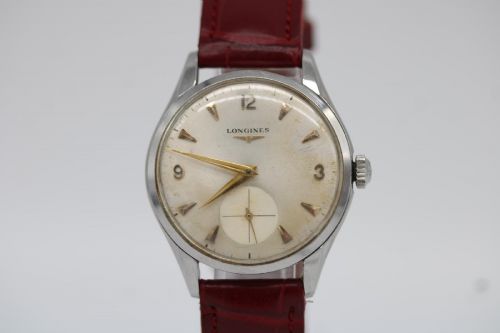
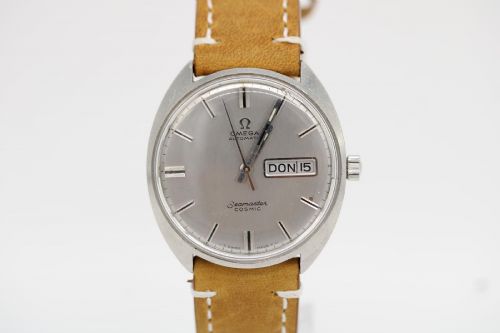
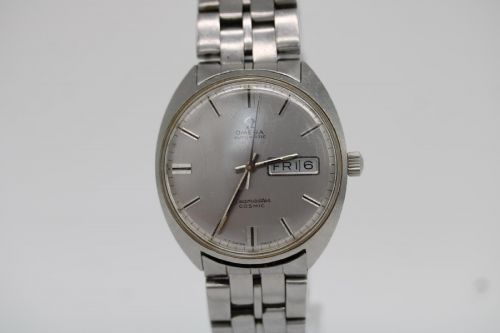
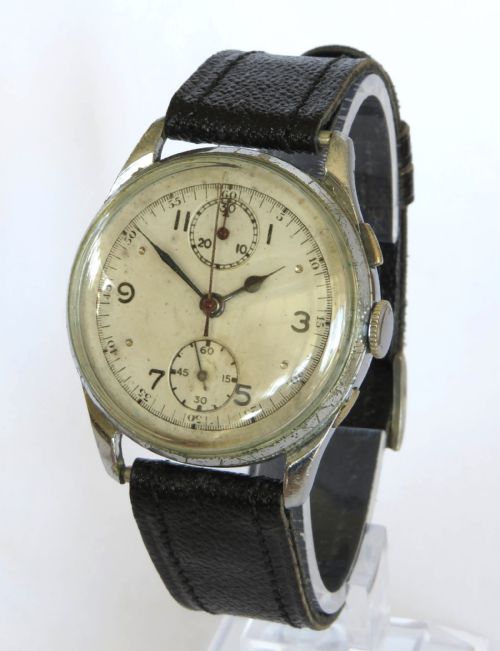
The most common examples on this page are mid-century gent's wristwatches featuring stainless steel construction. Makers represented include Omega, Longines, and Antoremi, spanning chronograph, day-date, and standard time-only configurations. Each piece displays the distinct mechanical character of the era in which it was built.
How they were made
The primary material for these cases is stainless steel, chosen for its strength and resistance to corrosion. Complementary components incorporate acrylic crystals over the dials and glass elements where fitted, paired alongside leather straps that secure the watch to the wrist. These material combinations ensured longevity during daily use in the mid-century period.
Workshops utilised mechanical movements housed within these steel housings, driven by hand-wound or automatic calibres. Dials often feature applied metal markers and subsidiary chronograph registers, finished with precision printing. The integration of steel, acrylic, and leather required skilled assembly by watchmakers of the 1940s to 1960s.
Retail Price Guide 2026
Typical UK retail prices for silver stainless steel watch, calculated from the Sellingantiques database of over a million retail prices indexed since 2003. This retail price guide relies exclusively on Sellingantiques data; no external sources or auction records are used, so the figures do not describe the wider market.
Current listings span the 1940s, 1950s, and 1960s, incorporating stainless steel, leather, acrylic, and glass materials across mid-century modern wristwatches.
What varies in quality
Distinction across the range rests upon the sophistication of the movement and the provenance of the maker. Established Swiss houses such as Omega and Longines command attention through refined mechanical complexity, including chronograph and day-date complications. Simpler time-only pieces or lesser-known names like Antoremi occupy a different tier of horological interest.
Case preservation and dial originality dictate the overall integrity of a silver stainless steel watch. Unpolished steel cases retain their original factory geometry and sharp lines, whereas heavy polishing softens the intended contours. Similarly, untouched dials with original hands represent a higher standard of collector preservation than restored surfaces.
Omega·Antoremi·Longines
The Silver Stainless Steel Watch Glossary
- Chronograph
- A watch equipped with a stopwatch function alongside its standard timekeeping ability. These models feature dedicated sub-dials and pusher buttons on the case side.
- Acrylic
- A lightweight, shatter-resistant plastic material commonly utilised for watch crystals during the mid-century period. It can be polished to remove surface scratches.
- Calibre
- The specific internal movement or mechanism created by a watchmaker. Different calibres denote varying levels of complexity, size, and horological development.
- Day-Date
- A watch complication that displays both the day of the week and the calendar date on the dial face. This feature became popular in mid-century wristwatches for daily utility.
Frequently Asked Questions
What periods do these watches come from?
The available selection spans the 1940s, 1950s, and 1960s, capturing the height of mid-century design. Each decade introduced subtle shifts in case proportions and dial typography.
Collectors can trace the evolution from the robust military-influenced pieces of the 1940s to the sleeker automatic and chronograph models of the late 1960s.
How should I care for a vintage steel watch?
Protect the acrylic crystal from harsh impacts and deep scratching during regular wear. Most mid-century movements benefit from avoiding magnetic fields and moisture.
Keep leather straps conditioned and arrange for periodic mechanical servicing by a professional watchmaker to maintain the internal movement.
Are these watches waterproof?
Mid-century wristwatches were rarely issued with modern waterproof guarantees, despite steel case construction. Gaskets and seals degrade over decades and lose their original sealing capacity.
It is wise to keep these vintage timepieces away from water, swimming, and heavy rain exposure to protect the dial and movement.
What is a Jumbo wristwatch?
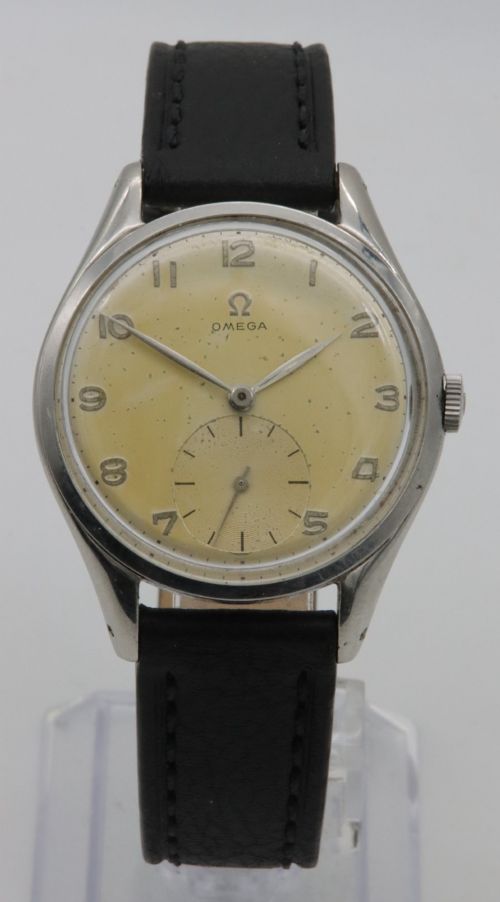
The term Jumbo refers to wristwatches featuring larger-than-average case diameters for their respective production era. In the 1940s, case sizes that exceeded standard measurements were given this descriptive moniker.
These larger steel cases provide a more prominent presence on the wrist compared to standard vintage proportions.