
Vintage Swiss Mechanical Watch
These vintage swiss mechanical watch selections span wrist and pocket formats driven entirely by springs and gears.
Vintage Swiss Mechanical Watch
A vintage swiss mechanical watch brings together decades of horological heritage, crossing both pocket and wrist formats. When you search for a vintage swiss mechanical watch, you encounter timepieces driven entirely by intricate gear trains and mainsprings rather than quartz batteries.
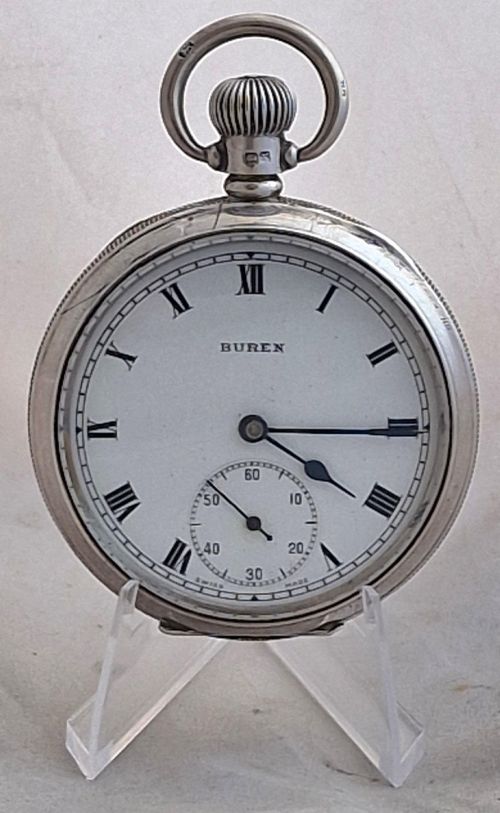
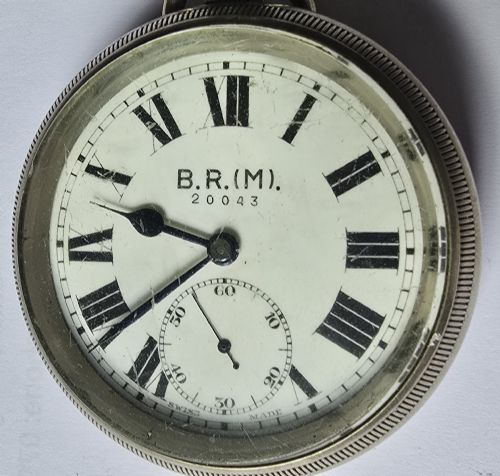
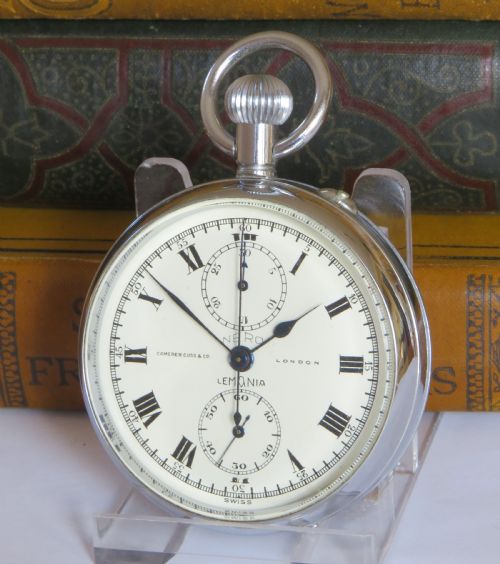
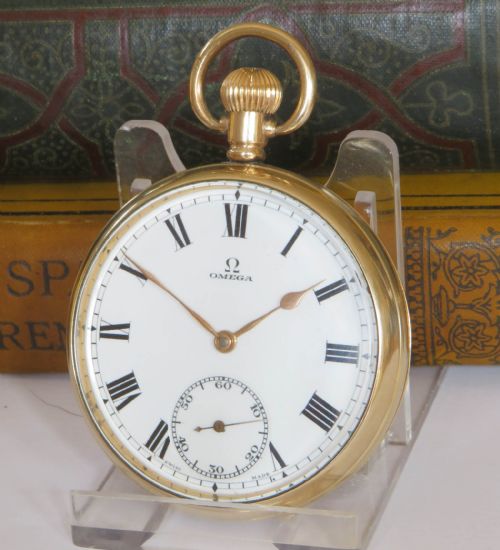
The pieces on this page originate from periods ranging from the late Victorian era through the 1970s. Wristwatches and pocket watches appear frequently, housed in materials such as stainless steel, solid gold, and silver.
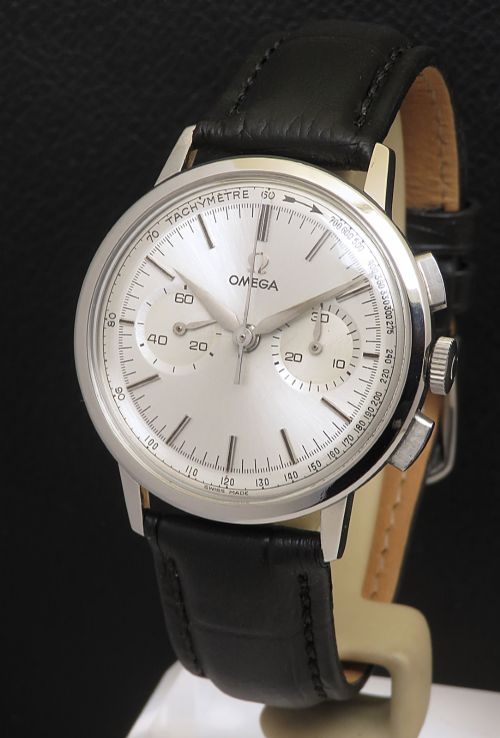
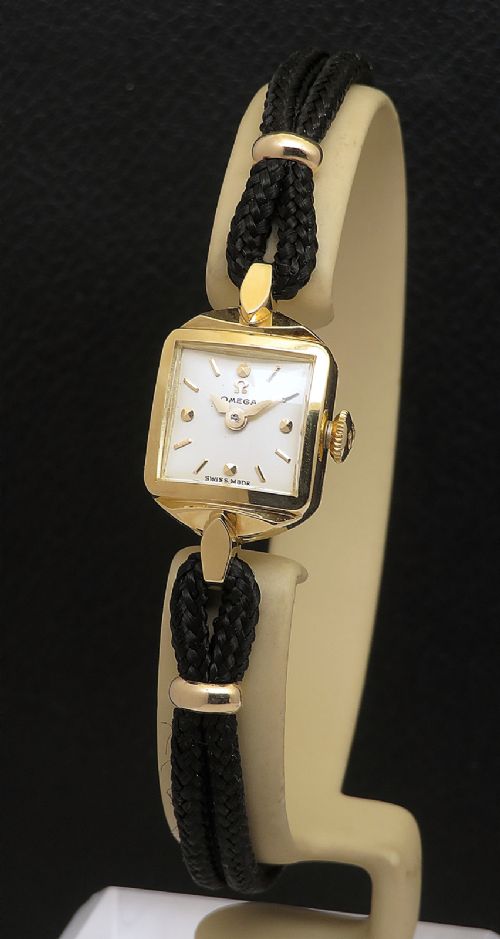
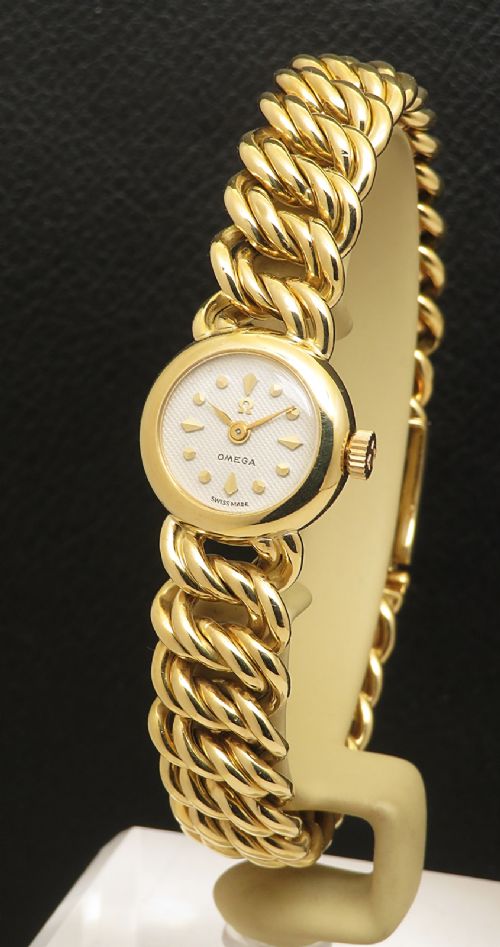
Mid-century models dominate the selection, reflecting a high point in Swiss manufacturing. You find robust steel divers, dress chronographs, and heavy gold cocktail designs side by side.
How They Were Made
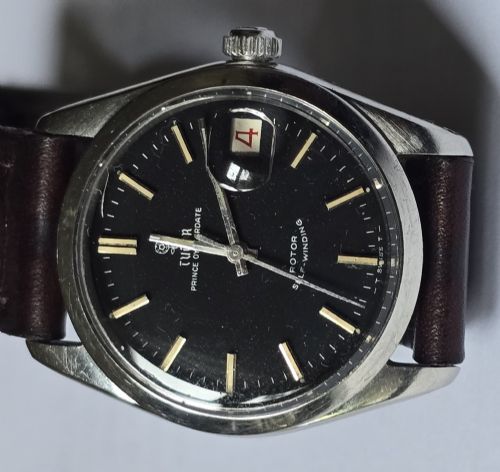
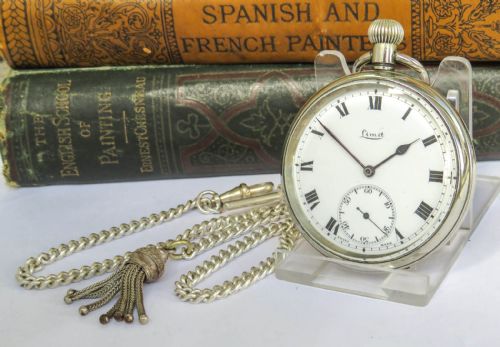
Internal movements depend on hand-wound mechanical calibres or automatic self-winding mechanisms. Metal gears, levers, and springs work in tandem, housed within protective metal cases often paired with leather straps or metal chains.
Listings span periods from the 1880s through the 1970s, showcasing stainless steel, gold plate, and solid silver forms.
What Varies in Quality
The grade of a movement determines much of its standing, distinguishing basic utilitarian calibres from complex chronograph or chronometer-certified mechanisms. Adjustments for temperature and position indicate higher precision in advanced calibres.
Case material and finishing also set examples apart, moving from plated base metals up to solid gold or heavy stainless steel. Original dials retaining factory finishes hold distinct preference over repainted or heavily altered surfaces.
Omega·Buren·Guinand·Nero Lemania·Tudor·Limit Revue·Montilier·Cyma·Hamilton·Heloisa·Thomas Russell and Son·Rone·Tavannes·Octava·Eterna·Minerva·Festina·Gruen·Longines
The Vintage Swiss Mechanical Watch Glossary
- Calibre
- The specific internal movement design and model created by a watchmaker. This number identifies the exact mechanical layout inside the case.
- Chronograph
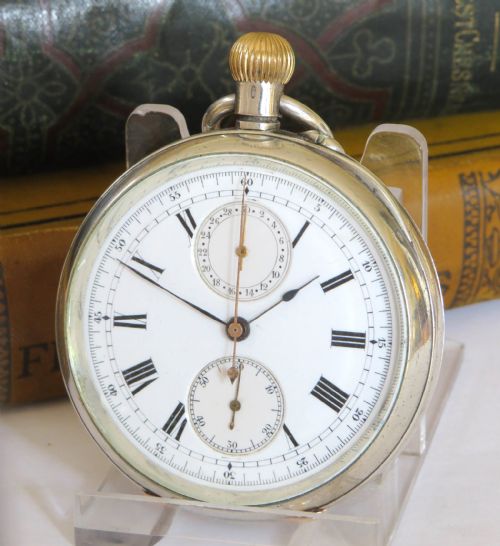
- A watch equipped with a stopwatch function alongside the standard timekeeping hands. Independent sub-dials measure elapsed seconds and minutes.
- Hunter
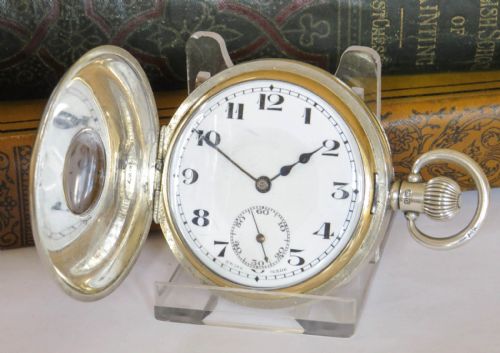
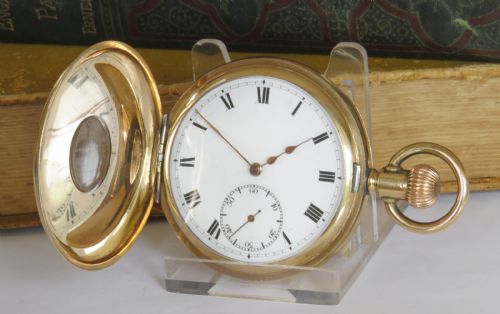
- A pocket watch featuring a spring-loaded metal cover that protects the glass crystal. Pressing the crown opens the lid to reveal the dial.
- Automatic
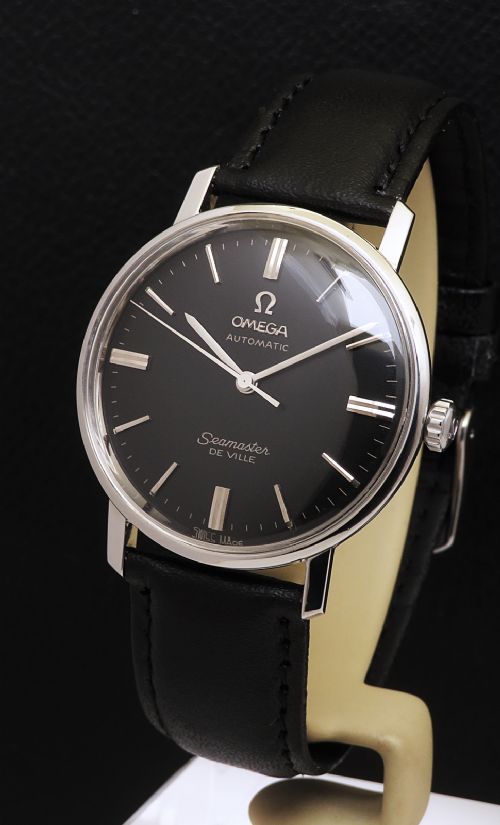
- A mechanical movement that winds itself using the natural motion of the wearer's arm. An internal weighted rotor turns mainsprings as the wearer moves.
- Escapement
- The mechanism inside a watch that controls the release of power from the mainspring. It gives the ticking sound and regulates gear movement.
Vintage Swiss Mechanical Watch: Frequently Asked Questions
How do I wind a mechanical watch?
Turn the crown clockwise between your thumb and forefinger until you feel gentle resistance. Stop immediately at that point to avoid damaging the mainspring.
For automatic models, wearing the piece normally keeps the internal rotor moving and winds the spring automatically.
Can I wear my vintage watch daily?
Many of these pieces served as robust daily timepieces in their original eras and continue to function reliably. Regular servicing helps maintain proper internal lubrication for continuous wear.
Older models lack modern water resistance seals, so keeping them away from moisture remains essential.
What is the difference between a hunter and an open face pocket watch?
A hunter pocket watch includes a hinged metal lid that covers and protects the glass dial. You press the crown button to pop the cover open.
An open face pocket watch leaves the crystal entirely exposed with no protective front cover, displaying the dial continuously.
How do I know the production year?
Serial numbers engraved on the inside case back or directly onto the movement provide clues to production periods. Makers often kept detailed ledgers matching serial sequences to specific years of manufacture.
Stylistic cues such as dial typography and case geometry also help narrow down the decade.