
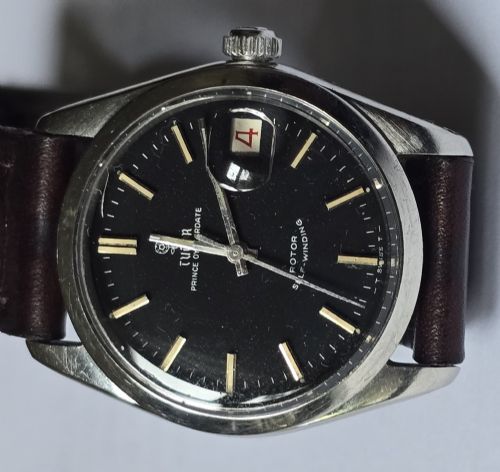
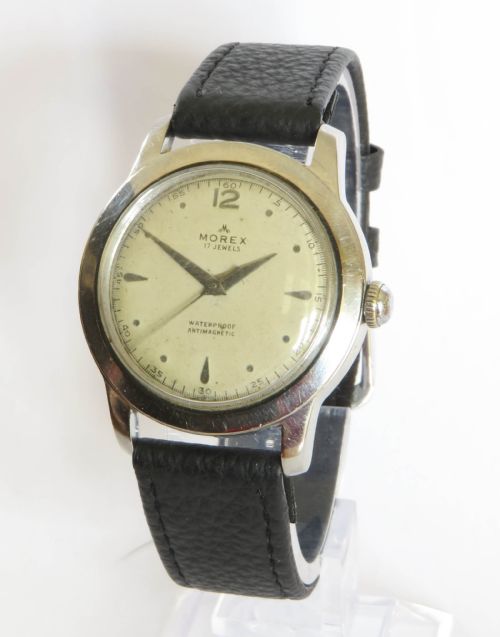
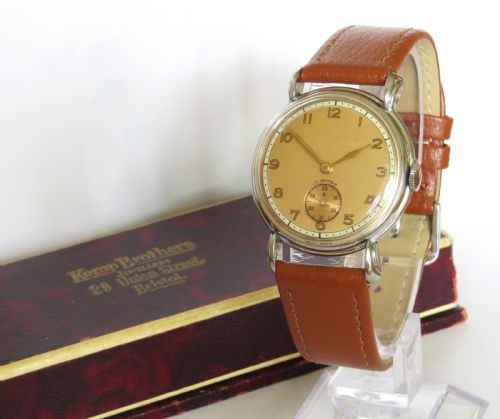
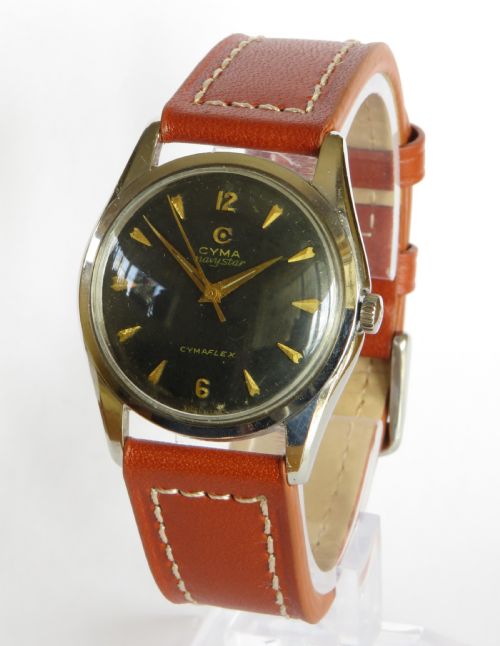
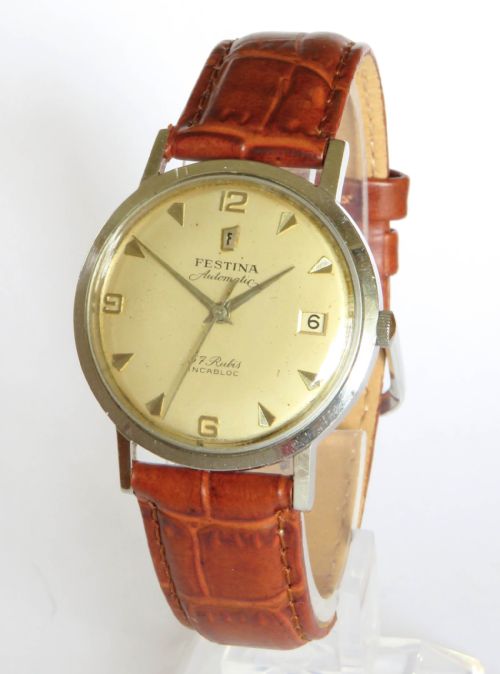
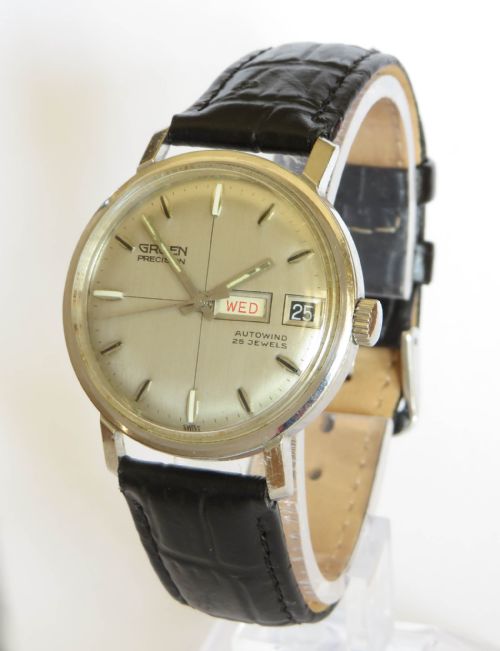
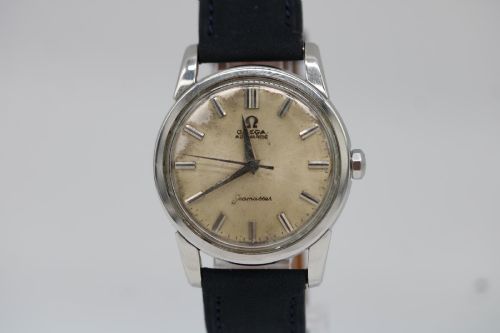
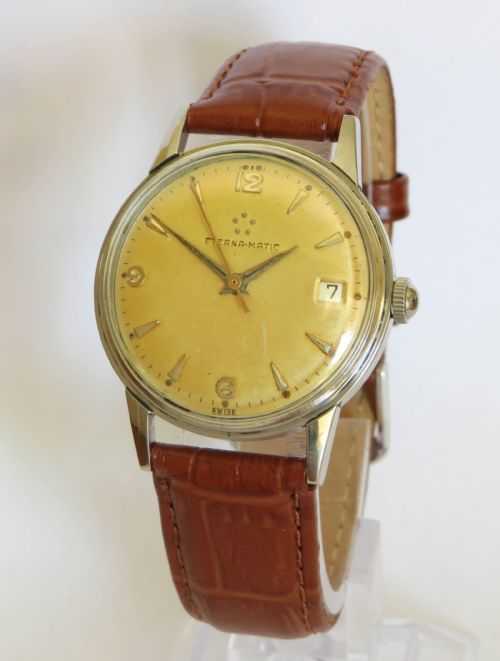
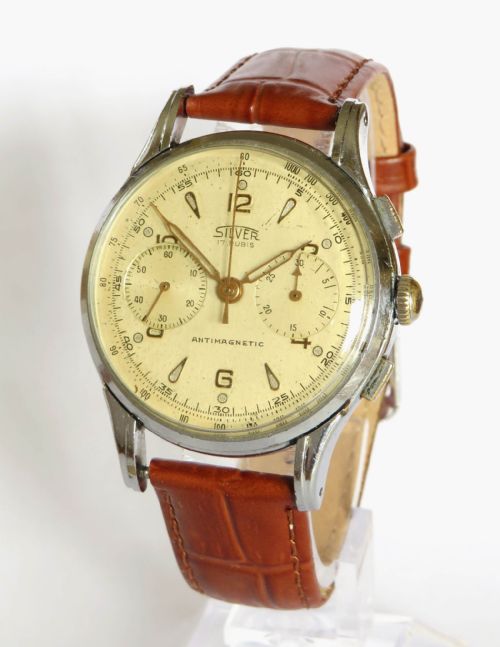
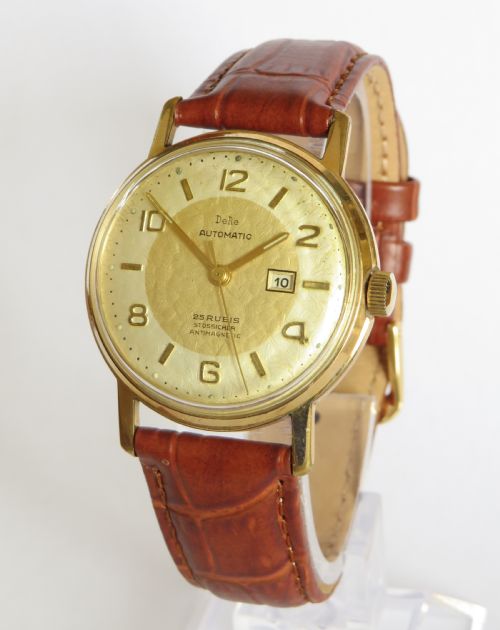
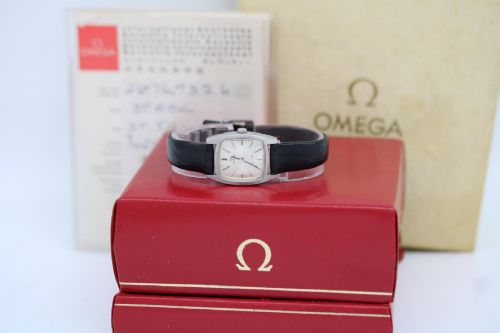
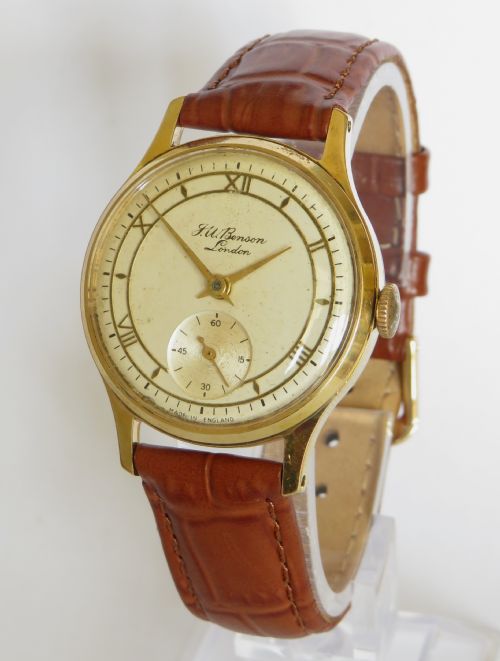
Vintage Mechanical Wrist Watch
A vintage mechanical wrist watch brings a kinetic, traditional timekeeping heritage to the wrist through springs, gears, and manual or automatic winding.
Vintage Mechanical Wrist Watch
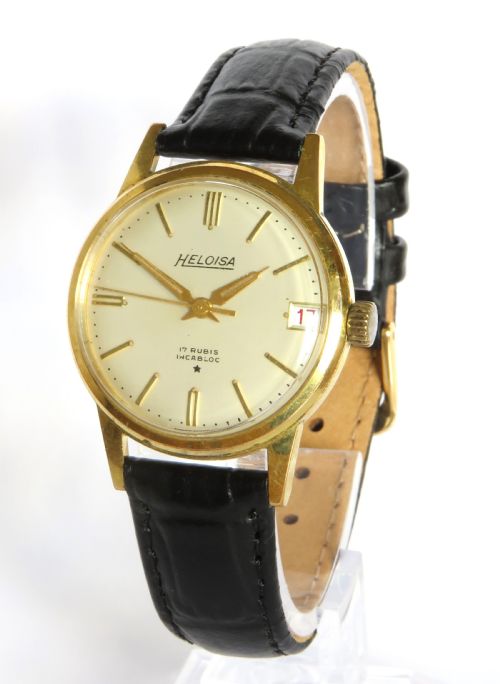
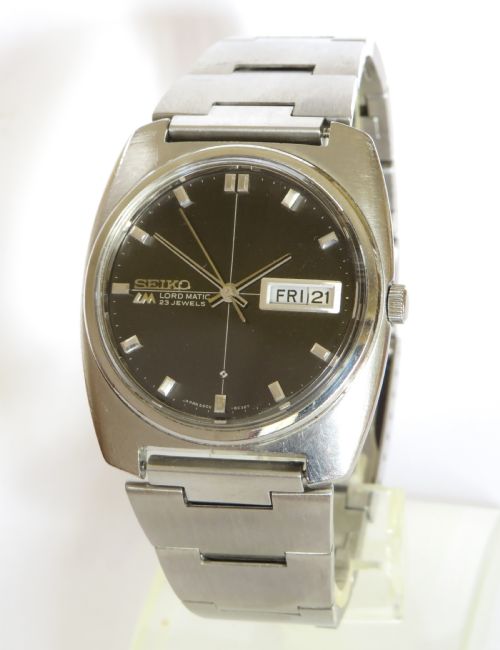
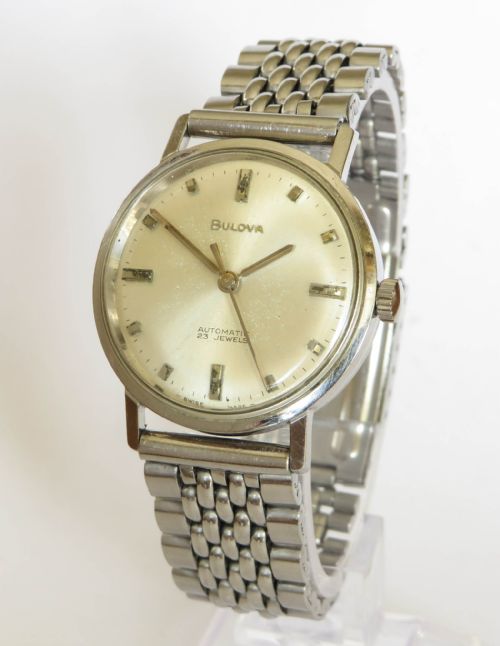
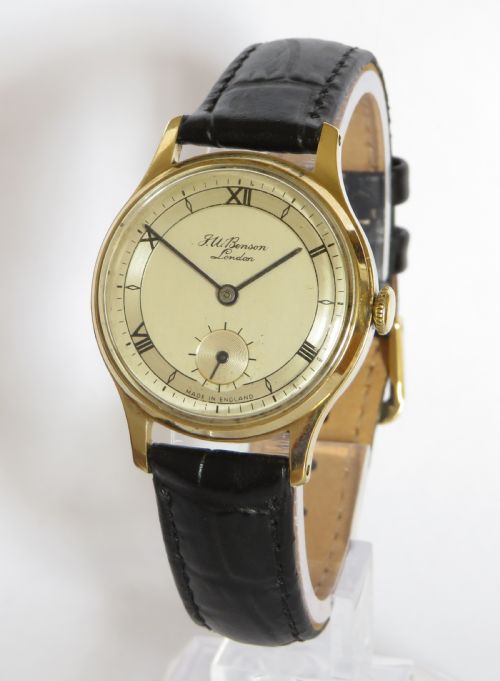
A vintage mechanical wrist watch spans decades of twentieth-century horology, encompassing simple dress models and complex chronographs. When exploring vintage mechanical wrist watch examples, buyers encounter styles running from Art Deco shapes to robust Mid-Century designs.
The assortment on this page frequently highlights gents and ladies wristwatches originating from the 1920s through the 1960s. Swiss makers feature prominently alongside British iterations, reflecting diverse international watchmaking traditions of the era.
Forms vary from aviator chronometers to minimalist dress watches, often housing automatic or manual wind movements. Many pieces reflect specific periods such as the 1940s or Mid-Century Modern aesthetics.
Materials and construction
Cases utilise metals such as stainless steel, chrome, gold plate, and solid 18ct white gold or yellow gold. These metals protect the delicate internal gear trains while providing distinctive visual finishes.
Dials are protected by glass or acrylic crystals, covering intricate metal hands and hour markers. Straps constructed from leather complete the assembly, often secured with matching buckles.
Vintage Mechanical Wrist Watch Retail Price Guide 2026
Typical asking prices for vintage mechanical wrist watch among the pieces listed under this phrase on Sellingantiques today, from the lower quarter to the upper quarter. They describe what is for sale here now, not the wider market.
Listings span five decades from the 1920s to the 1960s, featuring stainless steel, gold plate, and solid gold materials.
Distinctions in grade
The calibre and complexity of the internal movement dictate much of the horological standing. Well-finished movements with specialised complications like chronograph functions or chronometer certification sit higher in the tier.
Originality of components, including signed dials, matching crowns, and factory-correct hands, separates standard production pieces from collectable examples. The preservation of case geometry and dial patination also influences desirability.
Tudor·Montilier·Cyma·Seiko·Bulova·J W Benson·Festina·Gruen·Omega·Eterna Matic·Antoremi·Roamer·Rolex·Hahn Landeron·Avia·Venus·Primula·Marvin Hermetic·Tissot·Gloriosa·Rotary·Enicar
The Vintage Mechanical Wrist Watch Glossary
- Calibre
- The specific internal mechanical movement model produced by a watchmaker. This identifier helps collectors determine the exact age and technical specifications of a timepiece.
- Chronograph
- A watch featuring an independent sweep-second hand that can be started, stopped, and returned to zero for measuring elapsed time. These complications require intricate gear assemblies.
- Automatic
- A self-winding mechanical movement that uses a weighted rotor to wind the mainspring through natural wrist motion. It bridges the gap between manual wind and modern convenience.
- Acrylic
- A lightweight, shatter-resistant plastic used for watch crystals during the mid-twentieth century. It can be easily polished to remove surface scratches.
- Dial
- The visible face of the watch that displays hours, minutes, and often secondary complications. Patination on this surface often reflects the natural ageing process over decades.
Vintage Mechanical Wrist Watch: Frequently Asked Questions
How do I wind a mechanical watch?
Gently rotate the crown clockwise between your thumb and forefinger until you feel gentle resistance. Do not force the crown past this point, as over-winding can damage the mainspring.
For automatic models, normal daily wear provides sufficient motion to keep the internal rotor wound. If the watch has stopped entirely, give it a few manual turns to jump-start the movement before wearing.
Are these watches water resistant?
Vintage mechanical pieces generally lack modern rubber gasket seals and screw-down crowns. Exposure to moisture, rain, or humidity can easily compromise the delicate internal metal components.
Keep these timepieces away from water entirely, removing them before swimming, showering, or washing hands to protect the movement and leather strap.
How accurate are vintage mechanical watches?
Mechanical movements rely on oscillating balance wheels and springs rather than quartz crystals or electronic frequencies. A variance of a few seconds to a minute per day is entirely normal for watches of this age.
Regular servicing by a professional watchmaker helps maintain optimal timekeeping performance and ensures the internal oils remain clean and functional.
How do I identify the production decade?
Examine the case style, dial typography, and movement serial numbers if the watch is opened by a professional. Design elements like Art Deco geometry or Mid-Century minimalism offer strong visual clues.
Maker archives and reference numbers stamped on the case back or movement provide precise chronological data for specific brands.