
Vintage Silver Pot
A vintage silver pot brings tangible craft into daily life, offering lasting utility and tactile beauty across dining, dressing table, and desk.
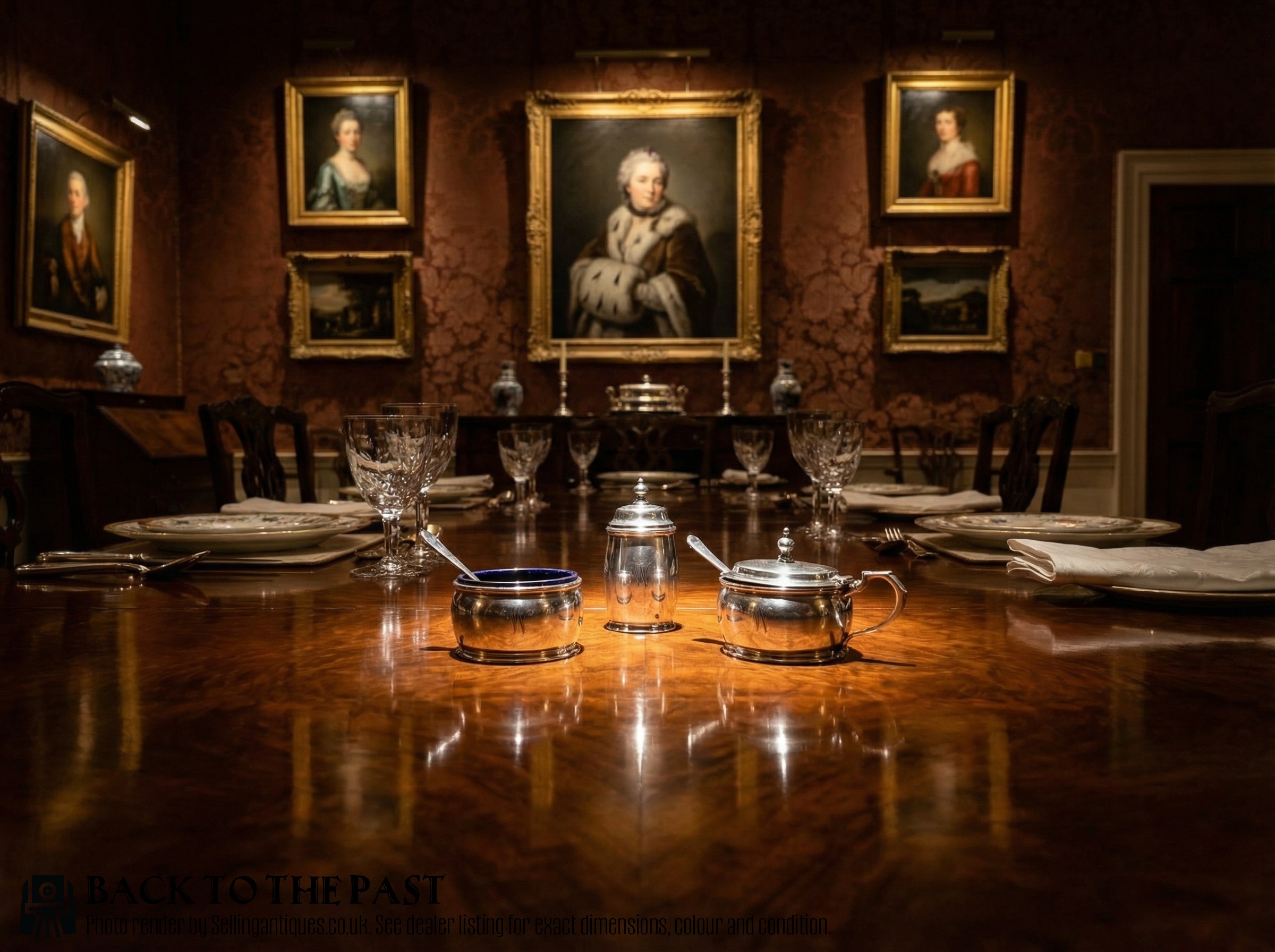
Vintage Silver Pot
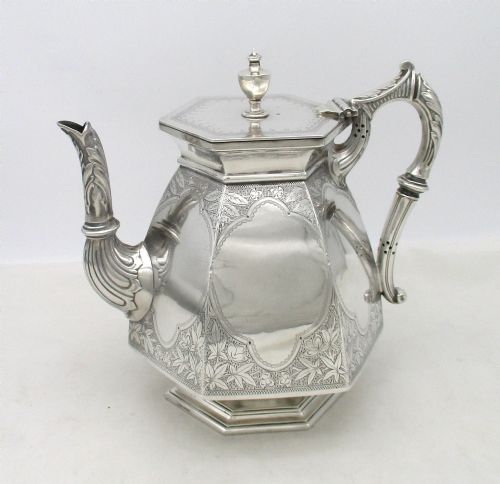
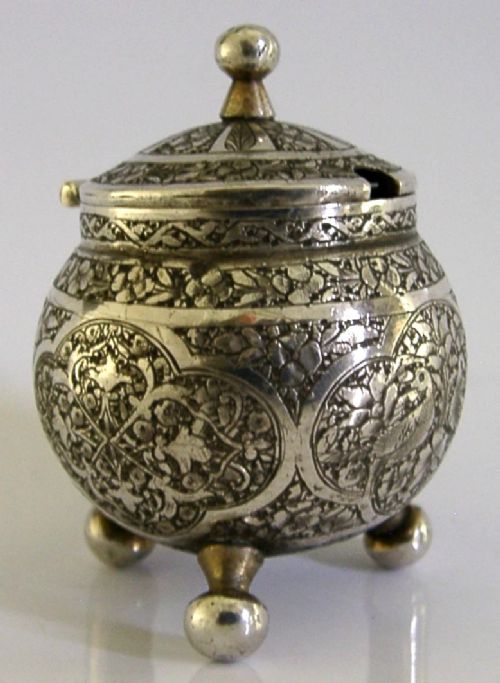
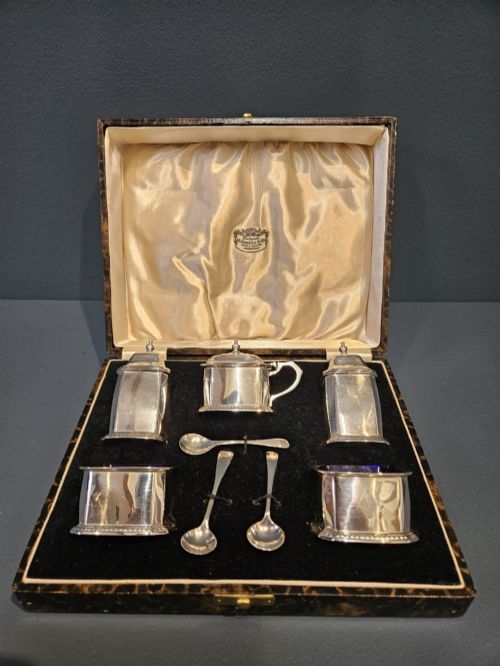
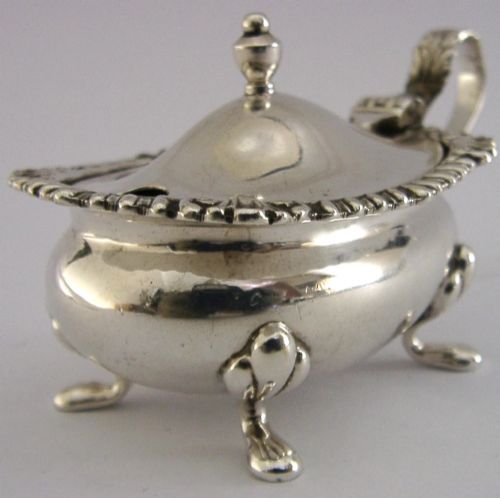
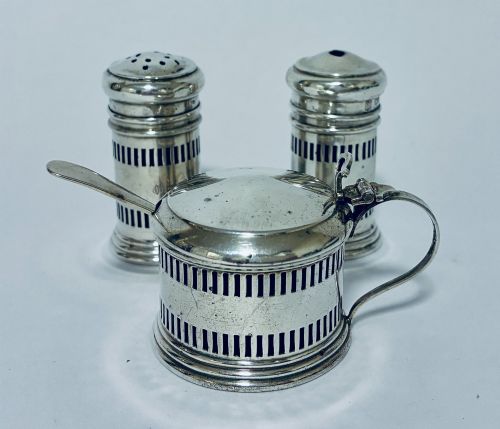
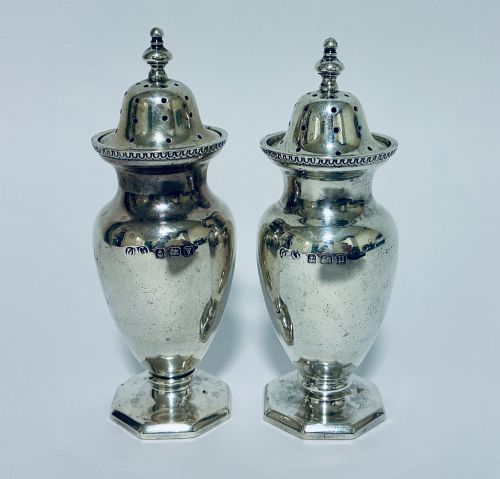
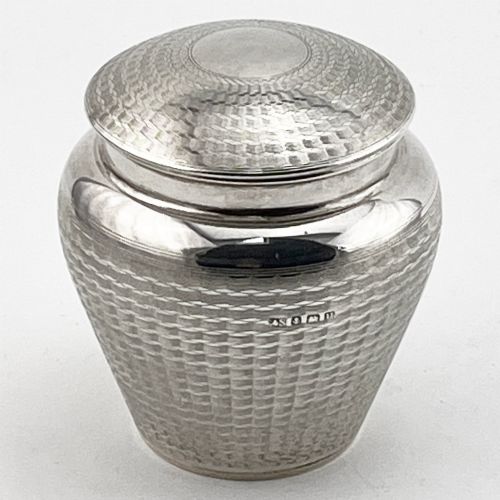
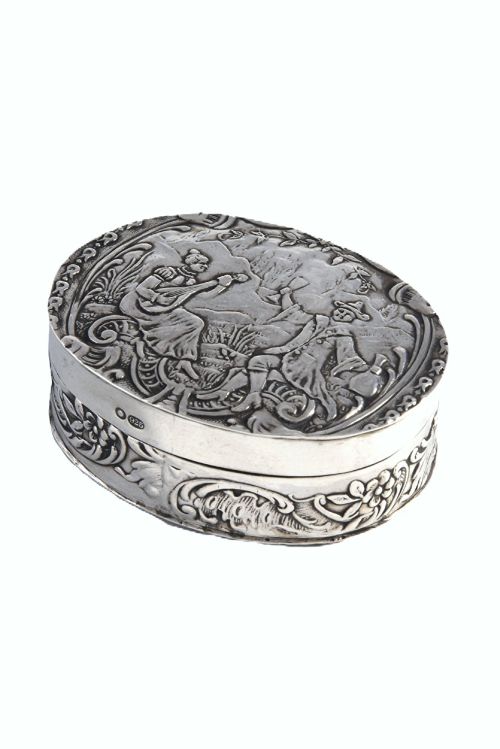
When searching for a vintage silver pot, buyers encounter a diverse selection of functional small vessels, including mustard pots, inkwells, trinket boxes, and cruet sets. These domestic items span periods from the nineteenth century through the Edwardian era and the Art Deco movement up to the mid-twentieth century.
The objects on this page range from solid sterling silver to silver plate, frequently combined with materials like cut glass, crystal, enamel, and wood. Originating from English workshops, European makers, and international export sources, these pots served specific domestic rituals at the table, desk, or dressing room.
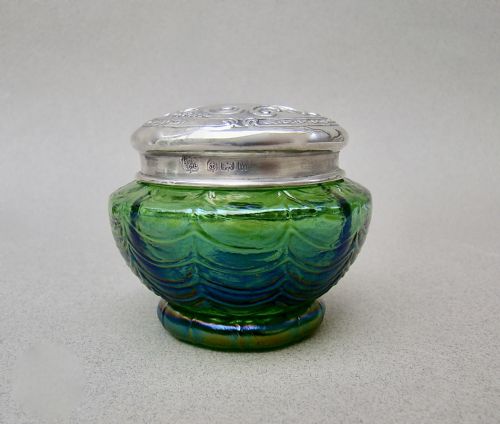
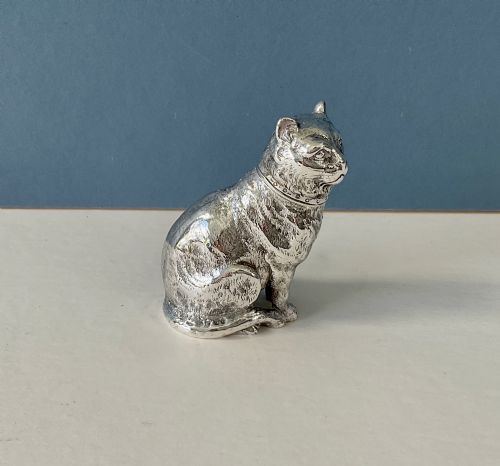
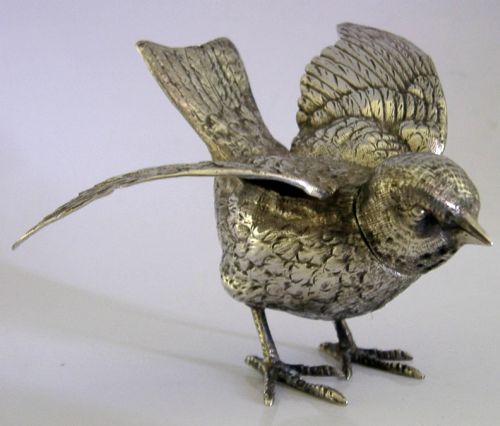
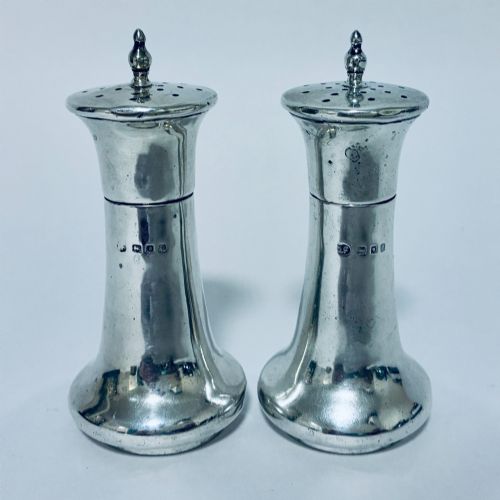
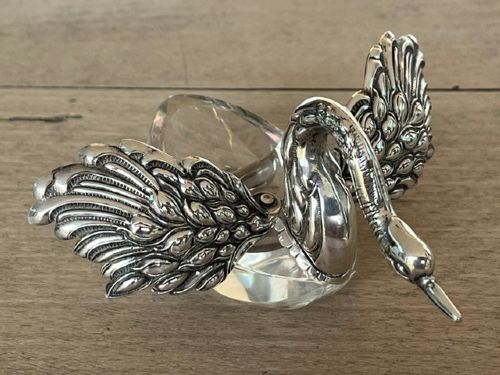
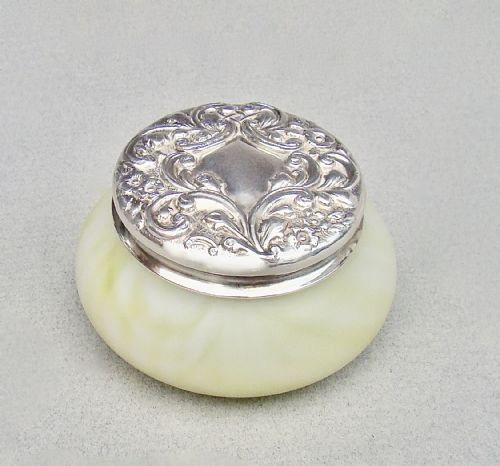
Most items you will meet on this page take the form of condiment containers, dressing table jars, or novelty pepper pots shaped as animals and birds. They reflect the shifting design priorities of successive decades, moving from ornate Victorian and Edwardian styling toward the clean lines of Art Deco and Mid-Century Modern forms.
How they were made
Silversmiths formed these pots using solid sterling silver or by applying silver plate over base metals, often combining the metalwork with blown, moulded, or cut glass bodies. Makers integrated coloured glass liners, such as cranberry glass or blue glass, to protect the silver from corrosive condiments like mustard.
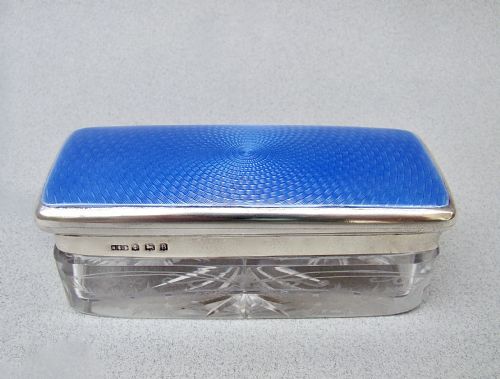
Enamelling techniques, particularly guilloche enamel, added vibrant colour to dressing table jars and trinket boxes through translucent coloured layers over engine-turned metal. Hinged lids, movable wings on animal novelties, and precise glass-cutting demonstrate the collaborative skill of silversmiths and glass cutters.
Some condiment pots take whimsical animal forms, including cats, owls, and life-size bird chicks.
What varies in quality
Quality in these pots rests upon the weight of the metal, the clarity and depth of the hallmarks, and the crispness of any chased or engraved decoration. Substantial gauge silver and robust hinges separate sturdy daily-use items from lighter, purely decorative pieces.
The integration between mixed materials also dictates quality, seen in how snugly a cut glass body fits its silver collar or how smoothly a hinged lid closes. Master silversmiths and recognised makers achieved a balance of proportion and mechanical precision that elevates utilitarian vessels into fine decorative art.
A. J. Pepper & Co·Henry Clifford Davis·Walker and Hall·Hukin and Heath·Padley Parkin & Staniforth·A. Bromet & Co
The Vintage Silver Pot Glossary
- Sterling silver
- A silver alloy containing 92.5 percent pure silver and 7.5 percent other metals, usually copper, chosen for durability.
- Cruet set
- A matched collection of small bottles, jars, or pots designed to hold condiments like mustard, pepper, salt, and oil at the dining table.
- Guilloche enamel
- A decorative technique where a metal surface is engraved with intricate geometric patterns beneath a translucent layer of coloured enamel.
- Capstan inkwell
- A desk inkpot shaped like a ship's capstan, featuring a wide circular base that tapers inward toward the top to prevent tipping.
- Silver plate
- A layer of pure silver fused or electroplated onto a base metal core such as copper, nickel silver, or Britannia metal.
- Trinket box
- A small lidded container utilised on dressing tables or desks to hold jewellery, stamps, or small personal items.
Vintage Silver Pot: Frequently Asked Questions
What were vintage silver pots used for?
These versatile vessels served practical roles across the Victorian, Edwardian, and mid-century home, holding condiments at the dining table, ink at the writing desk, or cosmetics upon the dressing table.
Many pots were designed for specific dining rituals, containing mustard, salt, pepper, or preserves, while lidded jars stored small valuables and trinkets.
How do I care for silver and glass pots?
Regular, gentle cleaning with a soft cloth and proprietary silver polish maintains the metal's lustre without wearing down hallmarks or fine engraved details.
Glass liners and components should be washed separately in warm soapy water and dried thoroughly before being returned to their silver mounts.
How can I tell the period of a silver pot?
British silver pots carry hallmarks stamped directly into the metal, featuring date letters, maker's marks, and assay office symbols that reveal the exact year of manufacture.
Stylistic cues also help date pieces, as ornate floral chasing points to Victorian or Edwardian origins, whereas geometric patterns suggest Art Deco design.
Are silver plated pots as good as solid silver?
Silver plated items offer the same decorative aesthetic and period charm as solid sterling pieces, often created by prominent makers using substantial base metal foundations.
While they lack intrinsic metal value, high quality plated wares from notable firms demonstrate exceptional craftsmanship and durability.