




Blue Glass Liner
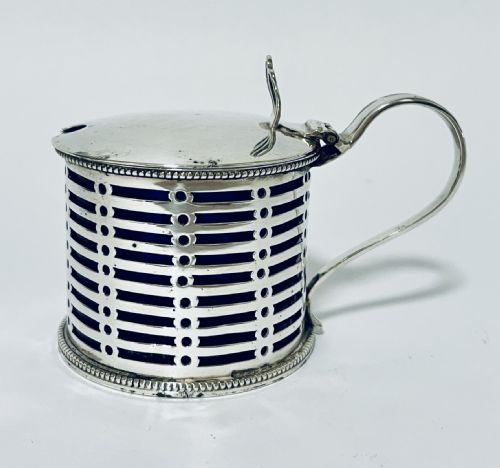
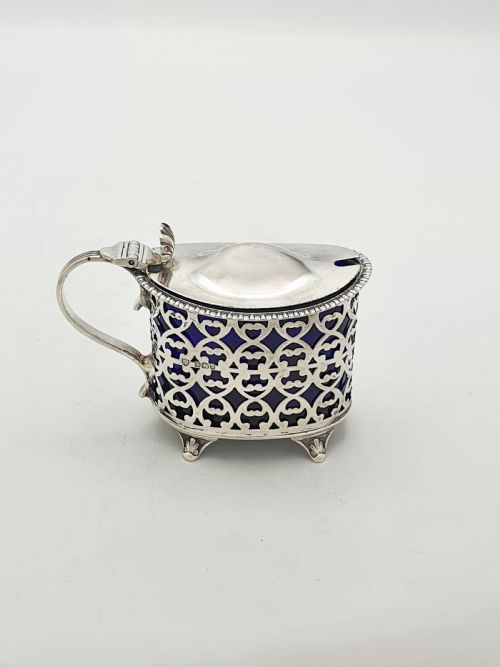
A blue glass liner slips inside an open silver or plated mount to protect the metal from corrosive contents.
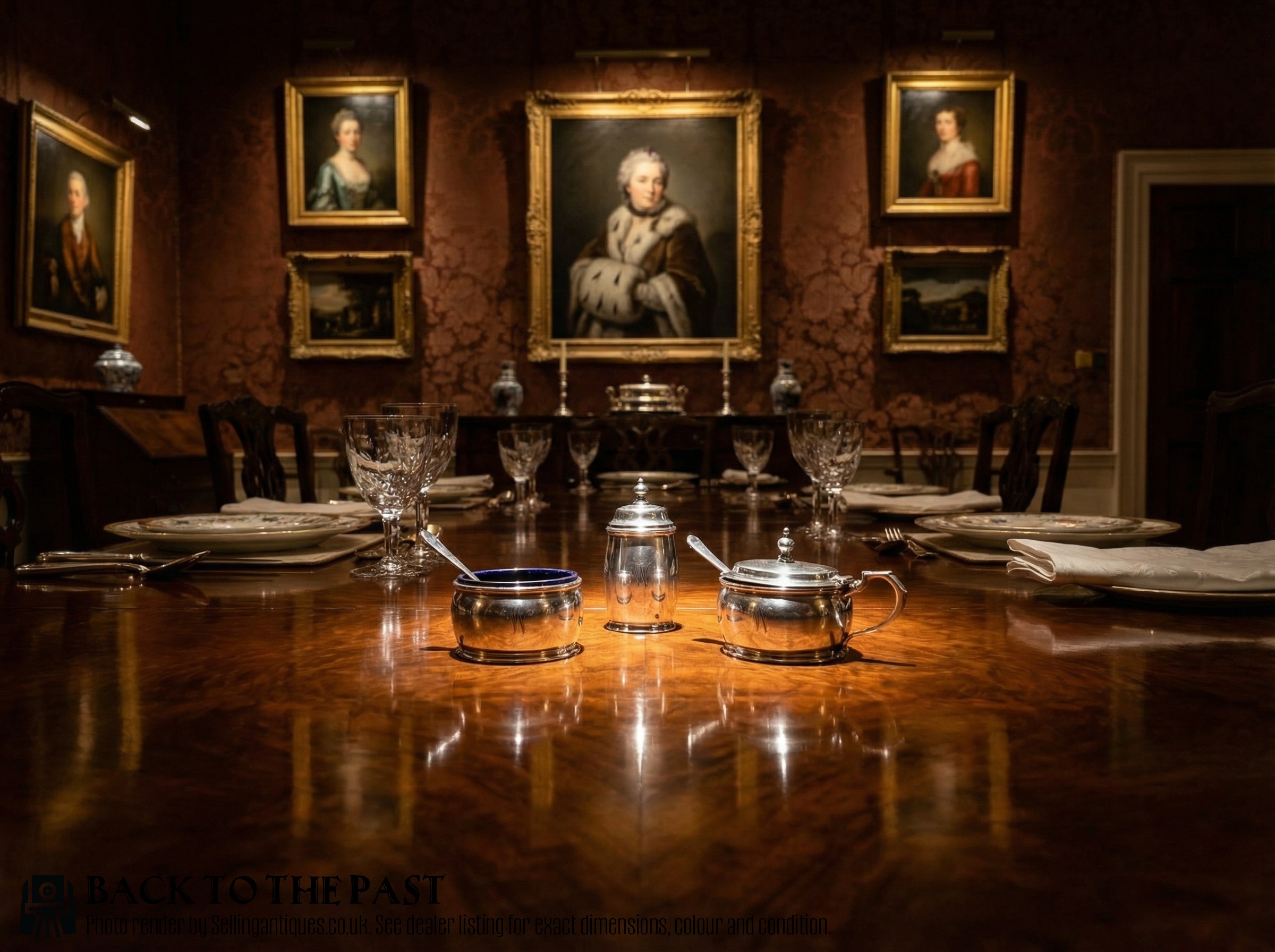
Blue Glass Liner
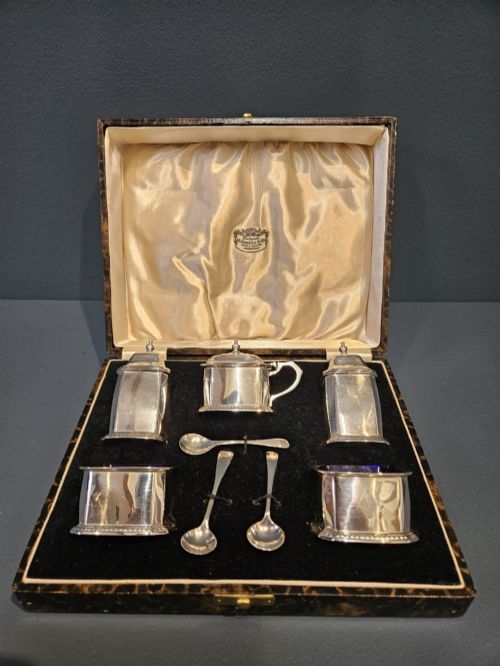
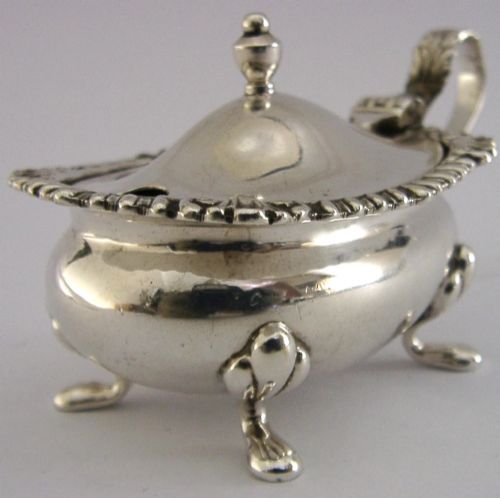
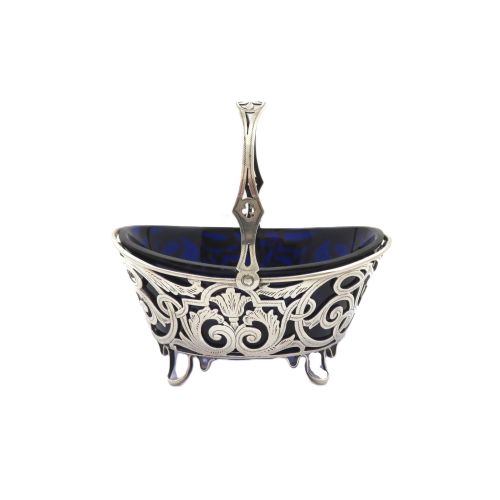
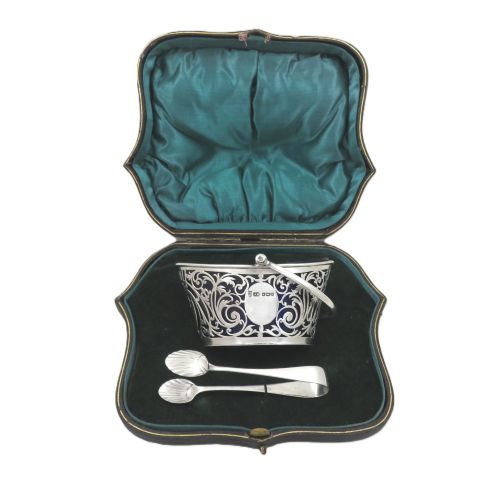
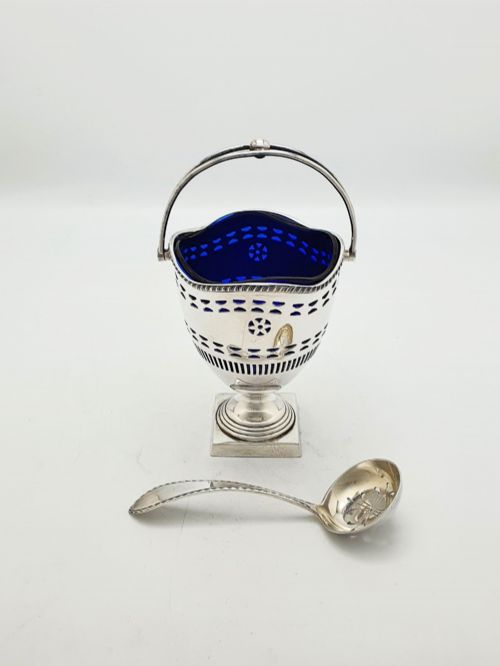
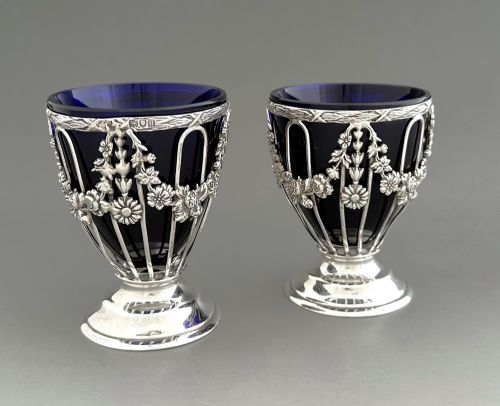
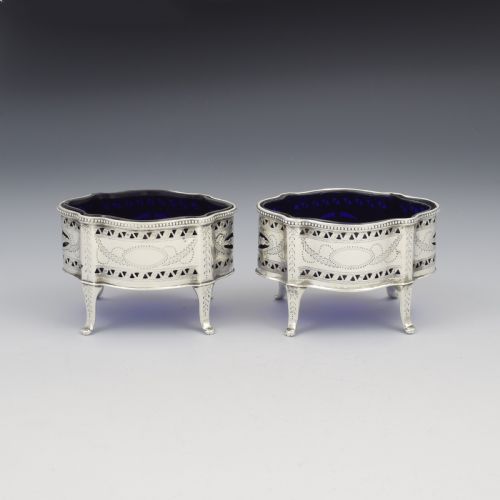
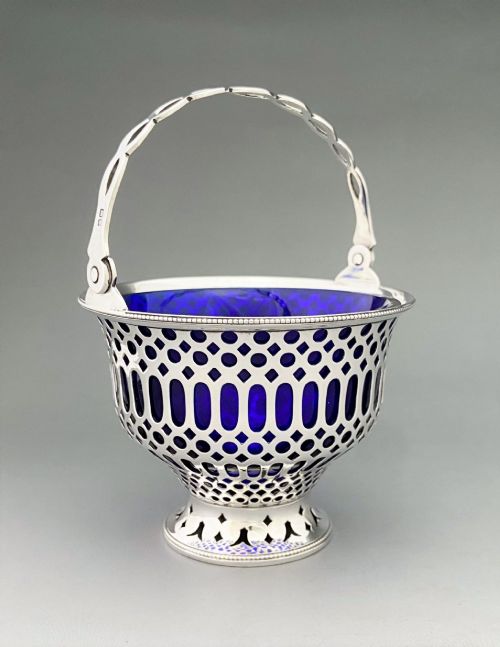
A blue glass liner acts as a removable vessel contained within openwork silver, silver plate, or occasionally German silver frames. When searching for a blue glass liner, buyers encounter small tableware elements designed for salt cellars, mustard pots, sugar baskets, and larger condiment or centrepiece bowls.
The objects span periods from the eighteenth century through the Victorian and Edwardian eras up to Art Deco and mid-twentieth-century designs. Most examples found on this page pair nineteenth-century or early twentieth-century pierced silver frames with rich cobalt or Bristol blue blown glass inserts.
How they were made
Makers produced the glass inserts by blowing molten glass into moulds or free-blowing them before hand-trimming and polishing the rims. The outer mounts utilised sterling silver or silver plate formed through casting, piercing, or wirework techniques.
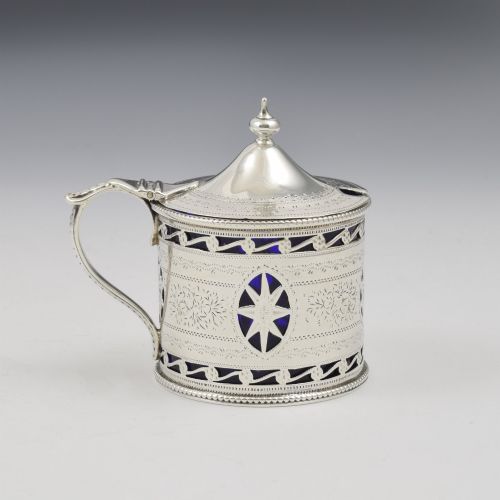
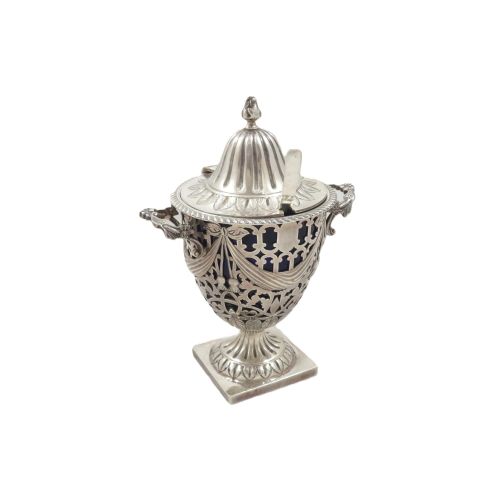
Silvermsmiths pierced sheet metal with intricate geometric or floral patterns to showcase the vivid blue glass glowing from within. Frames often incorporated swing handles, claw feet, or figural supports designed to secure the glass vessel safely.
Some nineteenth-century silver mustard pots sit on tiny figural devil legs, holding their blue glass liners with distinct gothic flair.
What varies in quality
Quality rests upon the harmony between the glass insert and the metal frame, alongside the crispness of the silversmith's piercing and chasing. Superior pieces retain their original blown glass liner, complete with natural manufacturing bubbles and minor irregularities that indicate genuine age rather than a modern replacement.
Heavier gauge silver, robust casting on handles and feet, and well-defined hallmarks elevate a piece. The depth and saturation of the blue glass colour, combined with a snug fit inside the metal pierced lattice, distinguish finer examples from standard production items.
Nathan and Hayes·Aldridge and Green·William Neale·Charles Stuart Harris·Omar Ramsden·David Hennell I·Mappin and Webb·Elkington and Co
The Blue Glass Liner Glossary
- Pierced silver
- Metalwork decorated by cutting away sections of the sheet to create openwork patterns. This technique allows the colour of the glass liner to show through the decorative frame.
- Cobalt glass
- Deep blue glass coloured using cobalt oxide during the melting process. It provides the characteristic rich tone seen in nineteenth-century and twentieth-century condiment liners.
- Salt cellar
- A small open vessel used to hold loose salt at the dining table before the invention of the spring-loaded salt shaker. These containers almost universally required a glass liner to prevent salt corrosion on the silver.
- Sugar basket
- An open-topped or swing-handled basket used to serve lump sugar on the tea table. They frequently feature delicate wirework or pierced sides housing a deep blue glass insert.
- Hallmark
- A series of official stamps applied to precious metals indicating the standard of purity, the assay office, and the year of manufacture. These marks help date the metal mount independently of the glass.
Blue Glass Liner: Frequently Asked Questions
Are blue glass liners interchangeable?
Most liners were blown or moulded to fit a specific handmade or cast metal frame. Variations in nineteenth-century manufacturing mean replacements rarely fit precisely.
Finding an original glass insert that sits flush within the antique silver mount significantly preserves the integrity of the piece.
What is Bristol blue glass?
Bristol blue is a deeply saturated cobalt-coloured glass historically produced in the Bristol area during the eighteenth and nineteenth centuries. It became a popular choice for condiment containers because it masked the contents while looking striking against polished silver.
Pieces featuring this specific hue are frequently associated with Georgian and early Victorian tableware.
How do I clean my silver with a glass liner?
Lift the glass liner entirely out of the metal frame before polishing the silver to prevent cleaning agents from contacting the glass. Wash the glass insert separately in warm soapy water and dry it thoroughly before replacing it in the mount.
Harsh metal polishes can permanently damage the surface of antique glass if allowed to pool around the edges.
Why do mustard pots need glass liners?
Mustard contains vinegar and other acidic compounds that rapidly corrode and pit silver if placed in direct contact with the metal. Inserting a glass bowl protected the costly silver frame while remaining easy to empty and wash after meals.
This practical requirement drove the production of small blown glass vessels matching the interior dimensions of condiment pots.