


Vintage Silver Plated Tray
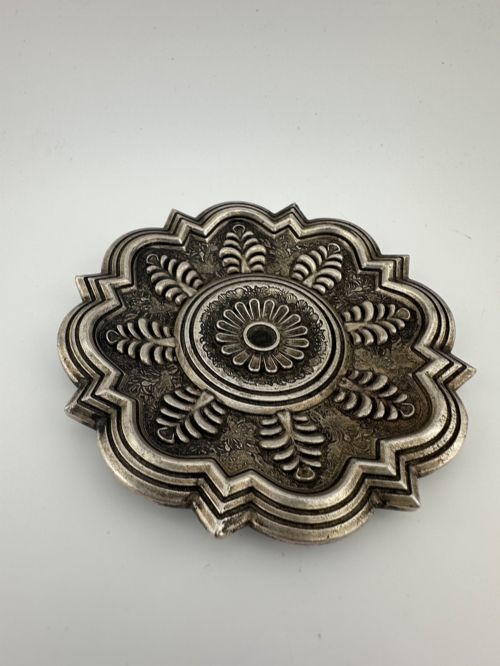
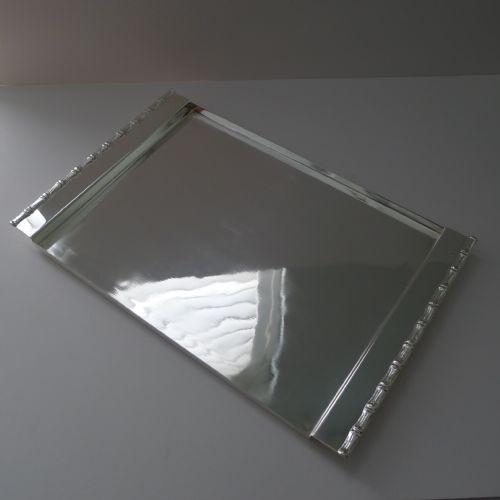
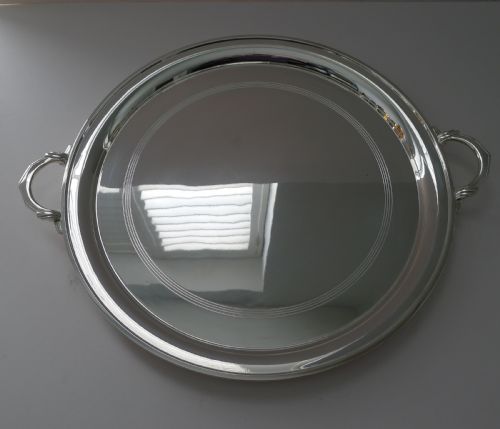
A vintage silver plated tray brings refined metalwork and practical elegance to serving drinks or organising a surface.
Vintage Silver Plated Tray
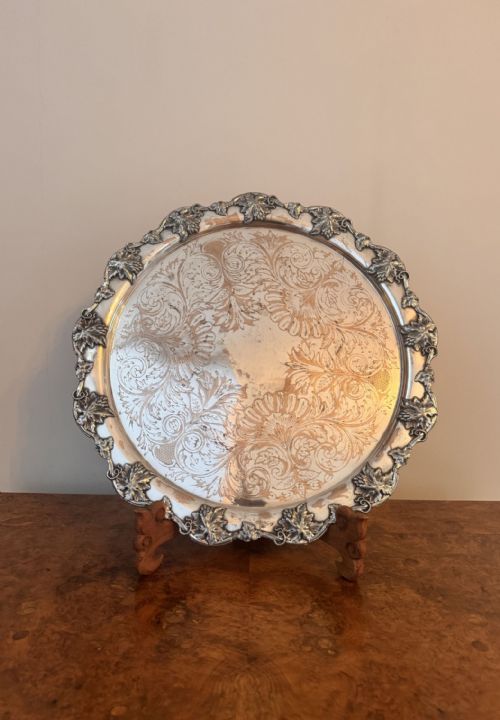
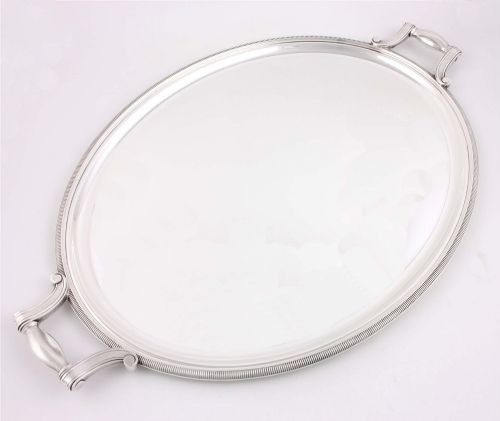
A vintage silver plated tray encompasses serving pieces, platters, salvers, and gallery designs originating from the nineteenth century through the mid-twentieth century. Buyers encounter Edwardian tea trays alongside Art Deco cocktail pieces and heavier Victorian serving items.
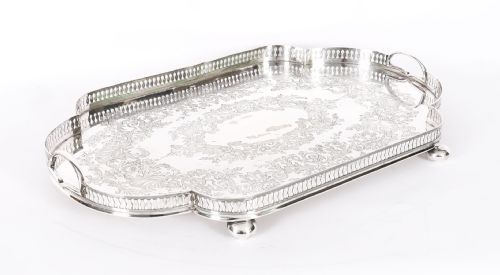
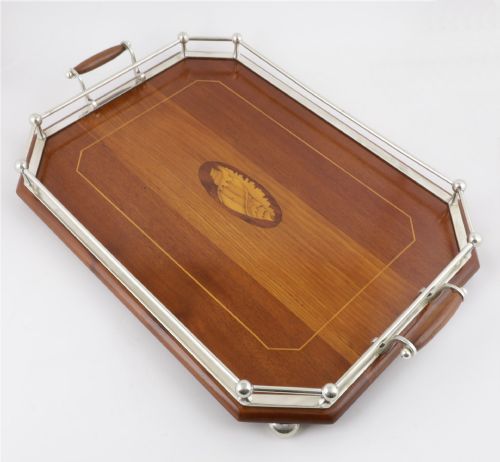
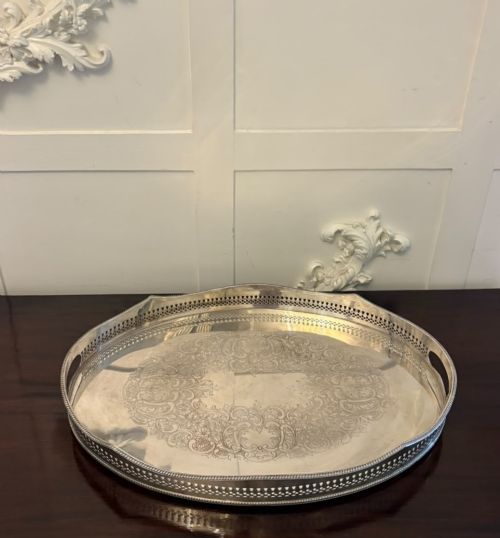
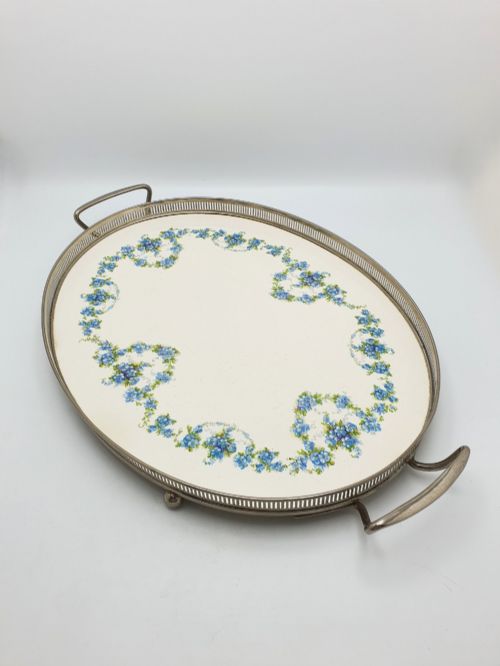
The selection ranges from plain surfaces to engraved Edwardian tea trays featuring pierced galleries, alongside geometric Art Deco cocktail trays from the nineteen-twenties and nineteen-thirties. Forms frequently incorporate integrated handles, shell borders, or raised wooden galleries combined with metalwork.
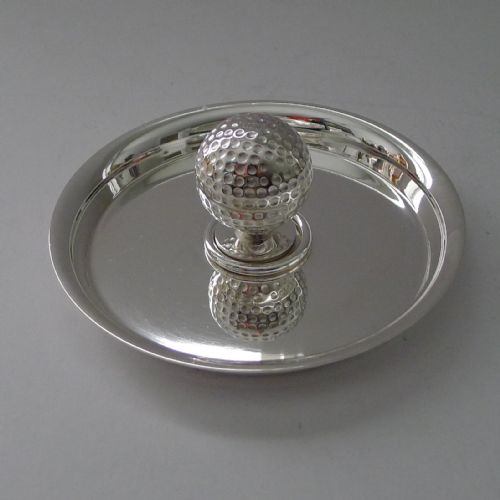
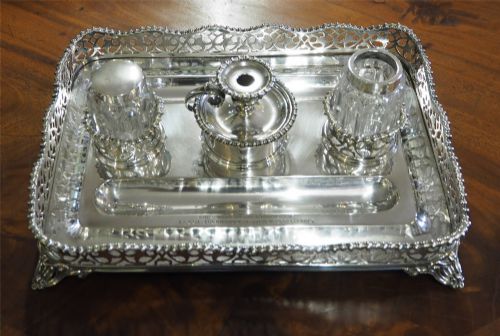
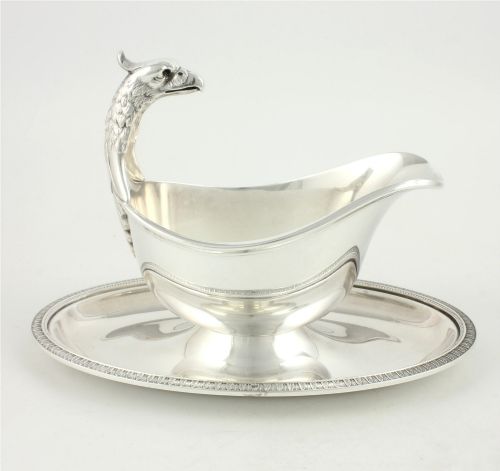
Beyond traditional serving dishes, the category extends to specialised desk accessories, ink stands, and occasional vessels that utilise metal plating over base metals or nickel silver.
Materials and production methods
Makers applied a layer of silver over base metals, electroplated nickel silver, or standard EPNS, combining durability with the appearance of solid silver. Copper frequently served as the underlying foundation for older items like Old Sheffield plate.
Designers incorporated contrasting elements such as mahogany wood bases, starburst cut glass inserts, and ceramic or blue floral centres. Handles and raised galleries were often cast separately and soldered or screwed onto the main tray body.
Listings feature periods spanning from the nineteenth century through the nineteen-sixties, including Victorian, Edwardian, Art Deco, and Mid-Century Modern eras.
Quality factors in silver plate
The weight and thickness of the underlying metal base determine the structural rigidity of a piece, separating substantial serving trays from lighter alternatives. Heavier gauges prevent warping and support repeated handling during use.
The precision and depth of chased or engraved ornamentation dictate visual refinement. Crisp floral motifs, tight gallery piercing, and well-fitted wooden or glass components signal superior manufacturing standards.
James Deakin·William Hutton & Sons·Mappin & Webb·Elkington·Christofle·Walker And Hall·Harrods·Creswick·WMF
The Vintage Silver Plated Tray Glossary
- EPNS
- Electroplated Nickel Silver forms the foundational white metal alloy underneath the silver surface on many pieces. This technique became widespread during the nineteenth century.
- Gallery tray
- A serving tray featuring a pierced or solid raised rim around the perimeter. This architectural border prevents glasses and decanters from sliding off.
- Salver
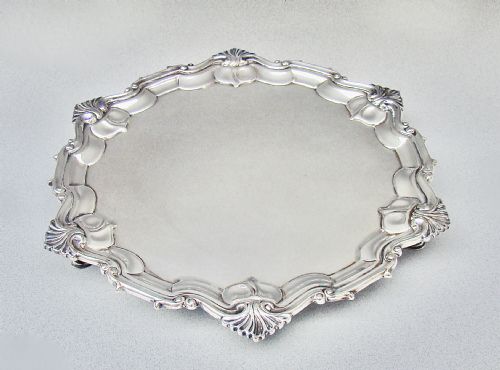
- A flat serving tray typically supported upon small feet. These round or shaped metal plates historically served for presenting drinks or letters.
- Old Sheffield plated
- An early composite material made by fusing a thin sheet of silver to a thicker copper ingot. This predates standard nineteenth-century electroplating methods.
Vintage Silver Plated Tray: Frequently Asked Questions
How do I clean a silver plated tray?
Clean these surfaces using a dedicated silver cloth or mild non-abrasive cream designed for plated items. Avoid harsh scrubbing that can wear through the thin silver layer down to the base metal.
Store the piece in a dry environment and handle it with soft cloths to minimise tarnish buildup and preserve the original engraved details.
Are these trays suitable for daily use?
Most pieces function well for serving drinks or displaying objects on a table. The robust construction of heavier Edwardian and Art Deco designs accommodates regular domestic interaction.
Take care to dry the metal promptly after contact with moisture, particularly if the piece incorporates wood bases or glass inserts.
What is the difference between a salver and a tray?
A salver typically stands on small feet and has a circular or shaped plate form meant for presenting items formally. Trays generally feature flat bases with handles or raised galleries intended for carrying.
Both categories utilise silver plating over base metals, but their historical function and physical profile vary according to the dining or serving context.
How can I date an unmarked silver plated tray?
Examine the overall design style, such as the geometric lines of Art Deco pieces or the floral piercing typical of Edwardian manufacture. Materials like early copper foundations or heavy nickel silver also provide clues to the production era.
Comparing edge decoration, border styles, and manufacturing marks helps narrow down the decade of origin.