

Vintage Silver Caddy Box
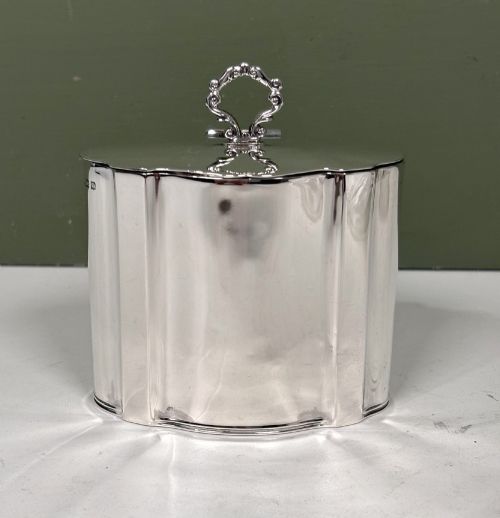
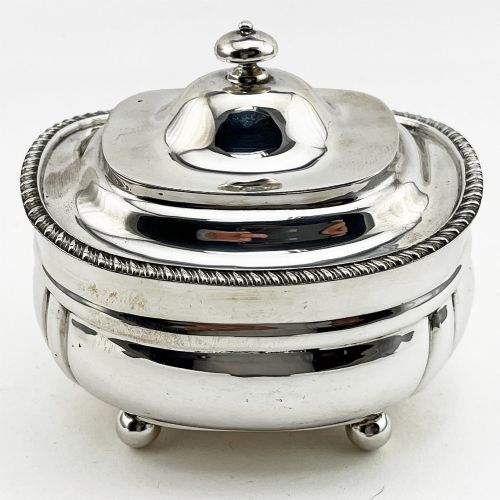
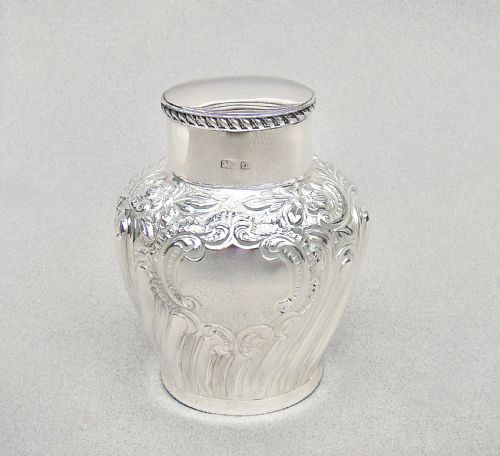
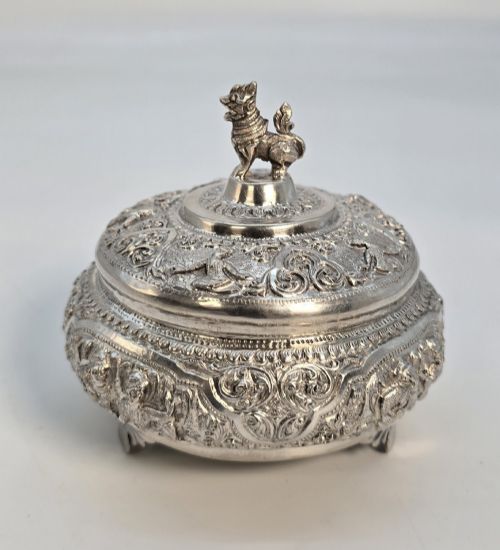
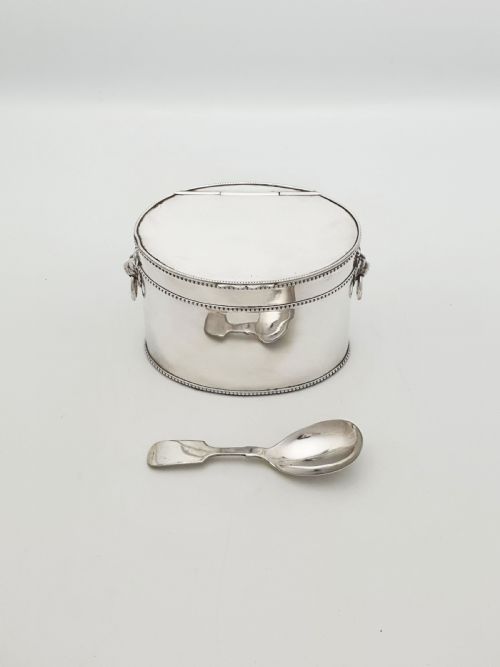
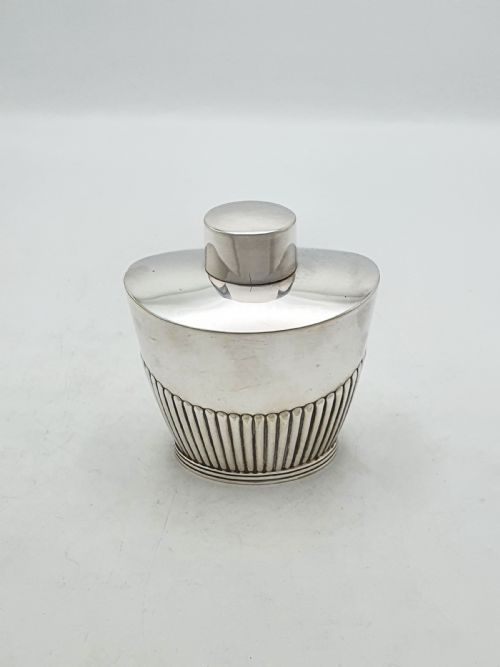
These pieces are vintage silver caddy boxes, domestic containers originally made for preserving tea or dry goods, prized by collectors for their craftsmanship and metalwork.
Vintage Silver Caddy Box
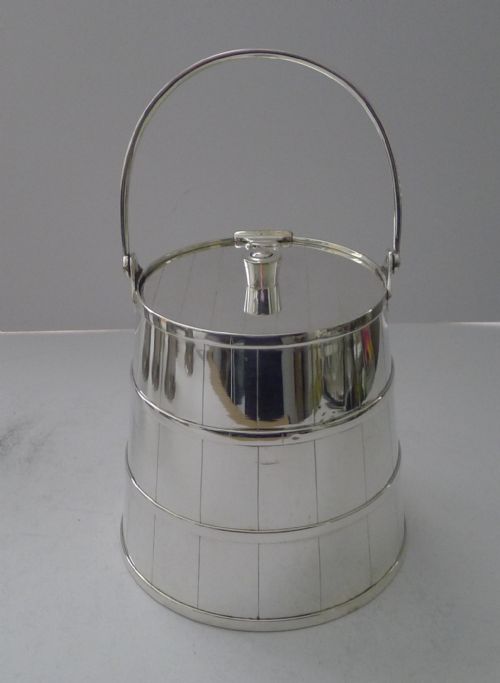
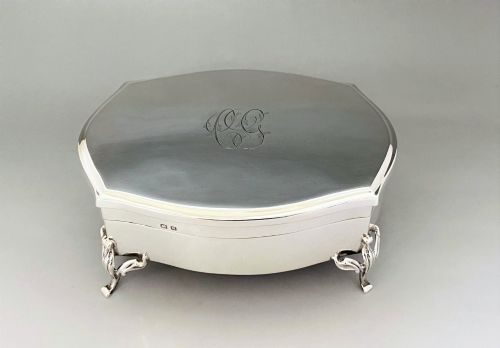
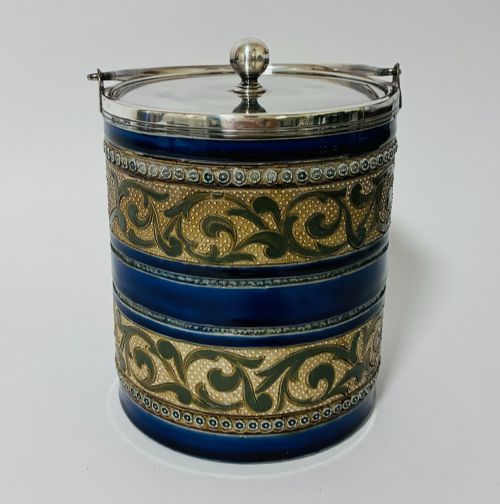
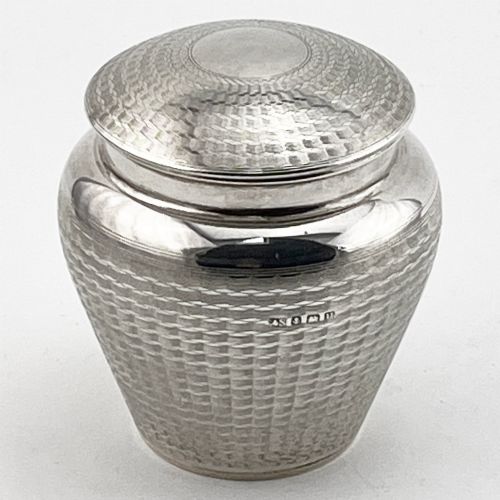
A vintage silver caddy box serves primarily as a lidded container for tea leaves, biscuits, or small personal valuables. The selections here draw heavily from the Edwardian, Victorian, and early twentieth-century periods, spanning forms from traditional tea caddies to novelty biscuit barrels.
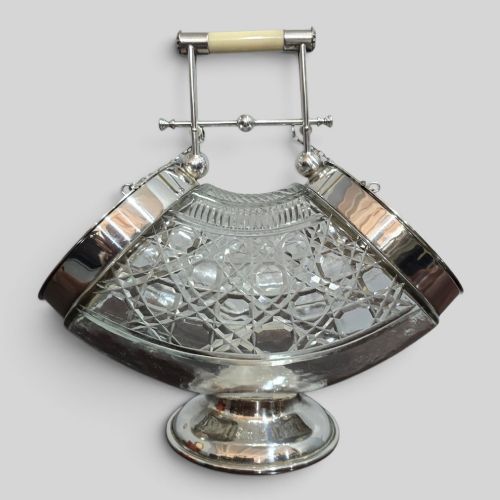
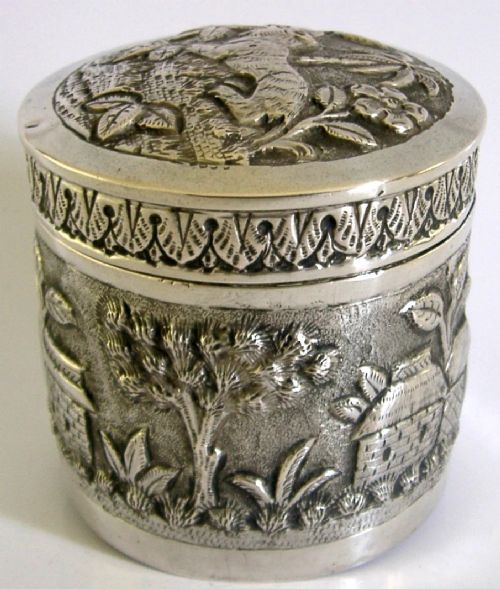
Most items on this page combine precious or plated metals with auxiliary materials such as oak or cut glass. Buyers encounter both sterling silver hallmarks and heavy silver plate, alongside regional variations from Indian colonial workshops.
The practical function of these boxes evolved over decades from strict culinary storage into decorative desk accessories and trinket holders. Their survival reflects the enduring appeal of small-scale domestic silverwork from the nineteenth and twentieth centuries.
How they were made
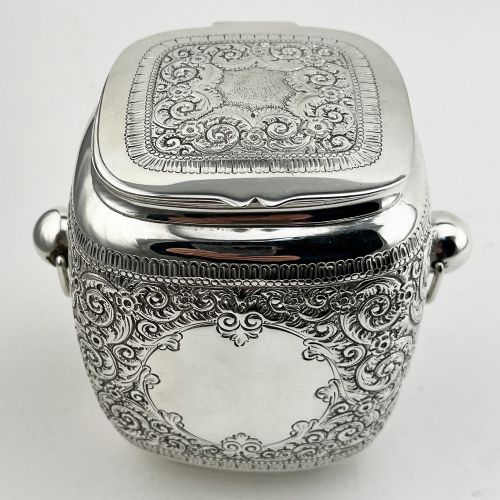
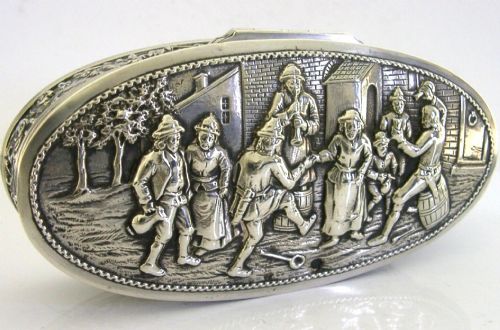
Silversmiths constructed these vessels using sterling silver or applied silver plate over base metals, often incorporating turned oak bodies, cut glass inserts, or burr maple wood. Workshops employed techniques such as hand-hammering, floral scroll engraving, and intricate embossing to decorate the surfaces.
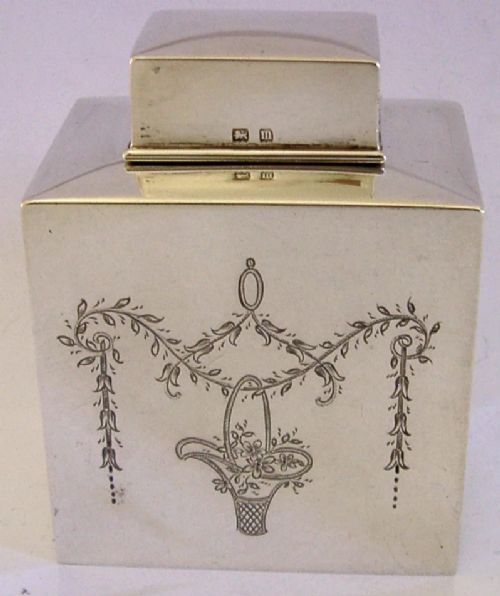
Structural integrity relied on secure corner joints, hinged lids with tight tolerances, and cast metal additions like lion mask handles. Hallmarking stamps applied at official assay offices provided legal guarantees of metal purity and manufacturing year.
Some biscuit barrels take the unusual physical form of an iron weight or a drum.
What varies in quality
The distinction between standard production and superior craftsmanship rests on the weight of the metal and the crispness of the chased or engraved decoration. Thicker gauge silver and fully articulated cast elements indicate higher grade manufacturing.
Makers known for exceptional output invested greater care in internal linings, tight lid closures, and clear punch marks. Pieces featuring combined materials like cut glass and solid silver show superior execution when the disparate components fit seamlessly.
Martin Hall And Co·Thomas Hayes·Mappin And Webb·Sigvard Bernadotte·William Hutton·Henry Williamson Ltd
The Vintage Silver Caddy Box Glossary
- Sterling silver
- An alloy containing 92.5 percent silver by mass, with the remainder consisting of other metals like copper. It provides the standard composition for British hallmarked domestic silverware.
- Silver plate
- A manufacturing method where a thin layer of silver is bonded to a base metal core such as copper or nickel brass. This technique offered a sturdier, accessible alternative to solid silver vessels.
- Hallmark
- An official mark stamped onto precious metal items by an assay office. It verifies the metal purity, the maker, and the year of manufacture.
- Bisque barrel
- A cylindrical container designed originally for storing dry biscuits at the dining table. They frequently incorporate novelty mechanisms or combinations of oak and silver plate.
- Caddy
- A small container or box specifically designed for holding tea leaves securely. Early iterations included internal lids to preserve the volatile aromatics of the dry leaf.
Vintage Silver Caddy Box: Frequently Asked Questions
What is the difference between solid silver and silver plate?
Solid silver contains a regulated high purity of precious metal throughout its entire structure, verified by official assay office hallmarks. Silver plate consists of a thin coating of silver applied over a cheaper base metal.
Over time, heavy polishing can wear down plated surfaces to reveal the base metal underneath. Solid silver maintains its material composition regardless of age and wear.
How do I date an antique silver box?
Locate the stamped hallmarks on the metal surface, which typically include a date letter indicating the exact year of assay. Additional maker marks and standard town marks narrow down the production origin.
Stylistic cues like Edwardian floral engraving or Art Deco geometry also help establish the approximate manufacturing decade when hallmarks are absent or worn.
How were tea caddies used originally?
Tea caddies stored precious imported tea leaves securely under lock and key to prevent theft by household staff. The homeowner kept the key and measured out the daily leaf allowance.
Many caddies featured internal compartments to separate different tea varieties, such as green and black leaves, before consumption became widespread.