



Silver Plated Caddy
When searching for a silver plated caddy, collectors find functional metal storage containers spanning Victorian, Edwardian, and later periods.
Silver Plated Caddy
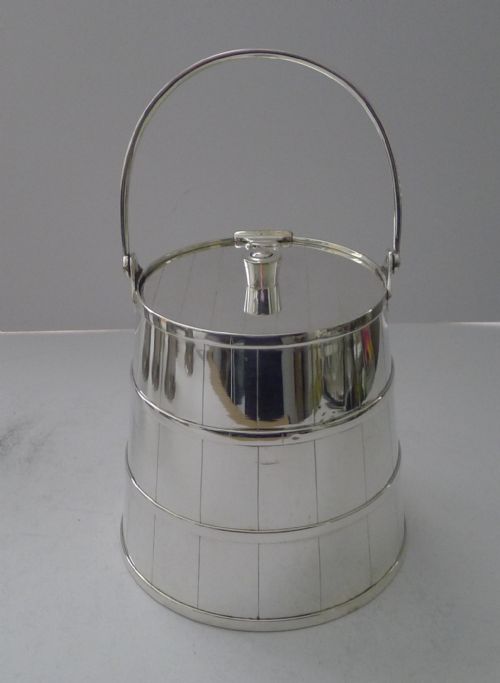
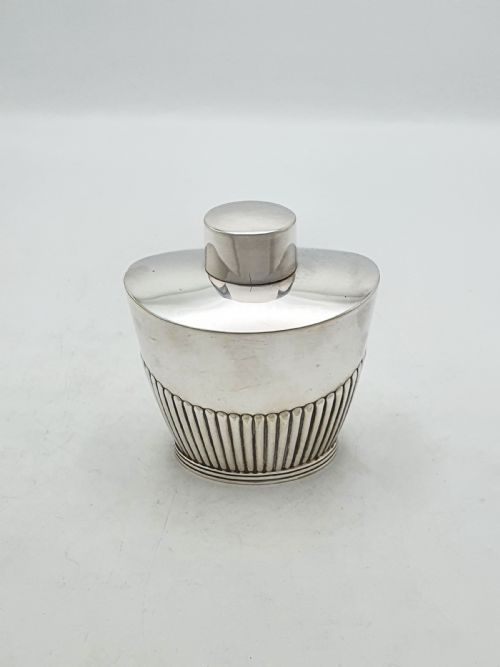
A silver plated caddy serves as a storage vessel for tea, dry goods, or biscuits, appearing in various forms across the 19th and 20th centuries.
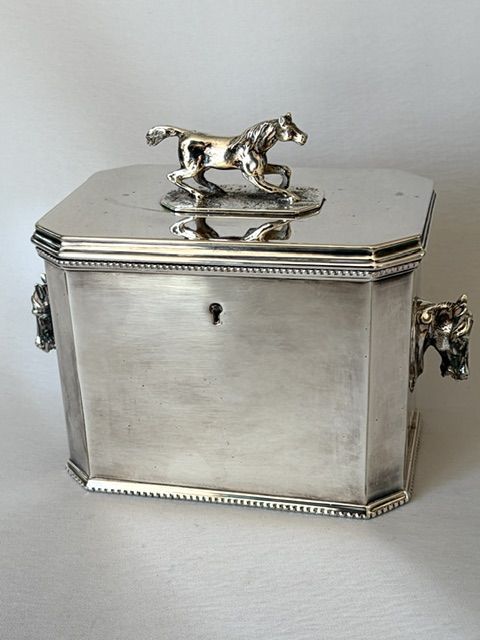
The pieces on this page span Victorian, Edwardian, and Art Deco periods, encompassing dedicated tea caddies, biscuit barrels, and novelty containers.
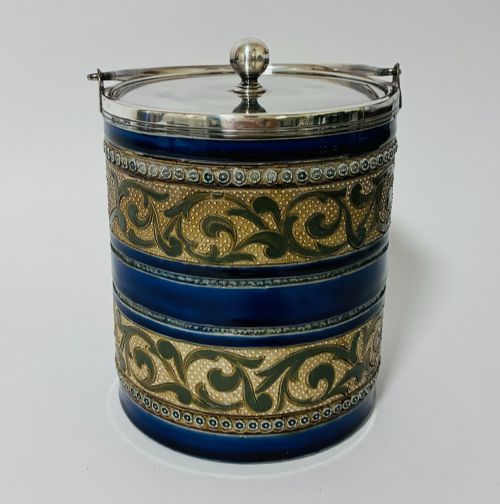
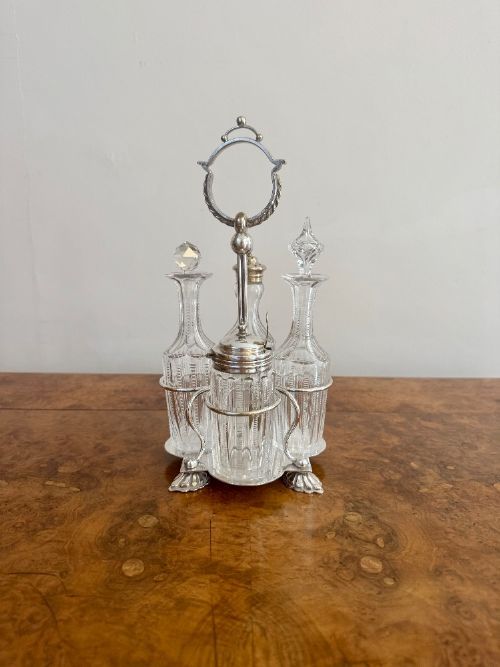
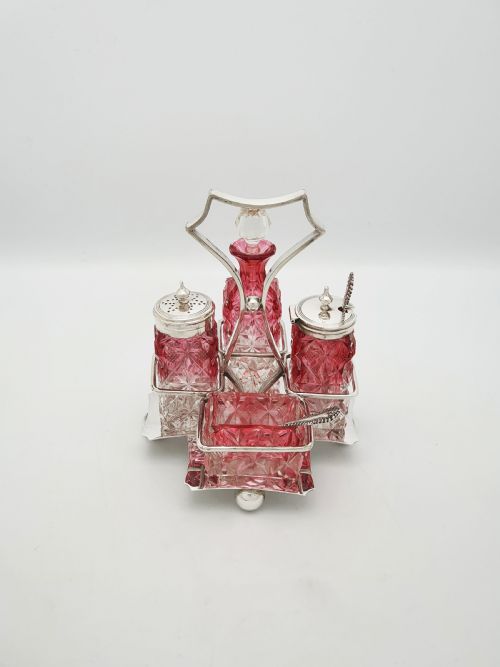
Many examples combine silver plate with other media, integrating cut glass, oak, and earthenware bodies alongside metal mountings.
How they were made
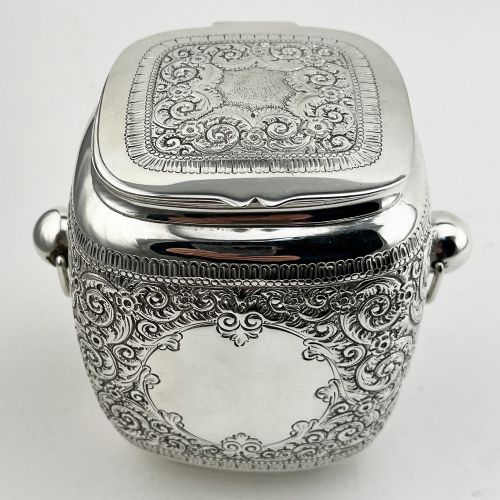
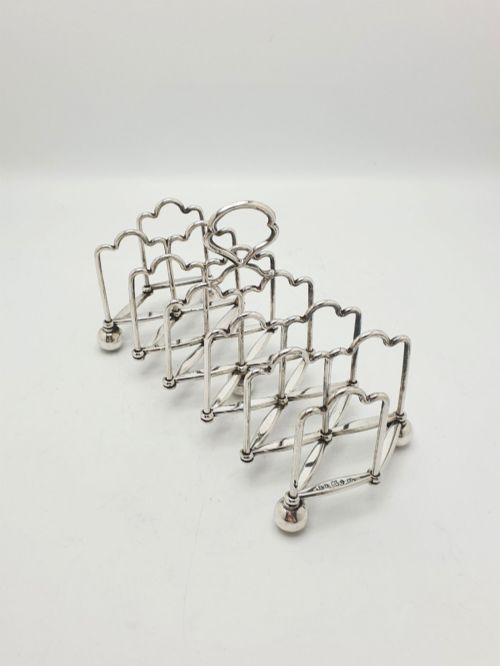
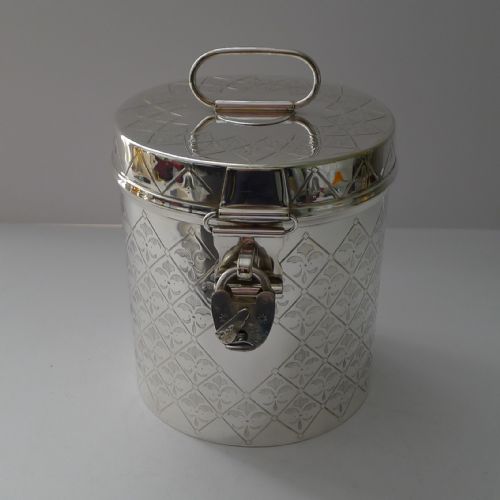
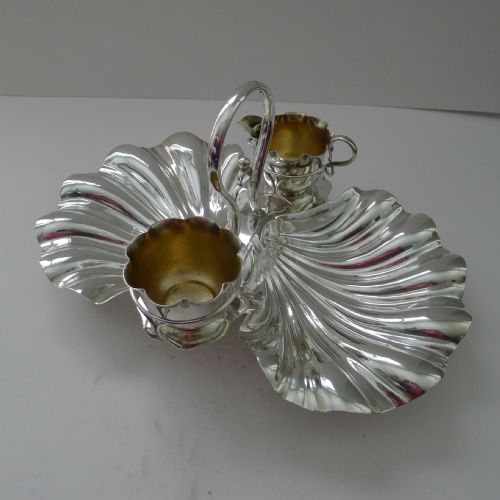
Maker workshops utilised electroplated nickel silver and standard silver plate over base metals, frequently applying piercing, engraving, and relief work to the exterior surfaces.
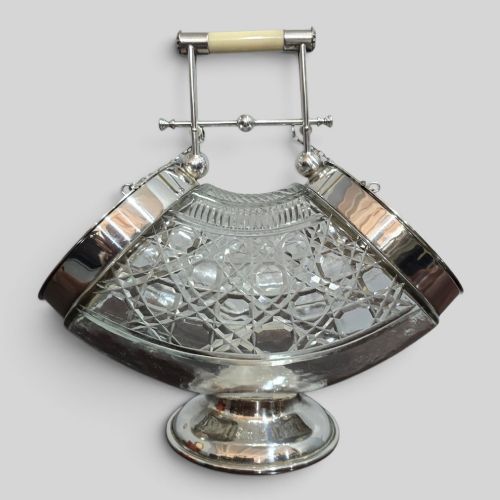
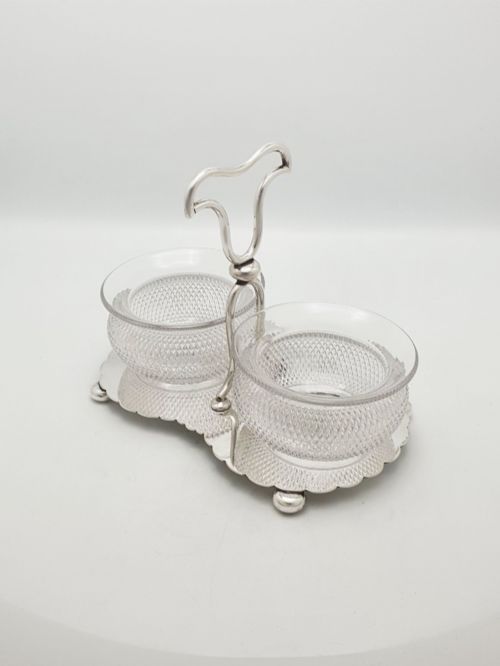
Container bodies often incorporate cut glass, hobnail glass, and ceramic elements such as Doulton Lambeth or Carlton Ware earthenware, secured with hinged metal lids and mounts.
Listings feature items incorporating cut glass, oak, earthenware, and electroplated nickel silver across multiple decades.
What varies in quality
The standard of execution depends heavily on the depth of engraving, the weight of the metal plating, and the integration of secondary materials like hand-cut crystal or seasoned oak.
Recognised makers and specialised workshops contributed superior finishing details, such as original locking mechanisms, engraved shell spoons, and structural mounts with registration numbers.
Martin Hall And Co·Elkington·Mappin And Webb·Daniel Arter·Mappin Brothers·Robert And Belk·William Hutton·Hukin And Heath·Christofle Paris·Asprey·Atkin Brothers·James Dixon
The Silver Plated Caddy Glossary
- Electroplated nickel silver
- A base alloy of copper, nickel, and zinc coated with a layer of pure silver through an electrical process. This technique became widespread during the Victorian era for producing durable tableware.
- Biscuit barrel
- A covered container designed to hold dry biscuits or cakes on the dining table or sideboard. These vessels frequently feature ceramic bodies, glass liners, or oak staves with silver plated mountings.
- Hobnail cut
- A decorative glass-cutting pattern characterised by rows of small, pyramid-shaped facets that project outward. This method catches the light and adds considerable texture to Edwardian containers.
- Tantalus
- A locking beverage stand that holds decanters securely within a frame to prevent unauthorized access. The wooden framework typically incorporates heavy silver plated carrying handles and lock bars.
Silver Plated Caddy: Frequently Asked Questions
What was a silver plated caddy used for?
These containers were originally manufactured to store and preserve dry tea leaves, keeping them aromatic and protected from moisture.
Over time, similar forms emerged for biscuits, tobacco, and general tabletop storage.
How do I date a silver plated caddy?
Dating relies on stylistic clues, manufacturer marks, and registration numbers stamped into the metal.
Victorian pieces often display heavier ornamentation, while Edwardian and Art Deco examples favour cleaner lines or neoclassical motifs.
Are glass liners original?
Many biscuit barrels and condiment stands were manufactured with fitted glass or earthenware liners to protect the metal interior.
Original liners often match the exact contours and period characteristics of the outer silver plated framework.
How do I clean silver plate?
Maintenance involves gentle washing with warm water and mild soap, followed by drying with a soft cloth.
Harsh abrasive cleaners should be avoided to prevent wearing away the thin layer of silver plating.