



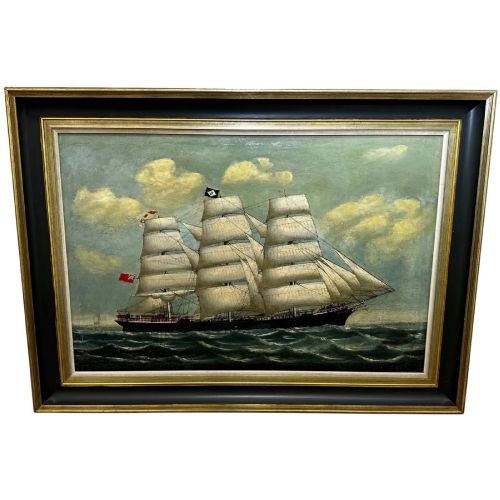
Vintage Ship Oil Painting
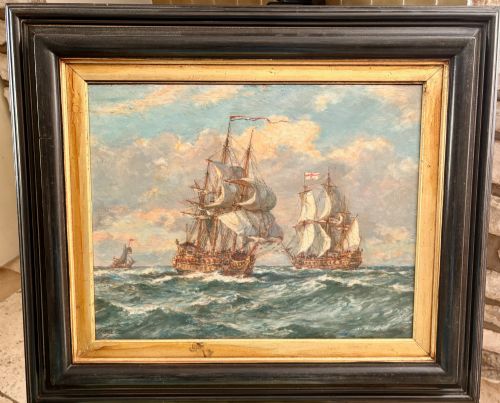
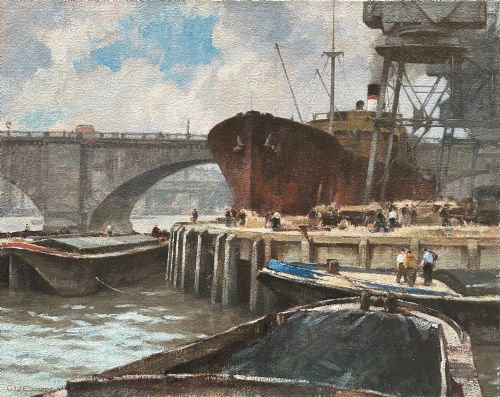
A vintage ship oil painting captures the historic drama of maritime life on canvas, offering a dramatic focal point for the room.
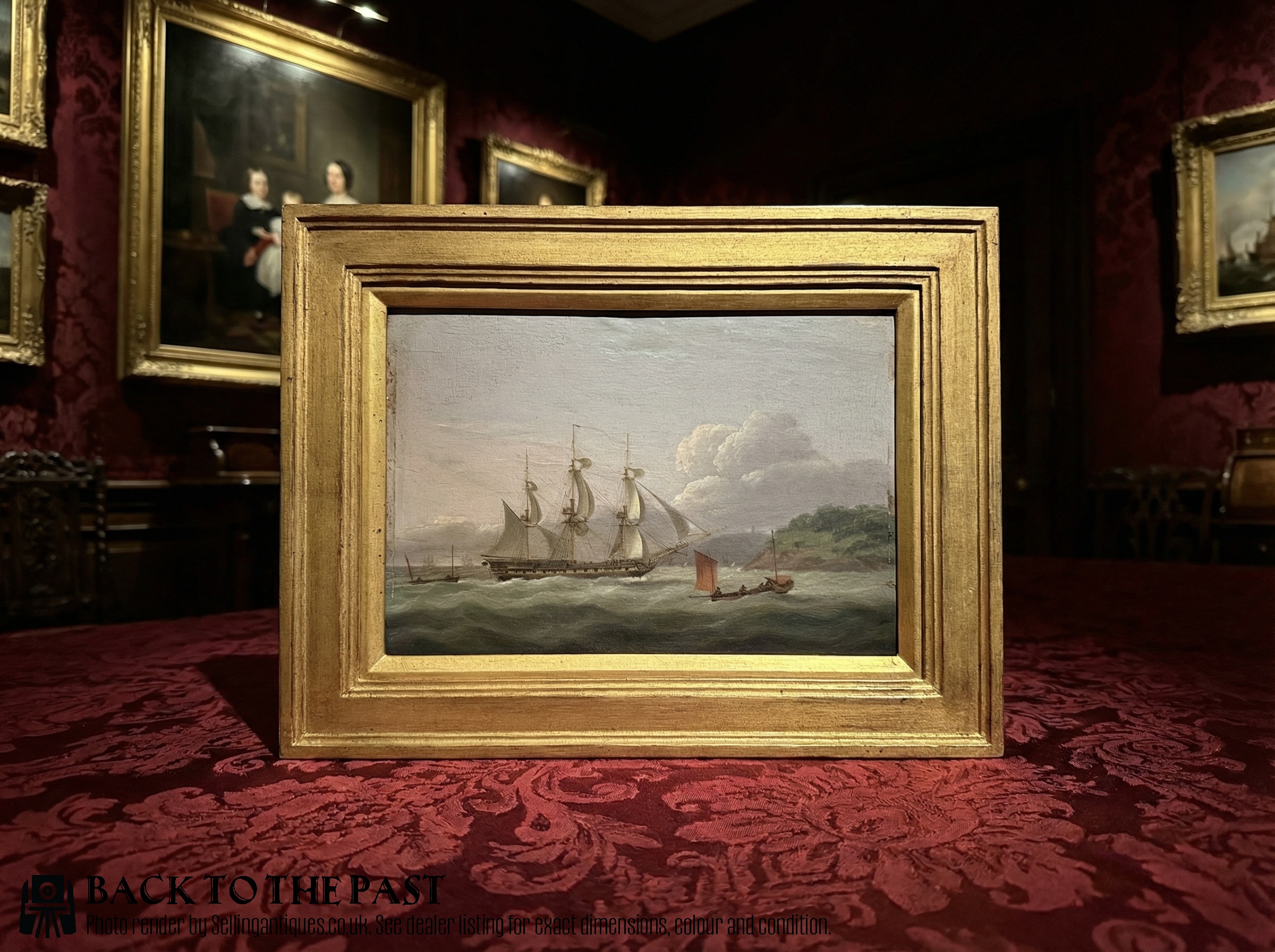
Vintage Ship Oil Painting
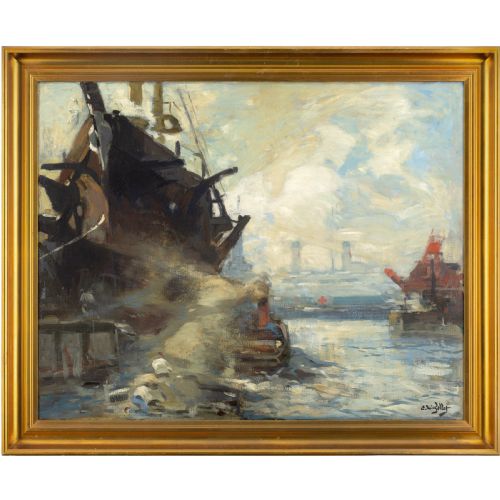
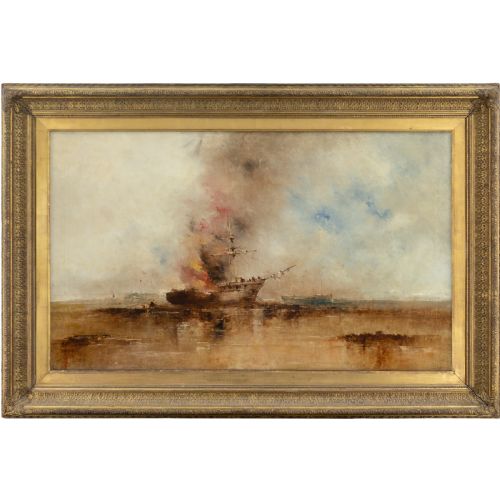
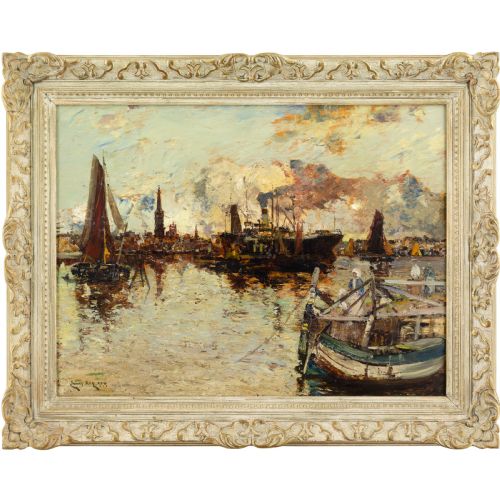
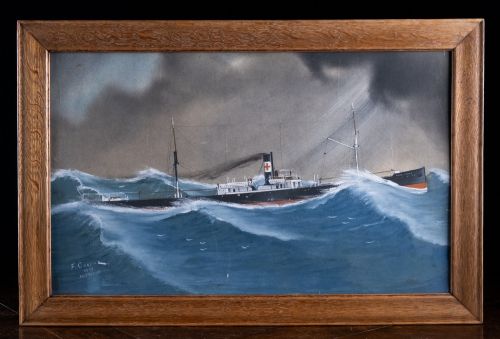
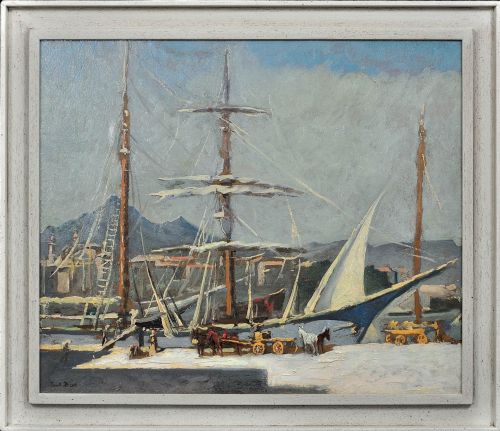
A vintage ship oil painting depicts marine subjects ranging from stormy seas and historical naval vessels to tranquil coastal harbours. These artworks span the nineteenth century into the mid twentieth century, encompassing Victorian maritime scenes, Edwardian compositions, and later impressionist interpretations.
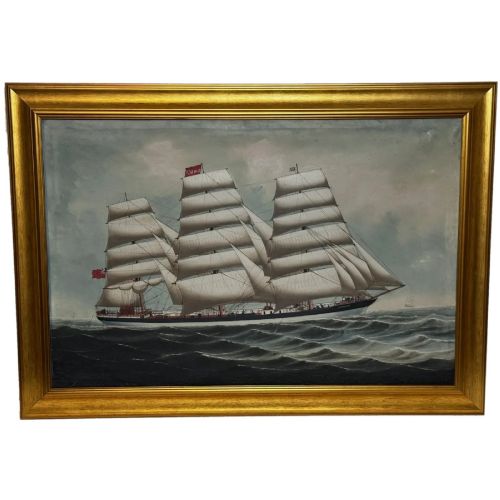
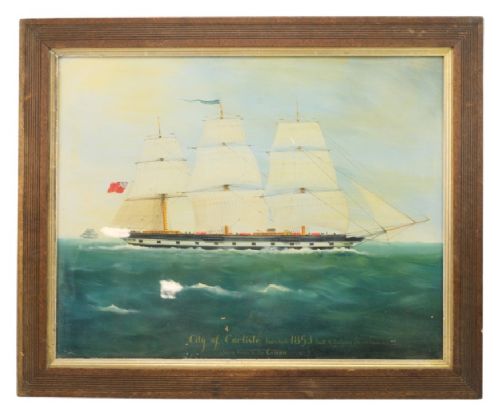
Most pieces encountered on this page originate from British and European schools, rendered on canvas or board. The subjects include named steamships, tall ships, fishing boats, and royal yachts recorded by period artists.
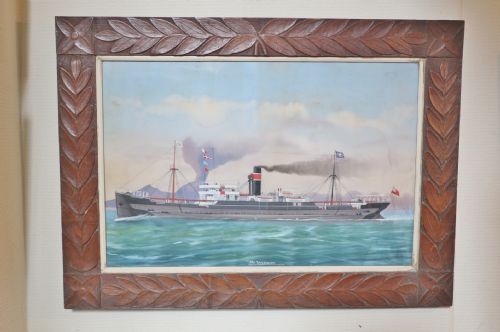
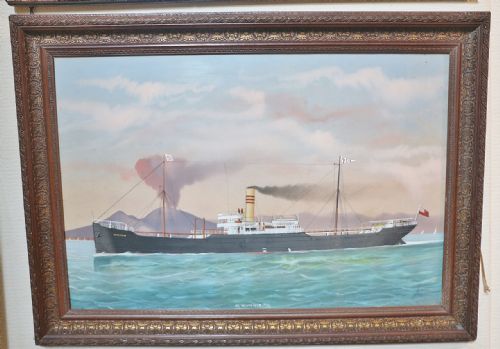
Collectors find works that document specific vessels, such as steamships off the coast of Italy or clippers built by Harland and Wolff. Others feature anonymous maritime scenes showing vessels navigating heavy seas or entering port.
Materials and technique
The primary medium recorded in the evidence is oil paint applied to canvas, wood panels, or board. Artists utilised oil paint for its versatility in blending tones to render turbulent water, skies, and rigging.
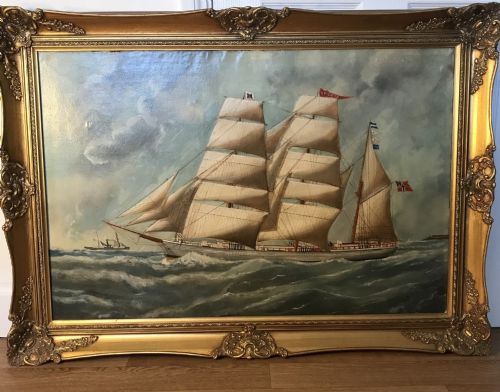
Surviving works frequently retain original gilt frames, which provide a period border that complements the maritime subject matter. Gold leaf and carved wood details on these frames match the aesthetic of nineteenth and early twentieth century framing practices.
A few paintings preserve the exact moment a ship named the Slieve Roe or the SS Bregonian sailed past.
Judging quality and execution
Quality in a marine painting rests upon the artist's command of perspective, handling of light on water, and anatomical accuracy of the vessels depicted. Superior examples convey the weight of a hull and the movement of heavy seas with convincing brushwork.
The degree of historical documentation also influences the standing of a piece, distinguishing signed works by recorded marine painters from unsigned school pieces. Original framing matching the period of the canvas adds further context to the survival of the artwork.
Eugène-Louis Gillot·William McAlpine·Reginald Arthur Borstel·James Kay·Bernard Gribble·F. Corpuz·Paul Bret·Bernard Benedict Hemy·Cyril Walduck Edwards·Lai Fong·Nicholas Condy·Abraham Hulk I·George Shaw·Pauwels·Hendrik Willebrord Jansen·Dion Pears
The Vintage Ship Oil Painting Glossary
- Pierhead painting
- A specialised genre of marine art depicting portrait-style records of specific merchant ships, usually created for ship captains or owners when docked in port.
- Seascape
- A painting depicting the sea, differing from a landscape by focusing primarily on marine views, coastal waters, and open ocean.
- Barque
- A sailing vessel with three or more masts, where the foremast and mainmast are square-rigged and the mizzenmast is fore-and-aft rigged.
- Gilt frame
- A wooden picture frame coated with gold leaf or metallic paint, common in Victorian and Edwardian framing traditions.
- Provenance
- The documented history of a painting's ownership and origin, establishing its authenticity and historical context.
Vintage Ship Oil Painting: Frequently Asked Questions
What subjects appear in these paintings?
The subjects range from historical sailing ships and steamships to coastal scenes, sea battles, and harbour views. Many works document specific vessels operating during the nineteenth and early twentieth centuries.
Artists frequently recorded naval encounters, fishing boats in stormy seas, and royal yachts off the coast. These scenes provide a visual record of maritime history and commercial shipping.
How do I date a maritime painting?
Dating relies on the ship types depicted, artist signatures, framing styles, and materials such as canvas or board. Steamships and specific naval uniforms offer clear chronological markers for Edwardian and Victorian works.
Period inscriptions on the reverse of the canvas or board also help establish the date of creation. Stylistic indicators like brushwork and palette provide additional clues to the era.
Where were these marine artists active?
The recorded artists worked across Britain and continental Europe, painting scenes from ports in England, Italy, and Hong Kong. Many maritime painters travelled to major trading hubs to observe shipping traffic firsthand.
European schools produced works documenting local waters, such as the Mediterranean or the English Channel. Coastal towns and naval stations served as primary subjects for these painters.
How should I display a vintage painting?
Displaying these works requires avoiding direct sunlight to protect the oil pigments and canvas from fading or cracking over time. Maintaining stable room humidity prevents the wood panels and canvas from warping.
Original gilt frames benefit from careful dusting with a soft dry cloth without chemical polishes. Hanging the painting securely on a wall away from heat sources preserves the condition of the artwork.