


Historical Sailing Vessel Painting
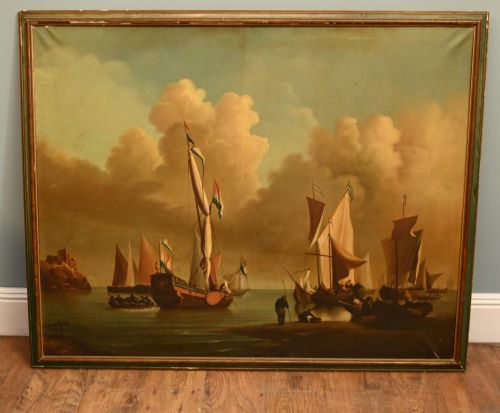
A historical sailing vessel painting captures maritime history on canvas, offering a direct view of wooden sailing ships and coastal scenes from past centuries.
Historical Sailing Vessel Painting
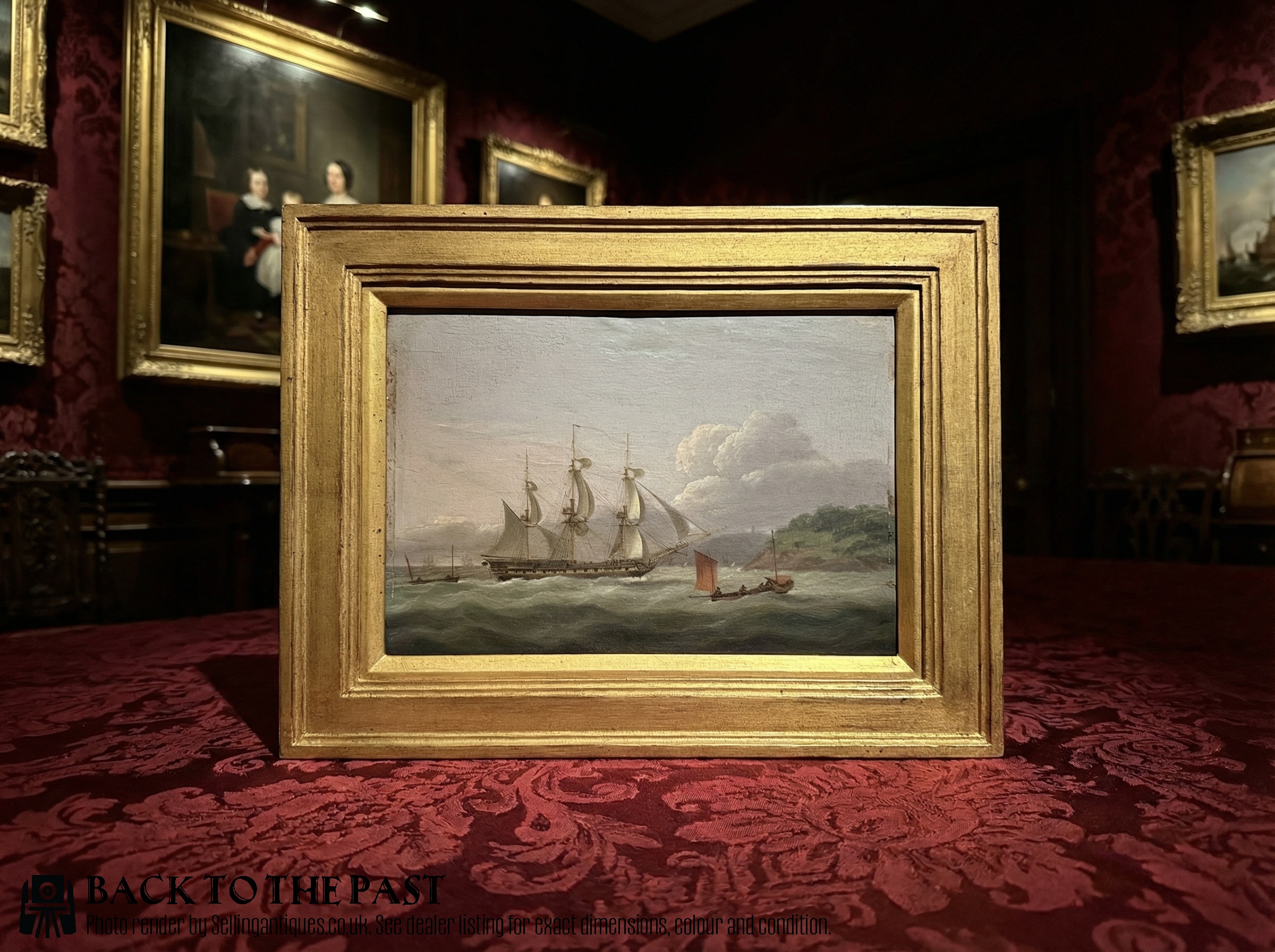
A historical sailing vessel painting depicts maritime subjects primarily rendered in oil paint on canvas, alongside examples in watercolour on paper. These works capture specific vessels, naval engagements, and harbour scenes across multiple periods.
The selections span the eighteenth century, the nineteenth century with dates such as eighteen-sixty and eighteen-eighty, through to the twentieth century including nineteen-ten, nineteen-twenty, and nineteen-sixty. Styles range from Georgian maritime and Victorian maritime to mid-century maritime art.
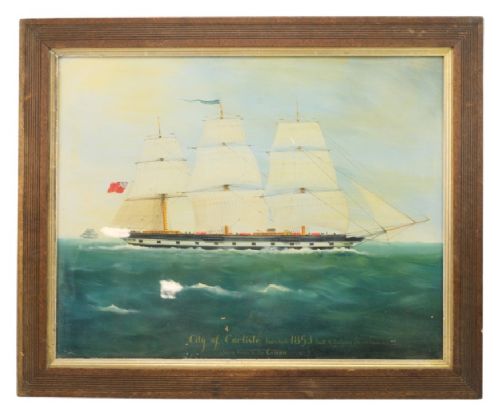
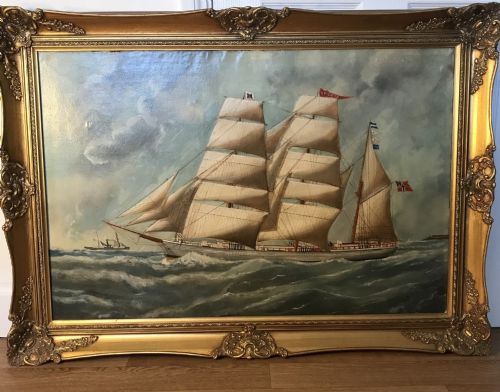
Common subjects include named ships like the City of Carlisle and the Mary Wylie, alongside frigates, schooners, barques, and fishing boats off the English, Scottish, and foreign coasts.
Materials and construction methods
The works utilise oil paint applied to canvas, and occasionally watercolour on paper, mounted within wooden or giltwood frames that sometimes incorporate gold leaf. These traditional materials define the physical structure of the paintings.
Framing often complements the maritime subject matter, using giltwood and wood surrounds that match the period of the artwork. The combination of canvas, oil paint, and wood forms the standard medium for these marine scenes.
Listings feature oil on canvas and watercolour on paper, framed in wood and giltwood across the eighteenth, nineteenth, and twentieth centuries.
Distinctions in quality
Quality rests in the handling of water, atmospheric light, and the precise rigging and architecture of the vessels depicted. Works by identified artists or established regional schools often display greater technical precision in marine anatomy.
Condition plays a role, with fully restored marinescapes retaining their visual clarity through careful preservation of the original oil paint and canvas surfaces. The depth of the harbour or coastal setting and the framing materials also contribute to the character of each piece.
George Shaw·Samuel Owen·Frank Wood·Paul Jean Clays·Richard Ball Spencer
The Historical Sailing Vessel Painting Glossary
- Barque
- A sailing rig with three or more masts where the foremast and mainmast are square-rigged and the mizzenmast is fore-and-aft rigged. This vessel type appears frequently in nineteenth-century marine art.
- Frigate
- A warship built for speed and manoeuvrability, typically carrying a single continuous gun deck. These military vessels form the subject of several detailed period depictions.
- Giltwood
- Wood that has been treated with gold leaf or gold paint to create a decorative metallic surface. It is commonly found on the frames surrounding oil paintings from the Georgian and Victorian eras.
- Marinescape
- A painting or other work of art that depicts the sea, ships, or coastal views. This term encompasses both calm harbour scenes and dramatic ship portraits.
Historical Sailing Vessel Painting: Frequently Asked Questions
What periods do these paintings cover?
The available artworks span from the eighteenth century through the nineteenth century, including specific dates like eighteen-sixty and eighteen-eighty, into the twentieth century up to nineteen-sixty.
Styles represented include Georgian maritime, Victorian maritime, and mid-century maritime art, reflecting changing artistic approaches to marine subjects over time.
What materials are used in these works?
The primary materials are oil paint on canvas, with some examples utilising watercolour on paper. Frames are constructed from wood and giltwood, occasionally incorporating gold leaf.
These traditional artist materials ensure the longevity of the paintings and contribute to their historical authenticity.
Are specific ships named in the titles?
Several pieces reference named vessels, such as the City of Carlisle taking troops to the Crimea and the Scottish ship Mary Wylie. Other works depict specific locations like Portsmouth Harbour or the Tamar.
These detailed titles provide clear context regarding the historical events and locations captured by the artists.
How do I care for an oil painting?
Display oil paintings away from direct sunlight and sources of extreme heat or humidity to protect the canvas and wood frame. Regular dusting with a soft, dry cloth helps maintain the surface.
Avoid using water or cleaning solutions on the paint surface or giltwood frame to prevent accidental damage.