

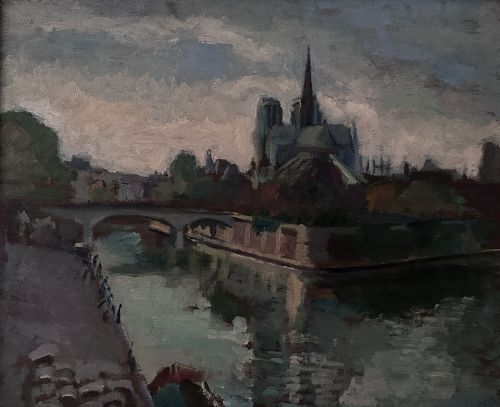
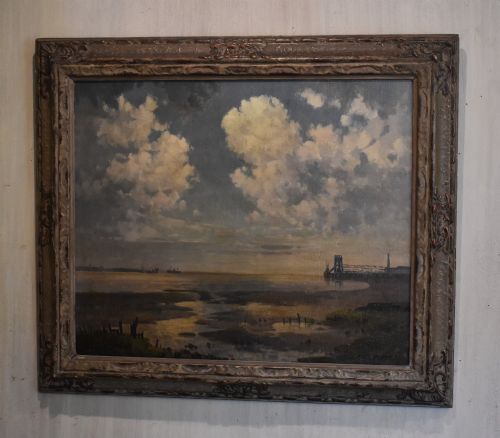
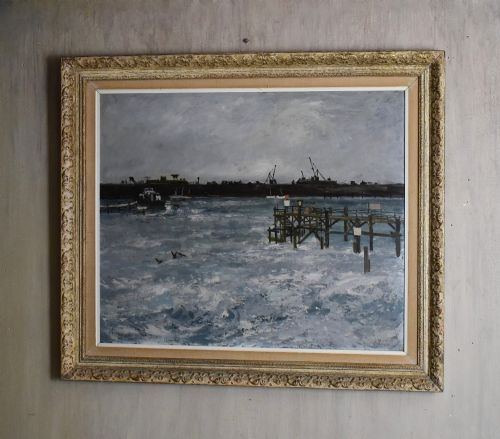
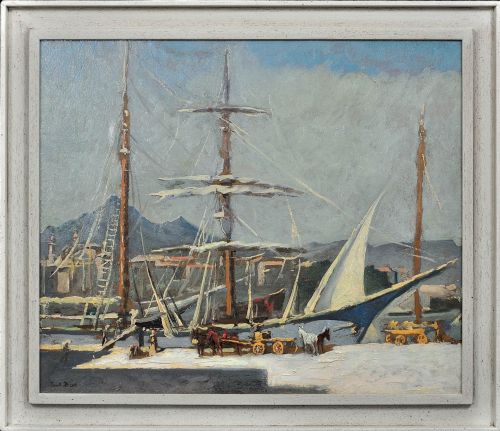
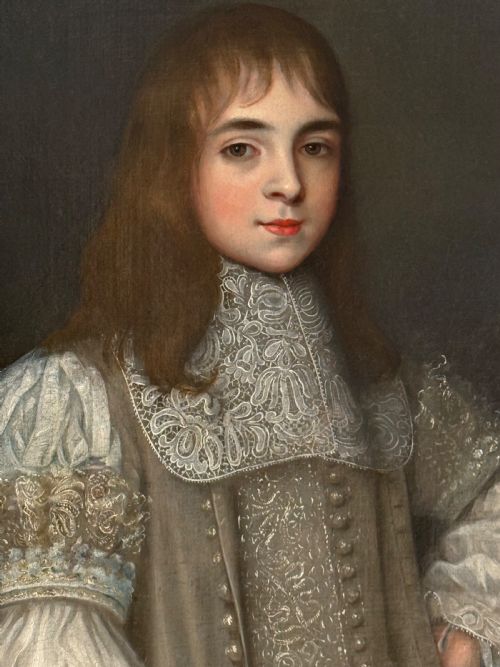
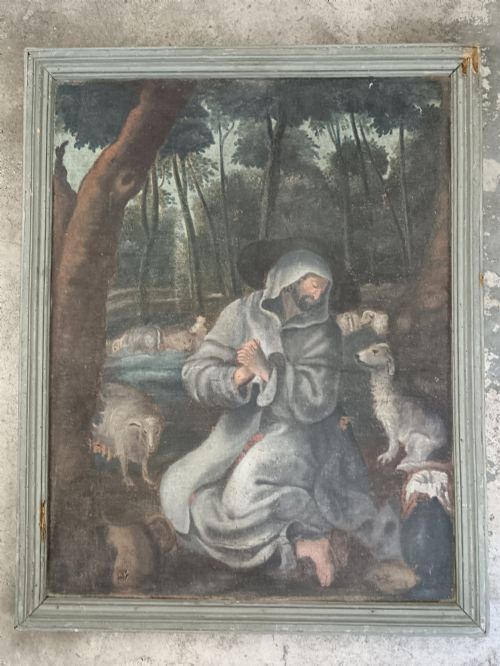
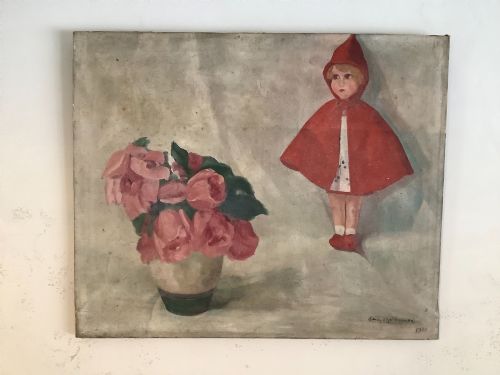
Grey Oil Painting Canvas
When you search for a grey oil painting canvas, you encounter works spanning centuries that utilise the subtle tones of lead white, bone black and muted earth pigments to define form.
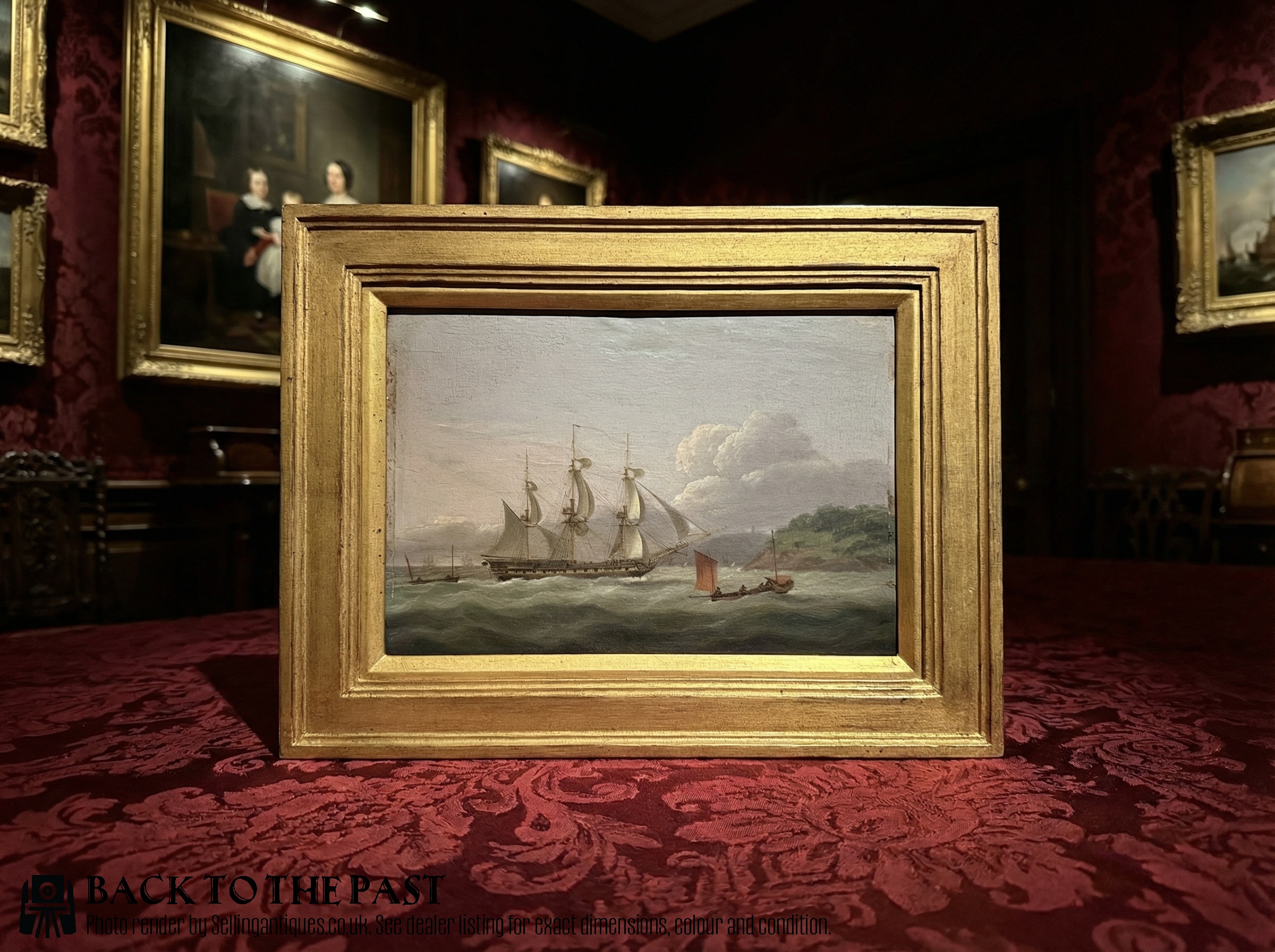
Grey Oil Painting Canvas
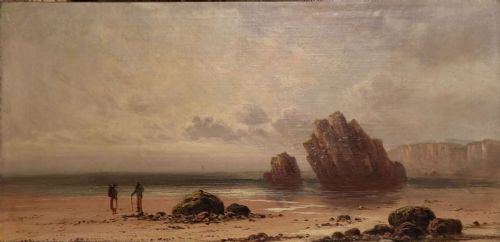
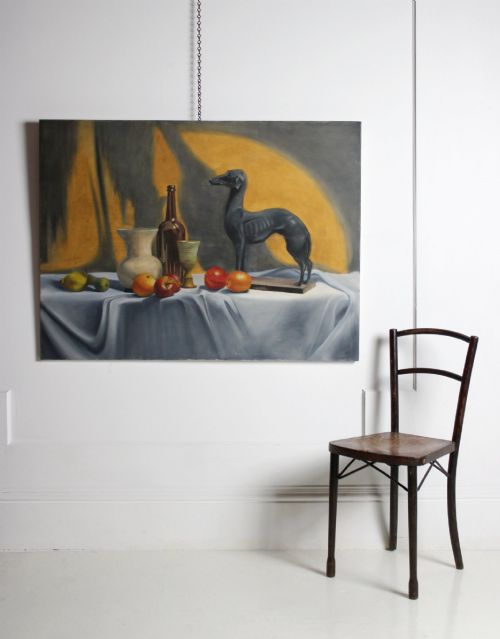
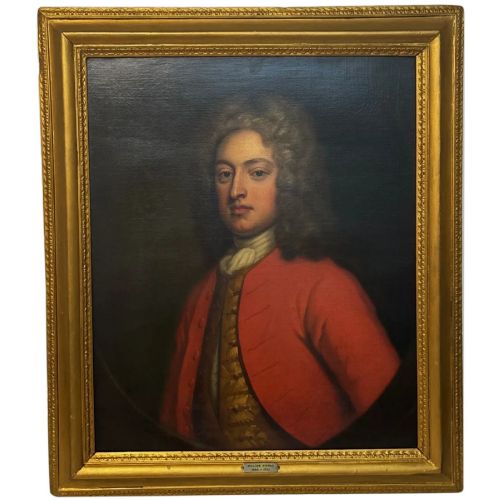
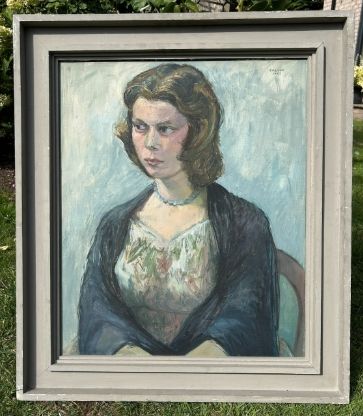
A grey oil painting canvas encompasses fine art works executed on woven fabric supports where neutral or monochromatic grey tones dominate the palette, capturing subjects from equestrian portraits to industrial townscapes. These pieces emerge from periods spanning the eighteenth century through the mid twentieth century, reflecting stylistic shifts from classical portraiture to post-war modernism.
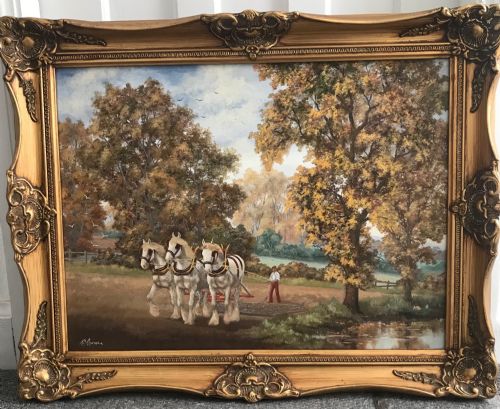
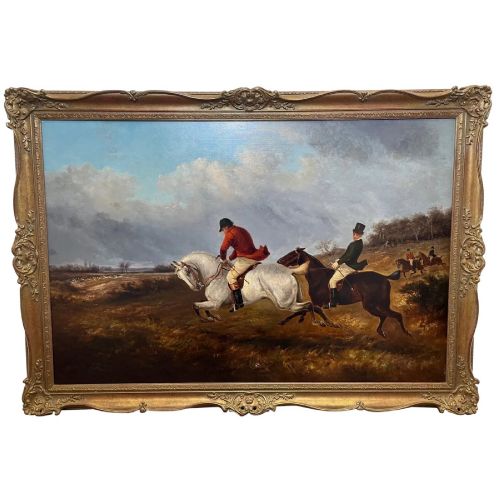
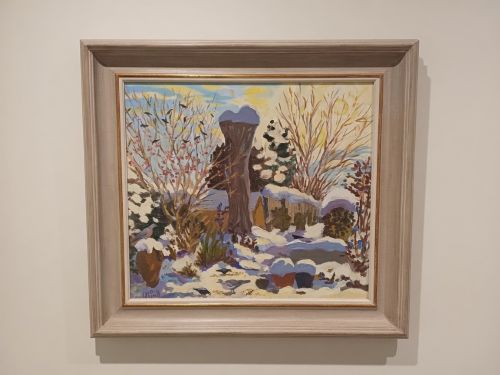
The selections available here represent diverse European and British schools, including naive compositions, impressionist landscapes, and sporting scenes featuring horses and hounds. Buyers frequently encounter mid-century modern interpretations alongside nineteenth-century academic studies, each utilising the inherent texture of the fabric support.
Works of this description range from intimate preparatory sketches to large framed gallery canvases, uniting varied subjects under a restrained tonal scheme. The interplay between the woven ground and applied pigment creates a distinct visual depth characteristic of these historic paintings.
Materials and technique
Artists built these works using traditional oil paint applied to prepared canvas supports, frequently stretched over wooden frames or boards. The ground layer often received a priming coat that influenced the final luminosity of the overlying pigment.
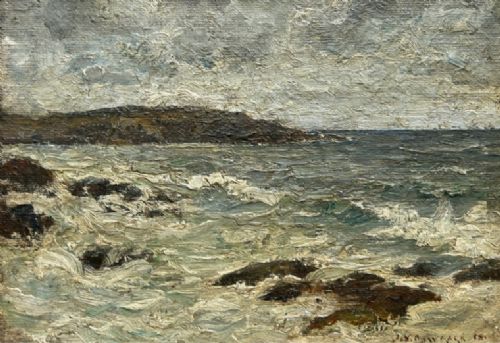
Brushwork varies from smooth, blended glazing in earlier portraits to thick impasto applications in twentieth-century coastal and townscape scenes. Gilt and wood frames frequently complement the works, preserving the edges of the stretched fabric.
The archive records marine subjects, equestrian portraits of grey horses, and architectural studies among the grey oil paintings.
Factors determining quality
Quality in these works rests upon the surety of the draughtsmanship and the artist's command of tonal gradation within a restrained palette. Superior examples demonstrate a confident handling of light across the canvas surface, whether defining the musculature of an equine subject or the architecture of a European harbour.
The integrity of the original canvas support and the stability of the oil paint layer dictate the preservation grade of the piece. Works that retain their initial stretch without excessive re-lining or heavy restoration command greater appreciation from collectors.
Kenneth Cozens·Thomas Smythe·Clive Browne·Peter Brannan·Paul Bret·John Michael Wright·Alfred Wolmark·Brian Shields Braaq·William Albert Clarke·Thomas Hicks·Paul-Jean Anderbouhr·Raymond Picque·Fred Pailhes·Gaetan Dumas·Hans Hysing
The Grey Oil Painting Canvas Glossary
- Canvas
- A heavy woven fabric, typically linen or cotton, used as a support surface for oil paintings. It provides a textured ground that interacts with the applied paint layers.
- Impasto
- Paint applied thickly to a canvas, standing visibly above the surface and retaining the marks of the brush or palette knife. This technique adds tactile dimension to the composition.
- Grisaille
- A painting executed entirely in shades of grey or neutral monochrome, often used for preparatory studies or to simulate sculptural reliefs. It emphasises form over colour.
- Pentimento
- An alteration in a painting, evidenced by traces of previous brushwork, design changes or underlying figures showing through the upper layers of oil paint. This phenomenon occurs as the upper paint becomes more transparent over time.
- Provenance
- The documented history of ownership of an art piece, tracing its origin from the creator to the present collection. It provides authentication and historical context.
Grey Oil Painting Canvas: Frequently Asked Questions
How do I clean a vintage canvas?
Surface dust should be removed gently with a soft, dry natural bristle brush without applying pressure to the pigment.
Any chemical cleaning or moisture application requires professional conservator intervention to prevent damage to the oil paint.
How are periods identified?
Stylistic markers, stretcher construction methods, and canvas preparation techniques provide primary clues for dating a work.
Signatures, inscriptions, and artist registries further narrow the window of creation alongside historical costume or architecture.
Where should these be hung?
Paintings on fabric require placement away from direct sunlight, high humidity, and rapid temperature fluctuations to protect the support.
Stable indoor environments prevent the wood frame from warping and stop the oil paint from cracking over decades.