

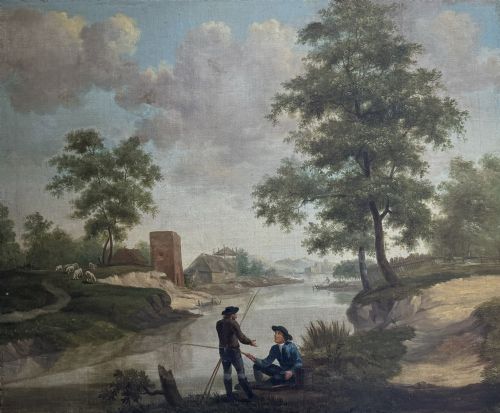
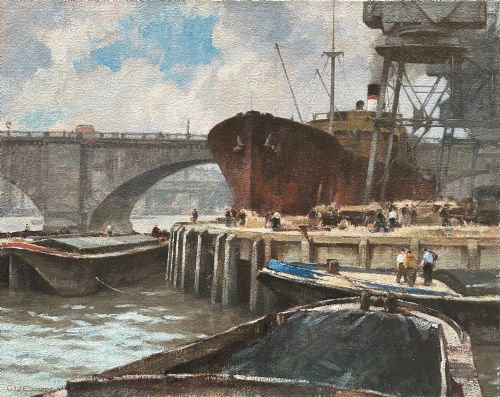
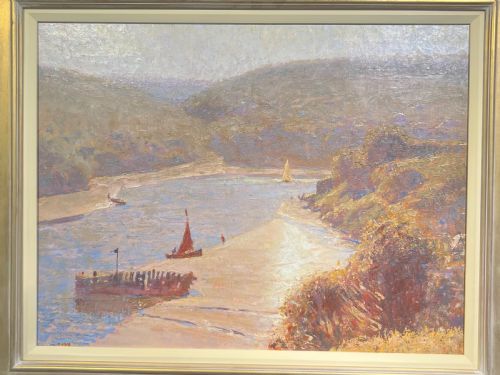
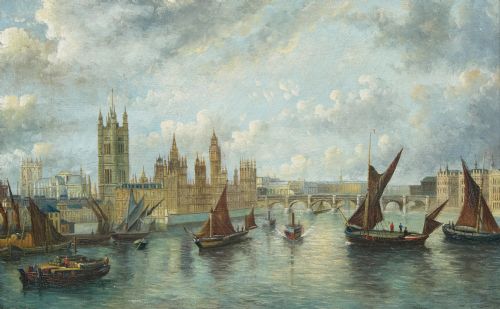



Blue River Landscape Painting
These evocative blue river landscape painting examples capture flowing waters and atmospheric riparian vistas across multiple centuries of artistic tradition.
Blue River Landscape Painting
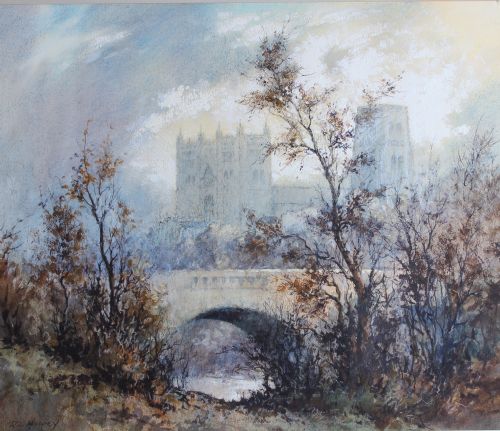
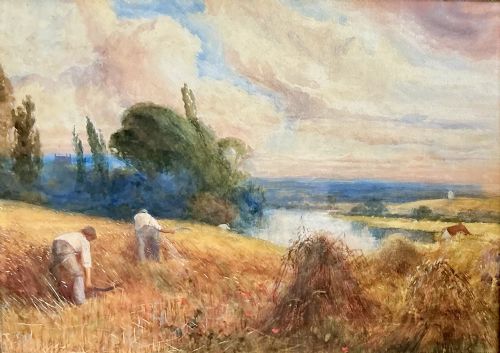
A blue river landscape painting brings together water, sky and riparian scenery through traditional artistic media. When searching this phrase, collectors encounter works ranging from nineteenth-century British watercolours to mid-century continental oils.
The selections on this page span several distinct periods, including Victorian creations, Edwardian scenes and mid-century impressions. Pieces frequently depict specific European waterways, coastal estuaries and pastoral riversides rendered on paper, canvas or wood panel.
How They Were Made
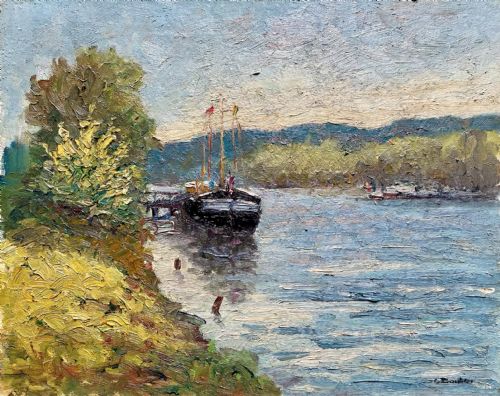
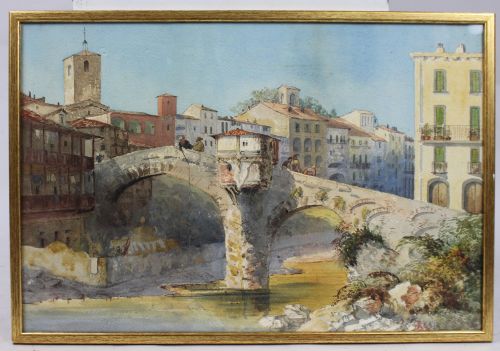
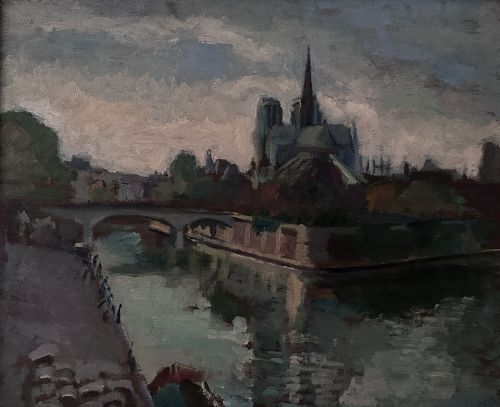
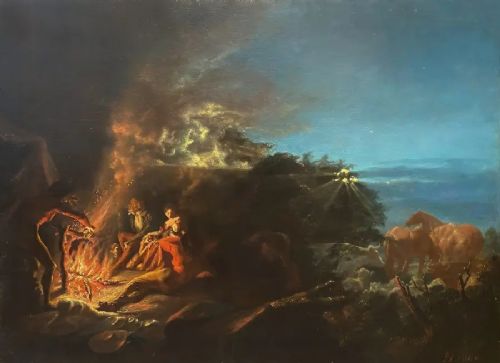
Artists captured these watery vistas primarily through watercolour pigment on paper or oil paint applied to canvas and wood panels. Watercolour works rely on translucent washes to evoke rippling currents and atmospheric light, while oil paintings utilise heavier impasto and layered brushwork to build texture.
Framed presentation is common among these works, protecting delicate paper supports and painted surfaces. Makers utilised traditional stretchers, heavy mounting boards and protective glass to preserve the integrity of the pigments.
Blue River Landscape Painting Retail Price Guide 2026
Typical asking prices for blue river landscape painting among the pieces listed under this phrase on Sellingantiques today, from the lower quarter to the upper quarter. They describe what is for sale here now, not the wider market.
Listings feature works created across the Victorian, Edwardian and mid-twentieth-century periods using oil on canvas, watercolour and wood panel.
What Varies in Quality
The distinction between standard works and master creations rests upon the artist's command of light, atmosphere and fluid movement. Superior pieces convey the natural fluidity of water and the surrounding air with assured, purposeful brushstrokes rather than rigid delineation.
Condition and medium stability heavily influence the standing of an individual work. Well-preserved pigment retention, minimal paper degradation and authentic period framing separate exceptional survivals from compromised examples.
Alfred Young Nutt·Cyril Walduck Edwards·Cecil Allan Mould·Robert Leslie Howey·Florence Adelina Hess·Frederick Hines·Hubert Wellington·Archibald Kay·William Frederick Settle·Cornelius Pearson·Arthur Reginald Smith·Henry John Kinnaird·Thomas Bush Hardy·Stanley Leader·George Vicat Cole·William Grant Murray·John Syer·John Wright Oakes·William Joseph Boyes·Charles Harmony Harrison·Phyllis Morgans·Armand Guillaumin·Frederick Williamson·Edmond Defonte
The Blue River Landscape Painting Glossary
- Watercolour
- A painting method where fine pigment is suspended in a water-based, translucent solution. This technique allows artists to build luminous washes that evoke the transparent qualities of flowing river water.
- Impasto
- Paint applied thickly to a canvas or panel so that the brush or palette knife marks remain clearly visible. This technique adds tactile dimension to mid-century impressionist river scenes.
- Plein air
- The act of painting outdoors to capture direct natural light and atmospheric conditions. Many nineteenth and twentieth-century river landscapes were executed on-site beside the water.
- Riparian
- Relating to the wetlands and natural habitats situated along the banks of a river or stream. These settings form the primary subject matter for the landscape paintings listed here.
Blue River Landscape Painting: Frequently Asked Questions
What periods do these river paintings represent?
The available selection spans from the eighteenth century through the Victorian era and into the mid-twentieth century. Works reflect distinct stylistic shifts including British Impressionism, Post-Impressionism and traditional fine art.
Collectors can find pieces dated across the nineteenth and twentieth centuries, capturing the changing artistic interpretations of European rivers over time.
What materials were used to create them?
Artisans utilised watercolour pigments on paper alongside oil paint applied to canvas, wood panels and glass supports. Each material brings a different textural quality to the depiction of water and sky.
Many examples feature traditional framing that complements the period of the artwork and protects the delicate painted surfaces.
How should I hang a watercolour river painting?
Works on paper require careful placement away from direct sunlight to prevent the fading of watercolour pigments. Proper mounting and framing behind protective glass guard against humidity and atmospheric pollutants.
Ensure the hanging wall remains structurally sound to support framed paintings on wood panels or heavier canvases.
How do I identify a mid-century impressionist river scene?
Mid-century impressionist works typically display looser brushwork, thicker impasto and a focus on atmospheric light rather than fine topographical detail. These pieces often capture broader gestural impressions of riversides and coastal estuaries.
Examining the reverse of the canvas or panel can reveal period stamps, artist signatures and historical framing details that confirm the era.