




Impressionist Water Scene Painting
Impressionist water scene painting brings open air light and moving river currents directly onto canvas.
Impressionist Water Scene Painting
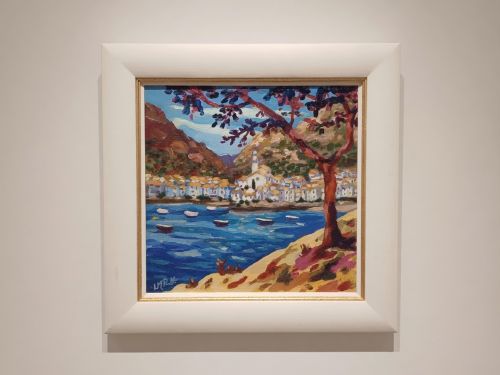
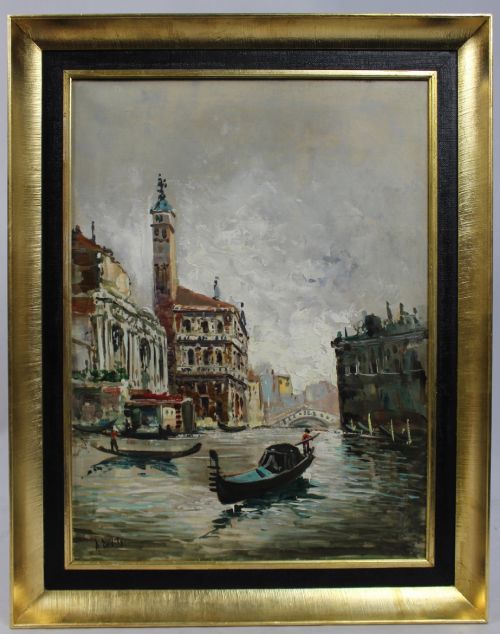
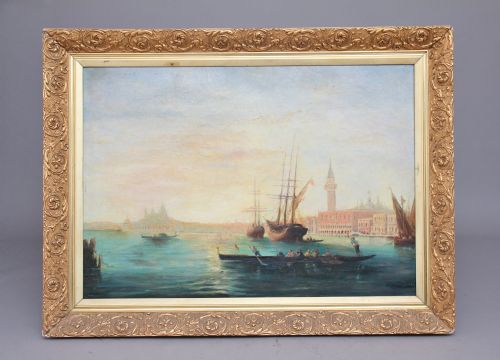
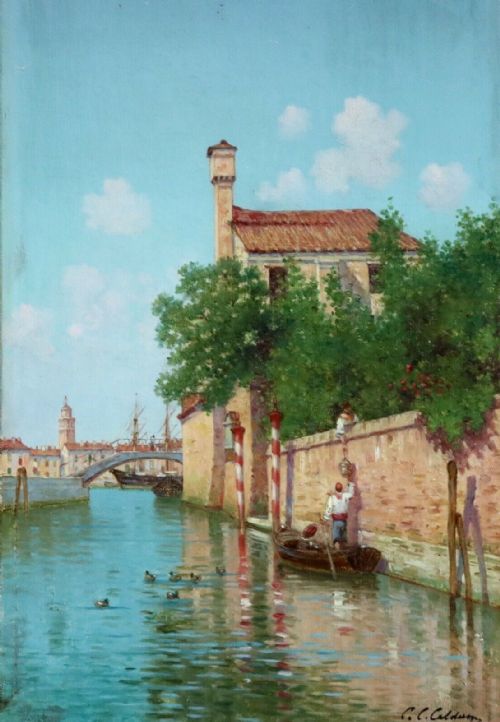
An impressionist water scene painting captures rivers, canals, and lagoons through rapid brushwork and a focus on natural light. The selection here spans the nineteenth century up to nineteen sixty, showing how artists recorded water surfaces across different European locations.
Canvases range from French river landscapes and Venetian canals to British river banks. Painters utilised oil paint and occasional watercolour to render the shimmering effect of sunlight upon rivers.
French impressionism and Italian impressionism dominate the stylistic approaches visible in these works. Pieces stretch from early nineteenth century plein air studies to mid century interpretations.
Materials and methods
Artists relied primarily on oil paint applied to canvas or wood panels. Many works incorporate gesso grounds beneath the pigment to reflect light outward through the paint layers.
Plein air execution allowed painters to capture transient atmospheric conditions beside rivers and canals. Gilt and gold leaf frames frequently enclose these oil paintings, complementing the luminous palettes.
The listings here feature oil paint on canvas and wood, alongside watercolour, spanning from the nineteenth century to nineteen sixty.
Distinctions in quality
Quality rests on the confidence of the brushstroke and the fidelity of light capture across the water. Superior examples convey depth and movement through deft handling of pigment rather than rigid detail.
The integration of framing materials, such as original gesso and gilt surrounds, influences the overall integrity of the piece. Works that retain their authentic surface texture without heavy restoration hold greater visual conviction.
Antonio DeVity·Armand Guillaumin·Adolphe Gumery·Rene His·Owen Bowen·Charles Clement Calderon·Helen DonaldSmith
The Impressionist Water Scene Painting Glossary
- Plein air
- Painting outdoors to directly capture the changing effects of light and atmosphere upon natural water scenes.
- Gesso
- A plaster mixture applied to canvas or wood to prepare a smooth, absorbent surface for oil paint.
- Gilt
- A thin layer of gold applied to wood frames to enhance the presentation of nineteenth century artworks.
- Watercolour
- Pigment suspended in water-soluble binders, creating translucent washes on paper surfaces.
Impressionist Water Scene Painting: Frequently Asked Questions
What defines an impressionist water scene?
These works focus on capturing light, atmosphere, and movement on rivers or canals using visible brushstrokes. Artists prioritized the overall visual sensation over rigid academic detail.
Subjects typically include barges, Venetian lagoons, and river banks rendered in oil on canvas.
How do I care for an oil painting?
Keep paintings away from direct sunlight and sudden temperature shifts to protect the canvas and paint layers. Dust the surface gently with a soft, dry brush.
Avoid using water or cleaning solutions on the exposed pigment or gilt frame.
How are periods identified?
Dating relies on stylistic evidence, artist signatures, and framing materials characteristic of specific decades. Nineteenth century pieces often show different handling compared to mid century works.
Canvas preparation and stretcher construction also offer clues to the age of the piece.
Where were these paintings created?
Artists travelled to rivers and canals across France, Italy, and Britain to paint outdoors. Locations range from the Seine and the Danube to the Venetian lagoon.
Plein air methods enabled painters to work directly beside the water they recorded.