





Barges on River Oil
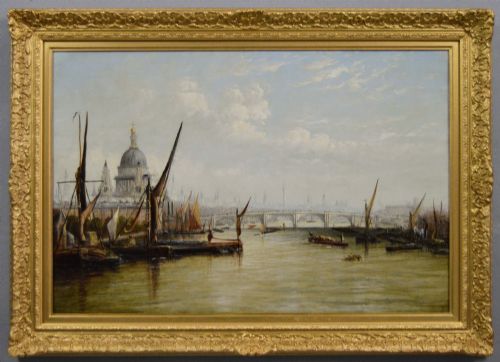
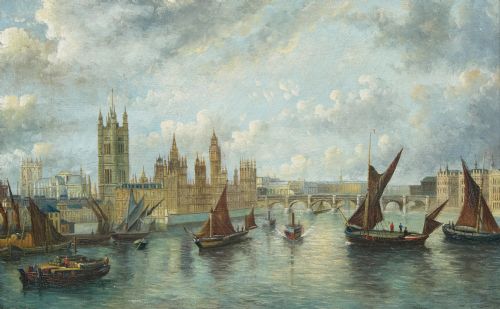
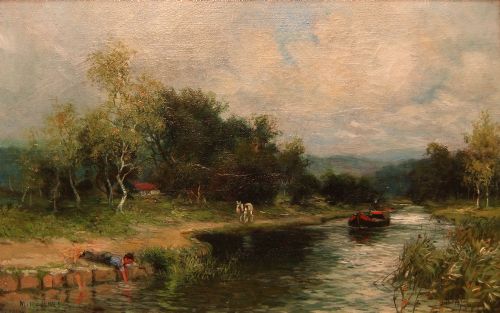
Barges on river oil paintings capture working waterways on canvas and board, offering buyers a glimpse into historic maritime commerce.
Barges on River Oil
Barges on river oil paintings depict vessels on waterways from the nineteenth century to the mid-twentieth century. These works range from Victorian London river scenes to French canal landscapes.
Buyers meet pieces spanning Victorian realism, impressionism, and post-war British styles. Many examples focus on working vessels on the Thames, Seine, and regional rivers.
The subjects include historic trading barges alongside maritime architecture and townscapes. Painters recorded these commercial vessels using oil on canvas or board.
Methods and materials
Artists applied oil paint to stretched canvas or prepared wooden boards to create these river scenes. Many Victorian and Edwardian works utilise traditional grounds and rich pigment layers.
Frames often incorporate wood with gesso and gold leaf finishes, matching the period of the painting. Plein air pieces reflect outdoor execution with direct brushwork.
Listings feature oil paint on canvas and board, spanning Victorian, impressionist, and mid-century modern styles.
Judging the work
Quality rests on the confidence of the brushwork and the accuracy of the maritime setting. Skilled handling of light on water elevates a canvas above standard topographical records.
The composition of the river traffic and the atmospheric depth of the background define the success of the painting. Works by recorded painters display tighter control of perspective and tone.
Francis Moltino·Edward Henry Eugene Fletcher·Benjamin Williams Leader·Hubert Thornley·Jacob Knyff
The Barges on River Oil Glossary
- Oil on Canvas
- Pigment bound in a drying oil applied to woven fabric. This surface supports textured brushwork and layered glazes.
- Board
- A rigid wooden or composite sheet used as a painting support. Artists often painted smaller plein air studies on these portable panels.
- Gesso
- A plaster mixture applied to wood frames or panels to prepare the surface for gilding. It provides a smooth base for gold leaf.
- Plein Air
- Painting outdoors to capture natural light and atmospheric conditions directly. This method produced lively French and British river landscapes.
Barges on River Oil: Frequently Asked Questions
What periods do these paintings cover?
The works span from the seventeenth century through the Victorian era to the mid-twentieth century. Most examples date from the nineteenth and early twentieth centuries.
Victorian and Edwardian artists dominated this subject matter, recording commercial river traffic before the rise of modern transport.
How were these paintings displayed?
Owners traditionally hung these framed oils in parlours, drawing rooms, and studies. They brought scenes of working waterways into domestic interiors.
Many retain period frames finished in gesso and gold leaf that complement the tones of the canvas.
How do I identify a canal scene?
Canal scenes typically feature narrower waterways, locks, and towpaths rather than wide tidal rivers. Artists often painted French or British canals with quieter atmospheres.
The presence of moored barges and rural or industrial banks distinguishes these from open marine views.
What is a Thames barge painting?
These works focus on sailing barges that carried cargo along the River Thames and Medway. Painters recorded their distinctive red sails and flat-bottomed hulls.
Such canvases document London landmarks like St Pauls and the Houses of Parliament alongside maritime commerce.