


Maritime Landscape Oil Canvas
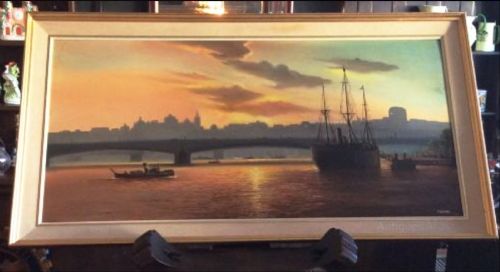
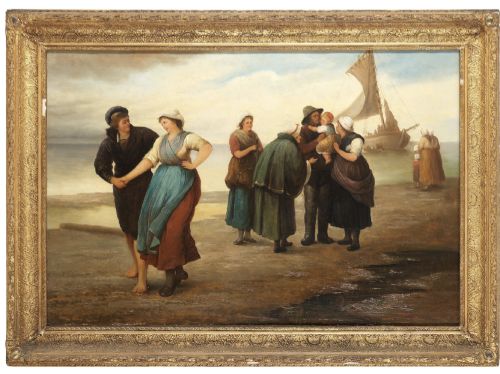
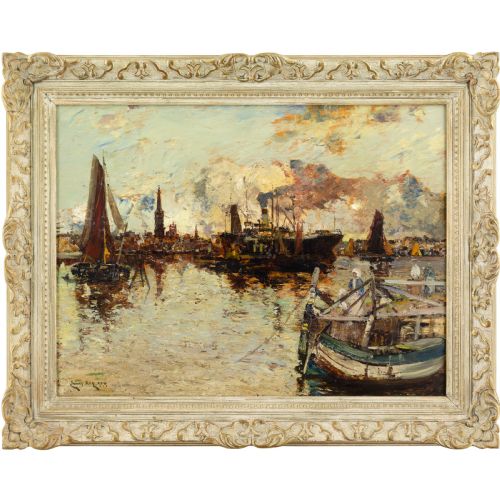
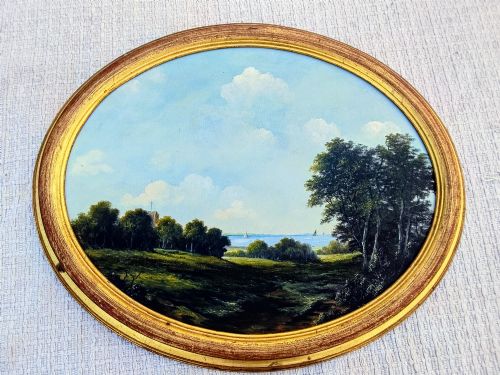
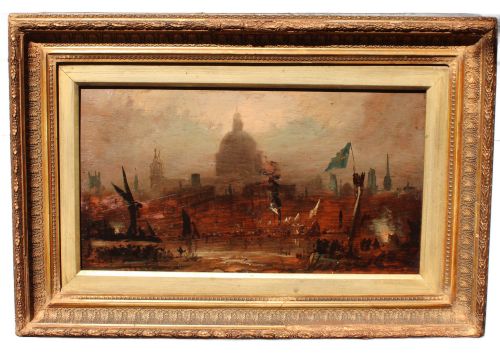
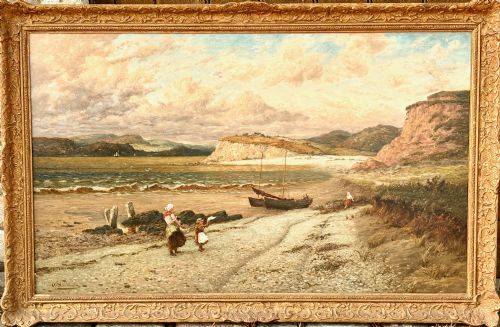
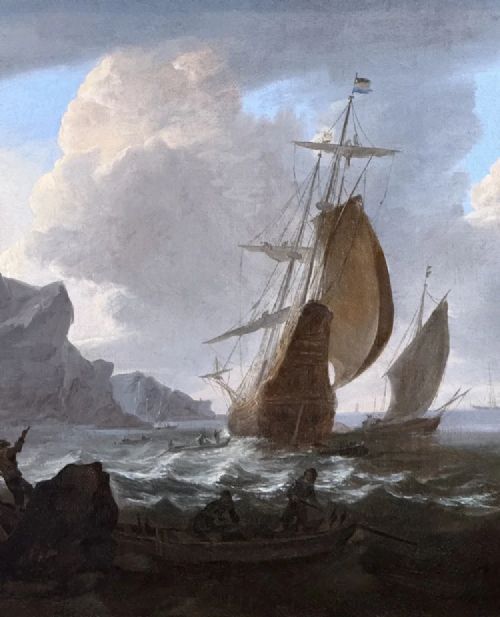
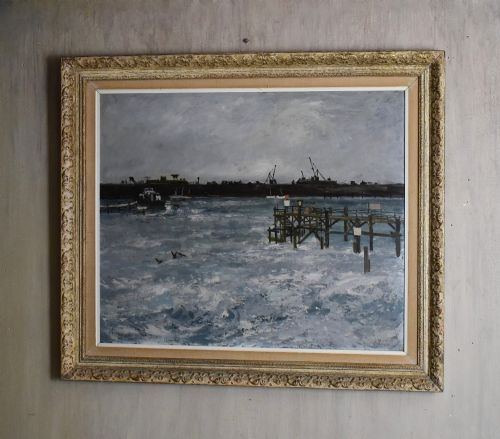
A maritime landscape oil canvas captures the enduring connection between land and sea, offering viewers a glimpse into historical coastal scenes and bustling harbours.
Maritime Landscape Oil Canvas
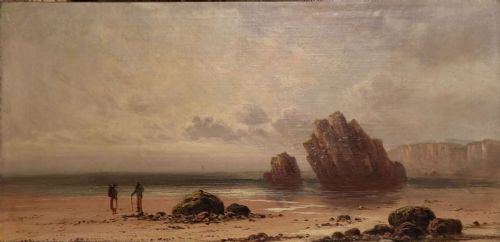
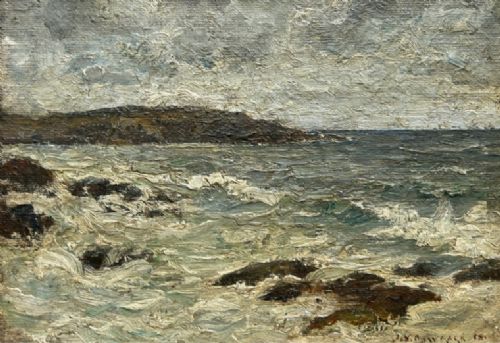
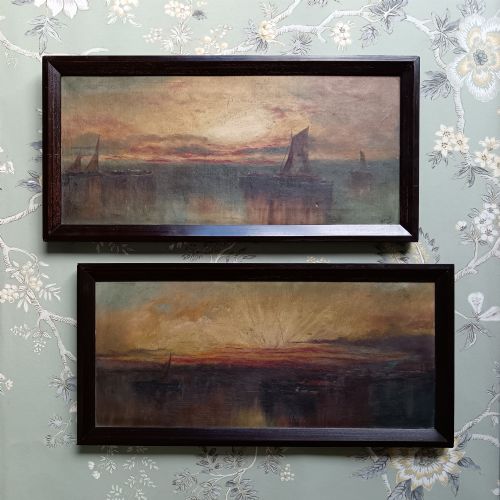
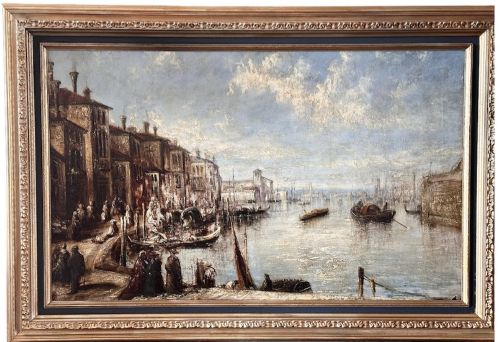
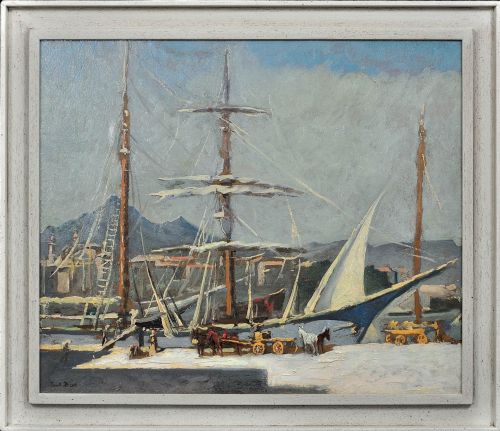
A maritime landscape oil canvas depicts coastal scenes, rivers, harbours, and open seas rendered in oil paint upon a woven fabric support.
The selections available range from 19th-century Victorian works and Edwardian coastal studies to mid-20th-century British and French impressionist interpretations.
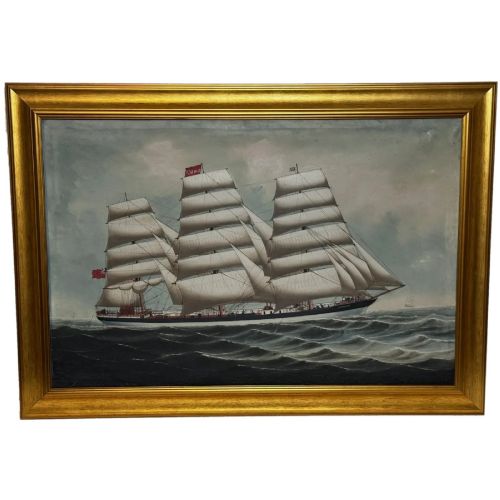
Common subjects include sailing vessels, bustling river bridges, smuggling paths, and quiet fishing ports executed by named artists and regional schools.
How They Were Made
Artists applied oil paint using brushes and palette knives onto stretched canvas or wooden boards, occasionally building thick impasto layers to suggest the churn of the sea.
Many canvases are housed within their original gilt wood frames, which complement the maritime subject matter through traditional decorative moulding.
Keep an eye out for hidden horses and smugglers navigating steep coastal paths just out of sight of the harbour master.
What Varies in Quality
Quality rests in the artist's command of light, atmosphere, and maritime architecture, where confident brushwork distinguishes a master study from a standard decorative record.
The preservation of the pigment, the stability of the canvas support, and the integrity of the original frame heavily influence the standing of any given piece.
Reginald Arthur Borstel·James Kay·Bonaventura Peeters·Peter Brannan·Francis Moltino·Paul Bret·Bernard Benedict Hemy·Thomas Creswick·Willem Bos·John Wilson Carmichael·Abraham Cooper·Joseph Farquharson·Thomas Hodgson Liddell·William Henry Williamson·John Holland·Charles William Wyllie·William Edward Webb·Edward Matthew Elliott·Louis Suire·Gyrth Russell
The Maritime Landscape Oil Canvas Glossary
- Impasto
- Paint applied thickly to a canvas, standing out in relief from the surface. This technique brings a physical texture to crashing waves and billowing sails.
- Gilt Wood
- Wood treated with gold leaf or a gold-coloured metallic finish. It forms the traditional ornate framing common in nineteenth-century marine art.
- Board
- A rigid flat surface used as an alternative to woven fabric for painting. Artists frequently utilised wooden panels for smaller coastal oil studies.
- Seascape
- A work of art depicting the sea. These compositions focus primarily upon open water, coastal views, and maritime weather.
Maritime Landscape Oil Canvas: Frequently Asked Questions
What subjects appear in these paintings?
These works display a wide variety of coastal subjects, ranging from industrial river traffic on the Thames to quiet Cornish harbours at low tide and stormy seas with Dutch vessels.
Artists also recorded everyday coastal life, including fishermen hauling their catch, seaweed gatherers, and historic processions upon the water.
How should I care for an oil canvas?
Keep the painting away from direct sunlight and steady the room temperature to prevent the canvas and wooden stretcher from warping or cracking.
Dust the surface gently with a soft, dry brush and avoid applying liquid cleaners directly onto the painted layer.
How do I identify the period of a work?
Examine the style of the brushwork, the framing materials, and any signatures or inscriptions left by the artist on the reverse of the canvas.
Victorian and Edwardian pieces often feature heavier gilt frames and traditional academic realism, while mid-century examples lean towards impressionist or modernist interpretations.
Where were these coastal scenes painted?
The locations span British waterways and ports such as London, Morecambe Bay, and St Ives, alongside continental European scenes in Venice, the Netherlands, and France.
Many artists travelled extensively to coastal colonies and harbours to capture authentic local shipping and maritime weather.