

Mid 20th Century Painting
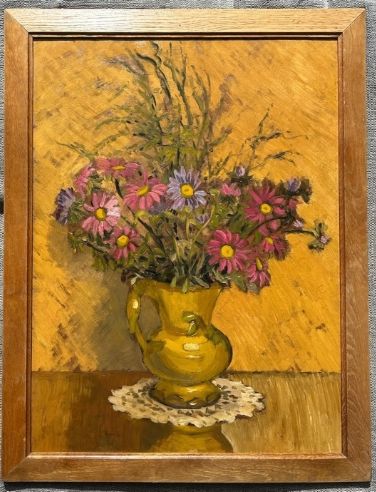
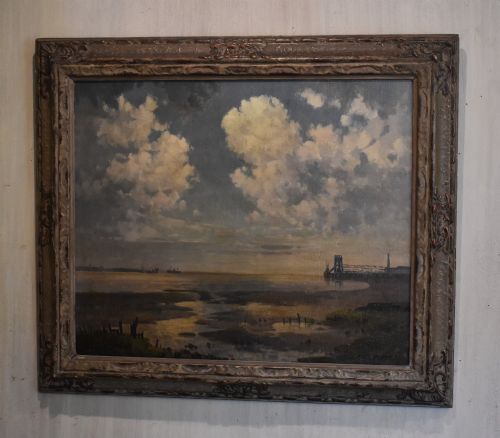
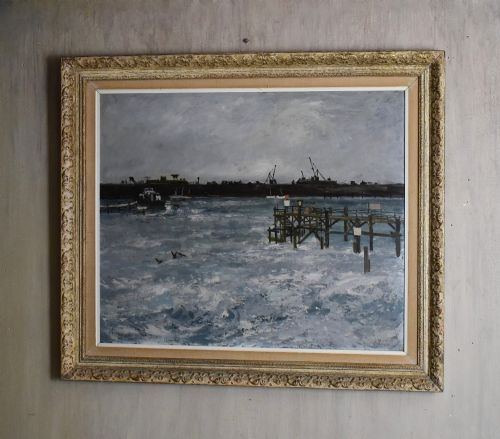
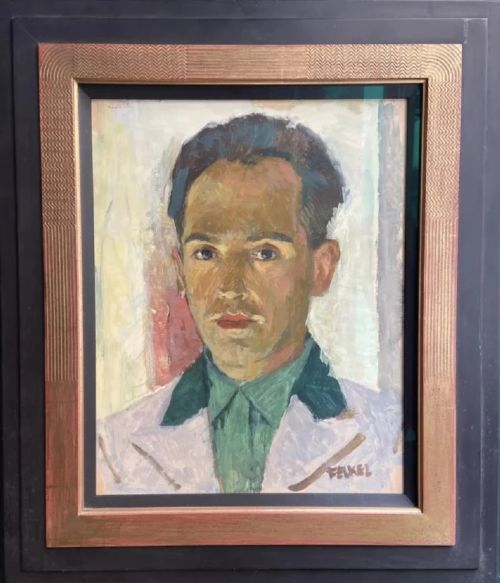
A mid 20th century painting captures the shifting moods of post-war life through expressive brushwork and varied local scenery.
Mid 20th Century Painting
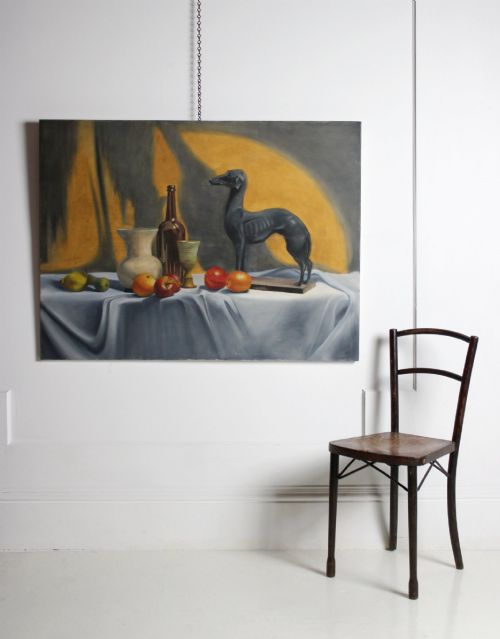
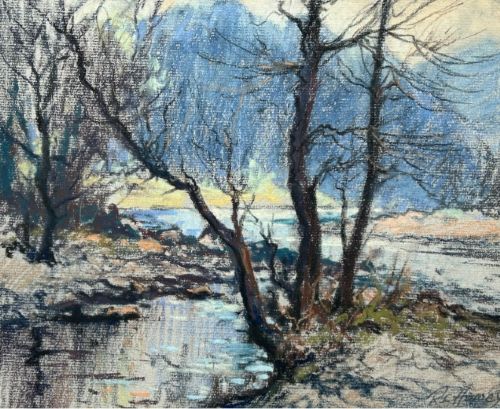
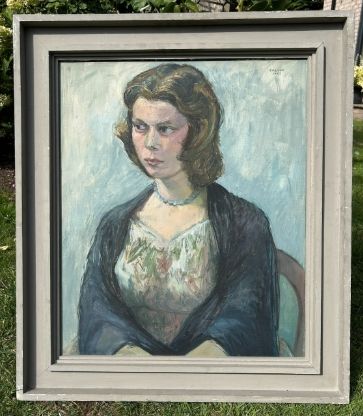
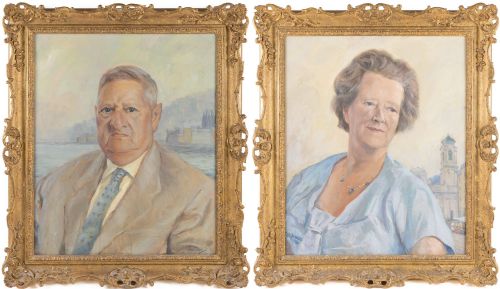
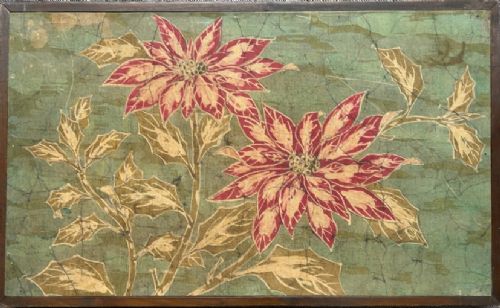
A mid 20th century painting encompasses original works produced across decades marked by distinct artistic movements like modern british and post-impressionism. Collectors encounter everything from expansive regional landscapes to intimate still lifes and striking portraiture.
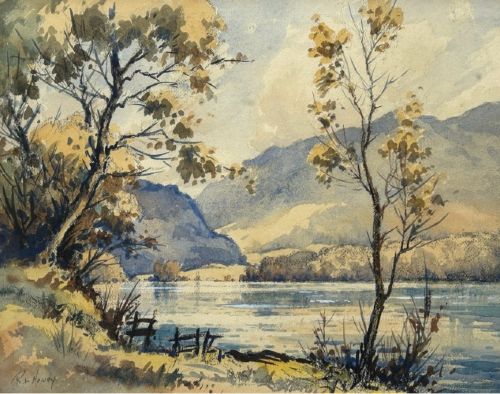
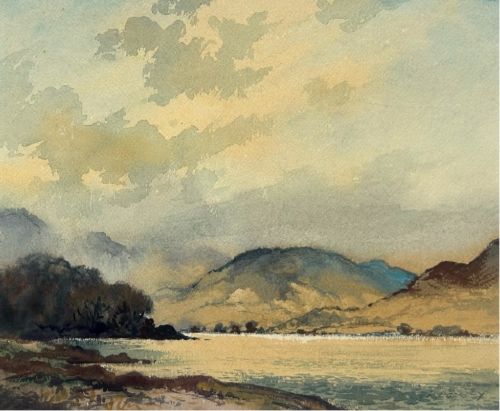
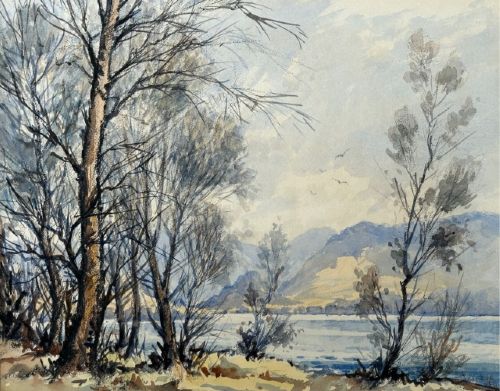
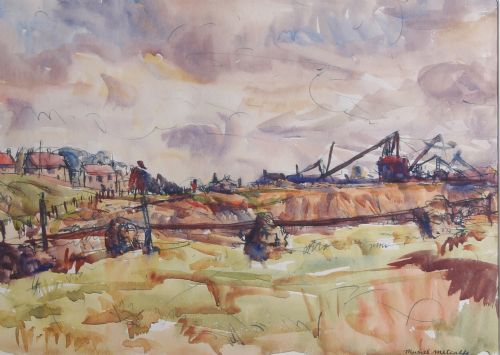
Most examples originate from British and European studios, capturing rural countryside, coastal scenes, and urban street views. Works on this page bridge traditional representation with emerging modernist techniques.
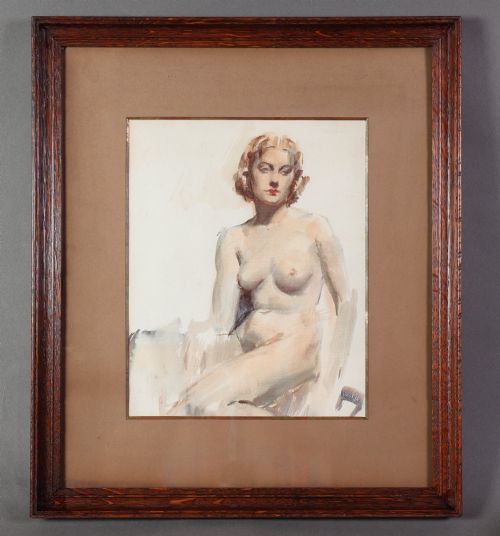
The selection ranges from detailed watercolours and pastel drawings to heavy impasto oil works on canvas, board, and panel. These pieces reflect the varied output of regional artists and established academy painters alike.
Factors of distinction
Quality rests upon the artist's handling of light, depth, and spatial awareness within the composition. Stronger works demonstrate a confident, deliberate application of medium that captures the atmosphere of the subject rather than merely recording it.
The condition of the paint surface and the originality of the framing contribute significantly to a piece's integrity. Well-preserved works retain vibrant pigments and stable grounds without excessive craquelure or restoration.
Several artists clearly painted through rain and wind to capture Yorkshire and Cumbrian sheep looking thoroughly unimpressed by the weather.
Kenneth Cozens·Robert Leslie Howey·William Burns·Joseph Pighills·Lilian Colbourn
The Mid 20th Century Painting Glossary
- Impasto
- A technique where paint is laid onto a canvas in very thick areas, usually thick enough that the brush or painting-knife strokes are visible. This adds a tangible, three-dimensional quality to the surface of the artwork.
- Gouache
- A water-based paint consisting of pigment and other inert materials designed to be opaque. It dries to a smooth, matte finish that differs from the translucency of traditional watercolour.
- Board
- A rigid flat piece of wood or compressed material used as a support for painting instead of stretched canvas. Artists frequently utilised this substrate for smaller plein air landscape studies.
- Triptych
- A work of art divided into three sections or three carved panels that are hinged together or exhibited side by side. This format was often chosen for narrative or thematic series.
- Provenance
- The chronology of the ownership, custody, or location of a historical object. Documented history helps confirm the authenticity and background of a listed work.
Mid 20th Century Painting: Frequently Asked Questions
How do I date a mid 20th century painting?
Dating relies on stylistic clues, framing methods, and signatures or exhibition labels attached to the reverse of the board or canvas. Many pieces carry artist inscriptions or dates directly on the front or back.
Material analysis of the stretcher bars, canvas weave, and backing boards also helps narrow down the decade of production. Comparative examples by the same hand provide reliable benchmarks.
Where were these paintings displayed originally?
These works hung primarily in domestic interiors, regional galleries, and annual open exhibitions hosted by local art societies. Many reflect the domestic taste of mid-century collectors acquiring accessible original art.
Regional artists often sold directly from their studios or through local exhibitions across Yorkshire, the Lake District, and London. Their subjects document the changing British landscape of the era.
How should I care for an oil painting on board?
Keep paintings away from direct sunlight, high humidity, and rapid temperature fluctuations to prevent the wood or board substrate from warping. Gentle dusting with a soft, dry brush is sufficient for routine maintenance.
Avoid using liquid cleaners or chemical solvents on the painted surface. Professional conservators should handle any structural repairs or varnish removal.
What is the difference between oil and watercolour on this page?
Oils offer a rich, buildable medium capable of thick impasto textures and deep colour saturation on canvas or board. Watercolours provide a translucent, fluid effect executed on paper.
Watercolours are typically framed behind glass to protect the delicate paper surface from moisture and airborne pollutants. Oils on canvas or board are generally displayed unglazed.