




Industrial Scene Wall Art
Industrial scene wall art captures the grit of factories, docks, and railways in oil and canvas across the nineteenth and twentieth centuries.
Industrial Scene Wall Art
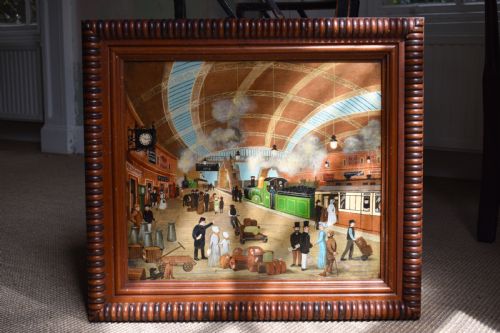
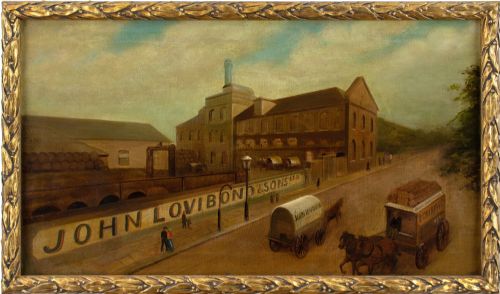
Industrial scene wall art encompasses paintings that record the heavy labour, urban docks, and working machinery of past centuries. When searching this phrase, buyers encounter depictions of factories, railway stations, and shipyards spanning from the nineteenth century into the mid-century modern period.
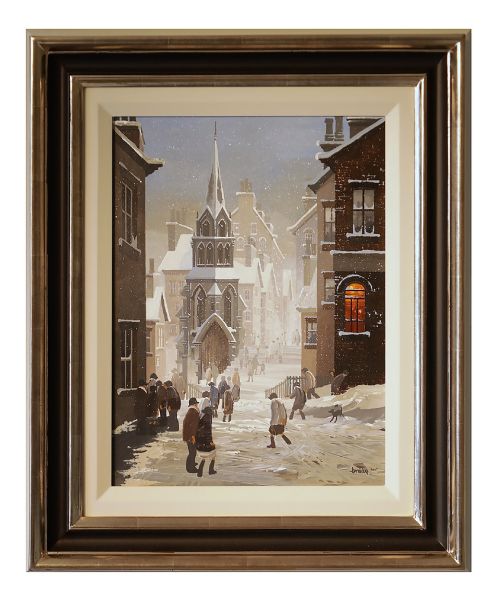
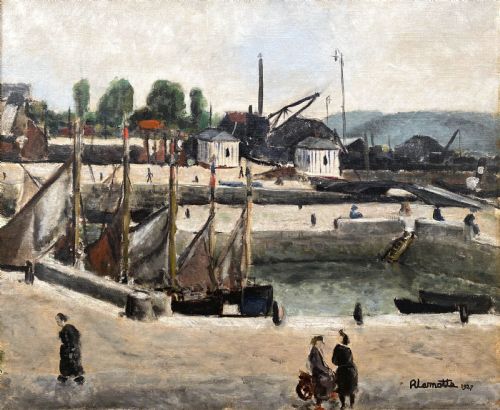
The pieces on this page lean heavily towards oil paintings on canvas and board, capturing maritime ports, canal barges, and industrial constructivist factory scenes. English school works and British impressionism sit alongside continental pieces, presenting both gritty realism and modernist abstraction.
Subjects range from bustling docks and railway works to portraits of blacksmiths at the forge. Each canvas records a specific moment of human labour and engineering triumph, preserving the visual history of industrial centres.
Materials and technique
Painters typically employed oil paint on canvas or wooden boards to build these heavy industrial compositions. The medium allowed artists to layer dark pigments, capturing the smoke, soot, and iron tones of nineteenth and twentieth-century workplaces.
Wood frames frequently accompany these works, providing structural support and framing the canvas for display. Watercolour on paper appears in topographical views, offering a lighter handling of maritime docks and railway stations.
Listings combine oil on canvas, oil on board, and watercolour on paper, spanning periods from the nineteenth century to the 1960s.
Evaluating quality and execution
Quality rests on the artist's handling of light and perspective within cramped, smoke-filled environments like docksides and railway sheds. Stronger works convey the oppressive weight of machinery and architecture without losing narrative clarity.
The handling of the medium distinguishes ambitious compositions from standard topographical records. Brushwork that captures movement in a blacksmith's forge or a dismantling railway station elevates the piece far above simple illustration.
Brian Shields Braaq·John Lovibond Sons·Henry J Neave·George Harcourt Sephton
The Industrial Scene Wall Art Glossary
- Oil on Canvas
- A painting medium where pigments bound in drying oil are applied to stretched fabric. This technique permits rich blending and durable textures.
- Oil on Board
- A painting executed on a rigid wooden panel or stiff board rather than fabric. It offers a solid surface favoured by many nineteenth and twentieth-century painters.
- Constructivism
- An artistic style originating in Russia that celebrates industrial methods and geometric construction. It heavily influences the abstract factory scenes found in mid-century art.
- British Impressionism
- A painting approach focusing on light and everyday subjects using broken brushstrokes. British practitioners applied these techniques to domestic ports and urban landscapes.
- Topographical Watercolour
- A detailed painting on paper recording specific geographic locations accurately. These works often document historical buildings and docks before modern redevelopment.
Industrial Scene Wall Art: Frequently Asked Questions
What periods do these industrial paintings cover?
The listings span from the nineteenth century through the 1960s, capturing the height of the industrial era and subsequent modernist movements.
Artistic approaches shift over these decades from realistic nineteenth-century depictions of blacksmiths and railway stations to mid-century constructivist factory scenes.
How should I hang and light these canvases?
These works demand sturdy wall fixings because many are paired with substantial wood frames. Position them away from direct sunlight to protect the oil paint and canvas from drying out.
Warm, directional lighting enhances the dark pigments and metallic tones typical of industrial subject matter.
Are these paintings signed by the artists?
Several pieces feature artist signatures, inscriptions, or attribution to known painters and schools of the period. Signatures provide direct links to the individual practitioners who recorded these docks and railway yards.
Unsigned works are generally attributed through stylistic analysis, matching the handling of light and subject matter to established artistic schools.
What subjects are most common in this art?
Common subjects include railway stations, dockyards, canal barges, and factory interiors. Painters focused on the physical labour of blacksmiths and engineers dismantling railway roofs.
Maritime scenes involving ships and ports also feature prominently alongside modernist cityscapes.