


Sailing Ship Seascape Art
Sailing ship seascape art captures the power of wind and water on canvas, paper and panel.
Sailing Ship Seascape Art
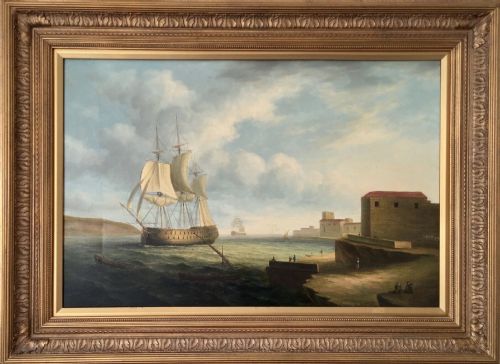
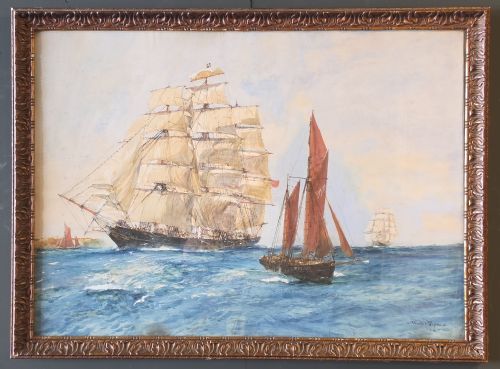
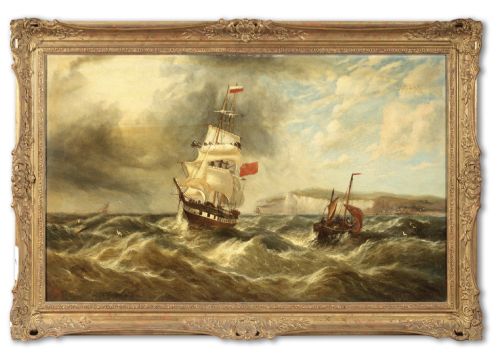
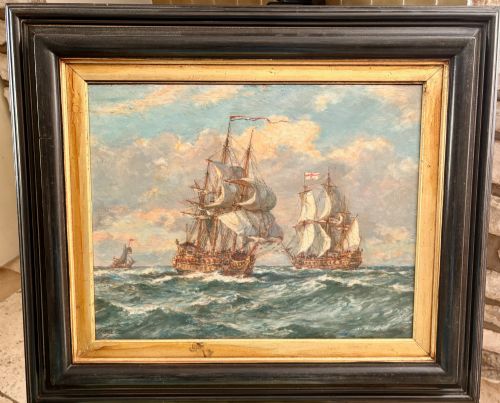
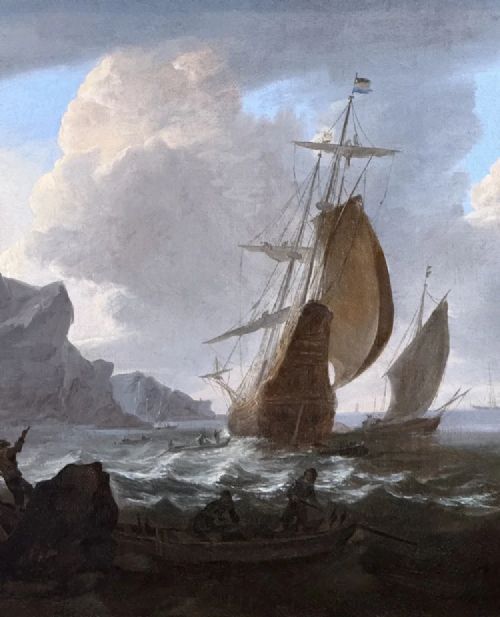
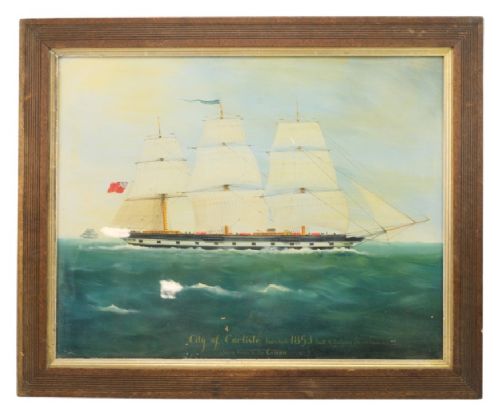
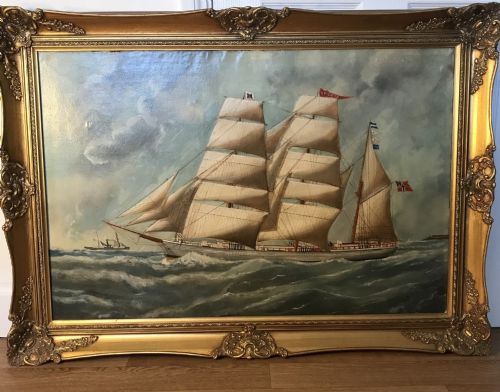
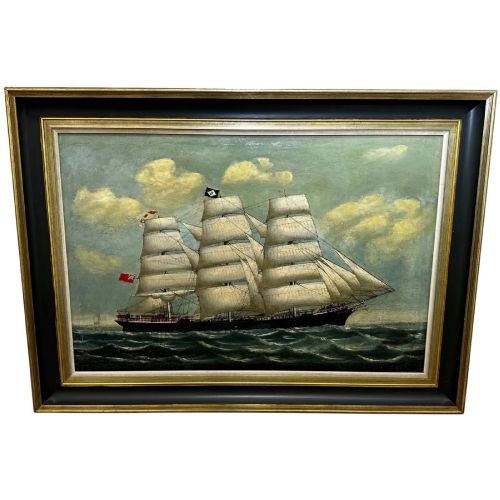
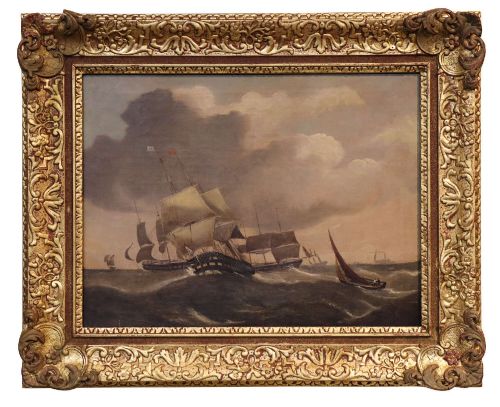
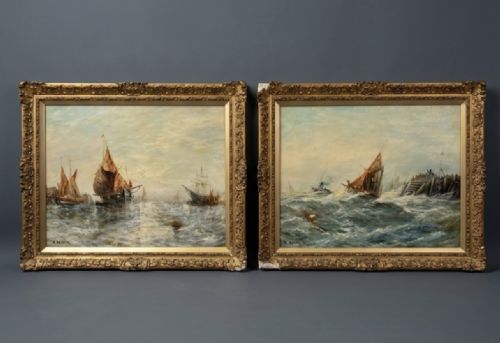
When you search for sailing ship seascape art, you encounter a focused range of works depicting vessels navigating open waters, harbours and coastal stretches. The pieces span centuries from early depictions of galleons and warships to mid-century studies of clippers and fishing boats.
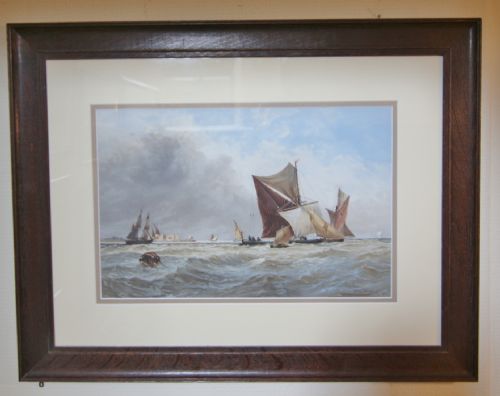
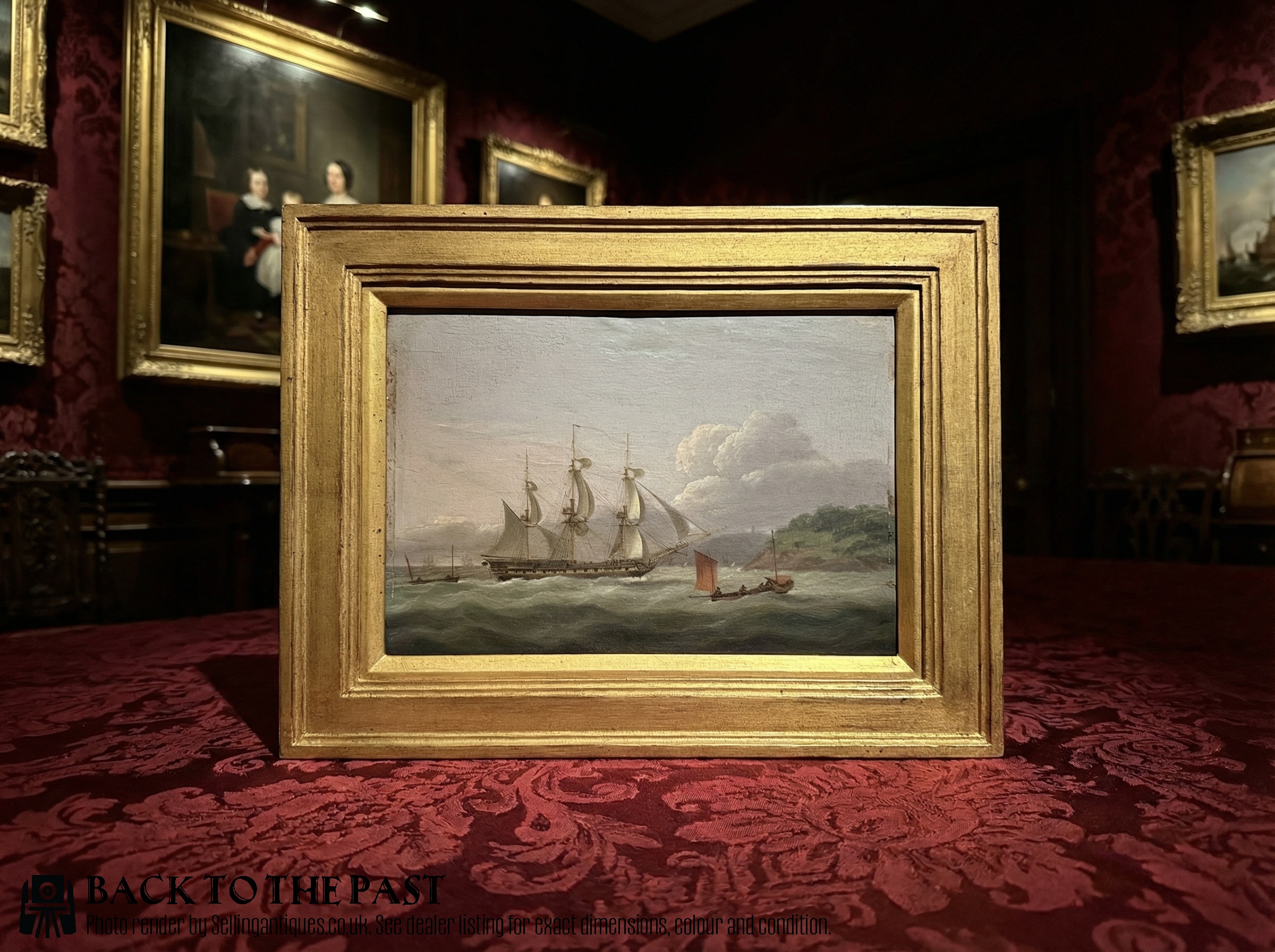
You are most likely to meet 19th-century watercolours and oil paintings on canvas or board. These frequently portray British merchant ships, barques and dramatic storm scenes.
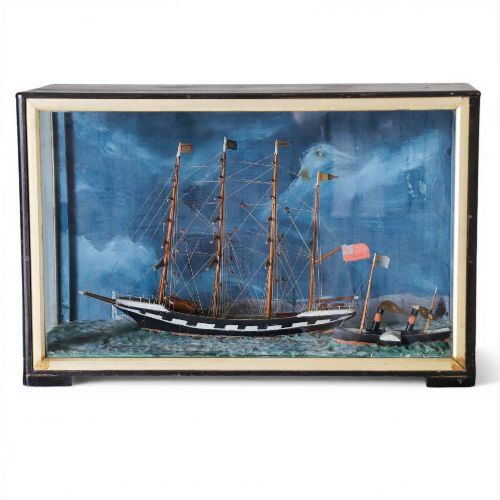
Formats extend beyond standard framed paintings to include maritime shadow boxes and detailed dioramas. Subjects range from named vessels on specific voyages to anonymous nautical scenes in rough seas.
How they were made
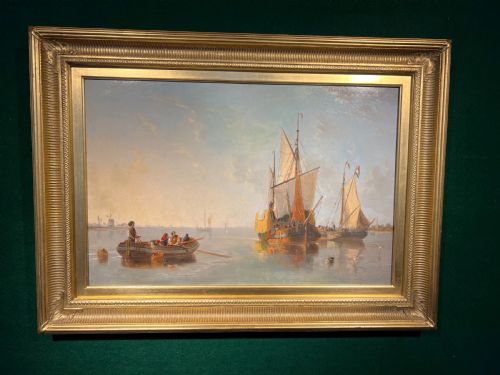
Artists painted these scenes using oil on canvas, wood panel, or board to build rich textures of water, sky and timber. Watercolour on paper served practitioners who captured lighter coastal atmospheres and detailed rigging.
Many works incorporate fine brushwork for ship architecture alongside looser applications of paint for turbulent waves and clouds. Frames often consist of carved and gilt wood that complements the maritime subject matter.
Several artists clearly spent hours counting every single rope on a three-masted schooner just to make sailors nod in agreement.
What varies in quality
The standard of these works depends upon the artist's command of maritime architecture and atmospheric conditions. Superior examples demonstrate accurate rendering of rigging, hull construction and wind-filled sails.
Depth is achieved through subtle handling of light on water and sky rather than reliance on heavy formulas. The integration of the vessel into its environment distinguishes finer compositions from simpler decorative records.
Bonaventura Peeters·John Wilson Carmichael·Thomas Bush Hardy·Abraham Hulk I·Charles Edward Dixon
The Sailing Ship Seascape Art Glossary
- Barque
- A sailing vessel with three or more masts where the fore and mainmasts are square-rigged and the mizzenmast is fore-and-aft rigged.
- Seascape
- A work of art depicting the sea, coastal views or maritime activities.
- Galleon
- A large sailing ship used for war and commerce from the 16th through the 18th centuries.
- Diorama
- A three-dimensional scenic representation often housing a model ship within a constructed maritime setting.
- Provenance
- The documented history of ownership that establishes the authenticity and background of a piece.
Sailing Ship Seascape Art: Frequently Asked Questions
How do I identify the age of a maritime painting?
Examine the materials, stretcher frames, and paper types alongside the style of the ship rigging and clothing of any figures. Artists often incorporated specific vessel designs and clothing fashions native to their active decades.
Signatures, dates, and framing techniques also offer reliable clues to narrow down the decade of creation.
What is the difference between an oil and a watercolour seascape?
Oil paintings utilise pigment suspended in drying oils applied to canvas, board or panel, allowing for rich textures and deep colour blending. Watercolours use water-soluble pigments on paper, producing a luminous and immediate effect.
Oils generally handle dark, stormy night scenes with greater depth, while watercolours excel at crisp coastal light.
How should I display maritime art at home?
Hang these works away from direct sunlight to protect pigments, particularly watercolours on paper. Pair framed canvases with traditional brass picture lights to highlight the detail in rigging and waves.
Keep rooms at a stable humidity level to prevent warping on wood panels and paper mounts.
What subjects are common in antique ship paintings?
Common subjects include named merchant clippers, naval battles with warships firing cannons, and fishing vessels operating in coastal waters. Artists frequently recorded historical events, such as troop transports heading to specific conflicts.
Local harbours and dramatic gale encounters also appear across multiple decades.