




Traditional Nautical Oil Painting
These traditional nautical oil painting examples capture historic vessels and coastal waters through enduring brushwork.
Traditional Nautical Oil Painting
A traditional nautical oil painting depicts maritime life, naval engagements, and coastal scenes upon canvas or panel. Buyers seeking this phrase encounter works ranging from Victorian marine art to mid-twentieth-century harbour views.
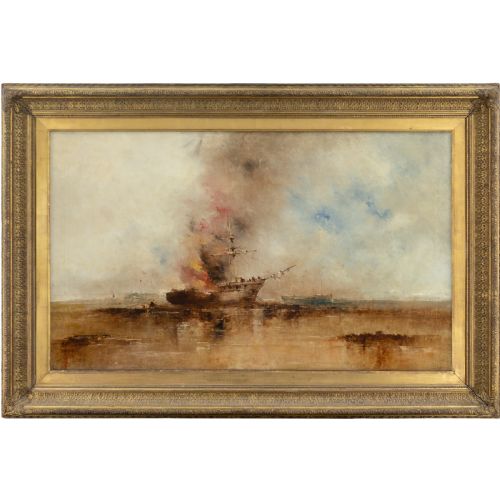
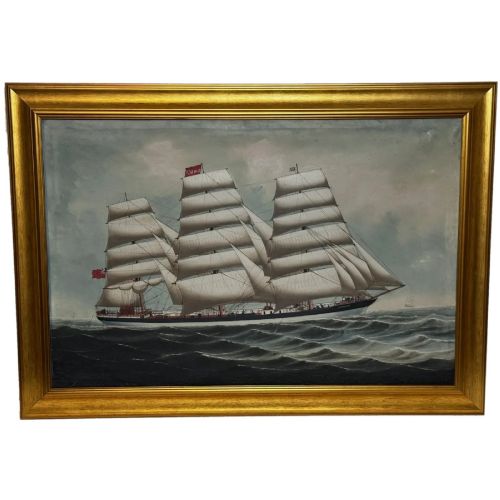
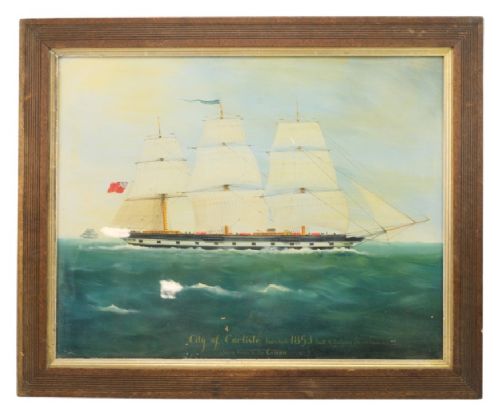
The selections span nineteenth-century depictions of warships and fishing vessels alongside later twentieth-century coastal studies. Common subjects include galleons off foreign harbours, ships in choppy seas, and quiet moonlight estuarial scenes.
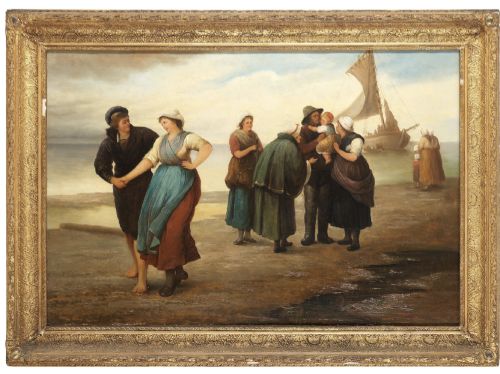
Works originate from various European schools, featuring named British and continental artists alongside anonymous hands. These paintings record the historical presence of merchant shipping, lighthouses, and naval schooners.
How They Were Made
Painters applied oil paint to stretched canvas or wooden panels, often building texture with gesso beneath the pigments. Frames typically consist of gilded wood or carved gesso mouldings designed to complement the maritime subject.
Artists captured light on water and movement in clouds through layered brushwork, ranging from tight academic realism to looser post-impressionist applications. Support structures utilise traditional timber stretchers and prepared board.
Listings feature works spanning the nineteenth century through to nineteen sixty, utilising oil on canvas and wood.
What Varies in Quality
The distinction lies in the artist's command of maritime rigging accuracy, atmospheric light, and water movement. Superior canvases display convincing depth in choppy seas and precise architectural rendering of vessel structures.
Condition of the oil paint layer and the integrity of the original wood or canvas support differentiate surviving works. Framing choices also influence the presentation, with period gilt wood enhancing the visual weight of the marine scene.
James Hardy·William McAlpine·Reginald Arthur Borstel·George SHAW·Hendrik Willebrord Jansen·John Douglas Perrett·Dion Pears·George Henry Knight·Marie-Edouard Adam·John Callow·Ebeneezer Colls·Hubert Thornley·William Edward Webb·Micheal Matthews·Pieter Cornelis Dommersen·Edward Fletcher·Charles Martin Powell·Alfred Montague
The Traditional Nautical Oil Painting Glossary
- Oil on Canvas
- Pigments bound in drying oil applied to a woven fabric support stretched over a wooden frame. This combination allows for rich colour blending and durable surface tension.
- Gilt Wood
- Timber framing finished with a thin layer of gold leaf or metallic gilt pigment. Such frames provide a traditional decorative border suited to nineteenth-century canvases.
- Panel
- A rigid wooden board used as a painting surface instead of fabric. Panels offer a firm support favoured by artists working in detailed miniature or small formats.
- Gesso
- A primer mixture consisting of a binder mixed with chalk, gypsum, or pigment. It prepares wooden panels or canvases to receive oil paint.
- Seascape
- A work depicting the sea, coastal views, ships, or marine engagements. These subjects form the core of traditional maritime art.
Traditional Nautical Oil Painting: Frequently Asked Questions
What subjects appear in these paintings?
Works depict naval battles, merchant shipping, lighthouses, and harbour scenes with fishing trawlers.
Coastal views and estuarial waters also feature prominently across the selection.
How should these paintings be displayed?
Hang pieces away from direct sunlight and fluctuating humidity to protect the oil paint and canvas.
Pairing them with traditional gilded wood frames enhances their historical character.
How are different periods identified?
Nineteenth-century works often show detailed rigging and dramatic sea conditions in Victorian marine styles.
Later pieces from the twentieth century adopt looser post-impressionist brushwork and simpler compositions.
What materials support the pigment?
Artists used stretched canvas, wooden panels, and boards prepared with gesso layers.
Surrounding frames are commonly constructed from carved and gilded wood.