



Historical Ship Seascape Painting
A historical ship seascape painting captures the drama of sail and steam upon the open water, drawing collectors who value naval history and maritime heritage.
Historical Ship Seascape Painting
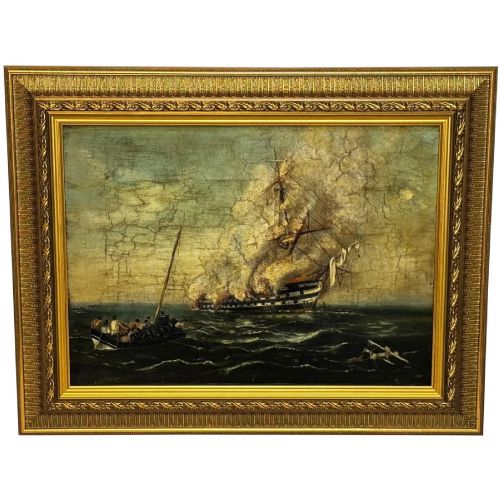
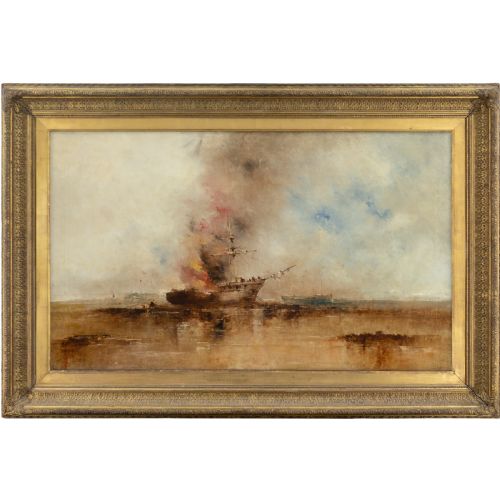
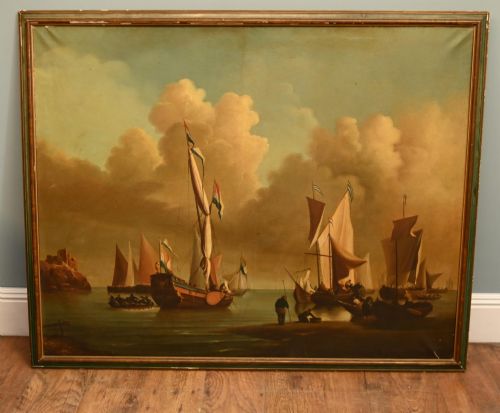
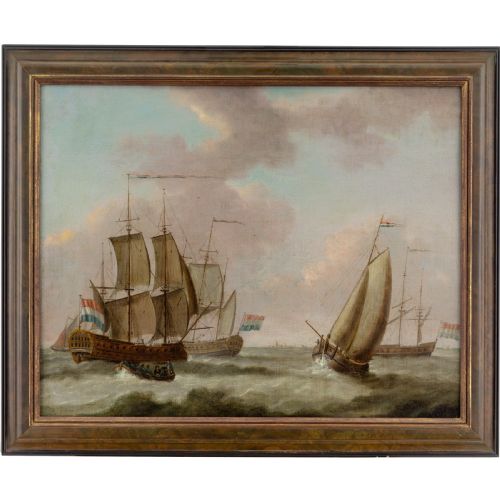
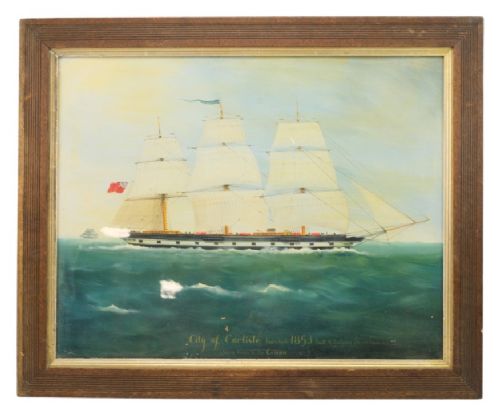
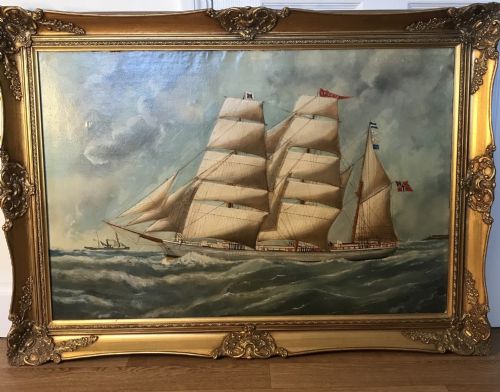
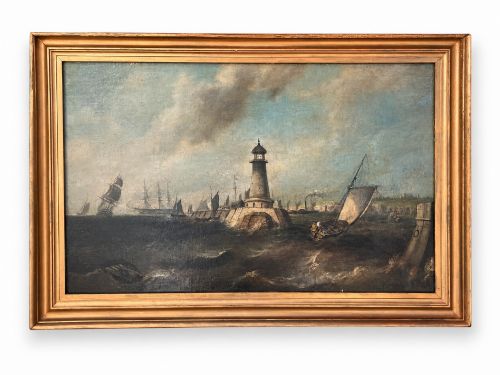
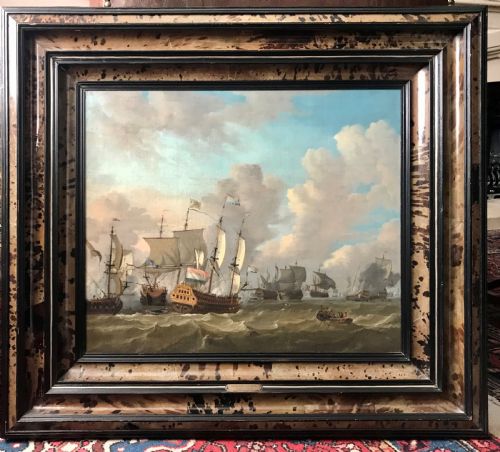
A historical ship seascape painting brings together naval vessels, coastal shipping and the open sea within works executed across the eighteenth, nineteenth and early twentieth centuries. These works record specific vessels, naval engagements and harbour scenes using traditional oil paint and watercolour on canvas, panel or paper.
The selections encountered here range from large-scale depictions of three-masted schooners and warships in rough waters to intimate watercolours of steam and sail near British and European ports. English and European artists dominate these groupings, working within distinct regional maritime traditions from the Georgian era through the Edwardian period.
Factors of Quality
Quality rests upon the artist's command of maritime architecture, proper rigging detail and the convincing movement of water against hull. Works by named painters or identified schools generally show superior handling of light and atmospheric depth compared to anonymous studio pieces.
Condition and originality play a significant part, distinguishing fully preserved surfaces from heavily reworked canvases. The integrity of the original giltwood frame and the historical documentation associated with named vessels further separate standard examples from finer works.
Historical Ship Seascape Painting Retail Price Guide 2026
Typical asking prices for historical ship seascape painting among the pieces listed under this phrase on Sellingantiques today, from the lower quarter to the upper quarter. They describe what is for sale here now, not the wider market.
Listings feature works spanning the 17th, 18th, 19th and early 20th centuries, executed in oil on canvas, watercolour and glass.
William McAlpine·Nicholas Condy·Vincenzo D’Esposito·George Shaw·Samuel Owen·Richard Brydges Beechey·Frank Wood·Paul Jean Clays·Frank Wasley·Richard Ball Spencer·Hubert Thornley·Bertram Priestman·James Hardy·Abraham Storck
The Historical Ship Seascape Painting Glossary
- Giltwood
- Carved wood treated with gold leaf or gold paint to create a decorative frame. These surrounds often date to the same period as the painting they enclose.
- Barque
- A sailing vessel with three or more masts having square sails on the fore and main masts and fore-and-aft sails on the mizzenmast. This rig frequently appears in nineteenth-century maritime art.
- Frigate
- A warship built for speed and manoeuvrability, commonly featured in eighteenth and nineteenth-century naval engagements. Artists often depicted them in multiple positions to show tactical movement.
- Watercolour
- A painting method in which the paints are made of pigments suspended in a water-based solution. This medium was frequently utilised for rapid coastal sketches and detailed harbour views on paper.
- Provenance
- The documented history of ownership of an artwork. Clear records help attribute specific vessels and locations depicted within the scene.
Historical Ship Seascape Painting: Frequently Asked Questions
How do I identify the ship in the painting?
Artists often inscribed the vessel name directly onto the canvas, within the title or upon accompanying documentation such as logs or exhibition labels. Details of the flag, rig and hull structure provide further clues for naval historians.
Matching the depicted vessel against historical shipping registries helps confirm the specific ship, whether a naval frigate or a commercial merchant steamer.
What periods do these paintings cover?
The works span from the late seventeenth century through the Victorian and Edwardian eras up to the early twentieth century. Styles shift noticeably across this timeline from formal Georgian naval compositions to atmospheric nineteenth-century marine art.
Victorian and Edwardian pieces frequently introduce steam power alongside traditional sailing vessels, reflecting the technological transition of the maritime world.
Are these paintings usually signed?
Many works bear the signature or monogram of the artist, while others remain attributed to specific schools or followers of master painters. Unsigned works frequently rely on stylistic analysis, subject matter and period framing for attribution.
Archival records and historical exhibitions often provide the necessary context to identify the hand behind an unsigned marine canvas.
How should I care for an antique oil painting?
Keep the artwork away from direct sunlight and maintain stable room temperatures to prevent the canvas and oil paint from cracking. Avoid using liquid cleaners on the painted surface and consult a professional conservator for cleaning.
Ensure the backing board and giltwood frame remain secure to protect the structural integrity of the canvas over time.