





Vintage Coastal Scene Art
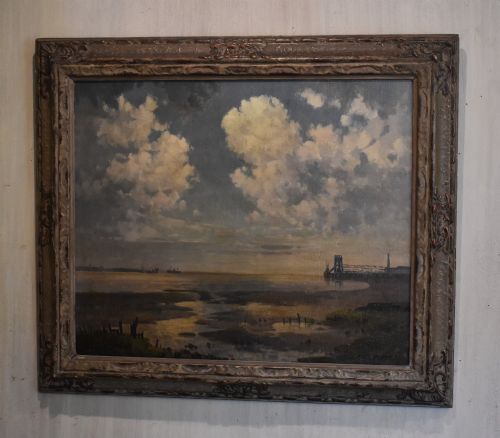
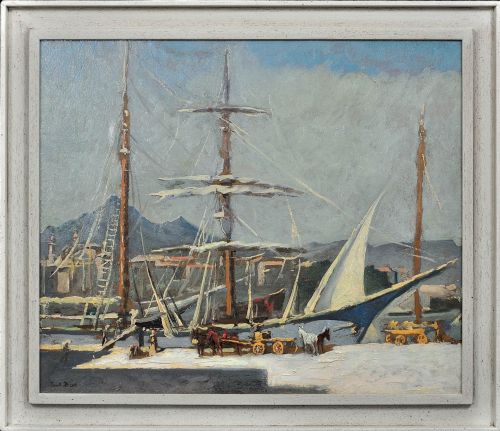
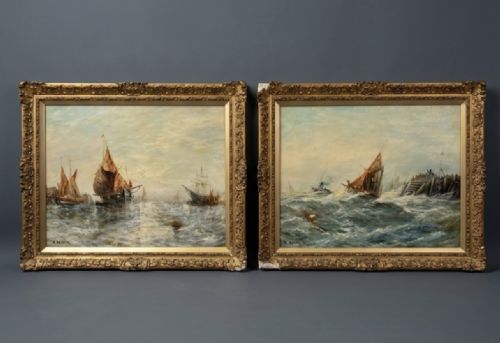
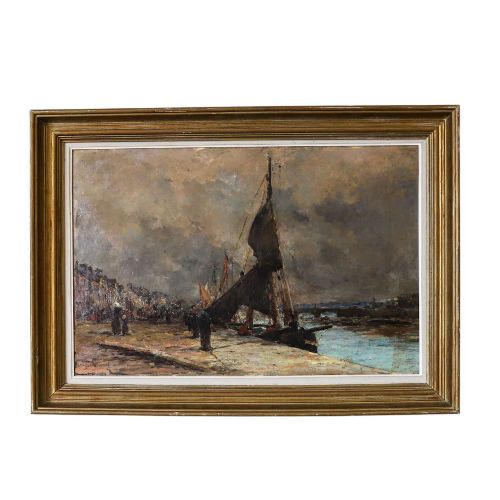
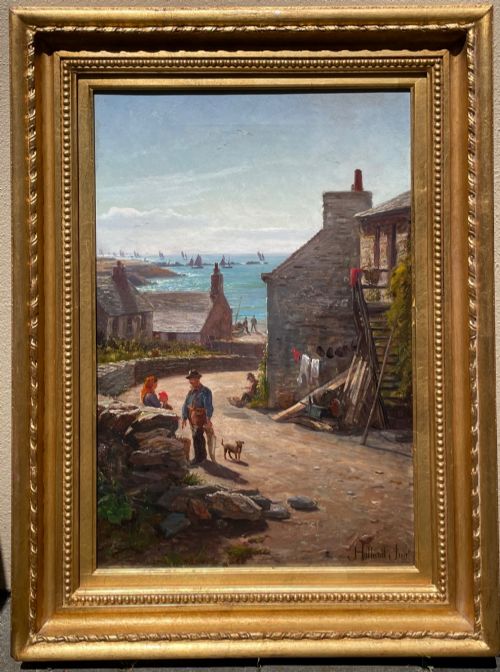
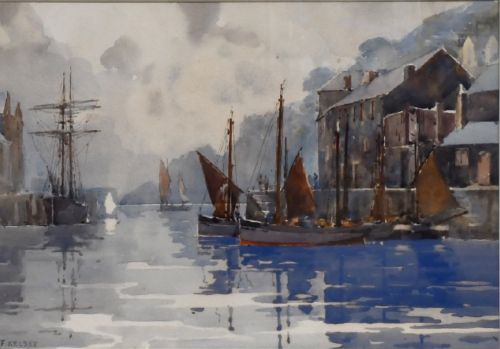
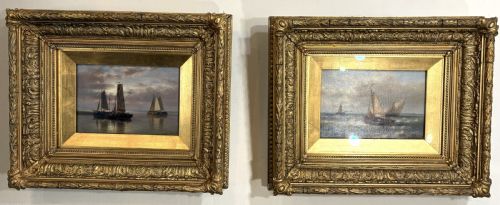
These vintage coastal scene art pieces capture harbours, fishing boats, and shorelines across Britain and Europe through the brush of painters working from the nineteenth century onwards.
Vintage Coastal Scene Art
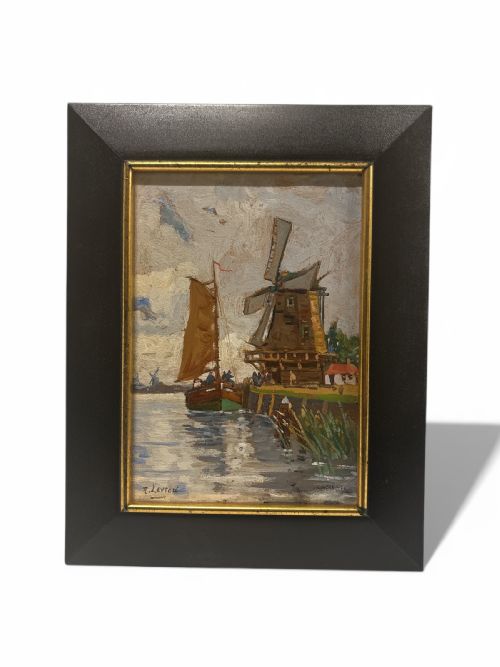
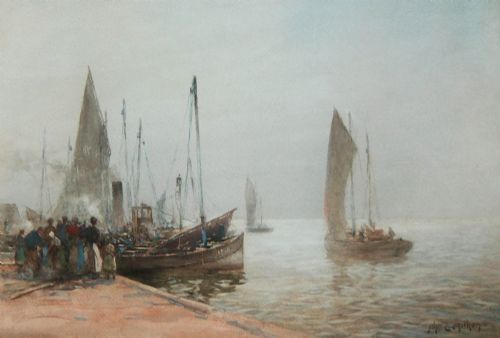
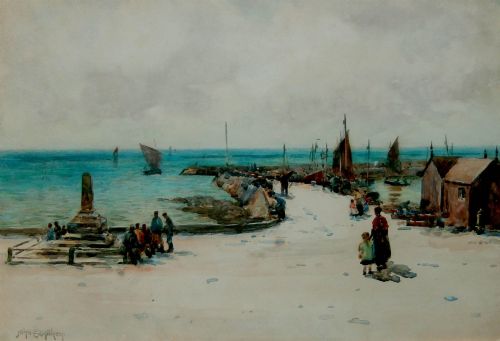
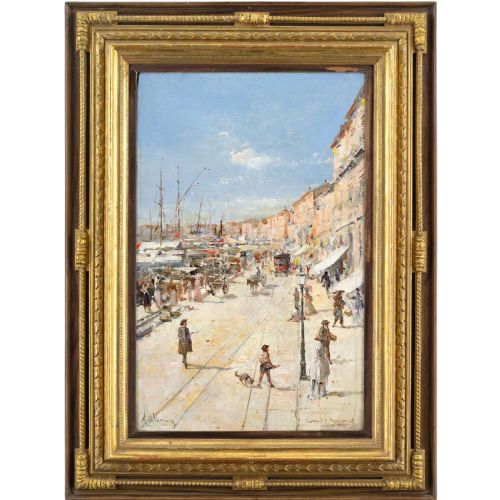
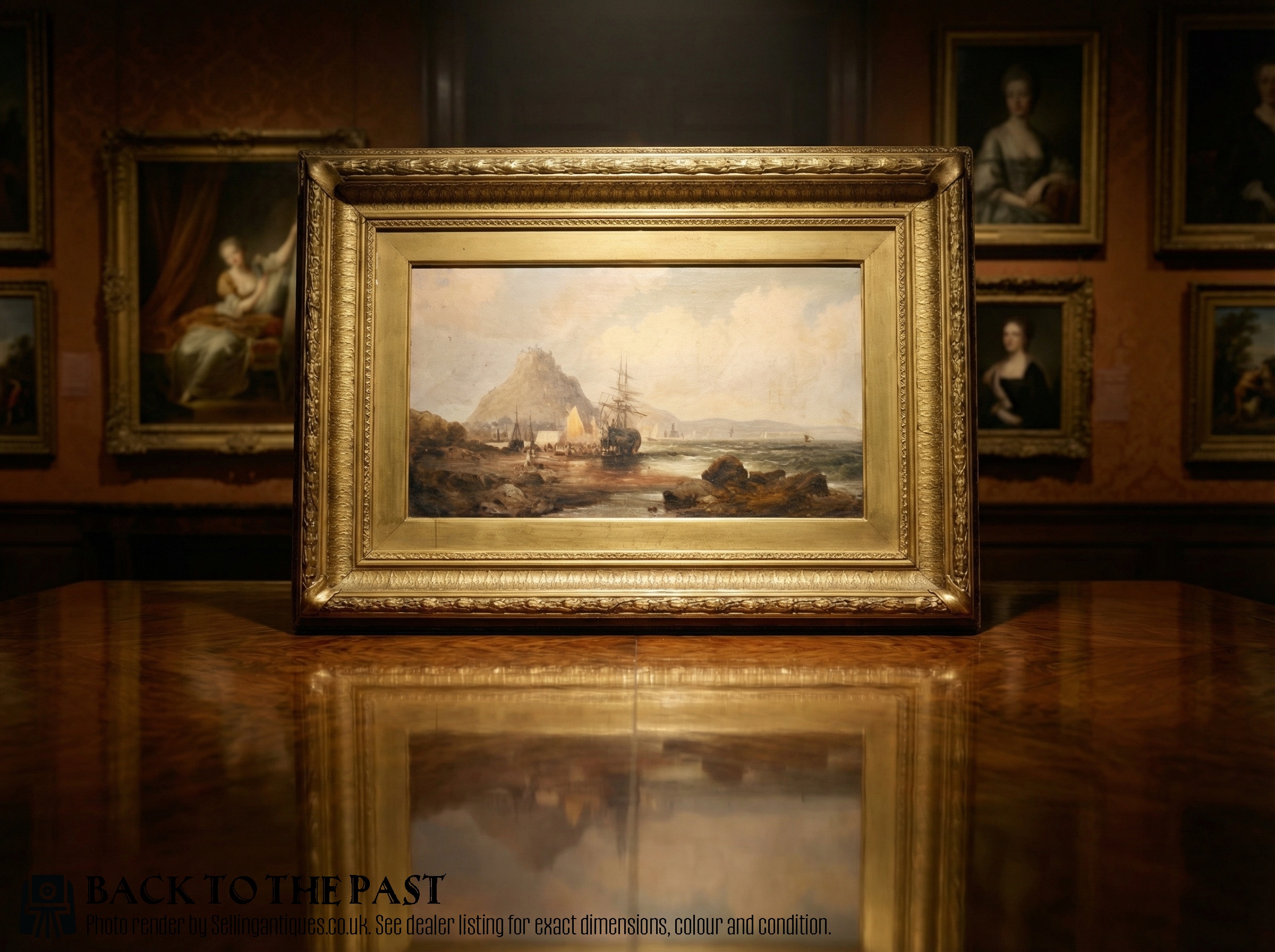
Vintage coastal scene art encompasses framed oil paintings, watercolours, and gouache works depicting maritime harbours, fishing ports, and open seascapes. Collectors find works ranging from nineteenth-century Victorian views to mid-twentieth-century Impressionist interpretations.
The selections available lean heavily toward British and French coastal subjects, including Cornish fishing villages, Scottish havens, and Norman ports. Works on canvas, board, and paper reflect regional topographies from St Ives to the coast of Brittany.
Materials and technique
Artists apply oil paint to canvas, board, or card, and watercolour or gouache to paper, framing the completed works in wood and gilt surrounds. Support materials vary from heavy stretched canvas to delicate card, matched to the scale of the composition.
Brushwork moves from tight academic detail in earlier Victorian pieces to looser Impressionist application in later decades. Pigments capture changing light on water, stormy skies, and the textures of wooden fishing luggers.
Materials span oil paint, watercolour, and gouache applied to canvas, wood, paper, and card, housed in original gilt wood frames.
Judges of quality
Quality rests on the handling of atmosphere, light, and maritime topography rather than mere age. Stronger works convey motion in water and skies with assured brushwork, while weaker examples rely on formulaic repetition.
The integration of the original frame adds merit, particularly when period gilt wood complements the tonal palette of the painting.
Kenneth Cozens·James E. Aitken·John E. Aitken·William Banks Fortescue·Augusto Alberici·Clive Browne·Paul Bret·Abraham Hulk I·George F Pennington·Alfred George Morgan·William Edward Webb·Richard Harry Carter·Gyrth Russell·Raymond Picque·William Lee Hankey·George Turland Goosey·Cecil Rochfort D'Oyly-John·Arthur Tucker·Thomas Bush Hardy·Adrian Van Porten·Donald McIntyre·T.S. Wallis·C Caldwell
The Vintage Coastal Scene Art Glossary
- Gouache
- An opaque water-based medium that yields flat, saturated areas of colour. It appears frequently alongside watercolour on paper.
- Impressionism
- A style focused on spontaneous brushwork and the play of natural light. Artists apply this approach to capture fleeting effects on coastal waters.
- Maritime
- Pertaining to the sea, shipping, and navigation. This category covers both open waters and busy fishing harbours.
- Lugger
- A type of small fishing boat carrying lug sails, common in West Country and Scottish coastal scenes.
- Canvas
- A heavy woven fabric stretched over a wooden frame to serve as a painting surface. It remains the primary support for oil works.
Vintage Coastal Scene Art: Frequently Asked Questions
What subjects appear in these works?
Paintings show working harbours, sailing vessels, lighthouses, and rocky shorelines. Scenes record daily maritime life from Cornwall to Normandy.
Artists document specific locations such as St Ives, Anstruther, and foreign ports including Palermo and Messina.
How do I date a coastal painting?
Dating relies on stylistic clues, framing materials, and artist records. Victorian pieces feature tighter detail, while twentieth-century examples embrace looser Impressionist marks.
Signatures, exhibition labels, and backboard inscriptions often provide confirmed dates or artist life spans.
How should I display them at home?
Works on paper require protection from direct sunlight under glass to preserve watercolours and gouache. Oil paintings on canvas or board tolerate ambient room conditions well.
Matching the frame to the period of the artwork preserves the intended visual weight.
Are watercolours as durable as oils?
Watercolours on paper demand careful framing behind glass with acid-free mounts to prevent fading. Oil paintings on canvas offer greater physical resilience against atmospheric changes.
Both media survive centuries when kept away from excessive moisture.