


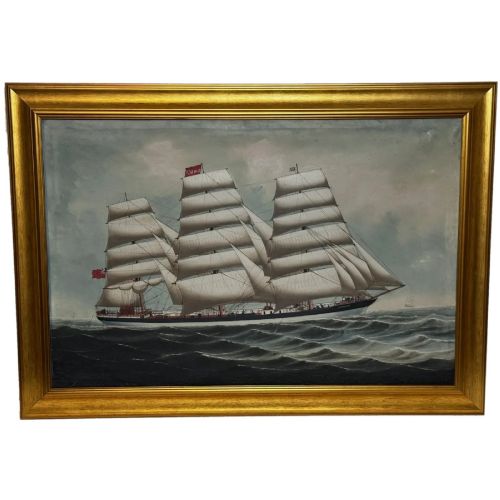
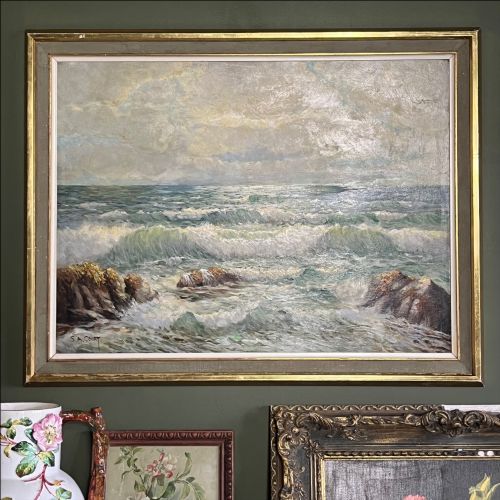
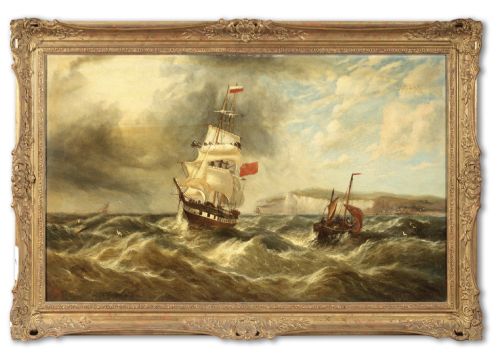
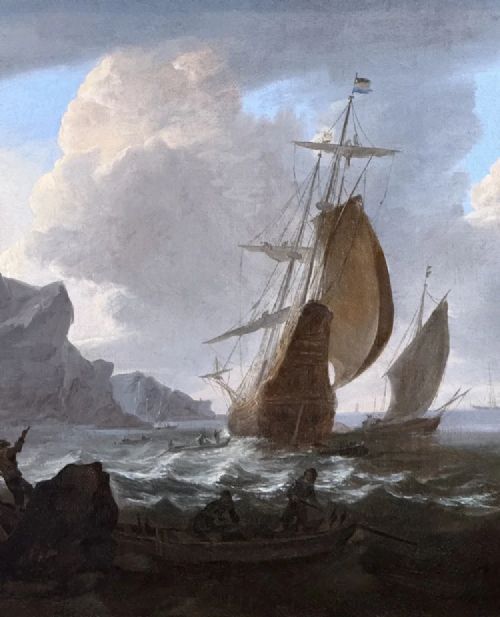
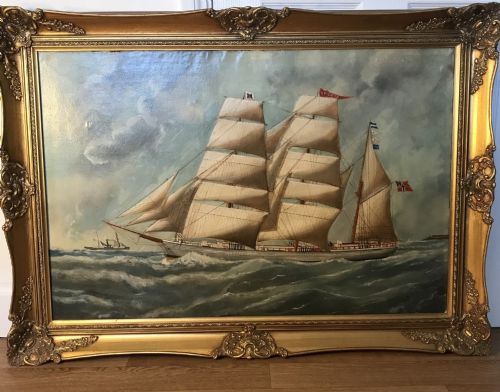
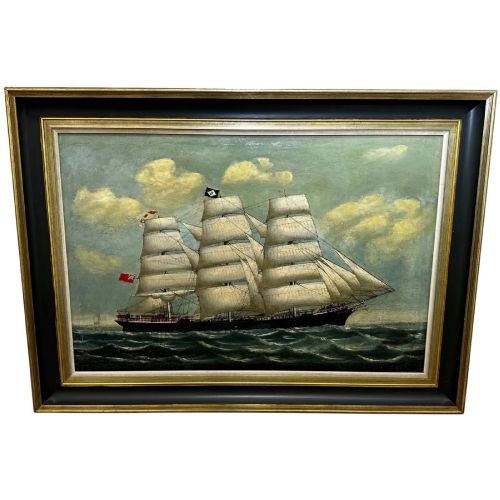
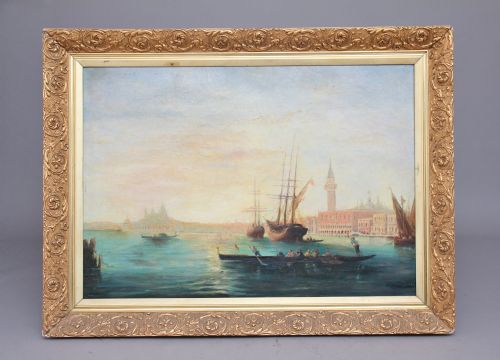
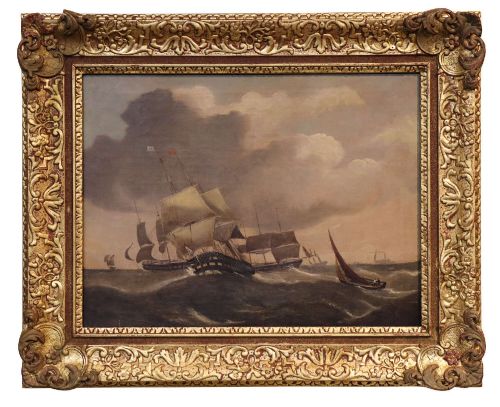
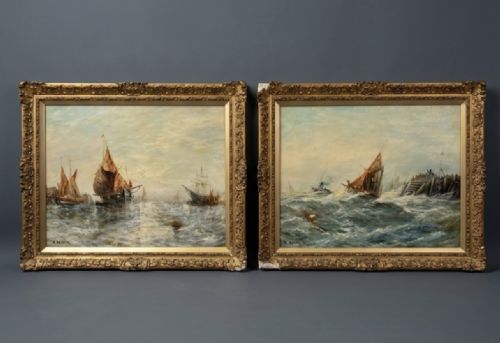
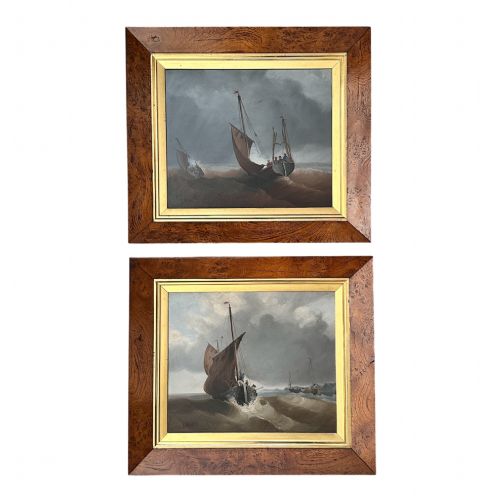
Framed Ocean Oil Painting
A framed ocean oil painting brings the movement, mood and salt spray of open water directly into a room.
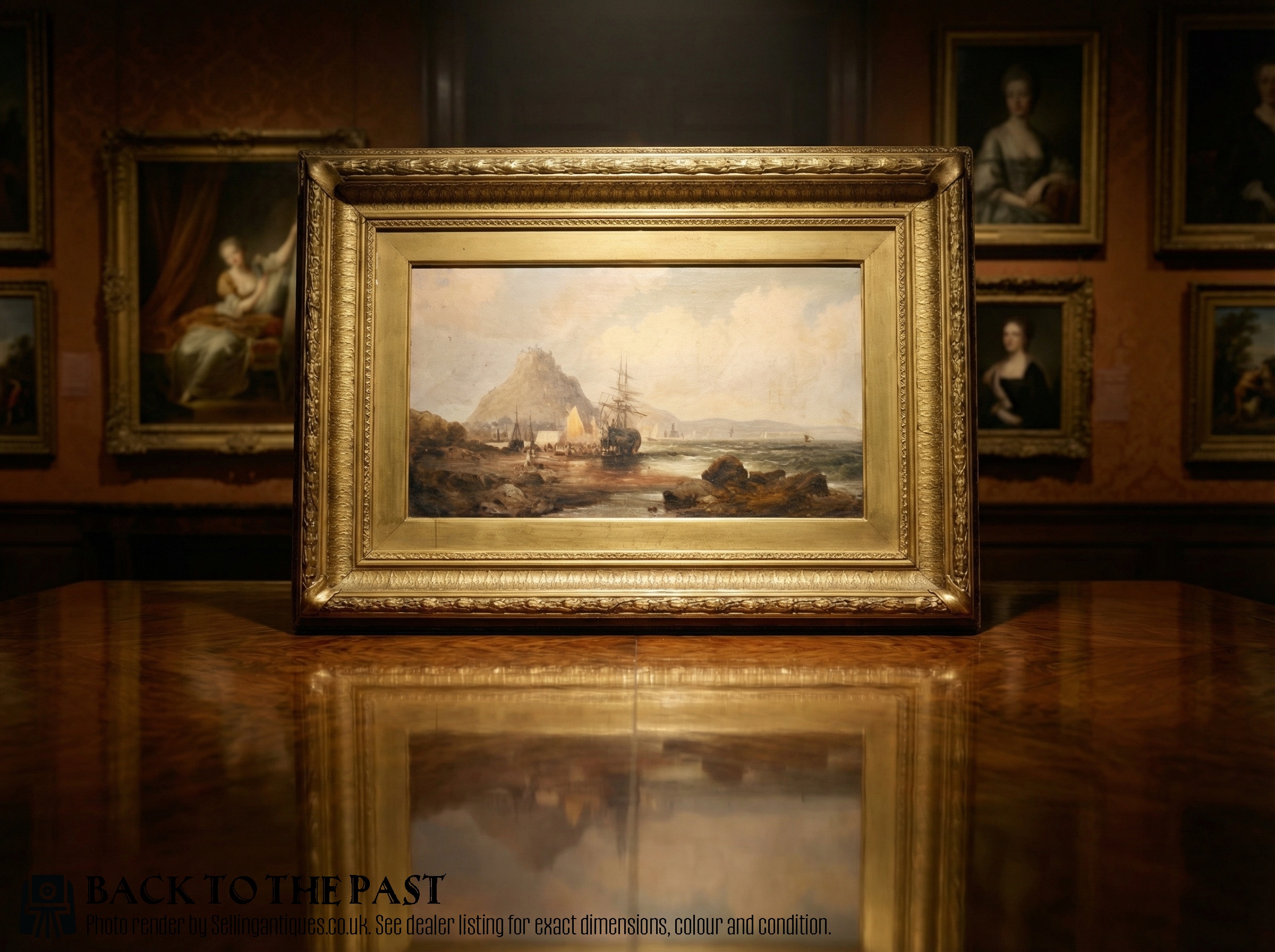
Framed Ocean Oil Painting
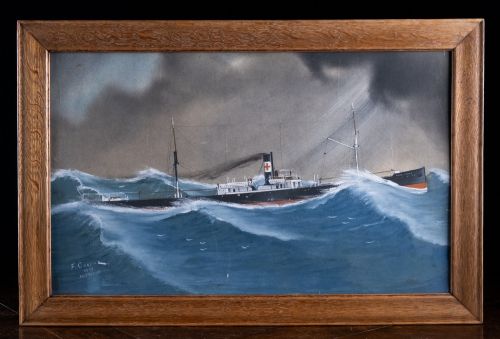
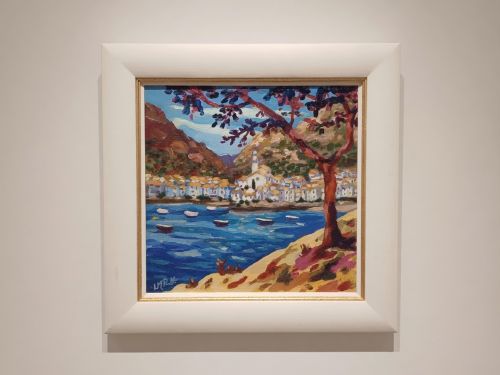
A framed ocean oil painting captures maritime scenes, coastal views and vessels upon the water, created across periods ranging from the Victorian era to the mid-twentieth century.
Buyers looking for a framed ocean oil painting will encounter works rendered on canvas or board, housed in traditional wooden and gilt frames.
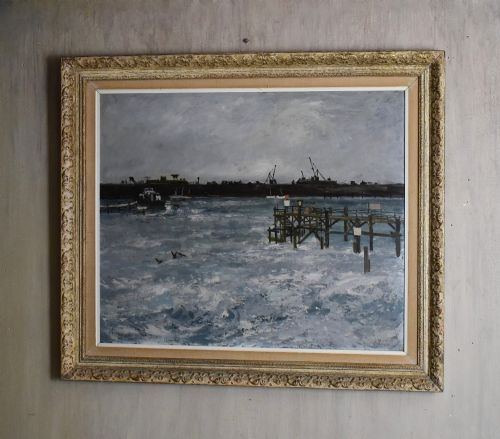
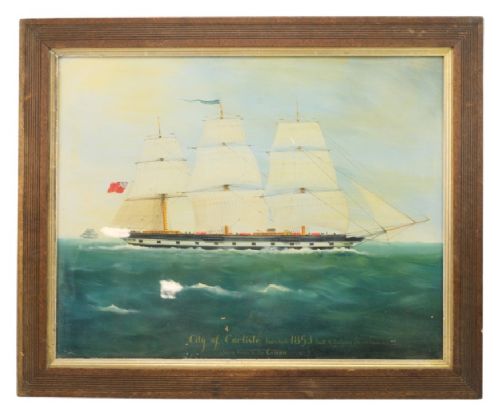
The selection includes tranquil coastal landscapes, choppy seas, and detailed depictions of historic ships under sail or steam.
How they were made
Artists applied oil paint to stretched canvas or wooden boards, frequently working en plein air to capture transient atmospheric effects on the water.
Brushwork ranges from smooth academic finishes to thick impasto that physically builds the texture of breaking waves and wind- whipped spray.
Finished works were secured within wooden frames, many decorated with gilt wood or gold leaf to complement the composition.
Listings feature works spanning the nineteenth and twentieth centuries, utilising oil paint on canvas and board.
What varies in quality
Quality rests upon the artist's command of light, atmosphere and maritime architecture, distinguishing casual topographical records from masterly works of marine art.
The handling of water texture and atmospheric perspective separates striking compositions from flat representations of the sea.
The originality and condition of the period frame contribute significantly to the overall integrity of the piece.
Clifford Hanney·Reginald Arthur Borstel·Sidney A Court·John Rose Miles·Bonaventura Peeters·Lucy Pratt·Peter Brannan·Lai Fong·Thomas Hodgson Liddell·William Henry Williamson·Elisabeth Bardon·Charles Napier Hemy·Norman Lloyd·Gustave De Bréanski·Daniel Sherrin·William Greaves·Abraham Hulk Snr·Charles Sim Mottram·Stephen J Renard·Hendrik Willebrord Jansen·Roger de la Corbiere
The Framed Ocean Oil Painting Glossary
- En plein air
- Painting outdoors to directly capture the natural light and atmosphere of the coastal environment.
- Impasto
- Paint applied thickly to a surface, standing out in relief to give tactile weight to elements like waves and clouds.
- Pierhead painting
- A specialised genre depicting a specific ship, often commissioned by its captain or owner, usually shown near a port.
- Gilt wood
- Timber treated with gold leaf or metallic paint to create a decorative, reflective frame surrounding the canvas.
Framed Ocean Oil Painting: Frequently Asked Questions
How do I date a framed ocean oil painting?
Dating relies on stylistic clues, clothing or vessel types depicted, and framing techniques. Canvas types and stretcher construction also offer chronological indicators.
Signatures, exhibition labels, and written inscriptions on the reverse often provide specific dates or identify the artist's active period.
What is maritime art?
Maritime art encompasses any artwork that depicts or draws inspiration from the sea, ships and coastal life. This genre spans historical naval battles, merchant shipping, and quiet coastal inlets.
Works often serve as historical records of specific vessels or document coastal trades that have since vanished.
How should I hang a framed ocean oil painting?
These paintings need stable wall space away from direct sunlight and sudden temperature shifts. Proper picture wire and wall fixings ensure the weight of the wooden and gilt frame is fully supported.
Positioning the painting at eye level allows the viewer to appreciate the texture of the oil paint and the detail of the marine scene.
How do I care for an oil painting on canvas?
Care involves keeping the surface free of dust using a soft, dry brush without applying pressure to the canvas. Environmental conditions should remain stable to prevent the canvas from slackening or the oil paint from cracking.
Professional cleaning and restoration should be left to specialists to avoid damaging the original pigment or varnish.