
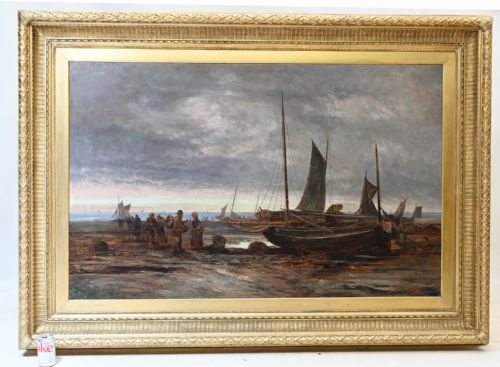


Giltwood Marine Artwork
Giltwood marine artwork brings together maritime oils and carved gilded frames, capturing seafaring history and coastal light for your interior.
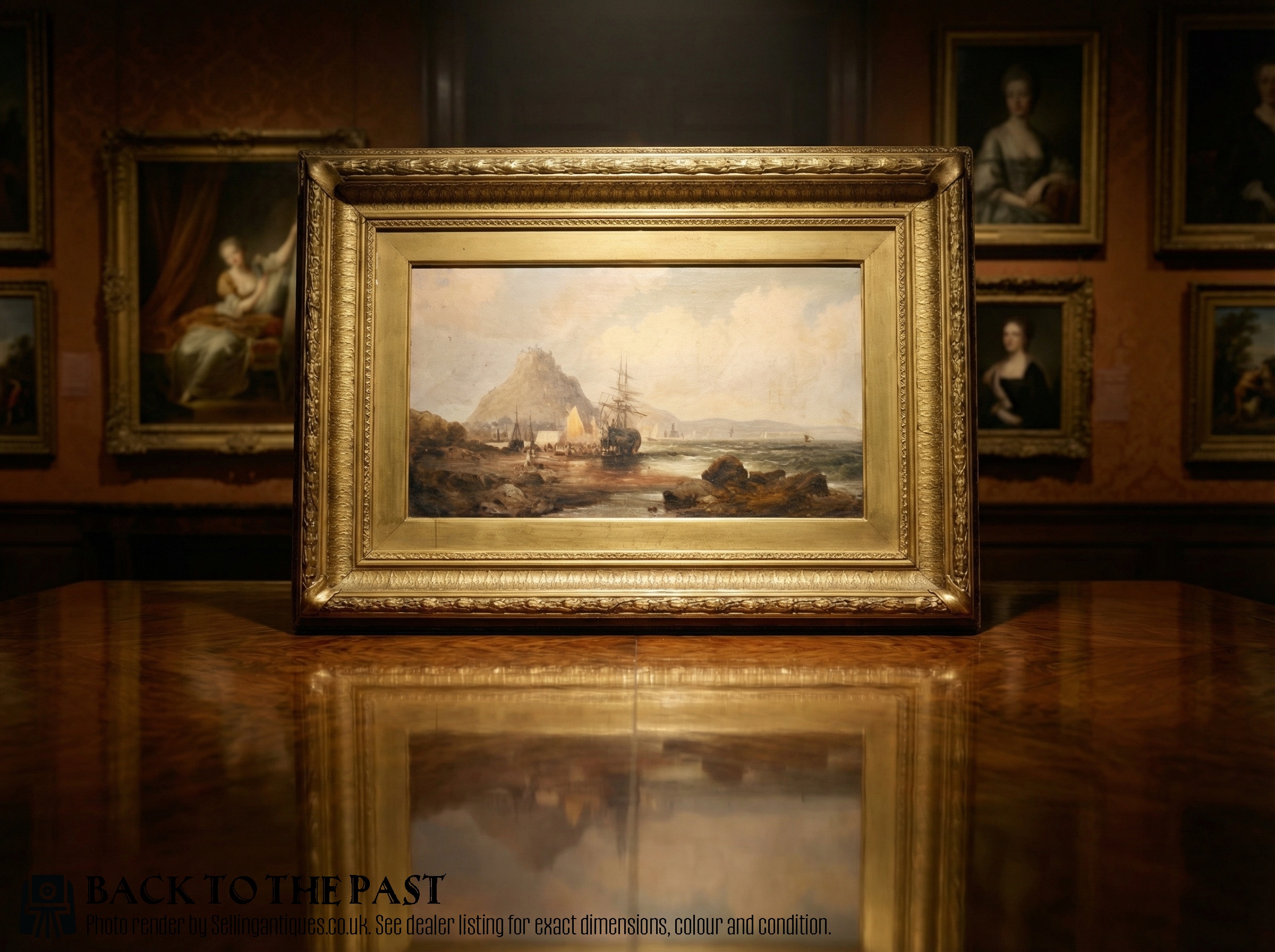
Giltwood Marine Artwork
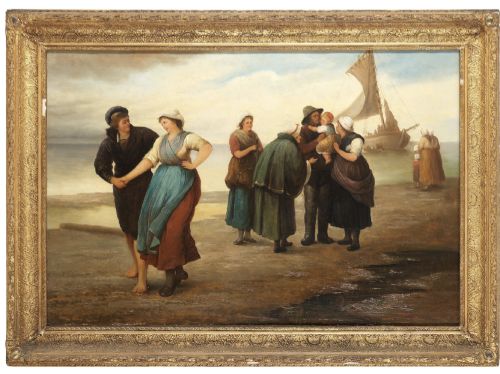
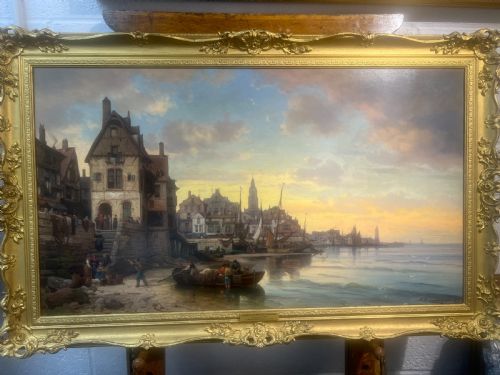
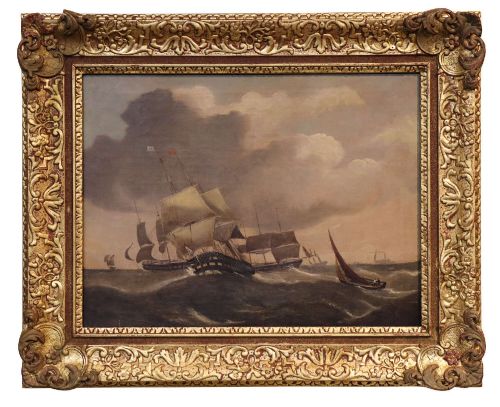
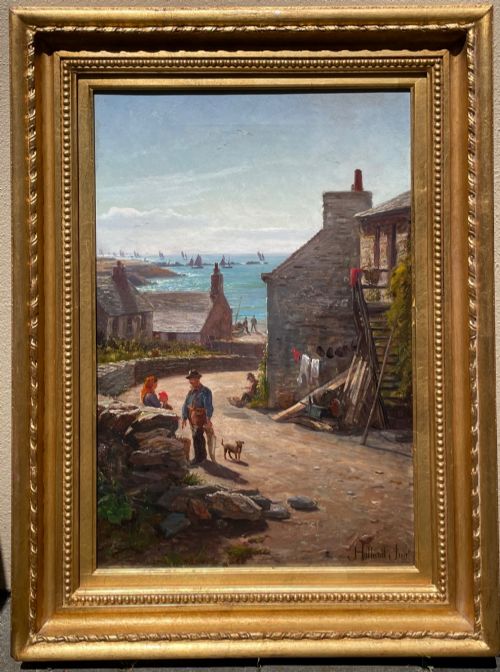
When you examine giltwood marine artwork, you are looking at oil paintings on canvas that depict shipping, coastal scenes, and heavy seas, set within decorative gilded frames. The pieces on this page span the eighteenth century through to the mid-twentieth century, with a strong representation of Victorian marine art and nineteenth-century French and Dutch styles.
The subjects range from tranquil Venetian lagoons and serene sunsets with boats to dramatic scenes of shipping in heavy seas and fishing vessels off the coast. Most of the examples you will encounter date from the nineteenth century, including works by named artists and regional British and European schools.
These works function as historical windows into maritime trade, naval encounters, and coastal life, framed in the ornate woodwork characteristic of their respective periods. Buyers seeking giltwood marine artwork generally look to bring depth, colour, and a distinct historical narrative into a room.
How they were made
The foundation of these pieces is typically an oil painting executed on canvas using traditional oil paints, depicting maritime subjects with varying degrees of brushwork texture. Canvases are stretched over wooden frames and housed within decorative surrounds constructed from wood and gesso.
The frames are finished with gold leaf applied over gesso, creating the characteristic giltwood appearance that defines the category. Carved ornamentation on the frames often reflects the aesthetic of the period, from Georgian moulding to heavy Victorian decoration.
Several canvases capture the turbulent waters of the English Channel and the Welsh lakes with surprising maritime vigour.
What varies in quality
Quality in these works lies primarily in the skill of the brushwork and the fidelity of the maritime subject matter, distinguishing master artists from competent regional painters. The articulation of water, light, and rigging requires precise draftsmanship and an understanding of maritime architecture.
The construction and carving of the giltwood frame also dictate the overall standard of the piece, with hand-carved ornamentation and intact gilding elevating the work. Original matching frames that complement the date and style of the canvas carry greater artistic harmony than later replacements.
Charles Euphraisie Kuasseg·John Holland·Pieter Cornelis Dommersen·George Morland·William Pitt·Roger de la Corbiere·Marc Aldine·Jane Vivian·George Henry Knight·E Tucker·Ebeneezer Colls·Frank Myers Boggs·William Dommersen
The Giltwood Marine Artwork Glossary
- Giltwood
- Wood that has been decorated with gold leaf or gold powder. This surface treatment provides the bright, reflective borders seen on the frames of these paintings.
- Gesso
- A plaster-like mixture used as a base for moulding and gilding on wooden frames. It allows craftsmen to create crisp, raised decorative details before applying gold leaf.
- Seascape
- A work of art depicting the sea, coastlines, and marine vessels. These subjects form the core of the paintings listed under this category.
- Oil on Canvas
- Pigments bound in a medium of drying oil applied to a stretched woven fabric support. This technique allows for rich colour blending and durability over centuries.
Giltwood Marine Artwork: Frequently Asked Questions
How do I date a giltwood frame?
Frame dating relies on the profile of the moulding, the composition of the underlying gesso, and the style of any applied ornamentation. Earlier frames often feature hand-carved wooden details, whereas later Victorian examples utilise moulded gesso compositions.
Comparing the style of the frame to the canvas can reveal whether they have remained together since creation, though many nineteenth-century paintings were reframed later.
What subjects appear in marine paintings?
Marine paintings depict a wide variety of nautical themes, ranging from calm coastal waters and fishing boats to dramatic shipwrecks and heavy seas. Artists often focused on specific regional ports, merchant shipping, or naval engagements.
Understanding the vessel types and maritime flags depicted can help narrow down the geographical origin and date of the composition.
How should I clean a giltwood frame?
Giltwood frames require gentle dusting with a soft, dry brush to prevent the delicate gold leaf from flaking or rubbing away. Moisture and chemical cleaning agents can strip the water gilding or damage the gesso beneath.
Professional conservators should handle any significant accumulation of grime or structural repairs to the carved wooden elements.
Are these paintings signed by artists?
Many of the works carry artist signatures, monograms, or studio attributions inscribed on the canvas or within the lower corners of the composition. Signatures provide a direct link to the painter, though unsigned works by competent regional schools are also common.
Documentation on the reverse of the canvas or stretcher bars often records artist names, titles, or historical exhibition labels.