



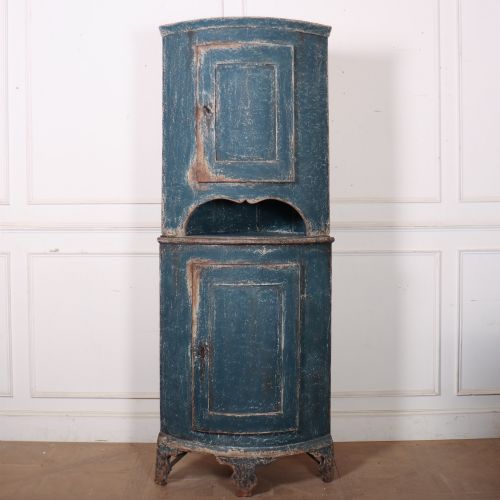


Vintage Scandinavian Cupboard
A vintage scandinavian cupboard brings functional storage and calm proportion to a room, ranging from rustic painted pine to polished satin birch.
Vintage Scandinavian Cupboard
When you search for a vintage scandinavian cupboard, you encounter a wide variety of forms originating from Sweden and Denmark across the eighteenth, nineteenth and early twentieth centuries. These pieces span robust country pine linen cupboards, corner cabinets, wall cabinets and refined urban pieces in satin birch and walnut.
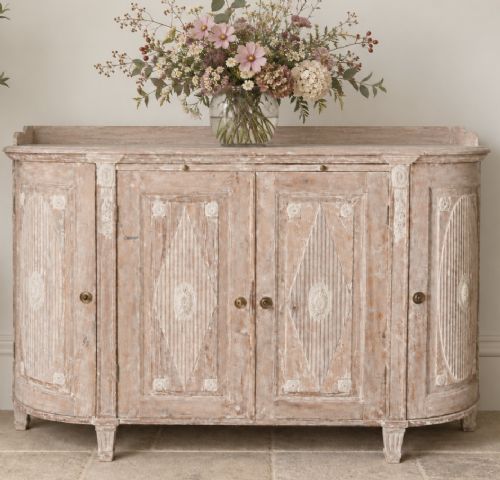
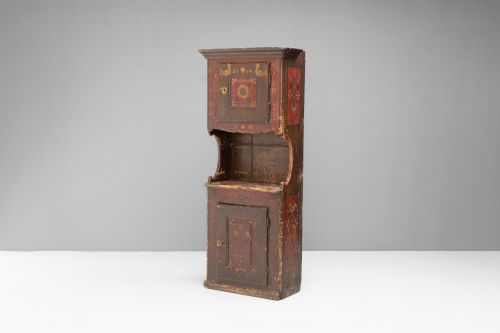
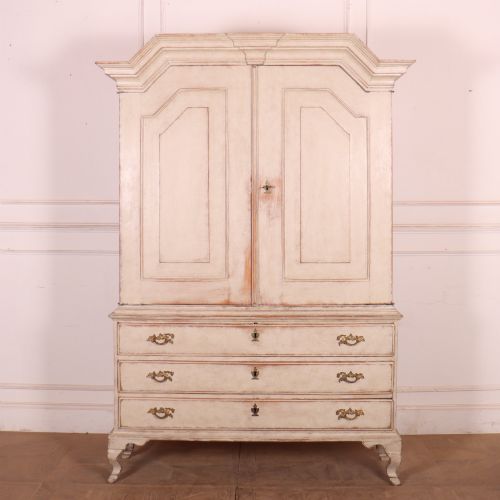
The version you are most likely to meet on this page is the nineteenth century painted pine cupboard, often finished in traditional ragwork or soft tones. These utilitarian yet decorative storage items reflect domestic life across Scandinavian regions through simple architectural lines and functional door configurations.
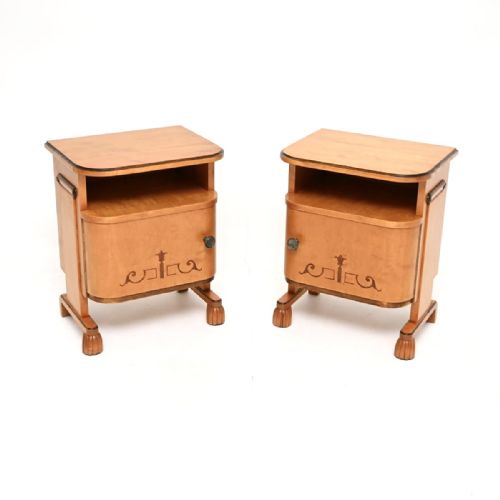
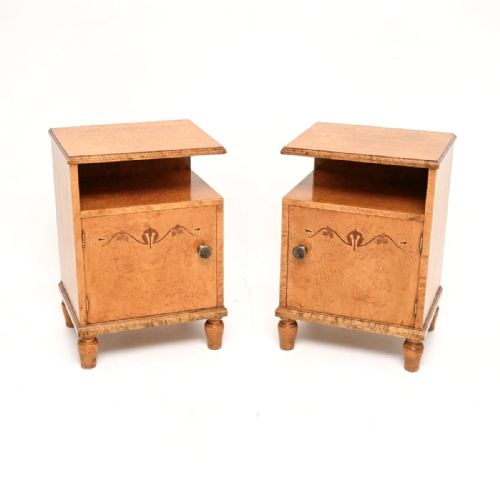
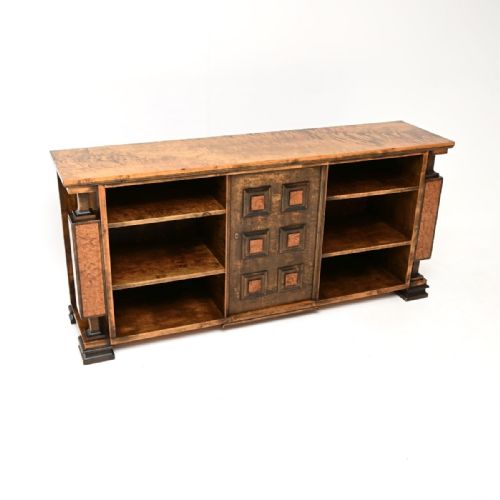
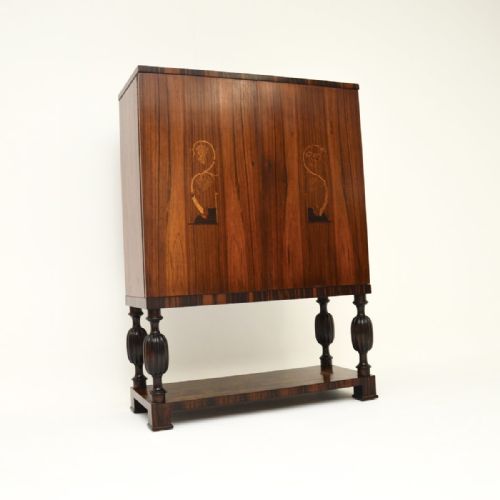
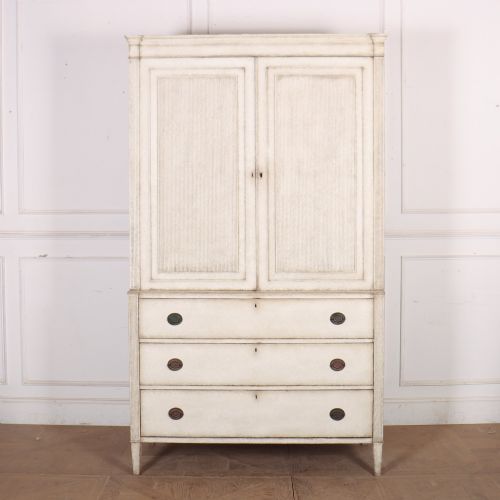
Alongside rustic painted work, the selection includes sophisticated neoclassical Gustavian pieces, Swedish Grace designs and geometric Art Deco cabinets from the nineteen thirties. This mix provides storage suited to modern interiors that require either soft patinated surfaces or rich wood veneers.
How they were made
Construction relies heavily on native softwoods like pine and birch, paired with decorative hardwoods such as walnut, rosewood and satin birch for veneered surfaces. Cabinet makers utilised traditional joinery alongside applied mouldings and brass or iron hardware to finish doors and drawers.
Painted finishes form a defining characteristic of the regional pieces, utilising layered pigments that developed characteristic patination over decades of wear. Finer urban examples from the twentieth century relied on precise wood veneer work, sometimes topped with marble or zinc to provide durable working surfaces.
Vintage Scandinavian Cupboard Retail Price Guide 2026
Typical asking prices for vintage scandinavian cupboard among the pieces listed under this phrase on Sellingantiques today, from the lower quarter to the upper quarter. They describe what is for sale here now, not the wider market.
A child's wardrobe sharing proportions with grand linen cupboards reminds us that tidy habits started young in nineteenth century Scandinavia.
What varies in quality
Quality reveals itself in the integrity of the timber, the subtlety of the painted surface and the retention of original hardware such as hinges and locks. Early pine examples show superior hand planing and dovetailing, while later veneered pieces depend on the precision of the grain matching across doors and panels.
The distinction between standard utility items and finer regional pieces lies in architectural detailing, such as bonnet tops, carved cornices and bowfronted construction. Original painted surfaces with honest weathering command greater interest than later repainted finishes which obscure the historic character of the wood.
Sandberg And Co·Oscar Nilsson Nordiska Kompaniet
The Vintage Scandinavian Cupboard Glossary
- Gustavian
- A Swedish neoclassical style popular during the late eighteenth and nineteenth centuries, known for restrained classical proportions, fluted columns and pale painted finishes.
- Ragwork
- A decorative painting technique where rags or cloths are used to manipulate wet glaze or paint on furniture, creating textured patterns that mimic grain or stone.
- Satin Birch
- A pale hardwood with a characteristic shimmering grain figure, frequently utilised in twentieth century Scandinavian cabinet making for a clean, luminous finish.
- Bonnet Top
- A curved or arched upper hood on a cabinet or bookcase, adding height and architectural presence to the piece.
- Bowfronted
- A convex curved cabinet front that softens room angles and provides distinct internal storage capacity.
Vintage Scandinavian Cupboard: Frequently Asked Questions
Where were these cupboards used?
These cupboards served primarily in kitchens, hallways and bedrooms for storing household linens, provisions and garments. Regional homes relied on them for heavy daily storage before fitted closets became common.
Larger double door cupboards and armoires stood in farmhouses, while wall cabinets and corner cupboards maximised space in smaller rooms or urban apartments.
How do I identify a Gustavian piece?
Gustavian pieces display restrained neoclassical motifs such as fluting, rosettes and urn finials inspired by French court style but adapted with northern simplicity. They usually feature pale grey, cream or white paint.
Proportions remain balanced and architectural, avoiding heavy ornamentation in favour of clean pilasters and tapered legs.
Are painted finishes original?
Many nineteenth century pine pieces retain historic layers of paint, though some underwent later overpainting during rural upkeep. Inspecting the surface texture and wear patterns reveals whether the pigment has aged naturally with the wood underneath.
Original ragwork or distressed historic paint exhibits subtle craquelure and softening around handles where hands touched the surface over generations.
How do I care for antique pine?
Antique pine and painted surfaces require stable indoor humidity levels to prevent timber movement or paint flaking. Dusting with a dry cloth and avoiding harsh chemical cleaners preserves the historic patination.
Wax can nourish bare pine interiors, while painted exteriors generally need only gentle cleaning to maintain their historic appearance.