



Painted Pine Cupboard Stand
These painted pine cupboard stand pieces offer practical domestic storage with the character of 18th and 19th-century regional workshop furniture.
Painted Pine Cupboard Stand
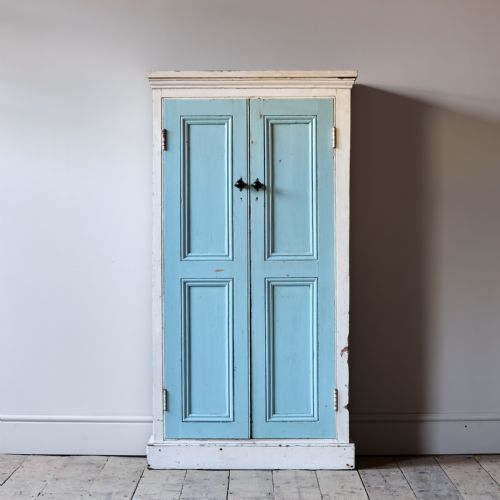
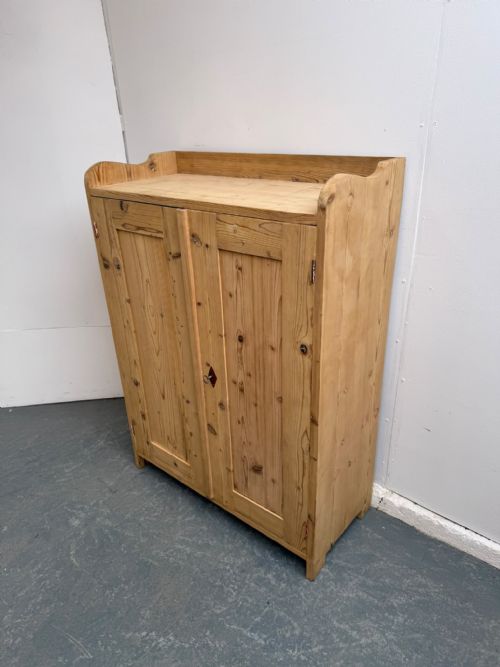
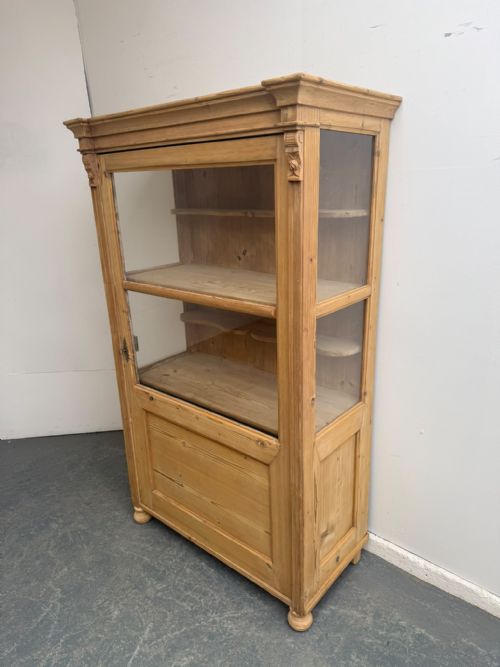
When searching for a painted pine cupboard stand, you are looking at utilitarian storage furniture constructed from softwood, often finished with historic or later paint surfaces. The selection ranges from housekeepers cupboards and corner cabinets to display cabinets and washstands produced during the Georgian and Victorian eras.
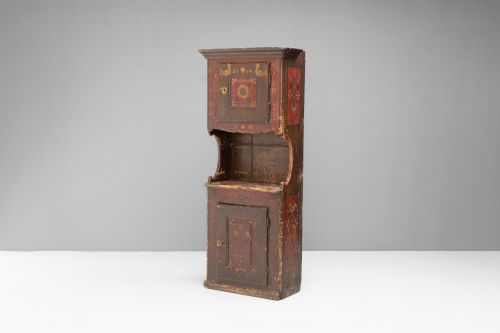
The versions you are most likely to meet on this page hail from 19th-century British and Scandinavian traditions. These include Scottish food cupboards, Welsh corner cupboards, and Swedish pieces that showcase regional rustic styles.
How they were made
These items were built primarily from softwood pine using traditional joinery methods suited to regional workshops. Iron and brass hardware such as hinges and latches were integrated to secure doors and drawers.
Surfaces were frequently finished with paint, sometimes appearing as an original painted finish or applied later to protect the softwood timber. Glass panels appear in glazed display variants, whilst other forms rely entirely on solid panel doors.
Painted Pine Cupboard Stand Retail Price Guide 2026
Typical asking prices for painted pine cupboard stand among the pieces listed under this phrase on Sellingantiques today, from the lower quarter to the upper quarter. They describe what is for sale here now, not the wider market.
Listings feature pieces spanning the Georgian and Victorian periods, constructed primarily from pine with iron and brass hardware.
What varies in quality
The distinction between standard examples and finer pieces lies in the integrity of the original construction and the preservation of early paint surfaces. Pieces retaining their untouched regional finish command greater interest from collectors than those stripped or heavily reworked.
Proportion and regional detailing also separate the output of different domestic and continental workshops. Clean lines on Swedish Gustavian pieces or robust proportions on Scottish and Welsh examples indicate the skill of the original maker.
The Painted Pine Cupboard Stand Glossary
- Pine
- A softwood timber commonly used for utilitarian furniture throughout the 18th and 19th centuries. It accepts paint readily and was the standard material for regional cupboards and stands.
- Housekeepers Cupboard
- A large storage piece traditionally used in country houses for linen and dry goods. These standing units often feature multiple doors and internal shelving.
- Standing Corner Cupboard
- A tall cupboard designed to fit neatly into the corner of a room without wall attachment. They maximise floor space while providing shelved storage.
- Washstand
- A domestic piece designed to hold washing basins and water jugs, typically featuring a timber top and lower storage. 19th-century examples often utilise simple pine construction.
Painted Pine Cupboard Stand: Frequently Asked Questions
What is a painted pine cupboard stand?
It is a practical storage item made from softwood and finished with paint, originating mostly from the 18th and 19th centuries.
These pieces were built in regional workshops across Britain and Scandinavia for everyday domestic use.
How do I date an old pine cupboard?
Dating relies on construction methods, timber characteristics, and stylistic traits typical of the Georgian and Victorian periods.
Hardware such as iron hinges and the presence of original paint layers also provide clues to the age of the piece.
Are these cupboards suitable for modern kitchens?
Yes, their tall profiles and shelving make them practical for storing kitchenware, glassware, or dry goods.
They bring rustic character to contemporary interiors while offering functional enclosed storage space.
What is the difference between Swedish and British country cupboards?
Swedish pieces often display lighter colour palettes and Gustavian design influences, whereas British regional items favor robust utility.
Scottish and Welsh variants each exhibit distinct local joinery traditions and proportions characteristic of their home regions.