


Blue Painted Wardrobe
These blue painted wardrobe pieces bring regional folk tradition and practical storage together through pine and iron.
Blue Painted Wardrobe
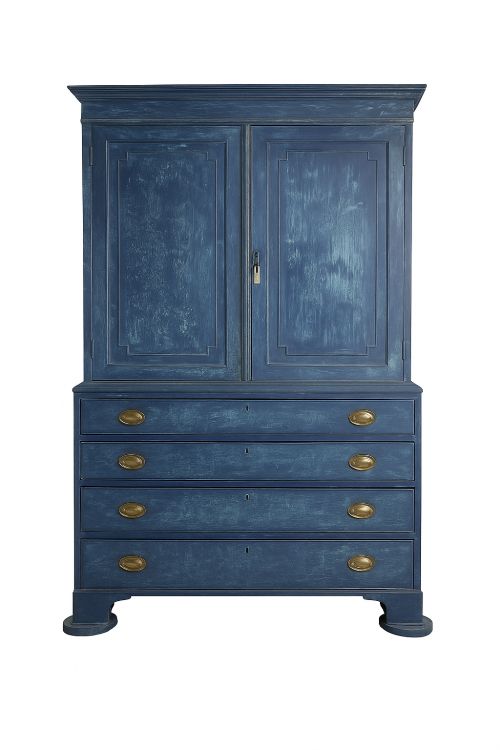
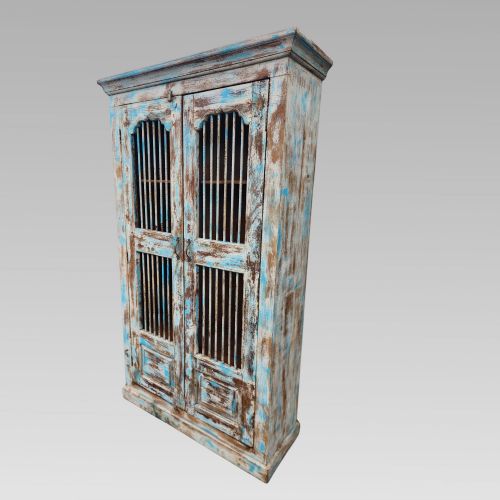
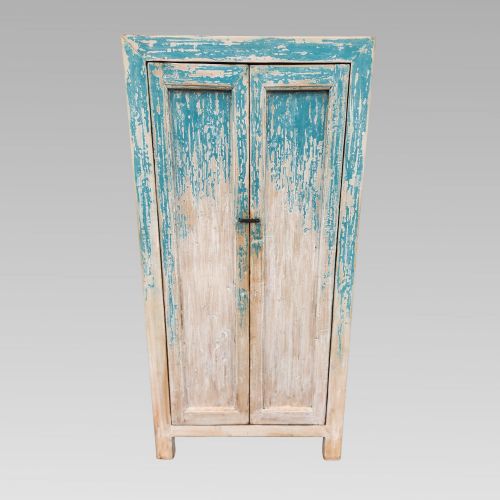
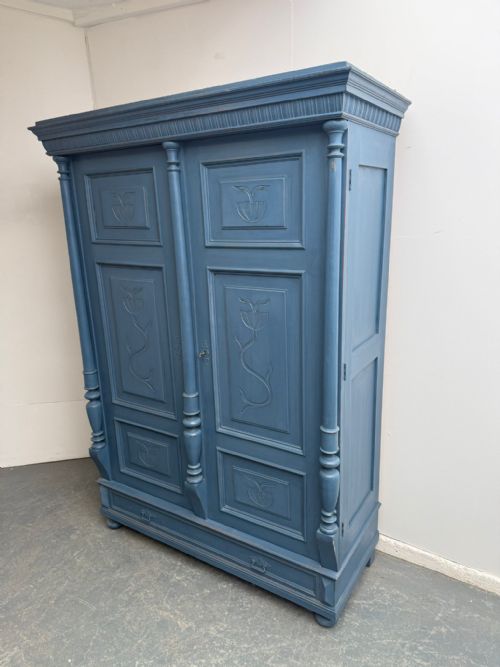
A blue painted wardrobe represents a practical storage solution shaped by regional folk traditions and vernacular woodworking methods. When exploring a blue painted wardrobe, you encounter forms that range from rustic Indian storage cupboards to Scandinavian country armoires.
The pieces on this page span several distinct eras, including Georgian, Regency, Victorian, and the year 1930. These items function primarily as large storage cupboards, linen presses, and hanging cabinets for domestic spaces.
Geographic influences are wide, drawing on Swedish folk art, Hungarian workshops, and Welsh vernacular construction. Each regional style applies blue pigment to pine, cedar, or teak to achieve a durable and decorative surface.
Materials and Construction
Construction relies heavily on solid pine, reclaimed teak, and reclaimed cedar for the primary carcass and shelving. Carpenters utilised traditional joinery methods to build these large storage pieces.
Surfaces are treated with paint applications, often in blue or green pigments, reflecting Scandinavian folk art and Hungarian traditions. Iron and brass hardware, including hinges and latches, secure the doors and structural joints.
Listings feature pine and reclaimed cedar constructions spanning the eighteenth, nineteenth, and twentieth centuries.
Assessing Quality
Quality rests in the integrity of the timber framing and the preservation of the original painted surface. Pieces that retain their early folk art pigment display a greater continuity of historical character.
The refinement of the joinery and the authenticity of the iron or brass fittings distinguish standard utility pieces from more ambitious regional cabinetwork.
The Blue Painted Wardrobe Glossary
- Vernacular
- Architecture or furniture built by local craftsmen using traditional methods and local materials, without academic design input. These pieces often reflect the specific domestic needs of a region.
- Linen Press
- A tall piece of furniture featuring upper sliding trays or shelves enclosed by doors, traditionally used for storing textiles. Lower drawers often provide additional space.
- Armoire
- A large freestanding cupboard or wardrobe with doors, used primarily for hanging clothes. The form varies significantly across European and colonial traditions.
- Folk Art
- Artistic work created within a traditional culture by self-taught or local artisans, utilising familiar motifs and local materials. This style emphasises practical utility combined with decorative surface treatment.
Blue Painted Wardrobe: Frequently Asked Questions
What periods do these wardrobes come from?
The pieces span the Georgian, Regency, and Victorian eras, along with items from the nineteenth century and the year 1930.
Craftsmen built these cupboards using regional timbers like pine, cedar, and teak.
How were these cupboards used historically?
Families utilised these large pieces for storing garments, household linens, and domestic supplies in rural and urban homes.
Interior configurations often combined hanging space with fixed shelves or sliding trays.
Are the painted finishes original?
Many items retain traditional painted surfaces that reflect Scandinavian, Hungarian, and folk art traditions.
Pigments were applied to seal the wood and provide decorative colour to domestic interiors.
What woods are typically found in these pieces?
Pine serves as the primary timber for European vernacular furniture, while reclaimed teak and cedar appear in Indian pieces.
Iron and brass components provide the functional hardware across all regional styles.