


Freestanding Wooden Pantry Cabinet
These freestanding wooden pantry cabinet pieces offer generous storage for the home, bringing practical utility and traditional character to any kitchen or scullery.
Freestanding Wooden Pantry Cabinet
When you search for a freestanding wooden pantry cabinet, you encounter substantial storage furniture designed to hold provisions, linens, and kitchen goods. These pieces take the form of larder cupboards, housekeepers cupboards, and kitchen storage cupboards.
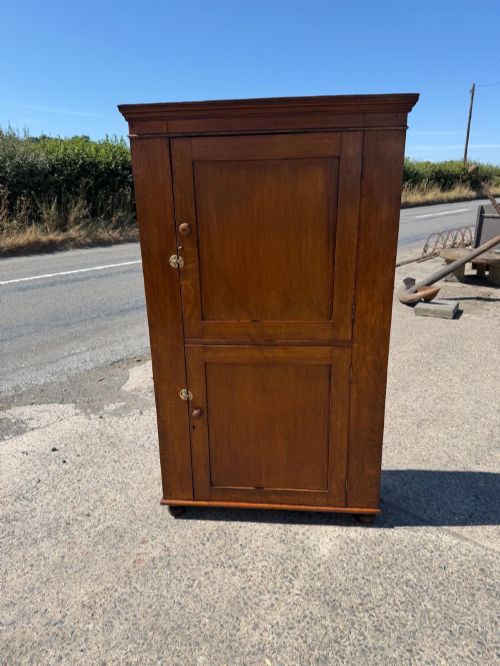
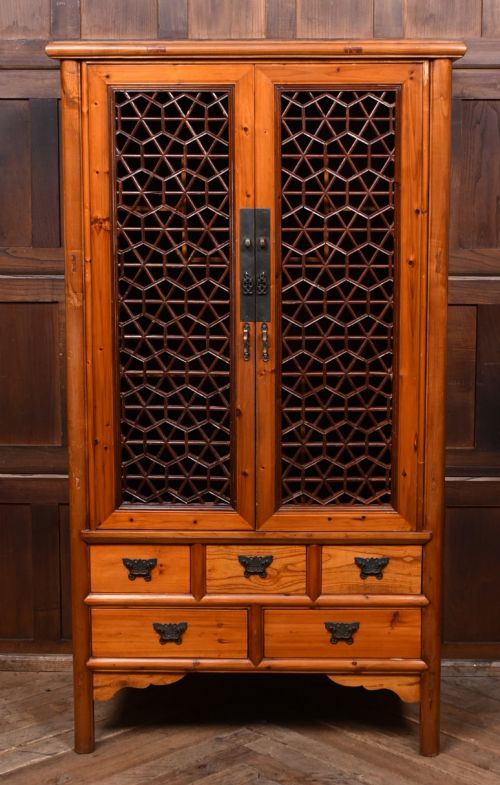
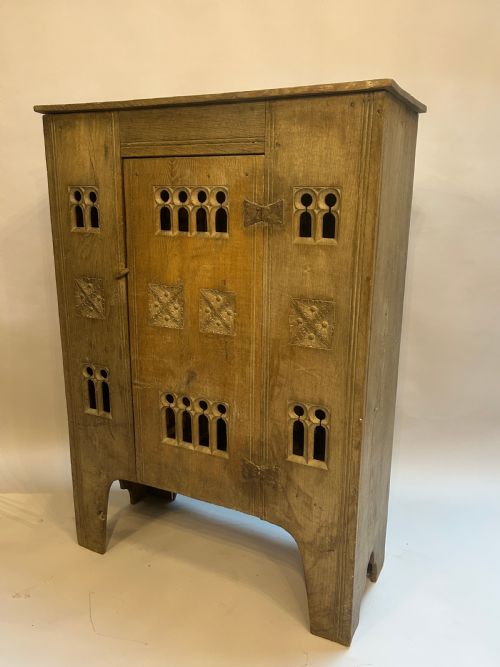
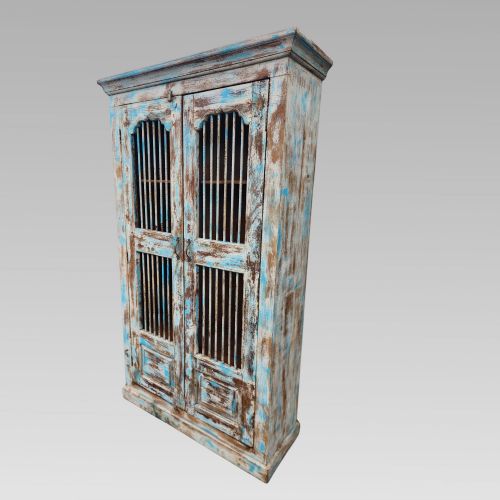
The selections available here span several distinct periods, most notably the Victorian era and the Georgian period, alongside Edwardian examples and pieces from the year 1930. Forms range from two-door cupboards on bun feet to tall cabinets originating from English, Japanese, and Indian traditions.
Buyers are most likely to meet utilitarian pine and oak kitchen cupboards, often finished with paint or wax. These hardworking items served domestic roles in country houses, sculleries, and farmhouses before finding a place in modern interiors.
How they were made
Construction relies heavily on sturdy timbers such as pine, oak, cedar, and teak, selected for durability in busy domestic spaces. Cabinetmakers utilised solid boards to build heavy carcases capable of supporting shelves filled with provisions and heavy household stores.
Hardware details typically include iron and brass hinges, latches, and handles that secure the panelled doors. Many surfaces received traditional treatments of paint or wax, which protected the wood while offering a practical finish for kitchen environments.
The listings span periods from the Georgian era through the Victorian period up to 1930, utilising pine, oak, cedar, and teak.
What varies in quality
Quality in these storage pieces rests upon the integrity of the timber and the honesty of the construction. Superior examples retain their original structural timber without excessive replacement, whilst lesser pieces may show heavier alterations from decades of hard domestic use.
The character of the finish also sets pieces apart, as original painted surfaces or well-maintained waxed pine demonstrate a more pleasing integration of age and utility. The execution of traditional joinery in the doors and carcase reveals the hand of the maker.
The Freestanding Wooden Pantry Cabinet Glossary
- Pine
- A soft timber widely used for utilitarian furniture throughout the Victorian and Georgian periods. It accepts paint and wax readily, making it the primary choice for kitchen and scullery cupboards.
- Housekeepers cupboard
- A large storage piece traditionally used for linens, dry goods, and domestic supplies. These functional cabinets often feature two doors enclosing internal shelving.
- Bun feet
- Rounded, flattened wooden feet that raise a cabinet slightly off the floor. This stylistic detail appears frequently on Victorian case furniture.
- Larder cupboard
- A tall cabinet specifically ventilated or partitioned for the storage of food before refrigeration. They form a key category within kitchen storage furniture.
Freestanding Wooden Pantry Cabinet: Frequently Asked Questions
What is a freestanding wooden pantry cabinet?
A freestanding wooden pantry cabinet is a movable storage unit designed for food, kitchenware, or household linens. These pieces provide independent storage without requiring built-in kitchen installation.
They appear in various regional styles, from English country pine cupboards to larger Victorian and Georgian kitchen storage pieces.
How were these cupboards originally used?
These cabinets served domestic spaces as larders, scullery cupboards, and housekeepers stores. Families relied on them to keep provisions away from pests and to organise household goods.
Their sturdy shelves and deep carcases made them central to daily kitchen management in large houses and country homes.
How do I care for a painted wooden cabinet?
Painted wooden cabinets require gentle cleaning with a soft, dry or slightly damp cloth to preserve the surface finish. Avoid harsh chemical cleaners that might strip historic paint or wax.
Keeping the furniture away from direct heat sources helps protect the timber joints and prevents the wood from warping.
How can I tell the period of a cupboard?
Dating relies on observing construction methods, timber choices, and stylistic markers such as bun feet or panel configurations. Georgian and Victorian pieces often display distinct proportions and joinery techniques compared to Edwardian or later items.
Hardware styles and the wear patterns on the wood also offer clues to a cabinet's age and origin.